
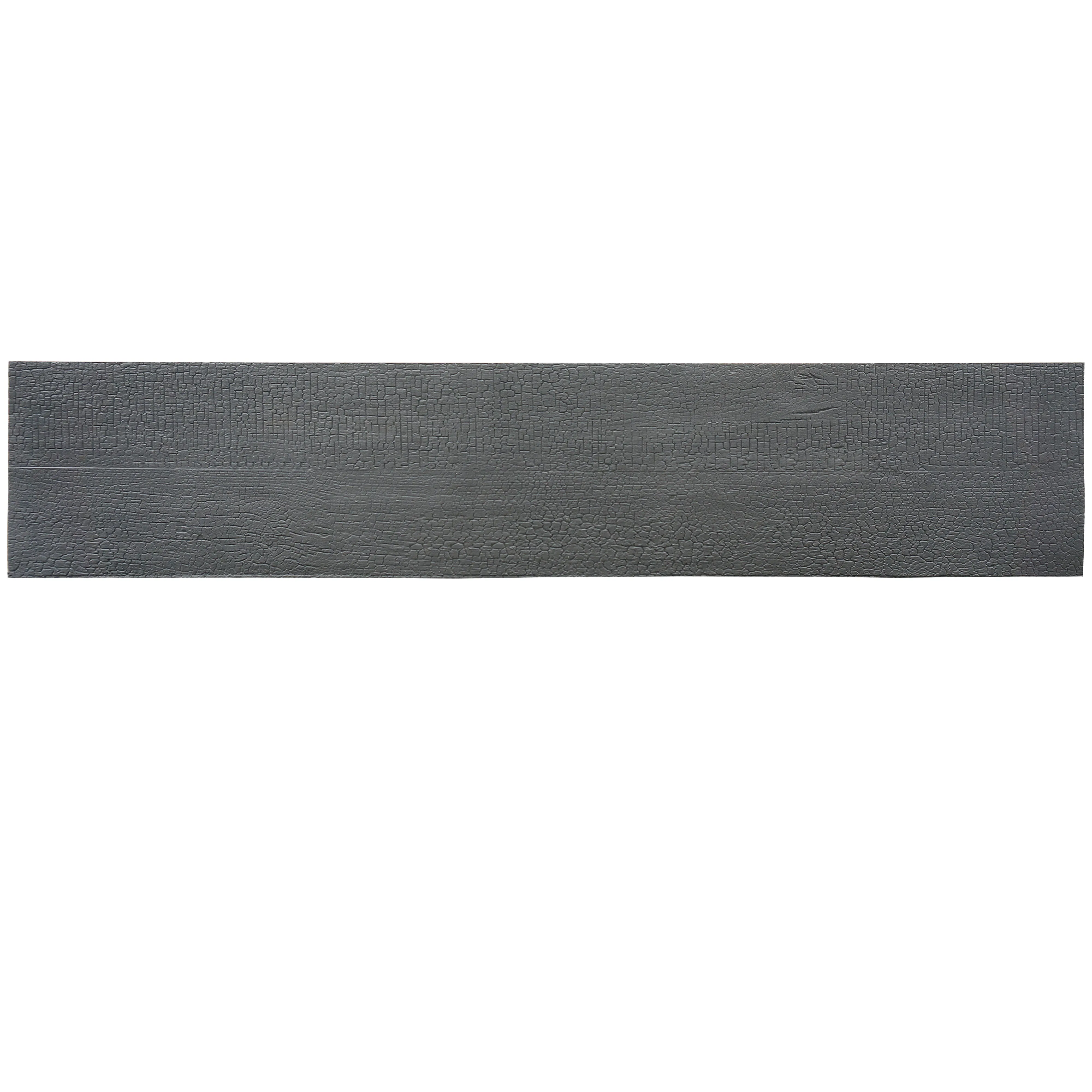
Walk into any modern home or commercial space these days, and you'll notice a quiet revolution happening in building materials. Gone are the days when "sustainable" meant sacrificing style or durability. Today's architects and designers are reaching for materials that tell a story—one of respect for the planet, craftsmanship, and timeless appeal. Among these rising stars is a material that's been turning heads: eco-certified charcoal burnt wood board. It's not just a pretty face, though. Behind that rich, charred texture lies a world of scientific rigor, particularly when it comes to pH standards and compliance. Let's dive in, shall we? Because understanding what makes this material tick isn't just for industry insiders—it's for anyone who cares about building spaces that last, both for us and for the generations after.
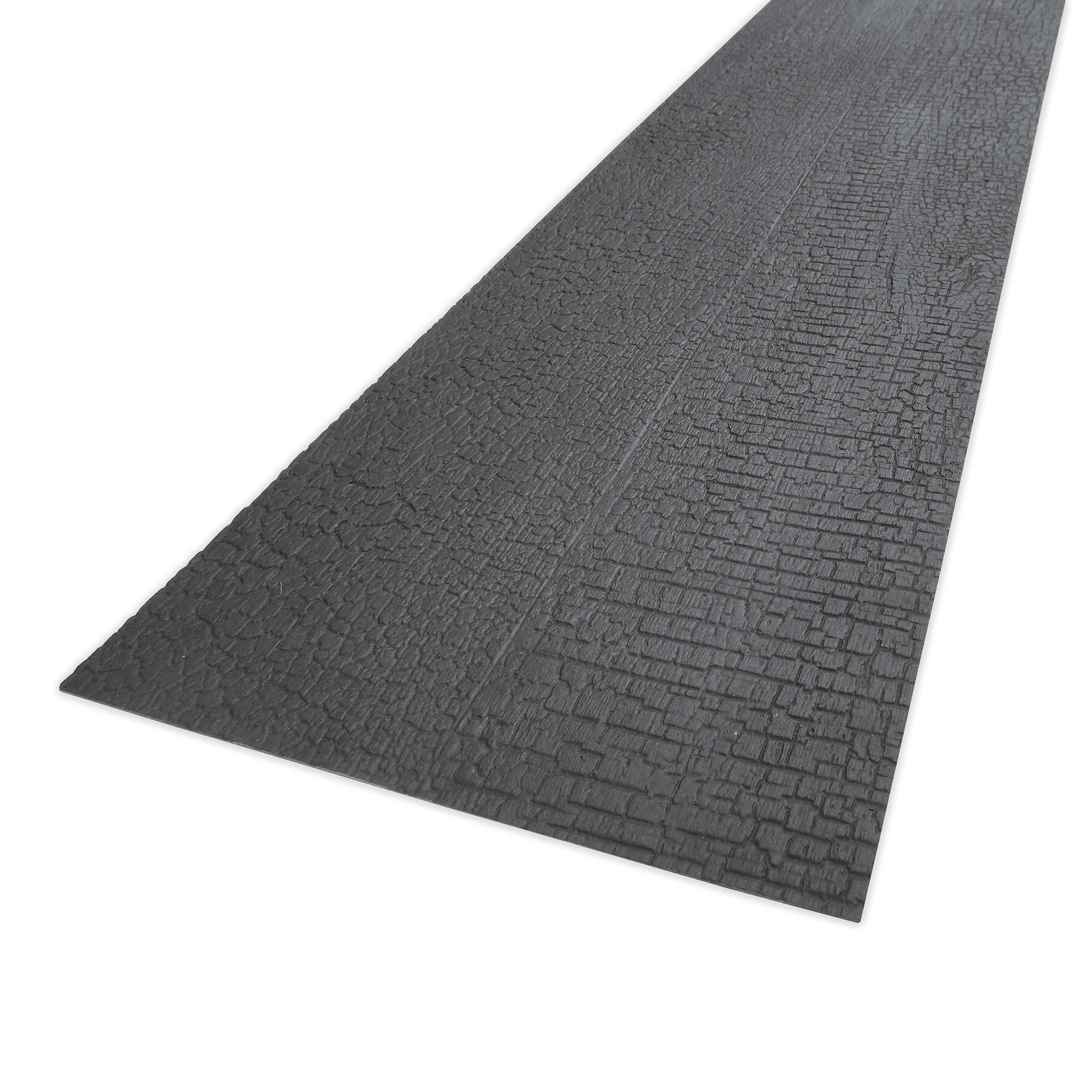
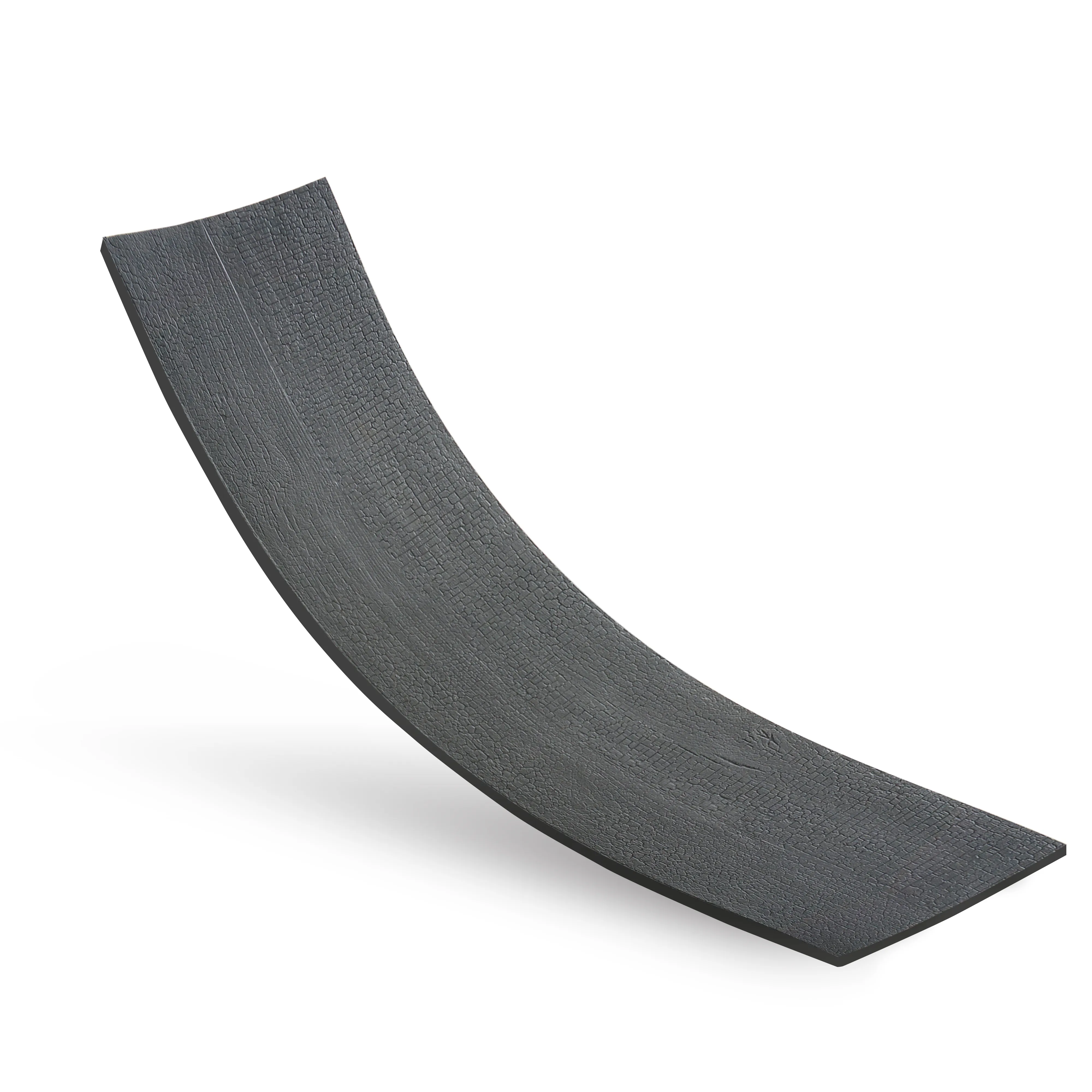
First things first: let's clear up any confusion. Charcoal burnt wood board isn't your average lumber. It's a specialized material crafted using a technique that's been around for centuries but has been given a modern, eco-friendly twist. Traditionally, wood is burned (or "charred") using controlled flames, a process that creates a protective layer of carbon on the surface. This layer isn't just for looks—it's a natural barrier against pests, rot, and weathering. But what makes today's versions "eco-certified" is the way they're produced. Think sustainably sourced wood, low-impact burning methods that minimize emissions, and a commitment to circularity (like using waste wood from other industries). The result? A board that's as kind to the planet as it is tough.
I remember visiting a boutique hotel in Portland last year where the lobby walls were clad in this stuff. From across the room, it looked like something out of a Japanese temple—deep, smoky hues with subtle variations in texture. But when I got closer, I noticed how smooth the edges were, how the charred layer didn't flake or crumble. The architect later told me they'd chosen it not just for aesthetics, but because it required zero chemical treatments. No pesticides, no preservatives—just wood, fire, and a whole lot of science. That stuck with me. In a world where "green" often feels like a marketing buzzword, here was a material that backed up the claims.
Okay, let's talk pH. You might remember from high school science that pH is a measure of how acidic or alkaline a substance is, ranging from 0 (super acidic) to 14 (super alkaline). Neutral is 7. But why does this matter for a wood board? Let me put it this way: imagine painting a wall with a substance that's highly acidic. Over time, that acidity could eat away at the underlying structure, corrode metal fasteners, or even leach into the soil if used outdoors. Not ideal. On the flip side, something too alkaline might react with moisture in the air, causing the material to warp or discolor. pH balance is the sweet spot that keeps the material stable, durable, and safe—for both the building and the environment.
For charcoal burnt wood board, maintaining the right pH is especially critical. The charring process itself can affect the wood's natural pH. When wood is burned, the carbon layer (which is slightly alkaline) interacts with the underlying wood (which is naturally slightly acidic). If the pH isn't controlled, the board could become too reactive. For example, a pH below 5.5 might make the wood more prone to fungal growth, while a pH above 8 could lead to mineral deposits or discoloration when in contact with water. That's why manufacturers invest heavily in testing—they want that pH to hover right around neutral, typically between 6.5 and 7.5. It's like Goldilocks' porridge: not too hot, not too cold. Just right.
But how do they test it? I reached out to a materials scientist at a leading manufacturer to find out. "We take samples from every batch," she explained. "We grind a small piece of the board into a powder, mix it with distilled water, and measure the pH using a calibrated meter. If it's outside the target range, we adjust the charring process—maybe tweak the temperature, the duration, or the cooling method. It's a delicate balance, but it's what ensures consistency." Consistency, she, is key for builders. If one batch is too acidic and another too alkaline, it could lead to uneven performance in a project. So those pH tests aren't just boxes to check—they're the backbone of reliability.
Now, let's talk certifications. You've seen the labels: "LEED-compliant," "FSC-certified," "GreenGuard." But what do they really mean for charcoal burnt wood board? Let's break it down. First, there's the Forest Stewardship Council (FSC) certification, which ensures the wood comes from forests that are managed responsibly—think replanting, protecting biodiversity, and respecting indigenous rights. Without FSC, there's no guarantee the wood wasn't sourced from clear-cut or illegally logged areas. Then there's LEED (Leadership in Energy and Environmental Design), a rating system for green buildings. To earn LEED points, materials must meet strict criteria for sustainability, including low VOC emissions and recycled content. Charcoal burnt wood board often checks these boxes because the charring process itself reduces the need for chemical additives, and many manufacturers use wood from recycled or reclaimed sources.
But pH plays a role here, too. Some certifications, like GreenGuard, which focuses on indoor air quality, require materials to have pH levels that won't off-gas harmful substances. For example, if a board is too alkaline, it might release ammonia over time, which can irritate eyes and lungs. Too acidic, and it could leach sulfur compounds. By keeping pH neutral, charcoal burnt wood board avoids these issues, making it a top pick for spaces like schools, hospitals, and homes where air quality is non-negotiable.
I recently spoke with a contractor who specializes in LEED projects. He told me about a community center he worked on in Chicago where the entire exterior was wrapped in eco-certified charcoal burnt wood board. "The client wanted something that looked natural but didn't require constant maintenance," he said. "We ran the numbers: compared to traditional wood siding, which would need painting every 3-5 years, this stuff is projected to last 20+ years with just an annual wash. And because it's FSC and LEED-certified, the project qualified for tax incentives. It was a no-brainer." That's the thing about compliance—it's not just about meeting standards; it's about adding value, both for the builder and the end user.
Charcoal burnt wood board is impressive, but it's not the only game in town. Let's see how it compares to some other popular sustainable materials, including a few you might recognize from the keyword list: fair-faced concrete, wood grain board, and bamboo mat board. We'll focus on pH, eco-credentials, and real-world performance—because at the end of the day, builders and homeowners need to know how these materials hold up side by side.
| Material | Typical pH Range | Eco-Certifications | Durability | Best For | Potential Drawbacks |
|---|---|---|---|---|---|
| Eco-Certified Charcoal Burnt Wood Board | 6.5–7.5 (neutral) | FSC, LEED, GreenGuard | High (resistant to rot, pests, weathering) | Indoor walls, exterior siding, furniture | Higher upfront cost than untreated wood |
| Fair-Faced Concrete | 12–13 (alkaline) | LEED (if using recycled aggregate) | Very high (fireproof, weather-resistant) | Structural elements, accent walls | High carbon footprint; alkaline runoff can harm soil |
| Wood Grain Board | 5.0–6.0 (mildly acidic) | FSC (if sourced sustainably) | Medium (prone to rot without treatments) | Flooring, cabinetry | Often requires chemical preservatives; lower moisture resistance |
| Bamboo Mat Board | 5.5–6.5 (mildly acidic) | USDA BioPreferred, FSC | Medium-high (fast-growing, renewable) | Lightweight furniture, wall panels | Can warp in high humidity; limited color options |
Looking at the table, it's clear charcoal burnt wood board has a leg up when it comes to pH balance and eco-credentials. Fair-faced concrete, for example, is incredibly durable, but its high alkalinity can be a problem. I once worked on a project where concrete planters were placed directly on soil, and over time, the alkaline runoff killed the plants. Oops. Wood grain board, while classic, often needs pesticides to survive, which clashes with eco-goals. Bamboo is renewable, but its acidity means it might not hold up as well in damp climates. Charcoal burnt wood board? It avoids those pitfalls. That neutral pH means it plays nice with the environment, and the charred layer eliminates the need for chemicals. It's a win-win.
So, where is this material actually being used? Let's take a tour of some standout projects. In Tokyo, there's a residential complex called "Ember House" where every exterior wall is clad in charcoal burnt wood board. The architect wanted a material that would age gracefully, and so far, it's delivered. After five years, the boards have developed a patina that makes the building look like it's been there for decades, but without a single sign of rot or pest damage. "We tested the pH before installation," the project manager told me. "It was 7.2—perfectly neutral. That, combined with the char layer, means we don't have to repaint or treat it. Just a yearly hose-down, and it's good to go."
Closer to home, in Seattle, a co-working space called "Roots & Co." used the material for their interior accent walls. The goal was to create a space that felt warm and inviting, but also aligned with their zero-waste mission. "We chose charcoal burnt wood board because it checked all the boxes," the founder explained. "It's FSC-certified, so we know the wood is from sustainable forests. The pH testing gave us peace of mind that it wouldn't off-gas, which is huge for indoor air quality—our members spend 8+ hours here daily. And honestly? People love the look. It's a conversation starter. Clients walk in and say, 'What is that?' and we get to talk about sustainability. That's priceless."
But it's not just about looks and compliance. There's a practical side, too. Take outdoor applications, for instance. A restaurant in Asheville, North Carolina, used charcoal burnt wood board for their patio decking. "We used to replace our wooden deck every 3–4 years because of rot and termites," the owner said. "Now, with this stuff? It's been two years, and it looks brand new. No splinters, no warping. And since it's pH-neutral, we don't have to worry about rainwater runoff harming our garden beds. It's saved us money in the long run, even though it cost more upfront." That's the thing about sustainable materials—they often require an initial investment, but the payoff in durability and reduced maintenance is hard to ignore.
Of course, no material is perfect, and charcoal burnt wood board has its share of challenges. Let's start with cost. Because of the specialized production process and certifications, it's generally more expensive than untreated wood or even some composite materials. For budget-conscious projects, that can be a dealbreaker. But proponents argue that it's a long-term investment. "Think of it as paying now or paying later," one contractor told me. "You might save $5,000 upfront by using regular wood, but you'll spend twice that on repairs and replacements in 10 years." It's a fair point, but it doesn't make the initial sticker shock any easier.
Then there's the learning curve. Not all contractors are familiar with installing charcoal burnt wood board. The charred layer is delicate during installation—if you're not careful, you can chip or scratch it. "We had to train our crew on how to handle it," a builder in Colorado admitted. "You can't use regular nails; you need stainless steel to avoid discoloration. And cutting it requires special blades to prevent the char from flaking. It took a little time, but now they're pros." For DIYers, this could be a hurdle. Unless you're comfortable with specialized tools, it's probably best to leave installation to the experts.
There's also a common misconception that "charred" means "fire hazard." Nothing could be further from the truth. In fact, the charred layer is fire-resistant . Because it's already been burned, it doesn't ignite easily. In tests, charcoal burnt wood board has been shown to withstand flames for longer than untreated wood, making it a safer choice for both residential and commercial spaces. Still, myths persist, and educating clients is part of the battle.
As we look ahead, one thing is clear: the demand for sustainable building materials isn't slowing down. Climate change, stricter regulations, and a growing consumer focus on ethics are driving the industry toward more responsible practices. And in that landscape, pH standards and compliance will only become more critical. Why? Because as we build greener, we're also building smarter. We're no longer satisfied with materials that "look" eco-friendly—we want data, we want certifications, and we want to know they're safe for people and the planet.
Charcoal burnt wood board is just one example of this shift. It's a material that marries tradition with technology, aesthetics with science. And as manufacturers continue to refine the process—maybe by using even more recycled wood, or developing new charring techniques that reduce energy use—its appeal will only grow. I recently attended a green building conference where a keynote speaker predicted that "pH testing will become as standard as checking for lead paint in older homes." It makes sense. If we're going to build spaces that are truly sustainable, we need to understand how materials interact with their environment at a chemical level.
But it's not just about the materials themselves. It's about a mindset. It's about asking, "What's in this product? Where did it come from? How will it affect the world around it?" For too long, the building industry has prioritized cost and speed over long-term impact. But with materials like eco-certified charcoal burnt wood board, we're starting to see a different approach—one that values quality, sustainability, and transparency. And that, I think, is something worth getting excited about.
So, what have we learned? Eco-certified charcoal burnt wood board is more than just a trendy building material. It's a testament to what's possible when we combine ancient wisdom with modern science. Its neutral pH ensures durability and safety, while certifications like FSC and LEED back up its eco-credentials. Sure, it has challenges—cost, installation complexity—but for those willing to invest, the rewards are clear: spaces that are beautiful, durable, and kind to the planet.
Whether you're an architect designing the next big community center, a homeowner remodeling your kitchen, or just someone who likes to know what goes into the walls around them, understanding the "why" behind materials matters. It's how we make informed choices, how we push the industry forward, and how we build a future where our buildings don't just take from the earth, but give back. So the next time you see that rich, charred texture on a wall or a deck, take a closer look. Behind that beauty is a story of pH balances, compliance checks, and a whole lot of heart. And that, my friends, is the future of building. Let's build it well.
Recommend Products












