
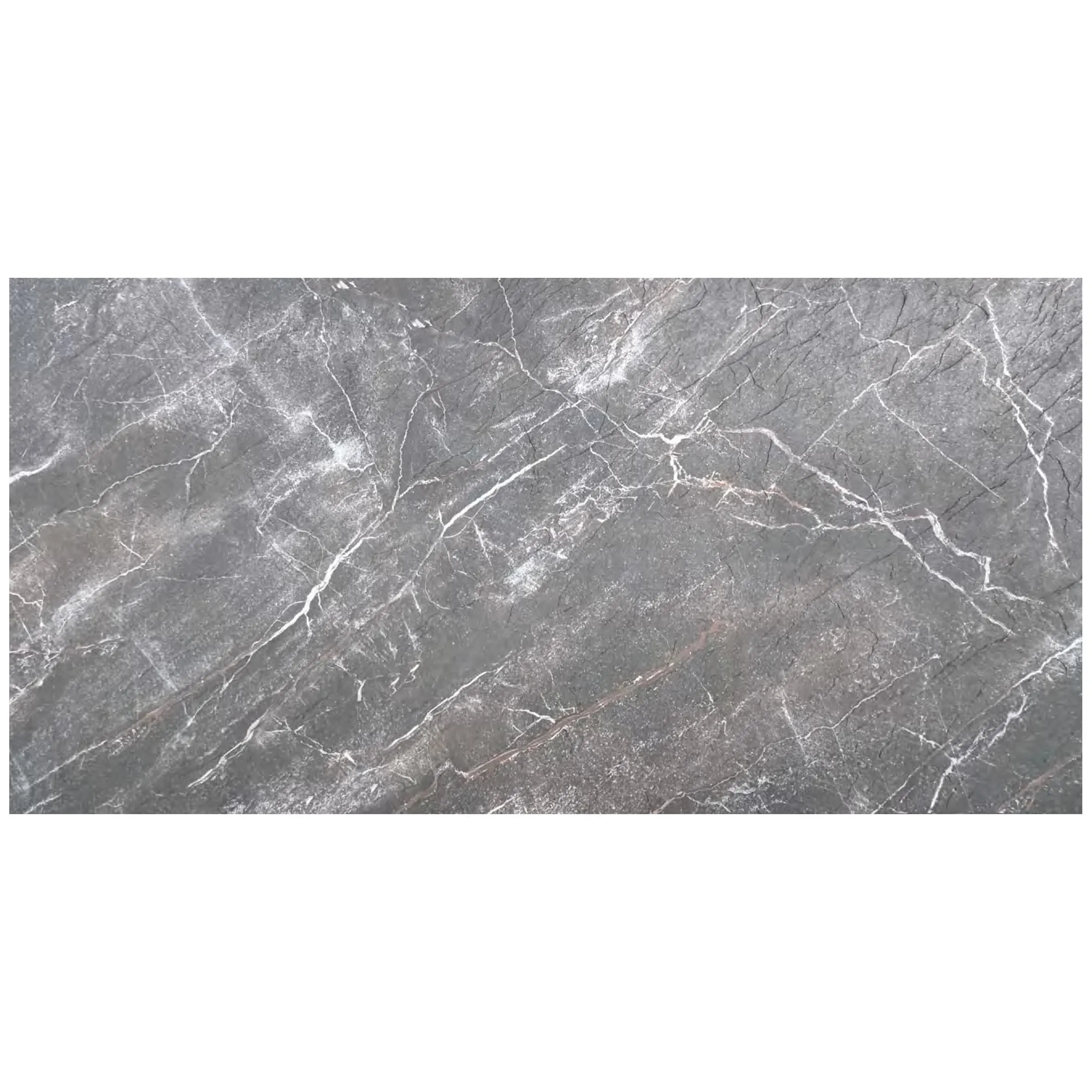
Think about the last time you stepped into a space that felt like more than just walls and a roof. Maybe it was the cool, smooth surface of a countertop that made your morning coffee taste a little better, or the rough, earthy texture of a wall that reminded you of a childhood hike through the woods. Buildings aren't just structures—they're silent storytellers, shaping how we feel, work, and connect with the world around us. But what if those stories could also be kind to the planet? That's where COLORIA MCM comes in, blending the beauty of natural materials with a commitment to sustainability that doesn't compromise on heart or design.
We interact with building materials every day, often without noticing. The floor under our feet, the facade that greets us as we enter an office, the panels that line our favorite café—these elements don't just serve a functional purpose. They have texture that invites touch, colors that soothe or energize, and a "soul" that can turn a generic room into a place we remember. But here's the thing: for too long, beauty in building materials has come at a cost. Quarrying natural stone can scar landscapes, manufacturing traditional materials often guzzles energy, and disposal at the end of a building's life adds to overflowing landfills. That's the gap COLORIA MCM set out to fill—creating materials that feel alive with texture and color, but leave a lighter footprint on the earth.
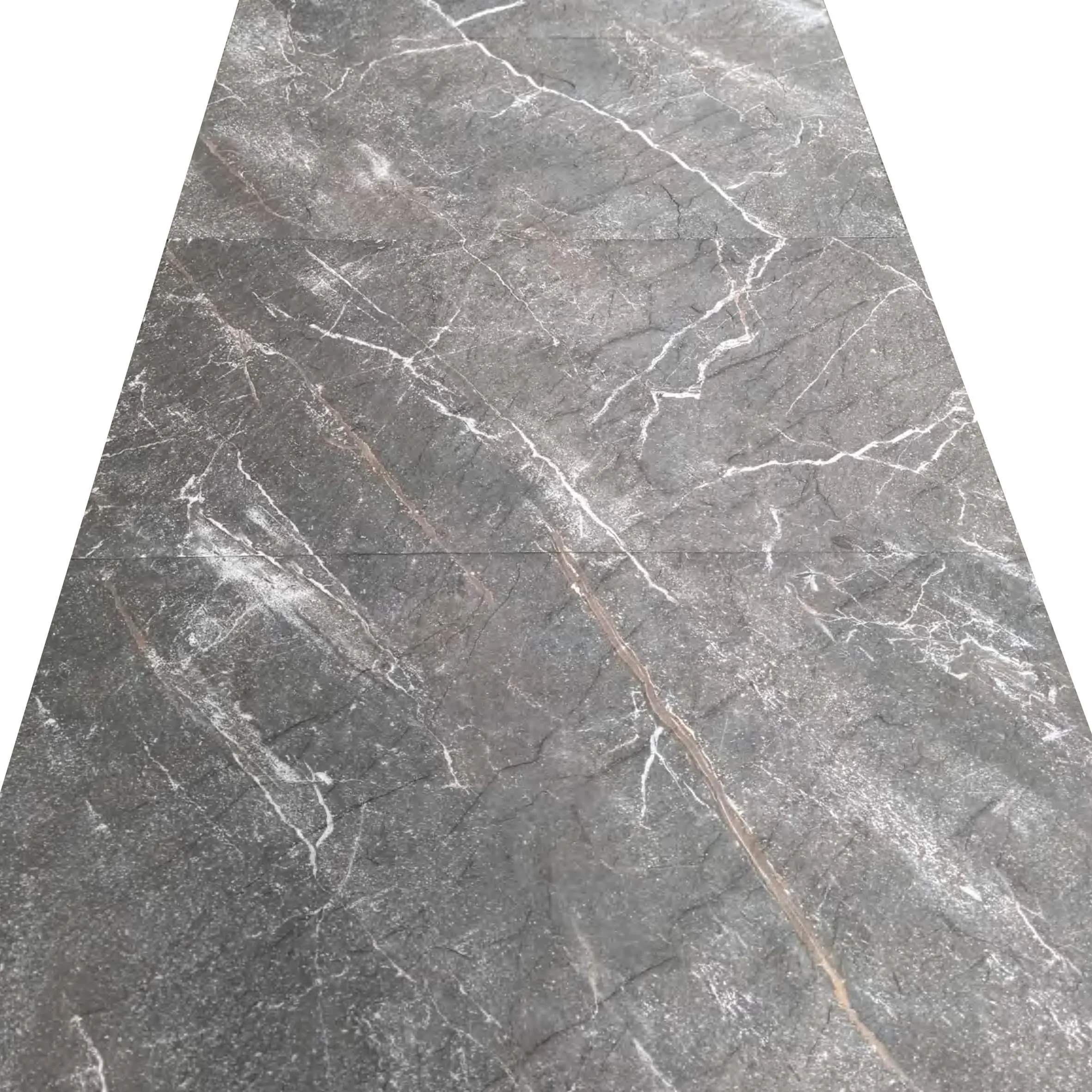
At the core of COLORIA's lineup is mcm flexible stone —a material that sounds almost too good to be true until you see it up close. Imagine (oops, scratch that— think about ) holding a panel that looks and feels like it was chiseled from a mountainside, but weighs so little you could carry it with one hand. That's the magic of MCM: a blend of natural minerals, recycled polymers, and advanced bonding technology that creates a material as durable as it is flexible. Unlike traditional stone slabs, which are heavy, brittle, and resource-intensive to extract, MCM flexible stone starts with recycled materials—think post-consumer plastics, industrial byproducts, and even reclaimed stone dust. This not only reduces waste but also cuts down on the energy needed to mine and transport raw materials. The result? A product that bends without breaking, resists scratches and moisture, and can be installed in ways traditional stone never could—all while slashing carbon emissions by up to 40% compared to conventional cladding.
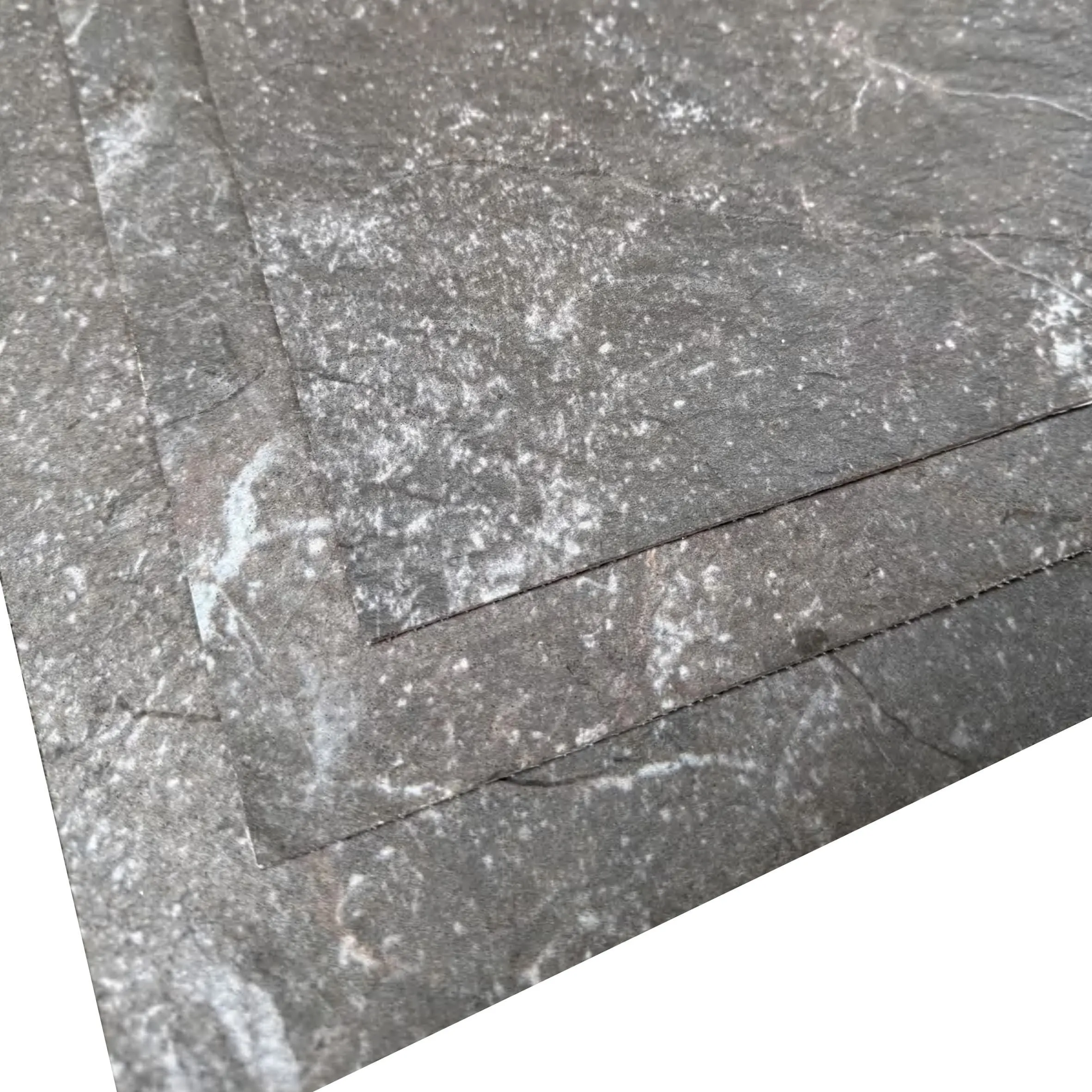
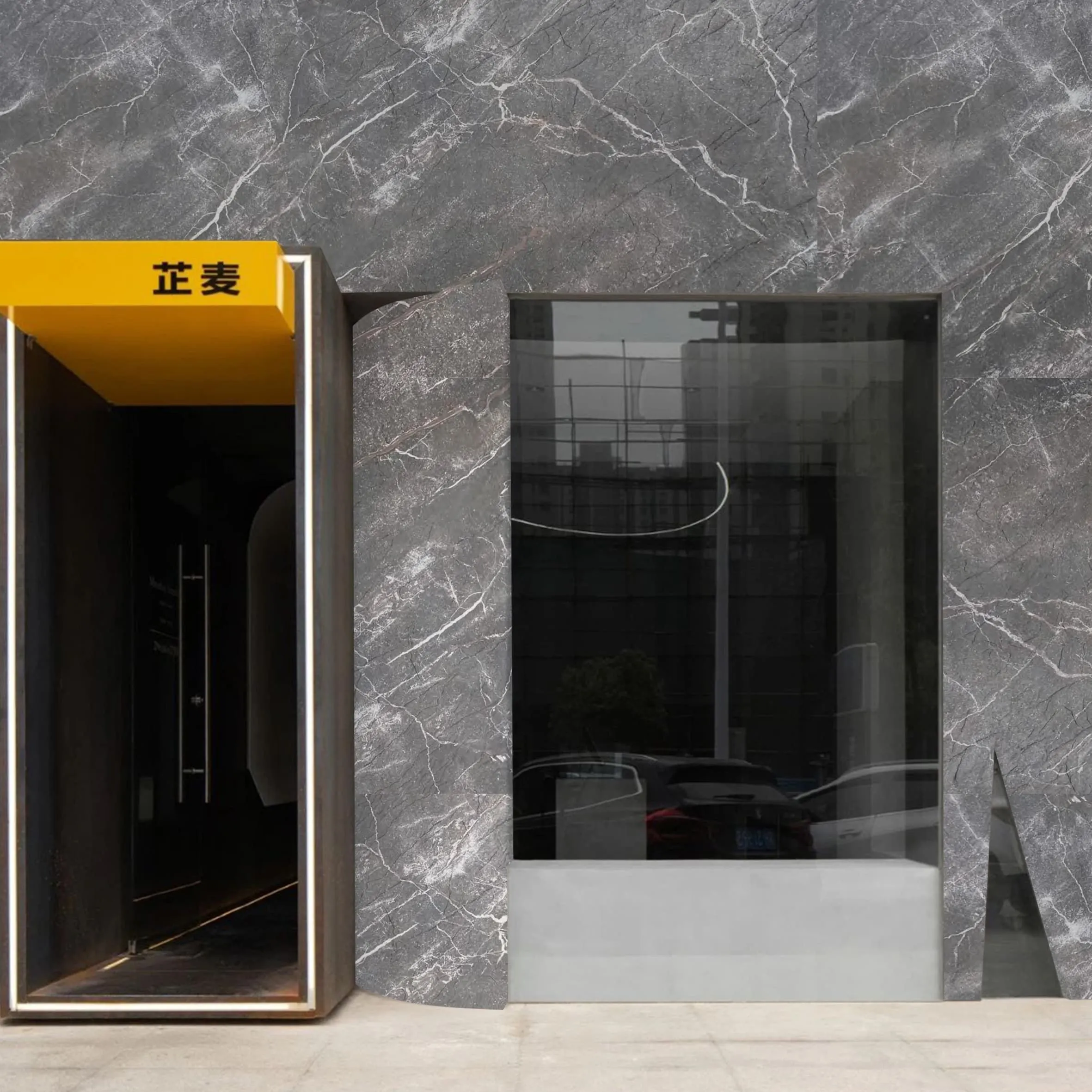
If there's one material that embodies COLORIA's mission, it's the Slate Portoro Look. Named for the iconic Portoro marble (famous for its deep black background and golden veins), this MCM flexible stone variant takes the drama of natural slate and reimagines it for the eco-conscious era. Run your hand over it, and you'll feel the subtle, uneven texture of real slate—cool to the touch, with tiny ridges that catch the light and create depth. But unlike natural slate, which requires heavy machinery to quarry and often results in significant waste (up to 30% of a slab can go unused in traditional cutting), Slate Portoro Look is crafted with precision. Its manufacturing process minimizes waste, and any scraps are recycled back into the production cycle, creating a closed-loop system that honors the planet.
But sustainability isn't just about materials—it's about performance, too. Slate Portoro Look is designed to stand up to the elements: rain, wind, UV rays, even the occasional coffee spill. It won't fade in the sun, crack in freezing temperatures, or harbor mold, which means buildings clad in it need less maintenance over time. Less maintenance equals fewer resources spent on repairs, fewer chemicals used in cleaning, and a longer lifespan for the material itself. For architects and builders, that's a win-win: a product that looks timeless but performs better than natural stone, all while helping projects meet strict green building standards like LEED, BREEAM, or WELL.
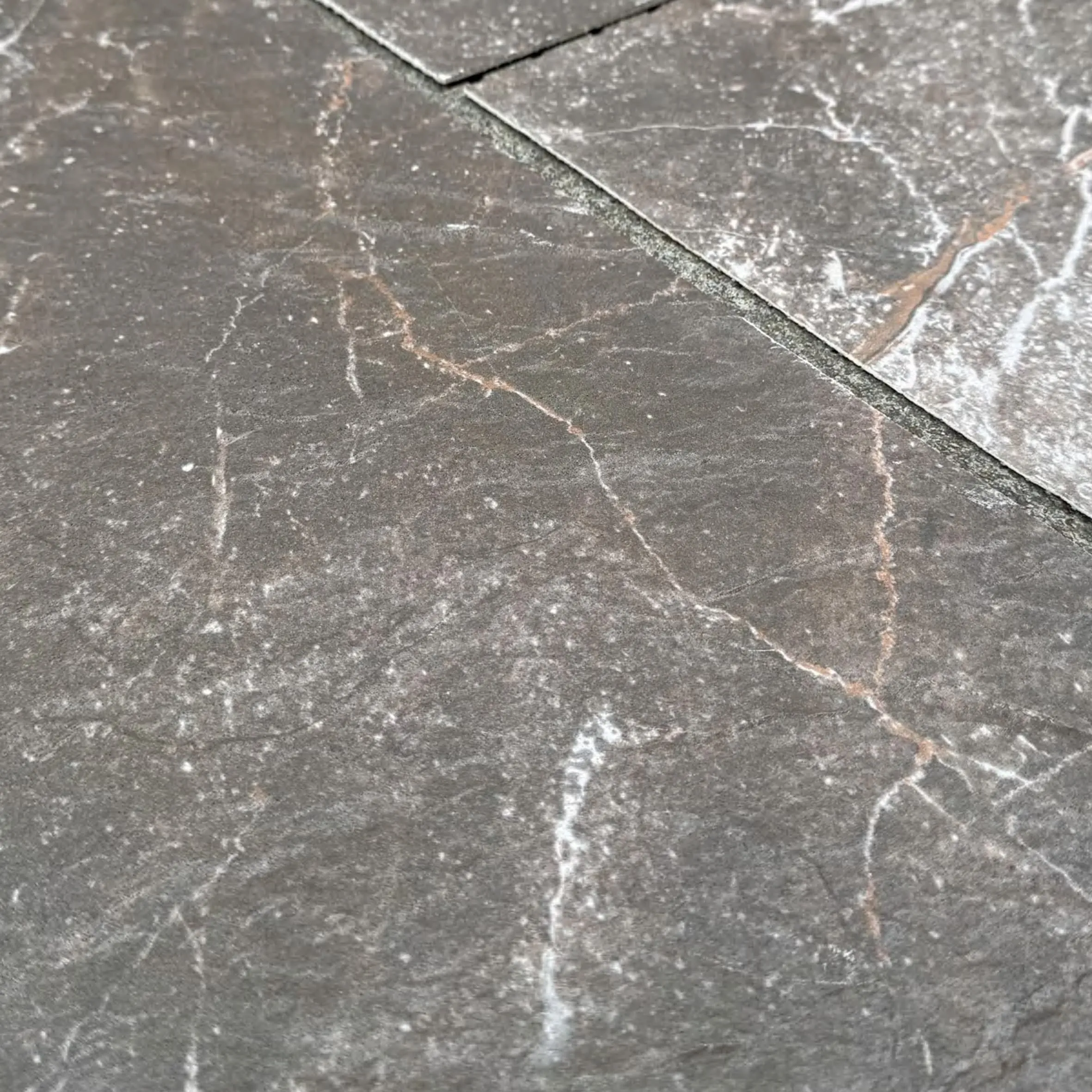
Slate Portoro Look is just the beginning. COLORIA's range of eco-certified materials reads like a love letter to both nature and innovation, each product designed to solve a specific problem while keeping sustainability front and center. Take fair-faced concrete , for example. Traditional concrete has a reputation for being harsh and industrial, but COLORIA's version softens that edge. It's made with a blend of recycled aggregates and low-carbon cement, reducing its embodied carbon by 25% compared to standard concrete. The result? A material with a warm, matte finish that feels organic, like it's been shaped by time rather than machines. It's perfect for spaces where you want the raw, honest beauty of concrete without the environmental guilt—think cozy cafes, minimalist offices, or even residential living rooms.
Then there's wood grain board , a favorite among designers who crave the warmth of wood but can't justify the environmental cost of logging old-growth forests. COLORIA's wood grain board mimics the look of everything from weathered oak to smooth maple, with grains so realistic you'll find yourself running your fingers over it to check if it's real. But here's the secret: it's made from recycled wood fibers and a plant-based resin, so no trees are cut down to create it. It's also water-resistant, termite-proof, and fire-retardant, making it ideal for kitchens, bathrooms, or outdoor patios—places where real wood would warp or decay. For homeowners, that means the charm of wood without the worry of maintenance; for the planet, it means preserving forests for future generations.
And let's not forget foamed aluminium alloy board (vintage silver) , a material that adds a touch of modern elegance with a retro twist. Aluminium is already one of the most recyclable metals on the planet (95% of it can be recycled repeatedly without losing quality), but COLORIA takes it a step further. Their foamed aluminium boards are made with recycled aluminium scrap, and the foaming process reduces the material's weight by up to 70% compared to solid aluminium, making transportation easier and lowering emissions. The vintage silver finish has a soft, brushed look that pairs beautifully with other materials—imagine it alongside Slate Portoro Look in a lobby, or combined with wood grain board in a restaurant. It's durable, lightweight, and 100% recyclable at the end of its life, proving that luxury and sustainability can coexist.
| Material | Sustainability Features | Durability | Best For |
|---|---|---|---|
| Slate Portoro Look (MCM Flexible Stone) | Recycled materials, closed-loop manufacturing, 40% lower carbon emissions | UV-resistant, mold-proof, fade-resistant (50+ year lifespan) | Exterior cladding, feature walls, countertops |
| Fair-Faced Concrete | Recycled aggregates, low-carbon cement (25% lower embodied carbon) | Crack-resistant, weatherproof, minimal maintenance | Interior walls, outdoor patios, commercial spaces |
| Wood Grain Board | Recycled wood fibers, plant-based resin, zero deforestation | Water-resistant, termite-proof, scratch-resistant | Kitchen cabinets, accent walls, outdoor furniture |
| Foamed Aluminium Alloy Board (Vintage Silver) | 100% recycled aluminium, 70% lighter than solid aluminium (lower transport emissions) | Rust-proof, fire-retardant, recyclable at end of life | Facade panels, ceiling accents, decorative screens |
You might be wondering: Why does it matter if a building material is "eco-certified"? Isn't it just a marketing term? The truth is, buildings are responsible for nearly 40% of global carbon emissions, and a big chunk of that comes from the materials used to construct them. Green building standards like LEED (Leadership in Energy and Environmental Design) or BREEAM (Building Research Establishment Environmental Assessment Method) exist to change that. They reward projects that prioritize sustainability, from energy efficiency to material selection, and in doing so, they're reshaping the future of construction.
COLORIA's materials aren't just "greenwashed"—they're third-party certified, meaning independent organizations have verified their sustainability claims. For example, their MCM flexible stone carries the EPD (Environmental Product Declaration) label, which provides transparent data on its environmental impact, from raw material extraction to disposal. Their fair-faced concrete meets the stringent requirements of the GreenGuard certification, ensuring it emits low levels of volatile organic compounds (VOCs), which is crucial for indoor air quality. And their foamed aluminium alloy boards are approved by the Cradle to Cradle Products Innovation Institute, a testament to their circular design (they can be recycled infinitely without losing quality).
For builders and architects, this certification isn't just a badge—it's a tool. It helps them win projects, meet client demands for greener spaces, and contribute to a more sustainable built environment. For the rest of us? It means the spaces we live, work, and play in are healthier. Lower VOC emissions mean cleaner air to breathe. Durable materials mean buildings that last longer, reducing the need for demolition and reconstruction. And recycled content means fewer natural resources are extracted from the earth, leaving more forests standing, more rivers flowing, and more habitats intact.
At the end of the day, building materials are about more than just function. They're about how we experience the world. A wall clad in Slate Portoro Look doesn't just keep the rain out—it makes us feel grounded, connected to something timeless. A countertop made of wood grain board doesn't just hold our dishes—it wraps us in warmth, like a hug from a favorite room. And when those materials are also kind to the planet? That's when design becomes something even more powerful: a force for good.
COLORIA MCM gets that. They understand that sustainability isn't a trend—it's a responsibility. And they've proven that you don't have to choose between beauty and the planet. With materials like Slate Portoro Look, fair-faced concrete, and wood grain board, they're building a future where every wall, every floor, every surface tells a story of innovation, respect, and care. A future where the buildings we love don't just stand tall—they stand gently, too.
So the next time you walk into a building and feel that quiet sense of belonging, take a closer look. Maybe it's the texture of the wall, the color of the countertop, or the way the light plays on the surface. Chances are, it's a material that's working hard—for you, and for the earth. And that, more than any certification, is the true mark of a green building material: it doesn't just meet standards. It touches lives.
Recommend Products












