

In a world where buildings are finally starting to "breathe" again—trading stark glass boxes for materials that echo nature—there's one name architects and designers keep coming back to: Bali Stone. But this isn't just another pretty face in the cladding world. Paired with COLORIA GROUP's innovative MCM technology, it's redefining what eco-friendly building materials can do. Let's dive into why this green-certified wall cladding is becoming the secret weapon for sustainable, stunning spaces.
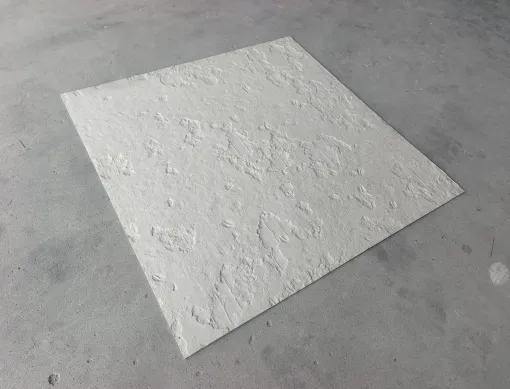
First off, forget everything you think you know about "stone cladding." Bali Stone isn't some generic, mass-produced tile. Run your hand over it, and you'll feel the texture of weathered Balinese cliffs—soft yet sturdy, with warm beige and taupe undertones that shift with the light. It's the kind of material that makes a lobby feel like a tropical retreat, or a home exterior blend into a mountain landscape instead of sticking out like a sore thumb.
Here's where COLORIA GROUP's decades of experience shine. Bali Stone is part of their MCM Flexible Stone lineup—a game-changer in the industry. Traditional stone cladding? Heavy, brittle, and a nightmare to install on curved surfaces. MCM changes the game with a modified cementitious base that's lightweight (we're talking half the weight of natural stone) but just as tough. Imagine wrapping a curved wall in stone without cracking it—now you can.
And let's talk flexibility. Ever tried installing rigid stone on a bumpy exterior wall? You'd end up with gaps, uneven edges, and a frustrated crew. Bali Stone bends—not like rubber, but enough to hug walls, columns, even archways. One contractor in Dubai joked, "It's like working with stone that's taken a yoga class."
But Bali Stone isn't alone in this eco-friendly squad. Pair it with MCM Big Slab Board Series , and suddenly you're looking at walls with minimal seams. These large-format panels (up to 1200x2400mm) mean fewer grout lines, a cleaner aesthetic, and less waste during installation. It's the modern designer's dream—no more "tile checkerboard" walls, just smooth, sweeping stone surfaces that make a statement without screaming for attention.
Let's get real—"eco-friendly" gets thrown around so much it's almost meaningless. But Bali Stone? It's got the certifications to back it up. COLORIA GROUP's MCM materials are LEED v4 compliant, meaning they contribute points toward green building certifications. Here's how:
Don't let the "Bali" name fool you—this stone plays well everywhere. Let's look at some real-world wins:
A boutique hotel in Bali (fitting, right?) used Bali Stone on its lobby walls, pairing it with local teak wood and woven rattan. The result? A space that feels like an extension of the surrounding rice terraces. Guests rave about how "grounded" the space feels—no surprise, since the stone's natural texture triggers that "being in nature" calm we all crave.
In downtown Seoul, a high-rise apartment complex swapped its cold concrete facade for Bali Stone and fair-faced concrete panels. The contrast of rough stone and smooth concrete creates depth, while the stone's warm tones make the building feel welcoming, not intimidating. "Tenants say they notice the difference in their mood," reports the developer. "Less stress, more 'I'm home.'"
A coffee chain in Berlin wanted a "rustic yet modern" vibe for its flagship store. They went with Bali Stone accent walls and Starry Green Travertine countertops. Now, customers post photos of the "stone wall with hidden stars" all over Instagram. Talk about free marketing—all from a material choice.
Still on the fence? Let's break it down with a quick comparison. We'll pit Bali Stone against two common alternatives: natural marble and standard ceramic tile.
| Factor | Bali Stone (MCM Flexible) | Natural Marble | Standard Ceramic Tile |
|---|---|---|---|
| Weight (per sqm) | 12-15kg | 25-30kg | 18-20kg |
| Installation Time | 30% faster (flexible, lightweight) | Slow (heavy, brittle) | Moderate (rigid, more cuts needed) |
| Eco Impact | LEED certified, recycled materials | High carbon footprint (quarrying, transport) | High firing energy, limited recyclability |
| Design Flexibility | Curves, arches, uneven surfaces | Only flat/simple surfaces | Flat surfaces only |
| Longevity | 50+ years (weather/UV resistant) | 20-30 years (prone to staining, chipping) | 15-20 years (fades, cracks over time) |
See the pattern? Bali Stone isn't just "greener"—it's smarter. Lighter weight means lower structural costs. Faster installation saves labor. And that 50-year lifespan? That's a lifetime of avoiding replacement costs and landfill waste.
Here's the thing about sustainable building materials: they shouldn't make you choose between "good for the planet" and "good-looking." Bali Stone proves you can have both. It's why COLORIA GROUP's MCM series—from Flexible Stone to Big Slab—is becoming a go-to for architects who refuse to settle.
Whether you're designing a beach house that needs to withstand saltwater, a corporate HQ aiming for LEED Platinum, or a home that just feels more alive, Bali Stone checks every box. It's not just cladding—it's a material with a conscience, and a texture that tells a story.
So next time you walk into a space that feels both luxurious and grounded, take a closer look at the walls. Chances are, you're looking at the future of building—one eco-conscious stone panel at a time.
Recommend Products












