
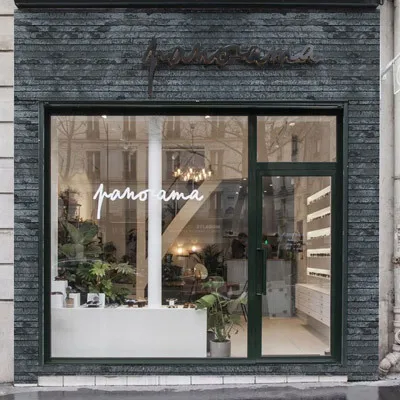
In an era where every decision carries the weight of legacy—for our planet and the spaces we build—construction is no longer just about bricks and mortar. It's about crafting stories that honor both human creativity and environmental responsibility. Today, architects, builders, and homeowners alike are on a quest for materials that don't just exist but contribute —materials that blend durability with soul, and innovation with sustainability. Enter COLORIA GROUP, a name synonymous with reimagining building materials for a greener future. At the heart of their vision lies a standout series: Muretto Stone . More than a cladding option, Muretto Stone is a testament to how construction can evolve—without leaving the planet behind.
Walk into any modern architectural studio, and you'll hear the same refrain: "We need materials that tell a story." Gone are the days when buildings were judged solely by their height or grandeur. Today, it's about the feel of a space—the way light dances on a wall, the texture under your fingertips, the knowledge that what you're touching didn't come at the cost of a quarry or a forest. Traditional materials, while beautiful, often carry hidden environmental tolls: marble quarries that scar landscapes, concrete production that belches carbon, stone transportation that guzzles fuel. For forward-thinking creators, this isn't just a problem—it's an opportunity to redefine "luxury" as something that includes the planet.
COLORIA GROUP stepped into this gap not with a single product, but a philosophy: materials should adapt to people, not the other way around . Their lineup reads like a love letter to both nature and innovation—from the weathered charm of fair-faced concrete to the timeless elegance of epoch stone and century stone . But if there's one star in their collection that embodies this ethos, it's Muretto Stone.
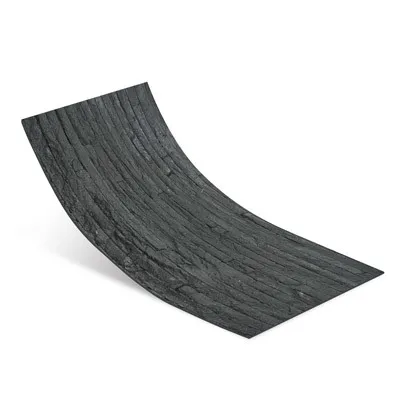
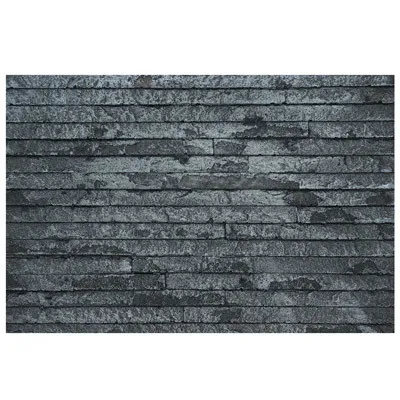
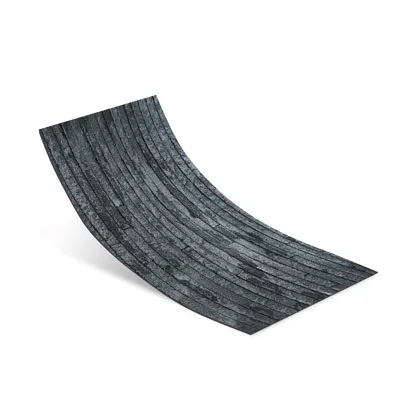
Let's start with the basics: What is Muretto Stone? At its core, it's a triumph of engineering and eco-conscious design—a modified composite material (think: the strength of stone, the flexibility of modern composites) crafted to mimic the raw beauty of natural stone without the environmental footprint. Available in light grey , dark grey , and beige , Muretto Stone isn't just about color; it's about versatility. Whether you're designing a minimalist urban loft or a rustic countryside villa, there's a shade that feels like it was plucked from the earth and polished with care.
But what truly sets Muretto Stone apart is its backstory. Unlike traditional stone, which requires heavy quarrying and transportation, Muretto Stone is manufactured using a low-energy process that incorporates recycled aggregates—reducing waste and cutting carbon emissions by up to 40% compared to quarried stone. It's lightweight, too—about 30% lighter than natural stone—meaning easier transportation, lower structural load on buildings, and fewer trucks on the road. For builders, that translates to faster installation and lower labor costs. For the planet? Less strain, one panel at a time.
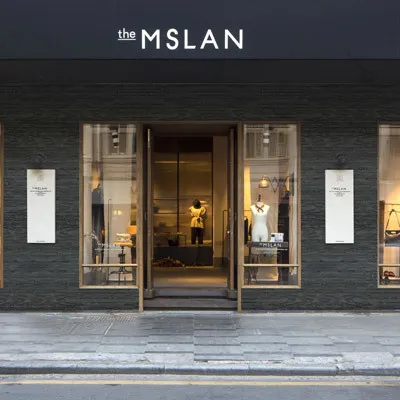
Sustainability is great, but a material needs to perform. Muretto Stone doesn't just check the "eco-friendly" box—it aces the durability test, too. Imagine a facade that withstands harsh rain, scorching sun, and freezing winters without fading or cracking. That's Muretto Stone. Its composite structure resists moisture, mold, and UV damage, meaning buildings clad in it age gracefully—no peeling, no discoloration, no need for frequent repairs. And unlike natural stone, which often requires sealing to prevent staining, Muretto Stone is virtually maintenance-free. A quick hose-down now and then? That's all it takes to keep it looking fresh.
Architects love it for another reason: consistency. Natural stone is beautiful, but its variability can be a headache. One slab might have a vein that clashes with the next, or a texture that's too rough for a client's vision. Muretto Stone, by contrast, offers uniform texture and color across every panel. It's like having a natural stone's soul with a modern material's reliability. "Finally," one architect joked, "I can promise a client exactly what they'll get—and deliver it."
| Feature | Muretto Stone | Traditional Natural Stone | Standard Concrete Cladding |
|---|---|---|---|
| Carbon Footprint | 40% lower than quarried stone | High (quarrying + transportation) | Moderate (high cement usage) |
| Weight (per sqm) | 12-15 kg (lightweight) | 25-30 kg (heavy, requires structural support) | 20-22 kg (bulky) |
| Durability | Resists fading, moisture, and impact (50+ year lifespan) | Prone to cracking/weathering over time | Prone to chipping; stains easily |
| Aesthetic Options | Light grey, dark grey, beige (uniform texture) | Varied, but inconsistent | Limited (mostly plain, industrial look) |
| Maintenance | Low (occasional cleaning) | High (sealing, repairs for cracks) | Moderate (stain removal, patching) |
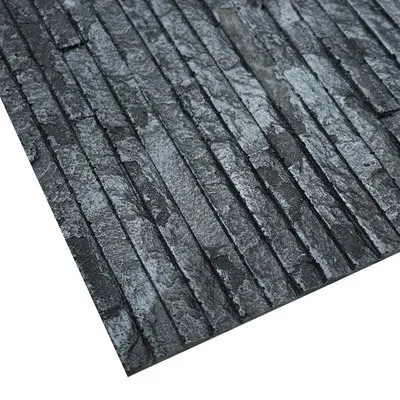
Muretto Stone doesn't shine alone—it plays well with others, too. Take fair-faced concrete , another COLORIA standout. With its raw, unpolished finish, fair-faced concrete adds an industrial edge that balances Muretto Stone's earthy warmth. Imagine a café with Muretto Stone (beige) walls and fair-faced concrete countertops: the result is a space that feels both grounded and modern, like a conversation between old and new.
For projects aiming for timelessness, COLORIA's epoch stone and century stone lines pair beautifully with Muretto Stone. Epoch Stone, with its subtle veining, evokes the quiet grandeur of ancient marble, while Century Stone mimics the weathered charm of reclaimed masonry. Together, they create facades that feel like they've been part of the landscape for decades—without the environmental cost of using actual reclaimed materials.
Let's bring this to life with a real-world example. In 2024, a community hub in Lisbon, Portugal, needed a material that could handle the city's mild but rainy winters, reflect the area's coastal vibe, and stay within a tight sustainability budget. The architects chose Muretto Stone (light grey) for the exterior, paired with fair-faced concrete accents and pops of COLORIA's travertine (starry blue) for the entranceway.
The result? A building that blends into the neighborhood's historic cobblestone streets while standing out for its modern, clean lines. "The light grey Muretto Stone catches the afternoon sun beautifully," says lead architect Maria Santos. "It's warm, not cold—something we struggled with when considering traditional concrete. And the best part? We cut our carbon footprint by 35% compared to using natural limestone. The community loves it—kids run their hands along the walls, seniors sit on the fair-faced concrete benches, and everyone comments on how 'alive' the building feels."
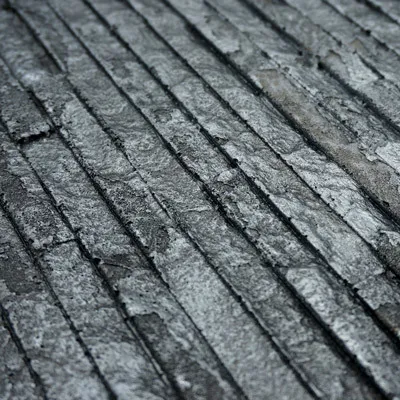
As cities grow and the demand for sustainable construction rises, materials like Muretto Stone aren't just trends—they're necessities. COLORIA GROUP isn't resting on its laurels, either. They're already experimenting with new Muretto Stone variants, including a gradient color option inspired by the earthy tones of rammed earth board and a textured finish that mimics the roughness of rock cut stone . The goal? To keep pushing the boundaries of what "sustainable" can look like—proving that eco-friendly materials don't have to compromise on beauty or performance.
At the end of the day, buildings are for people. They're where we live, work, learn, and connect. Muretto Stone understands that. It's not just a cladding material—it's a partner in creating spaces that nurture us, while nurturing the planet. So the next time you walk past a building that makes you pause and think, "That feels right," take a closer look. Chances are, it's built with materials that care—materials like Muretto Stone.
COLORIA GROUP doesn't just sell materials—they sell a vision. A vision where construction is a force for good, where every wall, floor, and facade is a choice to leave the planet better than we found it. Muretto Stone is more than a product in that vision; it's a promise. A promise that sustainability can be stunning, that innovation can be accessible, and that the buildings of tomorrow will be as kind to the earth as they are to the people who call them home.
So whether you're an architect designing your next masterpiece, a builder looking to reduce your environmental impact, or a homeowner dreaming of a space that's both beautiful and responsible, remember: the right material isn't just about what it is —it's about what it stands for . And Muretto Stone? It stands for a future where we build with intention.
Recommend Products












