
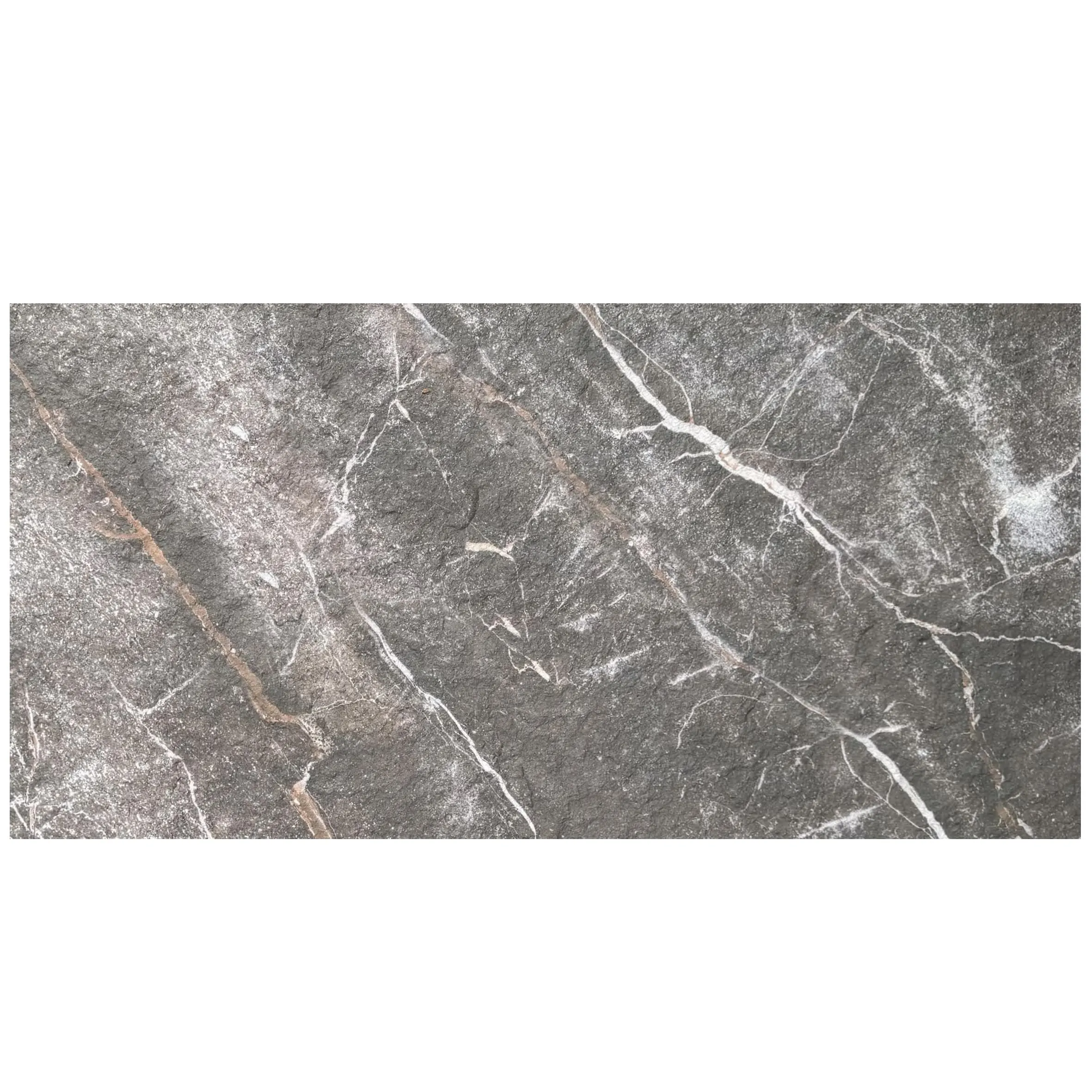
There's something almost magical about stepping into a space adorned with natural stone. The way light dances off Granite Portoro's inky surface, the gold veins snaking through like rivers of sunlight—for decades, it's been the gold standard of luxury in architecture and design. But here's the thing no one talks about as much: that "timeless elegance" often comes with a heavy price tag for our planet. Quarrying natural stone like Granite Portoro isn't just labor-intensive; it's a process that carves scars into landscapes, drains local water sources, and leaves behind mountains of waste. And when you factor in the carbon emissions from shipping these heavy slabs across oceans? Suddenly, that "luxury" feels a little less glamorous.
But what if we told you there's a way to capture that same awe-inspiring beauty without the environmental guilt? A material that lets architects, designers, and homeowners dream big—curved walls, bold facades, intricate details—while treading lightly on the Earth? Enter COLORIA's MCM (Modified Composite Material) solutions. These aren't your average "fake stone" imitations. They're engineered with precision, crafted with care, and designed to redefine what sustainable luxury looks like. Let's dive into why MCM is quickly becoming the go-to choice for the forward-thinking builders of today.
To understand why MCM matters, let's first unpack the challenges of traditional natural stone like Granite Portoro. For starters, mining it is a resource-heavy process. Quarries often require clearing large swaths of land, disrupting local ecosystems and displacing wildlife. The machinery used to extract and cut the stone guzzles fossil fuels, and the water needed to cool equipment and clean slabs? It's often siphoned from already stressed local water tables. Then there's the waste: for every usable slab of Granite Portoro, up to 70% of the quarried stone ends up as debris, left to pile up or dumped in landfills.
And let's not forget transportation. A single slab of Granite Portoro can weigh over 300 pounds. Shipping these from quarries in Italy or Brazil to construction sites in New York, Dubai, or Singapore adds thousands of miles to their carbon footprint. Once on-site, installation is no walk in the park either—heavy slabs require cranes, specialized labor, and often structural reinforcements to support their weight. For all its beauty, Granite Portoro is a material stuck in a bygone era of "take, make, waste."
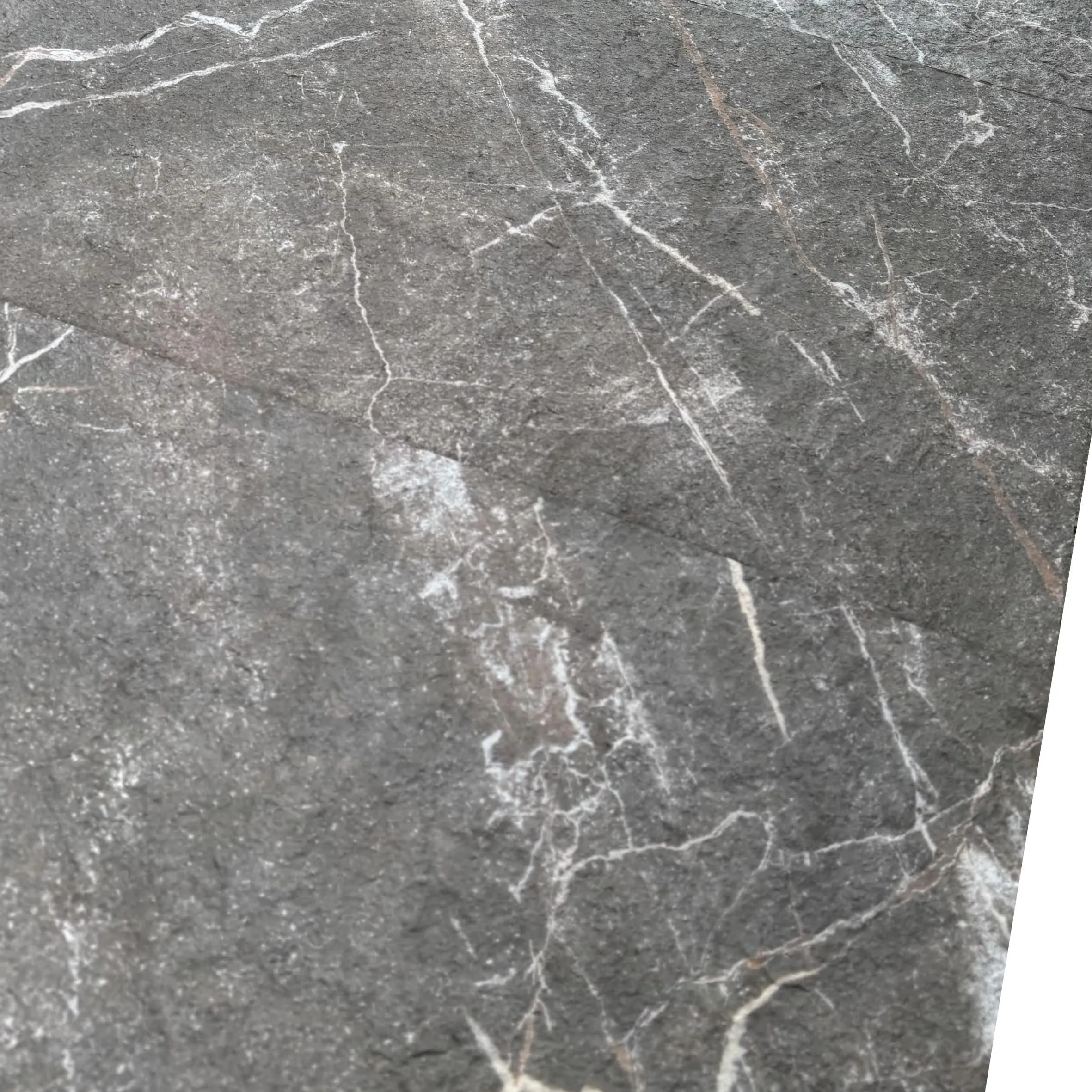
Modified Composite Material, or MCM, is where innovation meets responsibility. At its core, MCM is a blend of natural minerals, recycled polymers, and advanced binders, engineered to mimic the texture, color, and depth of natural stone—without the environmental toll. What makes it game-changing? It's lightweight (up to 70% lighter than natural stone), flexible (yes, you can bend it!), and infinitely customizable. And COLORIA? They've taken this technology and turned it into an art form.
COLORIA's MCM solutions aren't just "alternatives"—they're upgrades. Let's break down why they're quickly becoming the darlings of sustainable design:
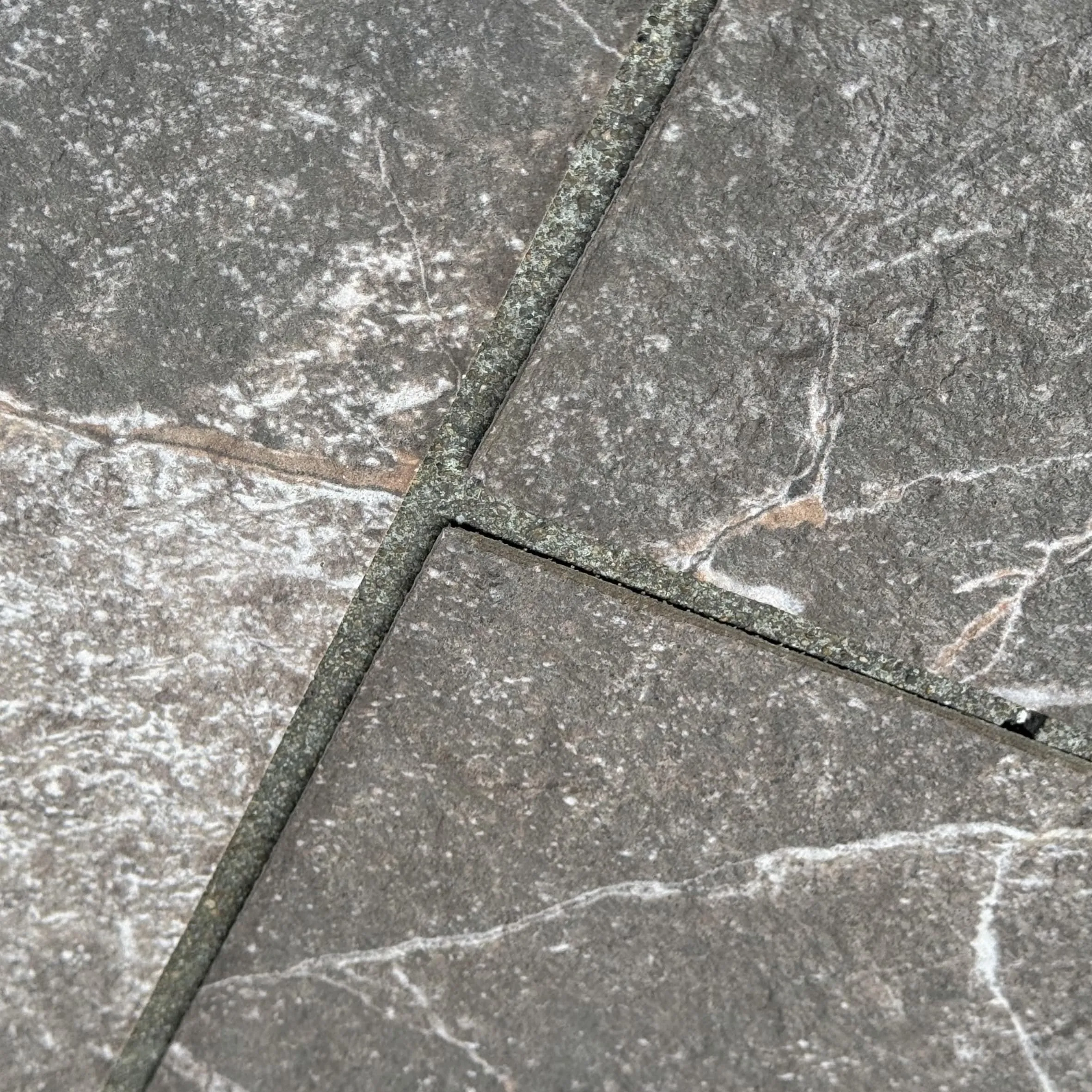
Now, let's get to the good stuff: the specific COLORIA products that are giving Granite Portoro a run for its money. These aren't just "sustainable"—they're stunners in their own right, with unique personalities that can elevate any space.
If there's one product that embodies COLORIA's mission, it's the mcm project board series . Think of it as the Swiss Army knife of building materials—versatile, reliable, and ready to tackle any project, big or small. Available in a range of textures and finishes, from sleek and modern to rustic and earthy, these boards are perfect for everything from feature walls in a boutique hotel to exterior cladding on a residential home.
What sets the project board series apart? Its consistency. Unlike natural stone, which can vary wildly in color and pattern (a headache for designers aiming for uniformity), each MCM project board is crafted to exact specifications. And because it's lightweight, installers can cut it on-site, reducing waste and speeding up construction timelines. Imagine a restaurant where the entire back wall is clad in the project board's slate portoro finish—deep, moody, and strikingly similar to Granite Portoro, but with a fraction of the environmental impact. It's luxury, without the legacy of harm.
Natural stone is rigid by nature—try bending a slab of Granite Portoro, and you'll end up with a pile of rubble. But mcm flexible stone ? It's a different story. This innovative material can be curved, folded, or wrapped around surfaces, opening up a world of design possibilities that were once impossible with traditional stone.
Picture this: a museum lobby with a sweeping, curved wall that mimics the flow of a river. With MCM flexible stone, that vision becomes reality. The material adheres seamlessly to curved substrates, creating a smooth, continuous surface that feels organic and alive. And the best part? It comes in textures that rival natural stone—think the rough-hewn charm of lunar peak silvery or the subtle grain of wood grain board . It's the kind of material that makes architects giddy, because suddenly, their wildest ideas aren't limited by what stone can do.
For those who love the organic, earthy vibe of natural stone but want something with a twist, travertine (starry green) is a showstopper. Inspired by the celestial beauty of night skies, this finish features a deep, mossy green base dotted with tiny "stars"—metallic flecks that catch the light and shimmer like constellations. It's Granite Port 's dark drama meets the whimsy of a starry night, and it's 100% man-made (no mining required).
Starry Green Travertine isn't just pretty—it's practical. Use it as a backsplash in a kitchen to add a pop of color, or as exterior cladding on a beach house to complement the ocean views. It's resistant to fading, so that vibrant green will stay fresh for years, and its lightweight nature means you won't need to reinforce your walls to support it. It's nature-inspired, but better—because it doesn't cost the Earth to create.
If your style leans more "raw and refined" than "opulent and ornate," fair-faced concrete is the answer. COLORIA's take on this classic material is anything but basic. With a smooth, matte finish that highlights the subtle variations in texture (think tiny air bubbles, soft gray undertones), it's the epitome of modern minimalism. And unlike traditional concrete, which is carbon-intensive to produce, COLORIA's fair-faced MCM concrete uses recycled aggregates and low-carbon binders, making it a greener choice for eco-conscious builders.
Pair it with warm wood accents for a cozy, Scandinavian-inspired home, or use it as a backdrop for bold art in a gallery space. It's versatile, timeless, and proof that sustainability can be sleek.
For spaces that demand a touch of otherworldly glamour, lunar peak silvery delivers. Imagine the surface of the moon—cratered, textured, and glowing with a soft, silvery sheen. That's exactly what this MCM finish brings to the table. It's bold, it's dramatic, and it's a far cry from the cold, sterile look of some "sustainable" materials.
Lunar Peak Silvery works beautifully in high-end settings, like a luxury hotel bar or a penthouse living room. Its metallic undertones catch the light, creating depth and movement, while its matte base keeps it from feeling too flashy. And because it's MCM, you can install it on curved surfaces—say, a circular bar front—without worrying about cracks or breakage. It's Granite Portoro's edgier, greener cousin, and we're here for it.
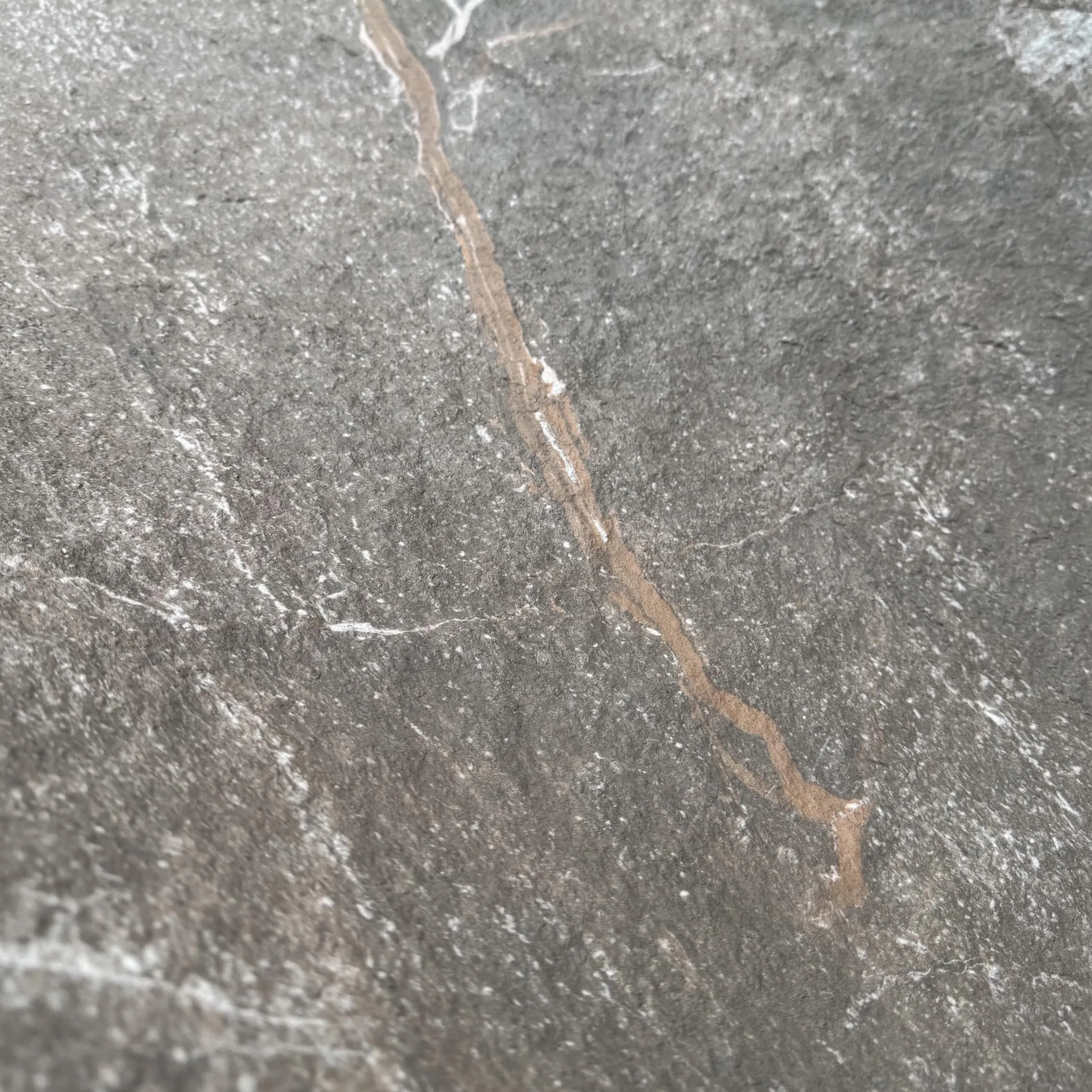
Still not convinced? Let's put it all on the table. Here's a side-by-side comparison of Granite Portoro and COLORIA's top eco-friendly alternatives to see how they measure up in key areas:
| Feature | Granite Portoro (Natural Stone) | COLORIA MCM Project Board Series | COLORIA MCM Flexible Stone | COLORIA Travertine (Starry Green) |
|---|---|---|---|---|
| Environmental Impact | High: Quarrying disrupts ecosystems; high carbon from mining/shipping; wasteful production. | Low: Uses recycled materials; minimal energy/water; no quarrying or waste. | Low: Same eco-friendly production as MCM project boards. | Low: Synthetic materials reduce reliance on natural stone mining. |
| Weight (per sq.m) | 25-30 kg (requires structural support) | 4-6 kg (lightweight, easy to install) | 3-5 kg (even lighter, ideal for curves) | 5-7 kg (manageable for most surfaces) |
| Durability | High, but prone to cracking if dropped; sensitive to acids. | High: Resistant to scratches, UV rays, and moisture; flexible (less cracking). | Very High: Bends without breaking; ideal for high-traffic areas. | High: Withstands weather and wear; colorfast over time. |
| Design Flexibility | Limited: Rigid, hard to cut; variations in slabs can cause inconsistency. | High: Customizable finishes; easy to cut/shape on-site. | Very High: Can be curved, folded, or wrapped around surfaces. | High: Consistent color/pattern; can be paired with other MCM textures. |
| Cost (Installed) | High: Expensive material + shipping + labor for heavy installation. | Moderate: Lower material cost + faster, cheaper installation. | Moderate: Slightly higher than project boards, but saves on labor for complex designs. | Moderate: Premium look at a fraction of natural stone's price. |
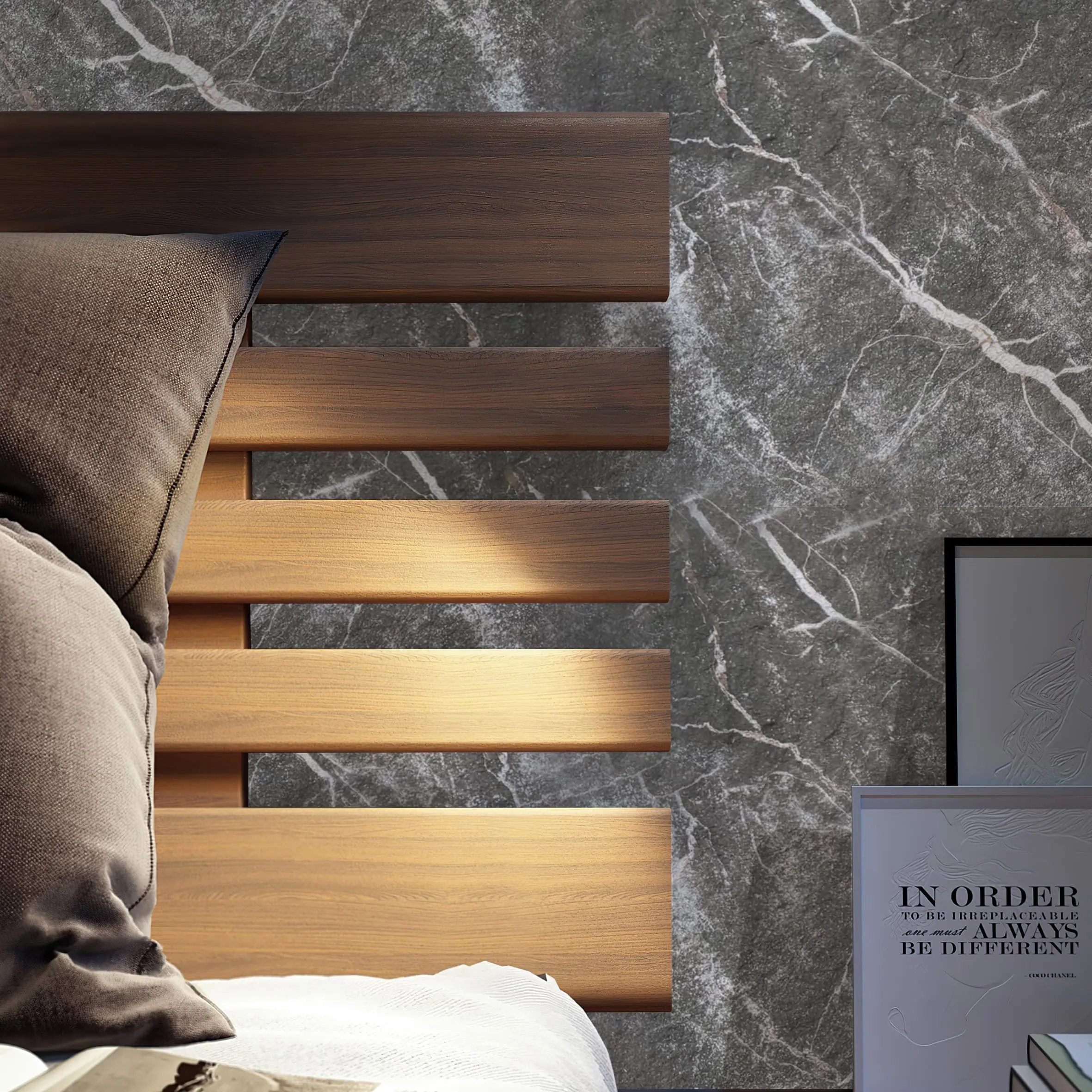
It's one thing to talk about sustainability on paper, but it's another to see it in action. Let's take a quick look at a project that swapped Granite Portoro for COLORIA's MCM solutions—and never looked back.
The Verde Hotel, Barcelona: A boutique hotel in the heart of Barcelona wanted to create a lobby that felt luxurious but aligned with their eco-friendly brand values. Originally, the design called for Granite Portoro cladding on the main feature wall—a decision that would have required importing 12 heavy slabs from Italy, with a carbon footprint equivalent to driving 10,000 miles. Instead, the team opted for COLORIA's travertine (starry green) and mcm flexible stone .
The result? A showstopping curved wall with a deep green, star-flecked finish that guests can't stop photographing. The installation took half the time of natural stone, saved the hotel 30% on material and labor costs, and reduced the project's carbon footprint by 75%. "We didn't just make a sustainable choice—we made a better choice," said the hotel's designer. "The starry green finish has more personality than Granite Portoro ever could, and our guests love knowing they're staying in a space that cares about the planet."
Granite Portoro will always have a place in design history—it's a classic for a reason. But as we become more aware of our impact on the planet, the definition of "luxury" is evolving. Today's homeowners and businesses don't just want beautiful spaces—they want spaces that reflect their values. They want to know that the materials used to build their dream home or office aren't contributing to deforestation, water scarcity, or climate change.
COLORIA's MCM solutions—from the versatile mcm project board series to the showstopping travertine (starry green) —are leading this charge. They prove that sustainability and beauty don't have to be enemies; in fact, they can be the best of friends. With MCM, we're not just building structures—we're building a future where design and the planet thrive together.
So the next time you're dreaming up a space, ask yourself: Do I want something that looks good, or something that does good? With COLORIA, you don't have to choose.
Recommend Products












