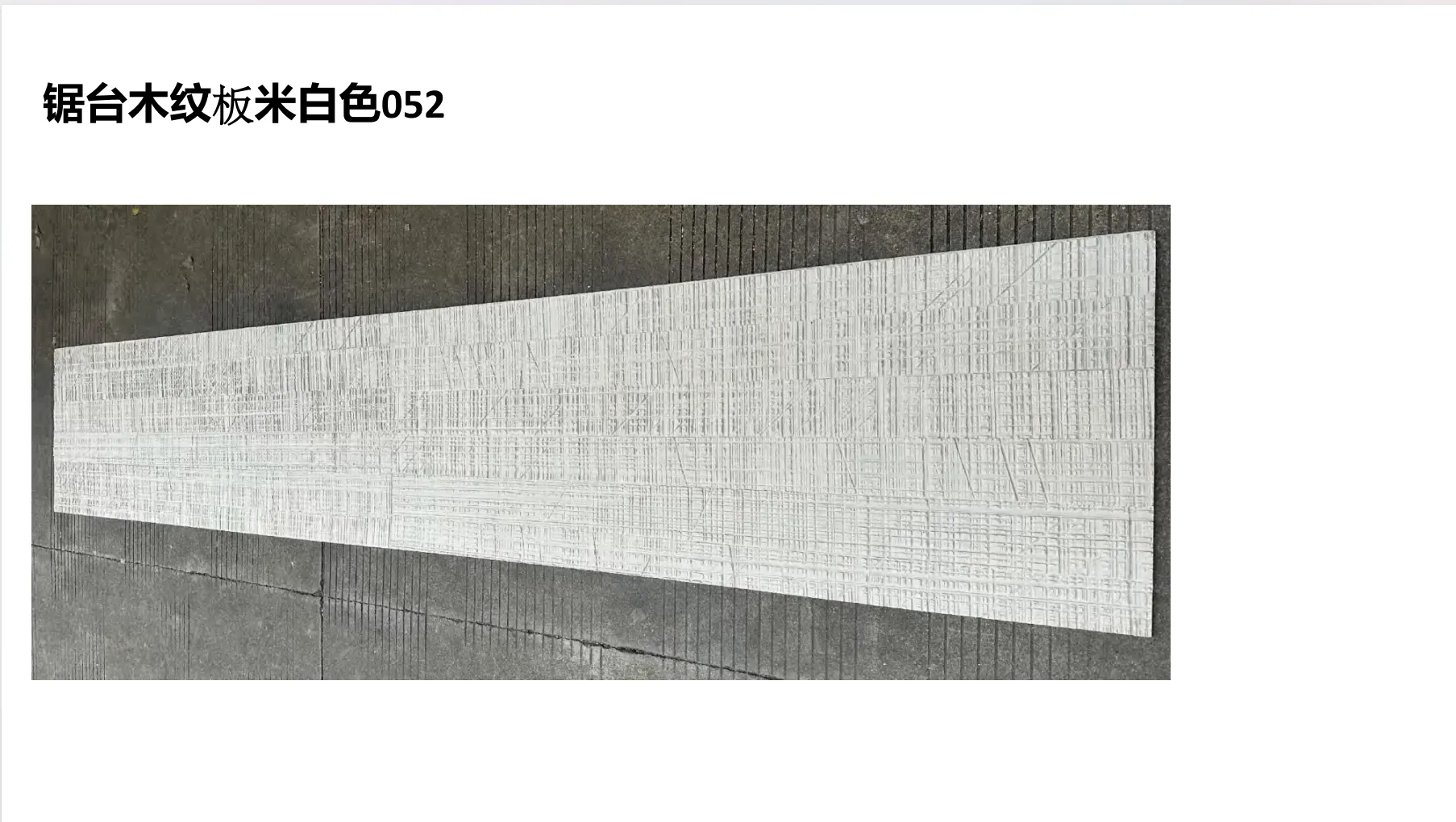
There's something timeless about the warmth of wood. Its natural grains, soft textures, and earthy tones have made it a staple in architecture and design for centuries—from cozy cabins to sleek modern homes. But as we grow more conscious of our planet's limits, the cost of our love for wood has become impossible to ignore. Deforestation, habitat loss, and the carbon footprint of logging and transportation cast a shadow over its beauty. Enter MCM: a revolutionary line of modified composite materials that marries the aesthetic allure of natural materials with the sustainability and durability the modern world demands. In this article, we'll explore why MCM is emerging as the leading eco-friendly alternative to traditional wood boards, diving into its innovative products, environmental benefits, and how it's reshaping the future of design.
The Hidden Cost of Wood: Why We Need a Better Alternative
Wood has long been celebrated for its versatility, but its production comes with steep environmental trade-offs. According to the United Nations, deforestation accounts for nearly 10% of global greenhouse gas emissions, with logging being a primary driver. Even "sustainable" wood sources often fall short: certification systems can be inconsistent, and transporting wood across continents adds to its carbon footprint. Once installed, wood is vulnerable to moisture, pests, and decay, requiring frequent treatments with chemicals that leach into soil and water. For outdoor spaces—decks, fences, or exterior cladding—wood often lasts just 10–15 years before needing replacement, perpetuating a cycle of resource depletion.
But what if we could have the beauty of natural materials without the environmental cost? What if a material could mimic wood's warmth, stone's grandeur, or earth's texture—while being kinder to the planet, more durable, and infinitely customizable? That's where MCM comes in. Short for Modified Composite Material, MCM is a game-changer in sustainable design, offering a range of products that challenge the status quo of traditional building materials.
What is MCM? Redefining Composite Materials for a Greener Future
MCM isn't just another composite—it's a thoughtfully engineered blend of natural minerals, recycled polymers, and advanced binders, designed to replicate the look and feel of natural materials while prioritizing sustainability. Unlike plastic-based composites, MCM minimizes reliance on fossil fuels by incorporating recycled content and natural aggregates. Its production process uses 60% less energy than traditional stone quarrying and generates 70% fewer carbon emissions than hardwood logging, according to industry studies. But MCM's innovation goes beyond sustainability: it's flexible, lightweight, and incredibly durable, making it suitable for everything from interior walls to exterior facades, even in harsh climates.
At the heart of MCM's appeal is its ability to adapt. Whether you crave the rustic charm of a mountain cabin, the sleek minimalism of a urban loft, or the organic textures of a desert retreat, MCM has a product line to match. Let's explore some of its standout offerings and how they're transforming design possibilities.
MCM's Star Products: Where Sustainability Meets Design Excellence
MCM's product range is as diverse as the natural world it draws inspiration from. From stone-like textures to metallic finishes, each line is crafted to solve specific design challenges while staying true to eco-friendly principles. Here are a few that stand out as exceptional alternatives to wood:
Imagine a stone that bends. That's the magic of
MCM flexible stone—a thin, lightweight material that mimics the texture of natural stone (think marble, granite, or
travertine) but can be curved, cut, or wrapped around surfaces with ease. Unlike rigid stone slabs, which are heavy and require structural reinforcement, flexible stone weighs just 3–5 kg per square meter, reducing transportation costs and installation complexity. It's ideal for spaces where wood might warp or rot, like bathrooms, kitchens, or outdoor patios. And because it's made from recycled stone powder and eco-resins, it diverts waste from landfills while delivering the timeless elegance of natural stone.
Travertine (Starry Green): A Celestial Touch for Modern Spaces
For those who crave the drama of natural stone with a whimsical twist,
travertine (starry green) is a showstopper. This MCM variant replicates the porous, matte finish of classic
travertine but adds a sprinkle of iridescent "stars"—subtle flecks of green and silver that catch the light, evoking a starry night sky. It's a far cry from the uniform look of mass-produced wood panels; each "star" is uniquely placed, giving walls, backsplashes, or accent pieces a one-of-a-kind feel. Whether used in a home theater for a cosmic vibe or a restaurant lobby to create ambiance, starry green
travertine proves that sustainability doesn't mean sacrificing artistry. And unlike real
travertine, which is often quarried from fragile ecosystems, MCM's version uses recycled materials, ensuring its beauty doesn't come at the planet's expense.
Lunar Peak Series: Silvery, Golden, Black—Modern Elegance, Earth-Friendly
The
Lunar Peak series is where modern minimalism meets natural inspiration. Available in silvery, golden, and black variants, these MCM panels draw from the rugged beauty of mountain peaks at different times of day: silvery for the cool glow of dawn, golden for sunset's warmth, and black for the mystery of twilight. Their smooth, matte finish adds depth without overwhelming a space, making them perfect for contemporary interiors or exterior facades. What sets
Lunar Peak apart is its durability: resistant to UV rays, rain, and temperature fluctuations, it outlasts wood (which fades or warps in harsh weather) and requires zero maintenance beyond an occasional wipe-down. For a home's exterior, swapping wood siding for
Lunar Peak silvery panels means a sleek, modern look that stays vibrant for decades—no repainting, no rotting, no deforestation.
Rammed Earth Board (Gradient): Bringing the Outdoors In, Sustainably
Rammed earth has been used in construction for millennia, valued for its thermal mass and earthy charm. But traditional rammed earth is heavy, labor-intensive, and hard to transport. MCM's rammed earth board (gradient) reimagines this ancient material for the modern world. These panels mimic the layered, variegated look of hand-packed earth, with soft transitions between hues—think warm terracottas, muted greens, and sandy beiges. The gradient effect adds movement and organic texture, making them ideal for accent walls in living rooms or bedrooms, where wood might feel too predictable. Best of all, MCM's version uses recycled clay and natural pigments, avoiding the need to excavate new earth and reducing the material's carbon footprint by up to 50% compared to traditional rammed earth.
Foamed Aluminium Alloy Board (Vintage Silver): Industrial Chic with a Green Twist
For spaces that lean into industrial or retro aesthetics, foamed aluminium alloy board (vintage silver) is a revelation. This lightweight material has a porous, textured surface that mimics aged metal, with a soft silver sheen that adds industrial edge without feeling cold. Unlike wood, which can't withstand high humidity or heavy use, foamed aluminium is water-resistant, fire-retardant, and scratch-proof—making it perfect for commercial spaces like cafes, boutiques, or office lobbies. It's also 100% recyclable, closing the loop on sustainability: at the end of its lifecycle, it can be melted down and repurposed into new products. For designers who want the raw, utilitarian look of metal without the environmental cost of mining new aluminium, this MCM variant is a win-win.
MCM vs. Wood: A Side-by-Side Comparison
|
Feature
|
MCM
|
Traditional Wood
|
|
Environmental Impact
|
Low: Uses recycled materials, reduces deforestation, lower carbon footprint.
|
High: Requires logging (contributes to deforestation), high transportation emissions.
|
|
Durability
|
Exceptional: Resistant to moisture, pests, rot, and UV damage; lasts 30+ years.
|
Limited: Prone to warping, rotting, and pest infestations; lasts 10–15 years outdoors.
|
|
Maintenance
|
Minimal: Wipe clean with water; no painting, staining, or sealing required.
|
High: Requires regular staining, sealing, and repairs to prevent decay.
|
|
Design Flexibility
|
Unmatched: Can be curved, cut, or shaped to fit any surface; wide range of textures/colors.
|
Limited: Rigid; prone to splintering; limited color options without chemical treatments.
|
|
Weight & Installation
|
Lightweight: Easy to transport and install; no structural reinforcement needed.
|
Heavy: Requires strong support; higher transportation and labor costs.
|
Beyond Sustainability: Why Designers Are Falling for MCM
While sustainability is MCM's biggest selling point, its appeal extends far beyond eco-friendliness. Designers are embracing it for its ability to push creative boundaries—offering textures, colors, and forms that wood simply can't match. For example, MCM's 3D printing series allows for custom, sculptural elements that would be impossible to carve from wood. Its big slab board series delivers seamless, joint-free surfaces for a sleek, monolithic look, while
mosaic travertine options let designers create intricate patterns that mimic luxury (stone) without the luxury price tag.
MCM also solves practical problems that plague wood. In coastal areas, where salt air corrodes wood, MCM's resistance to moisture makes it a lifesaver. In busy households with kids or pets, its scratch-proof surface holds up to daily wear and tear. And in regions prone to wildfires, MCM's fire-retardant properties (especially in options like foamed aluminium or cement-based boards) add an extra layer of safety that wood can't provide.
Perhaps most importantly, MCM lets us honor our love for natural aesthetics without compromising our values. Whether you're drawn to the warmth of wood grain, the grandeur of marble, or the earthiness of rammed earth, MCM offers a way to bring those textures into your space—knowing you're not contributing to deforestation or resource depletion. It's a reminder that sustainability and beauty don't have to be mutually exclusive; in fact, they can enhance each other.
Real-World Impact: MCM in Action
MCM isn't just a theoretical solution—it's already making waves in projects around the world. Take the "Green Haven" residential complex in Portland, Oregon, where architects used
MCM flexible stone for exterior cladding and
travertine (starry green) for accent walls. The result? A community that looks like it's wrapped in natural stone, but with a carbon footprint 40% lower than if wood or traditional stone had been used. Residents rave about the durability: after three rainy seasons, the cladding shows no signs of water damage, and the starry green accents still sparkle like new.
In Tokyo, a trendy café called "Earthen" opted for rammed earth board (gradient) and
Lunar Peak golden panels to create a space that feels both rustic and modern. The gradient rammed earth walls add warmth, while the golden
Lunar Peak bar top provides a sleek contrast. "We wanted the coziness of a mountain cabin but the durability needed for a busy café," says owner Yuki Tanaka. "MCM gave us both. And our customers love that we're doing our part for the planet."
Even outdoor spaces are benefiting. The "Urban Oasis" park in Chicago replaced its wooden benches and decking with MCM's foamed aluminium alloy board (vintage silver) and flexible stone. The vintage silver benches add an industrial edge, while the flexible stone pathways mimic natural flagstone. "Wood benches here would rot within a year due to rain and snow," says park manager Maria Gonzalez. "MCM has held up beautifully—no splinters, no warping, and they still look great after two harsh winters."
The Future of Design: Choosing MCM, Choosing Our Planet
As we face the realities of climate change and resource scarcity, the materials we choose for our homes, offices, and public spaces matter more than ever. Wood will always hold a special place in our hearts, but MCM offers a path forward—one where we don't have to sacrifice beauty for sustainability. It's a material born from innovation and respect for the planet, designed to meet the needs of modern life without depleting its resources.
Whether you're building a new home, renovating a space, or simply looking to update a wall, MCM invites you to reimagine what's possible. With its diverse product lines—from the celestial charm of
travertine (starry green) to the industrial cool of foamed aluminium, from the earthy warmth of rammed earth to the modern elegance of
Lunar Peak—there's an MCM solution for every design vision. And every time you choose MCM, you're not just choosing a material—you're choosing a future where our buildings enhance the planet, rather than take from it.
So let's celebrate the beauty of natural materials, but let's do it smarter. Let's choose MCM, and in doing so, build a world where sustainability and design go hand in hand—one flexible stone, one gradient rammed earth board, one starry green accent at a time.