
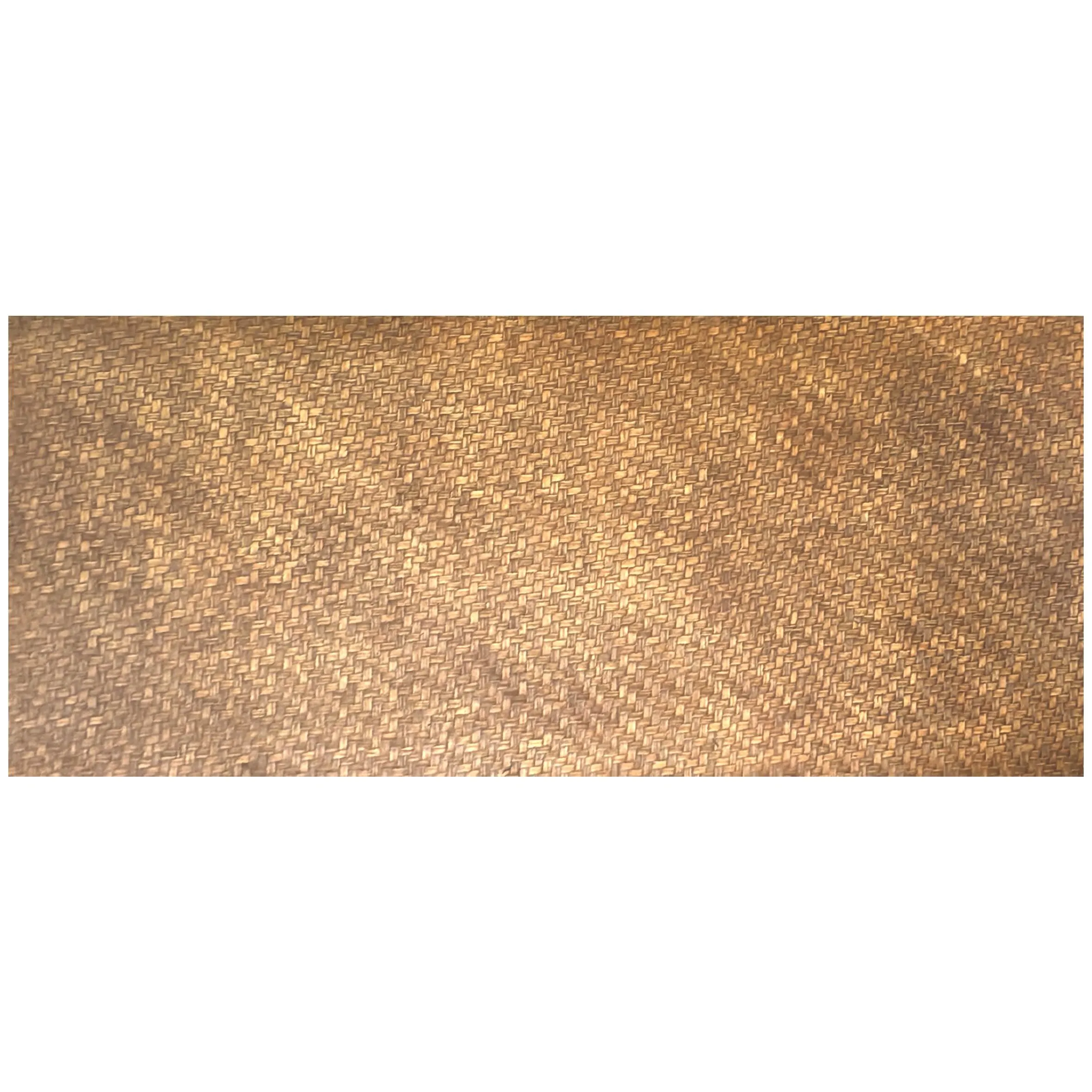
How a humble material is reshaping sustainable building practices—one project at a time
Walk down any city street, and you're surrounded by stories—of innovation, community, and human ambition. But beneath the concrete, steel, and stone lies a less visible narrative: the carbon footprint of construction. The buildings we live, work, and gather in account for nearly 40% of global carbon emissions, from manufacturing materials to transportation and installation. For decades, the industry has relied on resource-heavy materials like hardwood, fired brick, and traditional concrete, each leaving a trail of environmental impact in their wake. But as climate concerns shift from "distant threat" to daily reality, architects, builders, and homeowners alike are asking: What if our buildings could do more than just shelter us? What if they could heal the planet, too?
Enter bamboo mat board—a material that feels like a bridge between ancient wisdom and modern sustainability. Soft to the touch yet surprisingly tough, it's not just a trend; it's a quiet revolution in how we think about building. Let's dive into why this unassuming material is becoming a cornerstone of eco-friendly construction, and how it's helping reduce the carbon footprint of the spaces we call home.
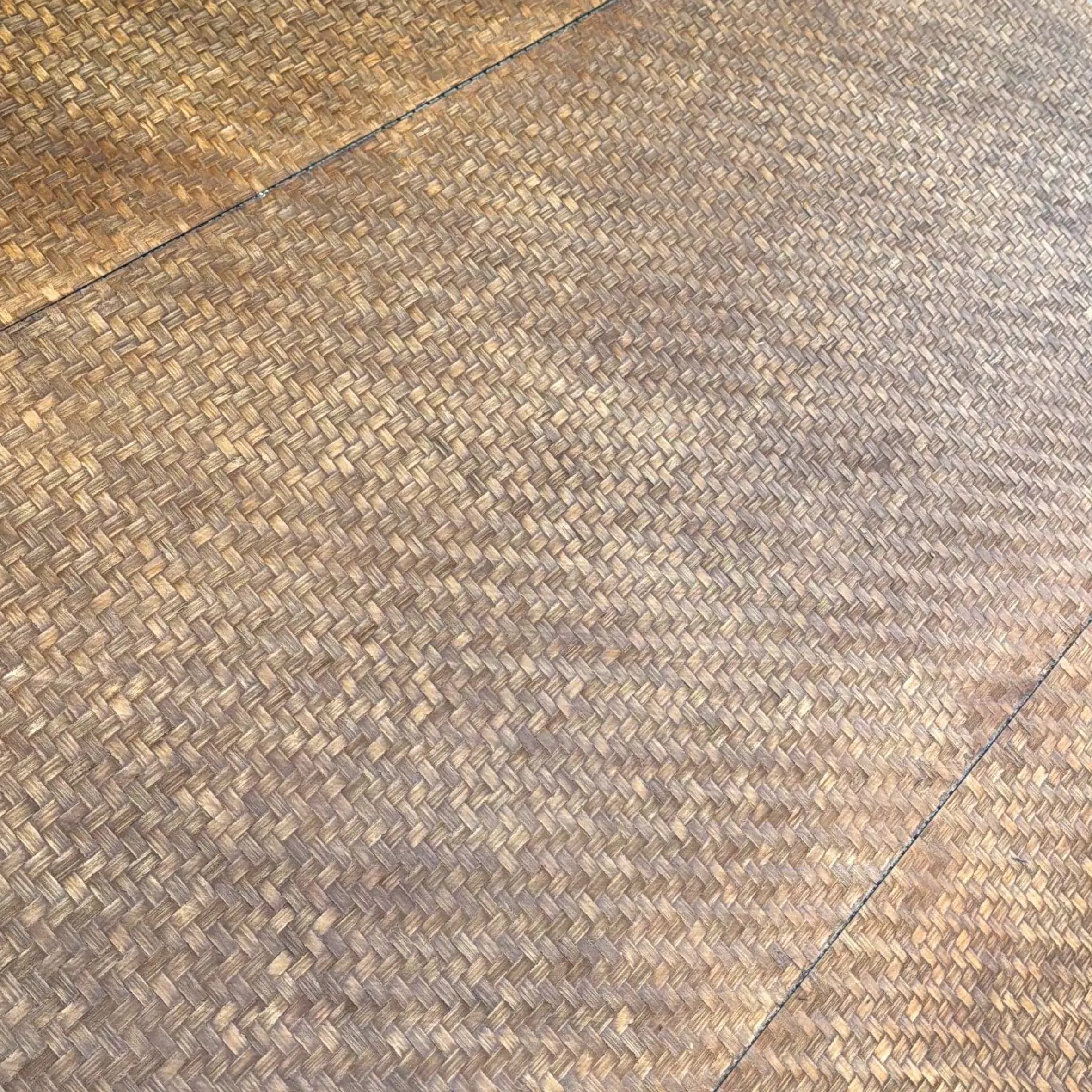
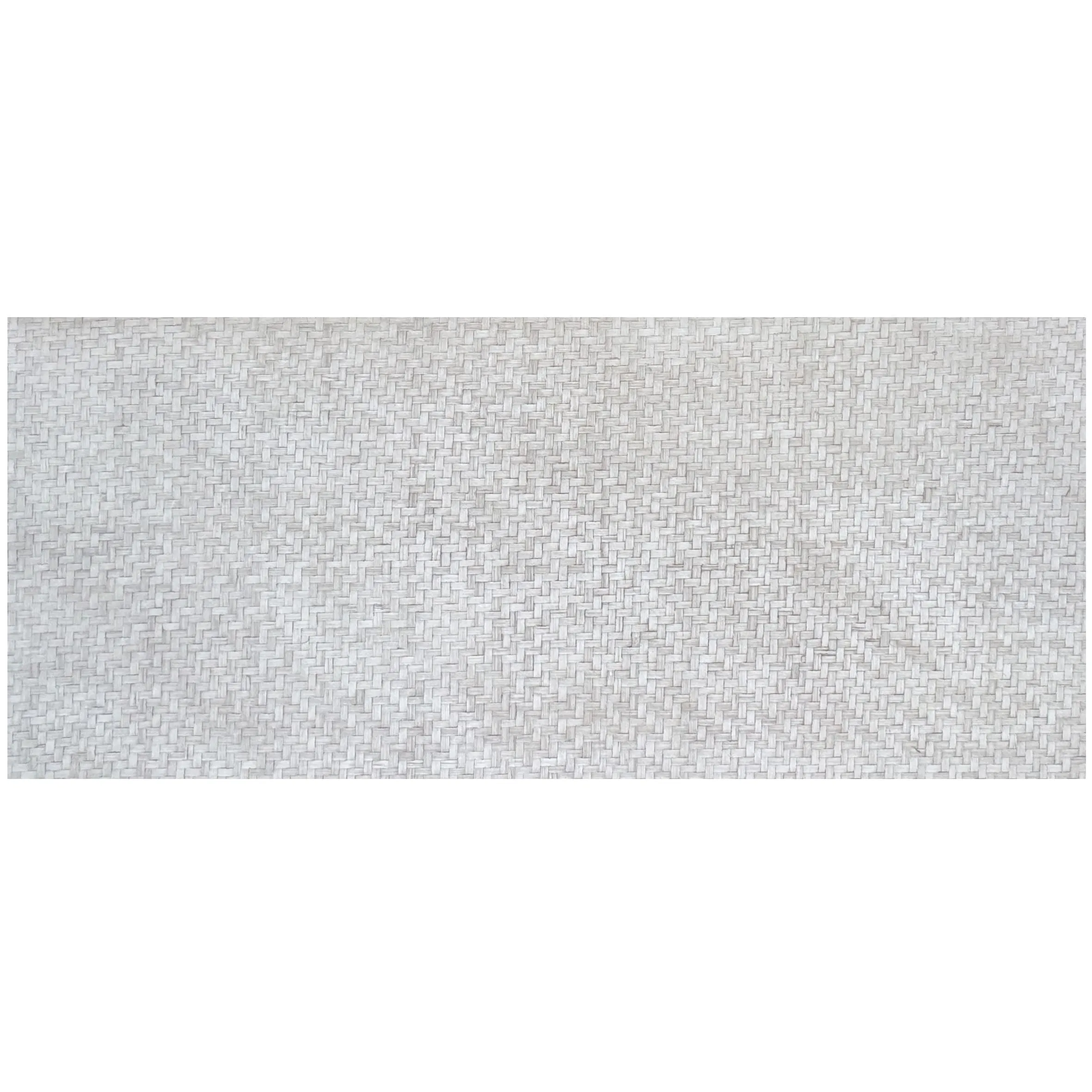
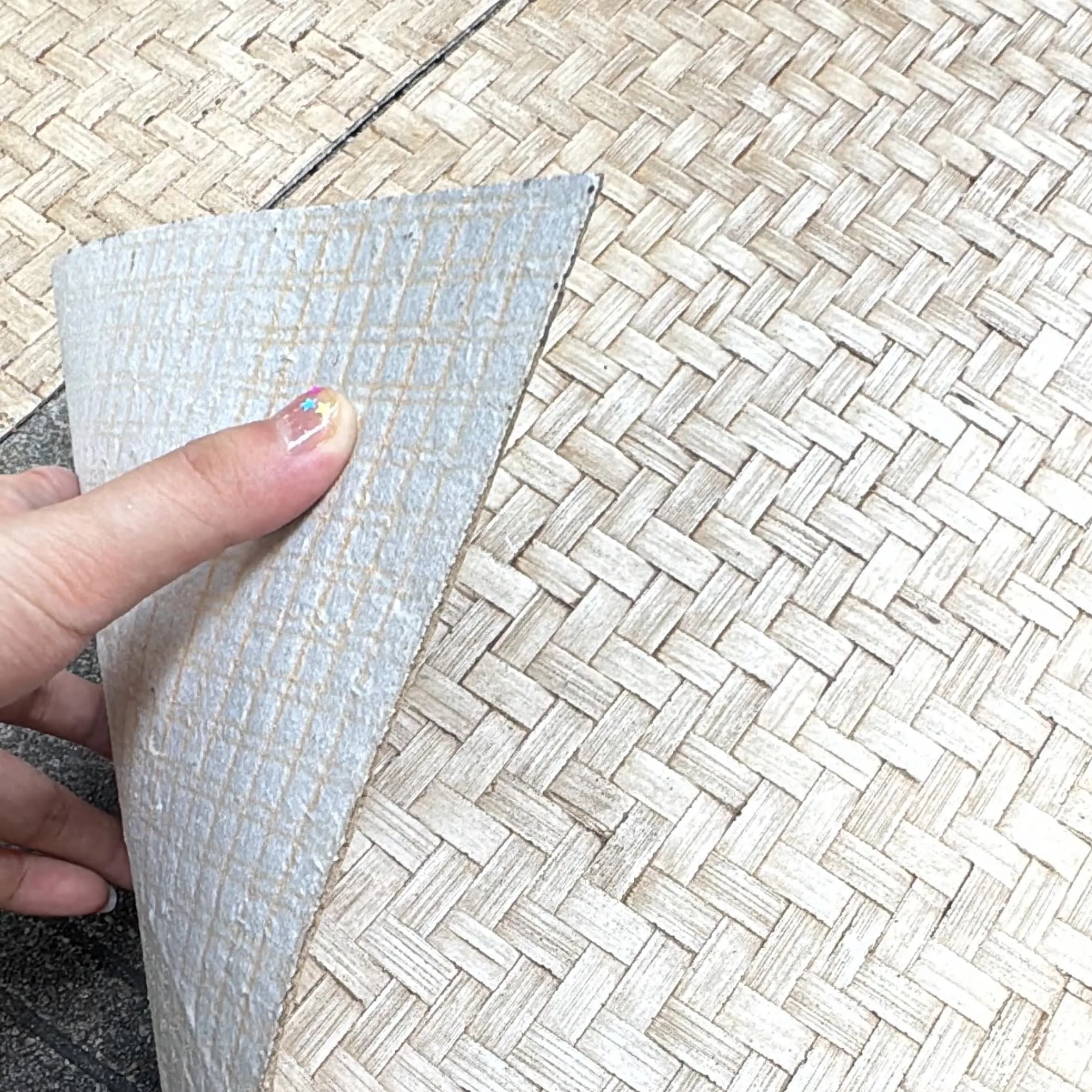
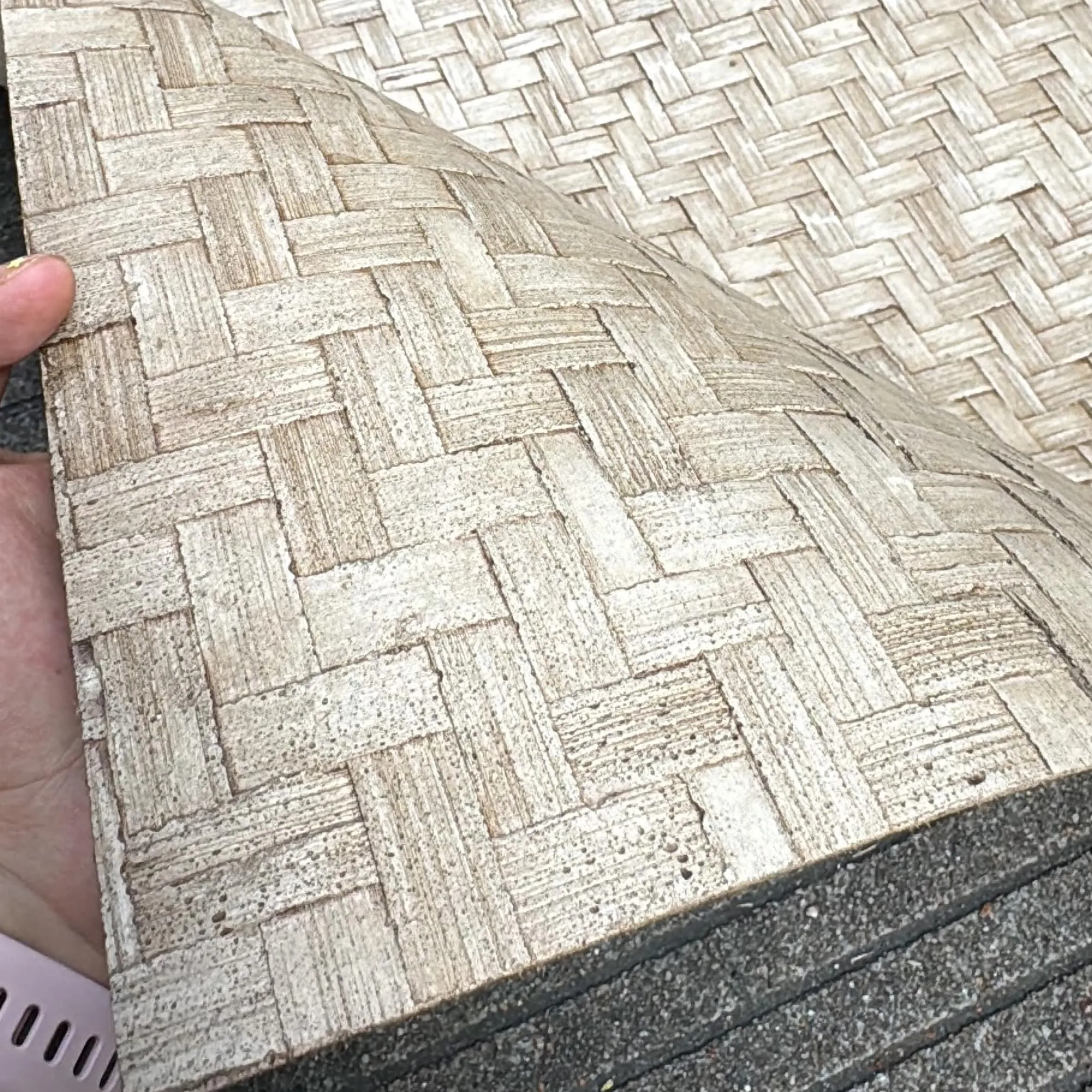
At first glance, bamboo mat board might evoke images of rustic crafts or outdoor furniture—but don't let its simplicity fool you. This material is a masterclass in intentional design. Made from woven bamboo strips compressed with natural adhesives (think plant-based resins or low-VOC binders), it's a lightweight yet durable alternative to traditional wood panels, plywood, or even some types of concrete board. Unlike hardwoods, which can take decades to mature, bamboo grows back in 3–5 years, making it one of the fastest-renewable resources on the planet. And because bamboo requires no pesticides, little water, and thrives in diverse climates, its cultivation leaves minimal strain on ecosystems.
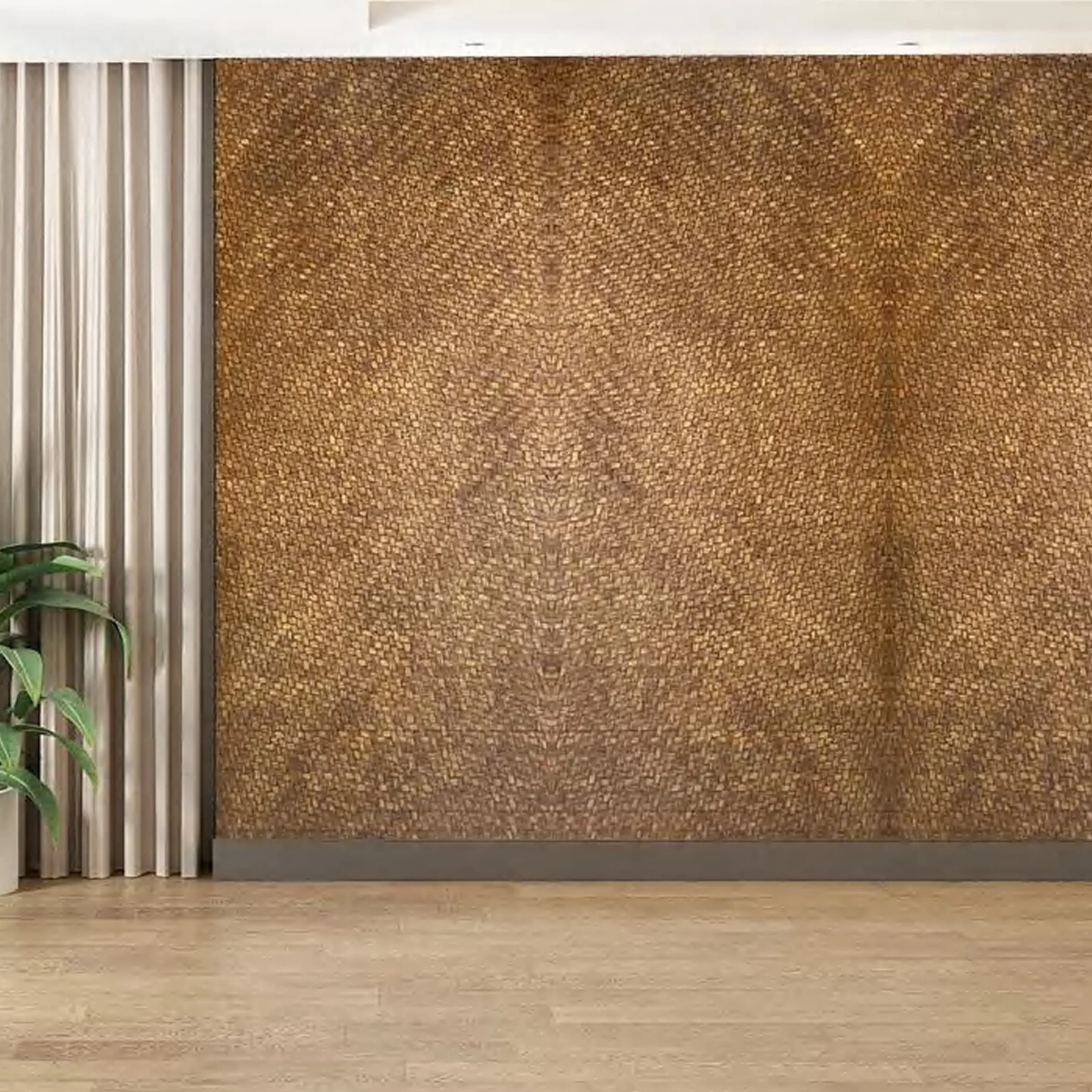
But what truly sets bamboo mat board apart is its versatility. It can be sliced thin for wall cladding, layered for flooring, or shaped into custom panels for ceilings. Its natural grain—warm, with subtle variations in tone—adds a organic texture that feels both timeless and contemporary, making it a favorite among designers seeking to balance sustainability with aesthetic appeal. "It's like bringing a piece of the forest indoors, without cutting down a single tree," says Maya Chen, a sustainable interior designer based in Portland. "Clients often tell me it makes their spaces feel calmer, more connected to nature."
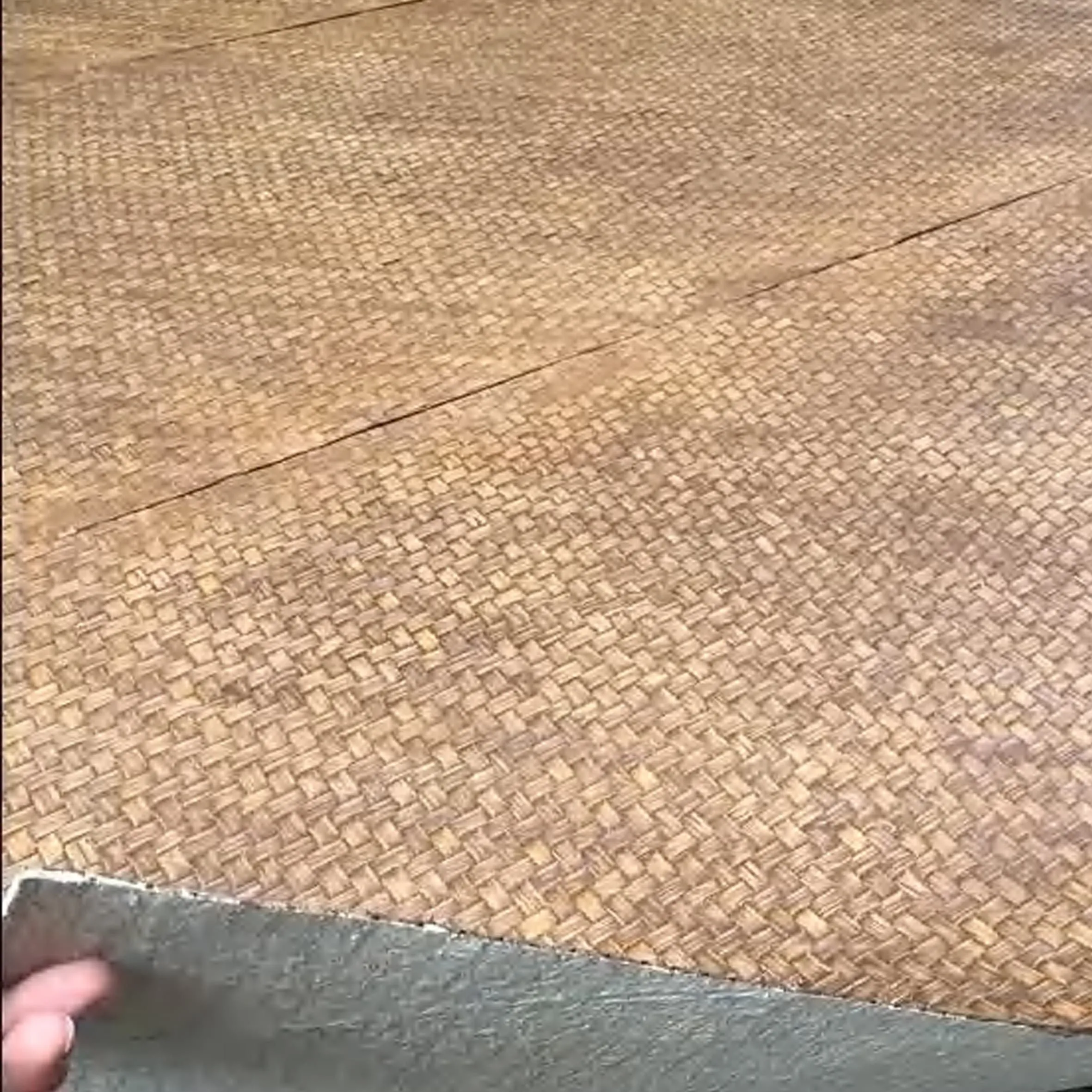
Let's talk numbers—because when it comes to sustainability, facts matter. Traditional hardwood production releases an average of 15–20 kg of CO2 per square meter, from logging to processing. Concrete? Upwards of 40 kg per square meter, thanks to its energy-intensive manufacturing. Bamboo mat board? A mere 3–5 kg per square meter, according to a 2024 study by the Green Building Materials Institute. That's a 75% reduction in carbon emissions compared to concrete, and nearly 80% less than hardwood. How? Bamboo's rapid growth sequesters carbon as it matures—absorbing up to 12 tons of CO2 per hectare annually—while its manufacturing process uses minimal energy (most producers rely on solar or biomass power) and generates little waste (scraps are often repurposed into smaller panels or biofuel).
But the benefits don't stop at carbon. Bamboo's root system prevents soil erosion, making it a boon for reforestation efforts in areas prone to deforestation. Unlike cotton or hardwood, it doesn't require replanting—once harvested, new shoots emerge from the same root network, preserving soil health and biodiversity. And because it's naturally resistant to pests and moisture (no need for toxic treatments), it avoids the chemical runoff that plagues conventional wood production. For homeowners, this translates to a material that's not just eco-friendly, but safer: no off-gassing, no harmful residues, just pure, natural performance.
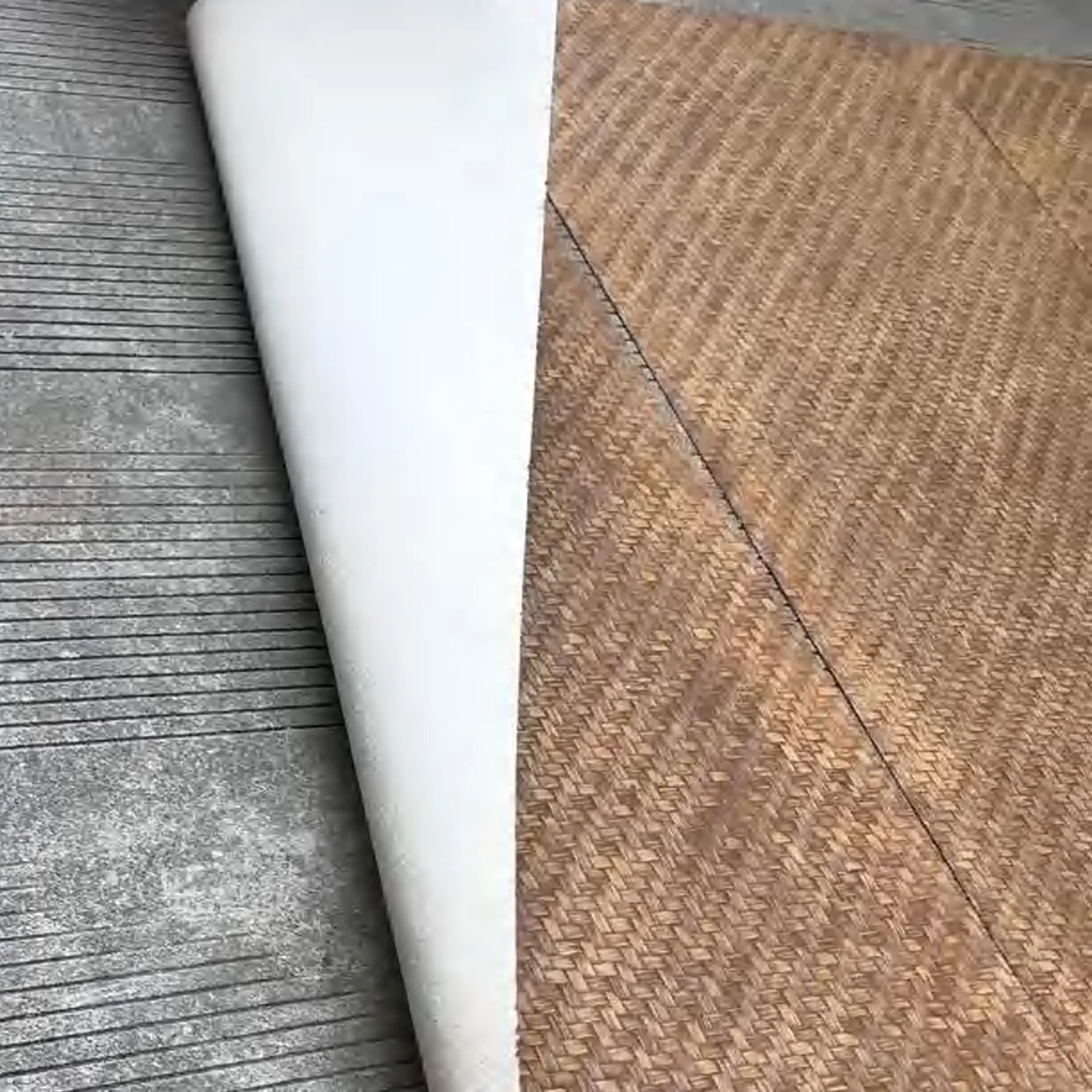
Sustainability is a selling point, but let's be honest—materials need to work. No one wants a "green" wall that warps in the rain or a "eco-friendly" floor that scratches after a month. Bamboo mat board checks the practical boxes, too. Its compressed structure makes it surprisingly strong: it has a bending strength of 150 MPa, comparable to soft steel, and a density of 0.7–0.9 g/cm³, meaning it resists dents, cracks, and warping better than many hardwoods. In humid climates, it outperforms plywood, which can swell or delaminate; in dry regions, it stays stable, avoiding the shrinkage that plagues solid wood.
Aesthetically, it's a chameleon. Leave it natural for a warm, earthy vibe (think sunlit kitchens or cozy bedrooms), or stain it to mimic the look of rare woods like teak or walnut—without the ethical guilt. For a more modern twist, pair it with mcm flexible stone, a sister material in the eco-friendly lineup. MCM (Modified Composite Material) flexible stone offers the look of natural stone with the lightness of a panel, making it ideal for facades. Together, bamboo mat board and mcm flexible stone create a palette of textures: the soft weave of bamboo balancing the rugged grain of stone, proving sustainability doesn't mean sacrificing style.
Cost-wise, bamboo mat board sits in the "affordable luxury" category. While it's pricier than standard plywood, it's often cheaper than reclaimed wood or high-end concrete board, and its durability means lower long-term maintenance costs. "I had a client in Seattle who installed bamboo mat board flooring 10 years ago," recalls Chen. "Last month, she sent me photos—still looks brand new. No refinishing, no repairs. That's value you can't put a price on."
The magic of bamboo mat board starts long before it reaches a construction site—in the bamboo groves themselves. Farmers harvest mature stalks (typically 3–4 years old, when they're strongest) by hand, avoiding heavy machinery that could damage young shoots. The stalks are then stripped of leaves, split into thin strips, and sun-dried (no energy-guzzling dryers here). Once dry, the strips are woven into mats—often by local artisans, supporting rural economies—and layered with natural adhesives. The stacks are pressed under heat (low-temperature, to preserve bamboo's integrity) and pressure, forming boards that are trimmed, sanded, and finished with plant-based sealers.
Compare this to the manufacturing of traditional materials: hardwood logging often involves clear-cutting, disrupting ecosystems; concrete production relies on limestone quarrying and high-temperature kilns, releasing CO2 as a byproduct. Bamboo mat board's process, by contrast, is a study in minimalism. Water use is limited to rinsing the bamboo strips; waste is near-zero (scraps are ground into mulch or used to make small crafts); and transportation emissions are low, since bamboo grows in regions across Asia, Africa, and the Americas, reducing the need for long-haul shipping.
"It's circular by design," says Raj Patel, a sustainability consultant who works with bamboo board manufacturers. "We're not just making a product—we're supporting a system where every step feeds into the next. Farmers earn a fair wage, artisans preserve traditional weaving skills, and builders get a material that doesn't cost the Earth. That's the future of construction, if you ask me."
Bamboo mat board isn't a one-trick pony. Its flexibility (literally—thin boards can bend slightly without breaking) and strength make it suitable for almost any part of a building, from floors to ceilings to exterior cladding. Let's break down its most popular uses:
Residential Interiors: Flooring is a top pick—durable, warm underfoot, and resistant to spills (a lifesaver for families with kids or pets). Wall cladding adds texture to living rooms or bedrooms, while ceiling panels soften acoustics in home offices or media rooms. One homeowner in Austin even used it to build custom bookshelves, praising its "ability to hold heavy books without sagging."
Commercial Spaces: Cafés and restaurants love it for its cozy, organic feel—think exposed bamboo walls paired with fair-faced concrete countertops (another eco-friendly star, with its raw, industrial charm). Retail stores use it for display shelves and backdrops, as it's easy to clean and pairs well with lighting. Even corporate offices are getting on board: a tech startup in Portland recently renovated its lobby with bamboo mat board and mcm flexible stone, creating a space that "feels innovative but grounded," according to the company's facilities manager.
Exteriors: While not as weather-resistant as stone or metal, bamboo mat board (when sealed properly) works beautifully for covered porches, garden fences, or accent walls. In coastal areas, it's often used for outdoor showers or poolside cabanas, where its resistance to moisture and salt air outperforms wood. For full exterior facades, it pairs seamlessly with materials like foamed aluminium alloy board (vintage silver), adding warmth to the alloy's sleek, modern look.
| Material | Carbon Footprint (kg CO2/m²) | Renewable? | Durability (Avg. Lifespan) | Cost (Relative) |
|---|---|---|---|---|
| Bamboo Mat Board | 3–5 | Yes (3–5 year regrowth) | 20–30 years | Moderate |
| Hardwood Plywood | 15–20 | Limited (20–30 year regrowth) | 15–20 years | High |
| Traditional Concrete | 40–50 | No | 50+ years | Low |
| MCM Flexible Stone | 8–10 | Partially (recycled materials used) | 25–30 years | Moderate-High |
Numbers tell part of the story, but people tell the rest. Take the case of a community center in Costa Rica, built in 2023 using bamboo mat board for walls and ceilings. The project aimed to serve 500+ local families while staying carbon-neutral. By choosing bamboo over hardwood, the builders reduced the center's embodied carbon by 65%—the equivalent of taking 40 cars off the road for a year. "The bamboo made the space feel alive," says Maria Alvarez, the center's director. "Kids love running their hands over the walls; elders say it reminds them of the bamboo huts from their childhood. It's not just a building—it's a connection to our roots."
Closer to home, a residential development in Boulder, Colorado, swapped traditional siding for bamboo mat board and foamed aluminium alloy board (vintage gold) in 2022. The result? Homes that stayed 10 degrees cooler in summer (thanks to bamboo's natural insulation) and required 20% less energy for heating in winter. "We were worried about durability in the Rockies' harsh winters," admits developer Jake Wilson. "But two years later, the boards look perfect—no cracks, no fading. And the homeowners? They rave about the natural light that filters through the bamboo ceilings. It's a win-win."
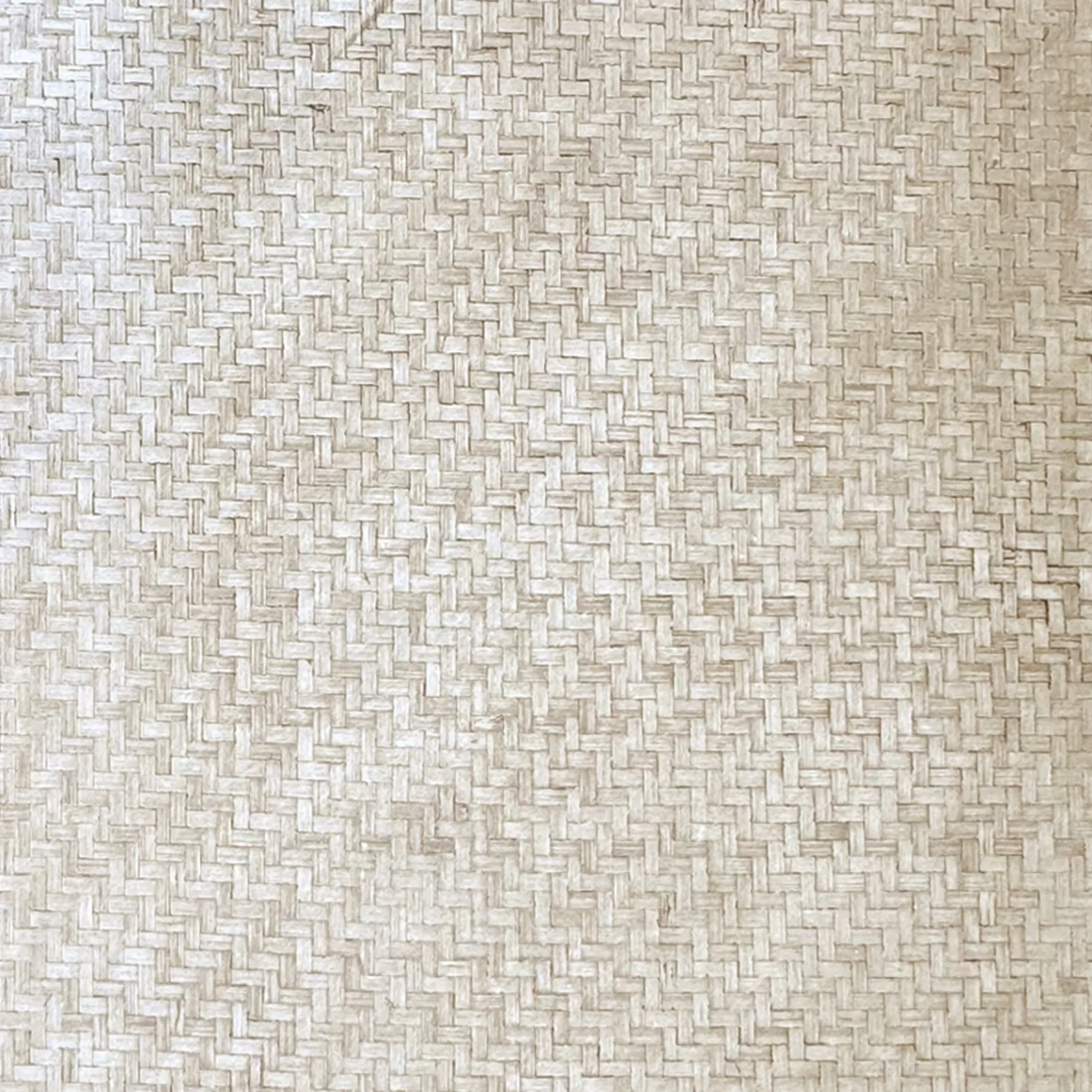
Bamboo mat board isn't the only eco-friendly material making waves. From mcm flexible stone to fair-faced concrete, the construction industry is undergoing a quiet transformation—one material at a time. But what makes bamboo mat board special is its accessibility. It doesn't require specialized tools to install; it's compatible with existing building codes; and it appeals to a wide range of tastes, from minimalist to bohemian. It's a material that says, "Sustainability isn't just for luxury homes or tech campuses—it's for everyone."
As we look ahead, the goal isn't just to "reduce" carbon footprints, but to create buildings that actively contribute to a healthier planet. Bamboo mat board, with its ability to sequester carbon during growth and minimize emissions during production, is a step in that direction. It's a reminder that the most powerful solutions often come from the simplest places—like a bamboo grove, swaying in the wind, waiting to become part of something bigger.
So the next time you walk into a room, take a moment to touch the walls. Is it cold concrete, or warm bamboo? Is it a material that took more from the Earth than it gave back, or one that's helping heal it? The choice, it turns out, is in our hands—and our walls, and our floors, and the spaces we build for the future.
Recommend Products












