
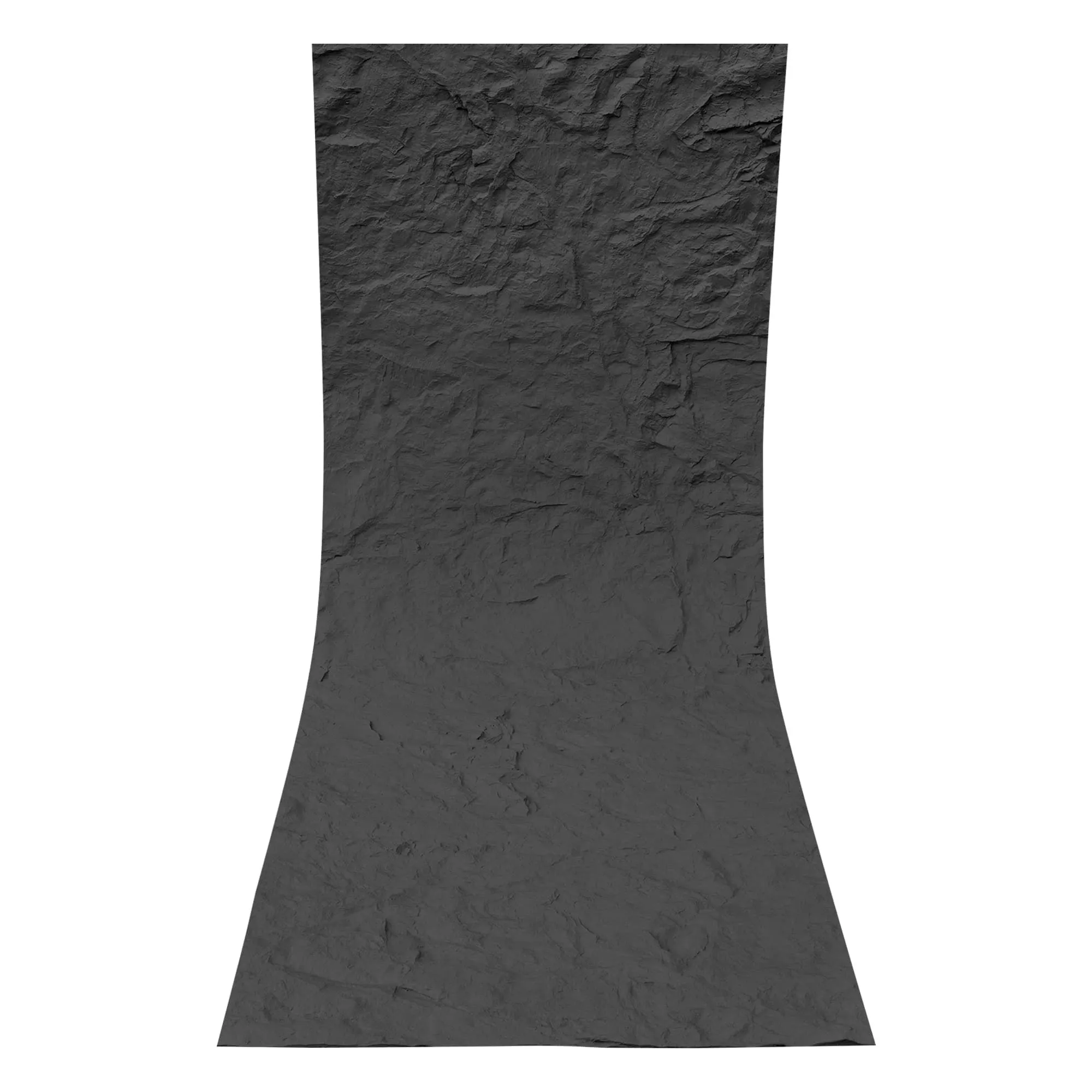
In a world where every design choice leaves a footprint, architects and designers are no longer just chasing aesthetics—they're chasing purpose. Enter COLORIA, a brand that's redefining what it means to build beautifully without costing the Earth. At the heart of their innovation? The Boulder Slab series, a line of materials that marries timeless elegance with cutting-edge sustainability. Let's dive into how this humble slab is helping rewrite the story of green construction.
For decades, the building industry has leaned on materials that prioritize looks over planet. Quarrying natural stone depletes finite resources; manufacturing concrete often relies on high-carbon cement; even wood, when sourced irresponsibly, contributes to deforestation. The result? A sector responsible for nearly 40% of global carbon emissions, according to the UN Environment Programme. But what if we could have the warmth of travertine, the industrial chic of concrete, and the durability of granite—without the guilt?
COLORIA's answer lies in materials like Boulder Slab , MCM Flexible Stone , and Fair-Faced Concrete —products engineered to mimic nature's best without mimicking its destruction. Let's start with the star of the show: Boulder Slab.
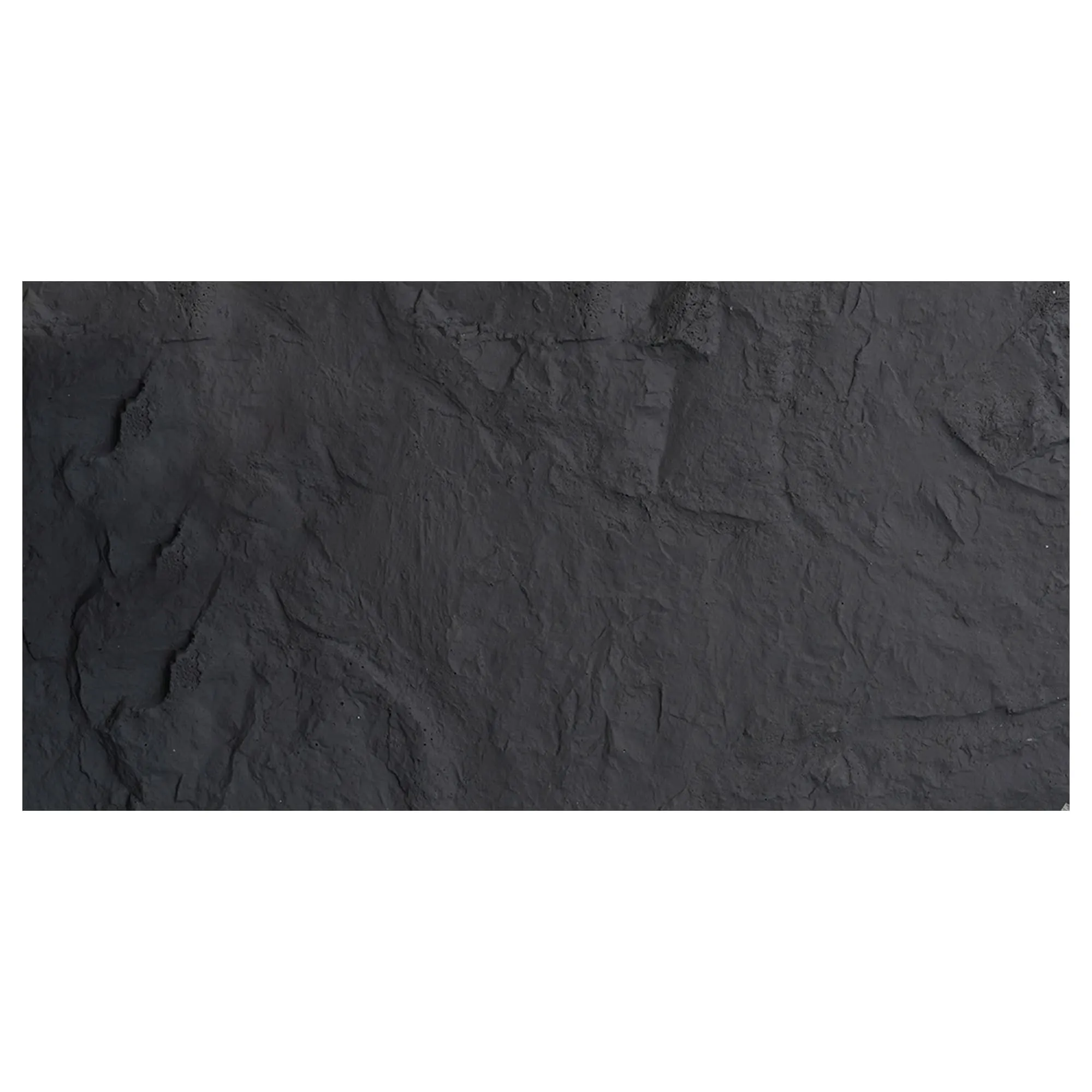
Walk into any COLORIA showroom, and the Boulder Slab display stops visitors in their tracks. It's not just the rich, earthy textures or the way light plays off its surface—it's the story behind it. Unlike traditional stone slabs, which are hewn from mountains, Boulder Slab starts with recycled aggregates: crushed stone waste from construction sites, reclaimed metal shavings, and even post-consumer glass. These materials are bound together using a low-VOC (volatile organic compound) resin, reducing harmful emissions during production by up to 60% compared to standard concrete slabs.
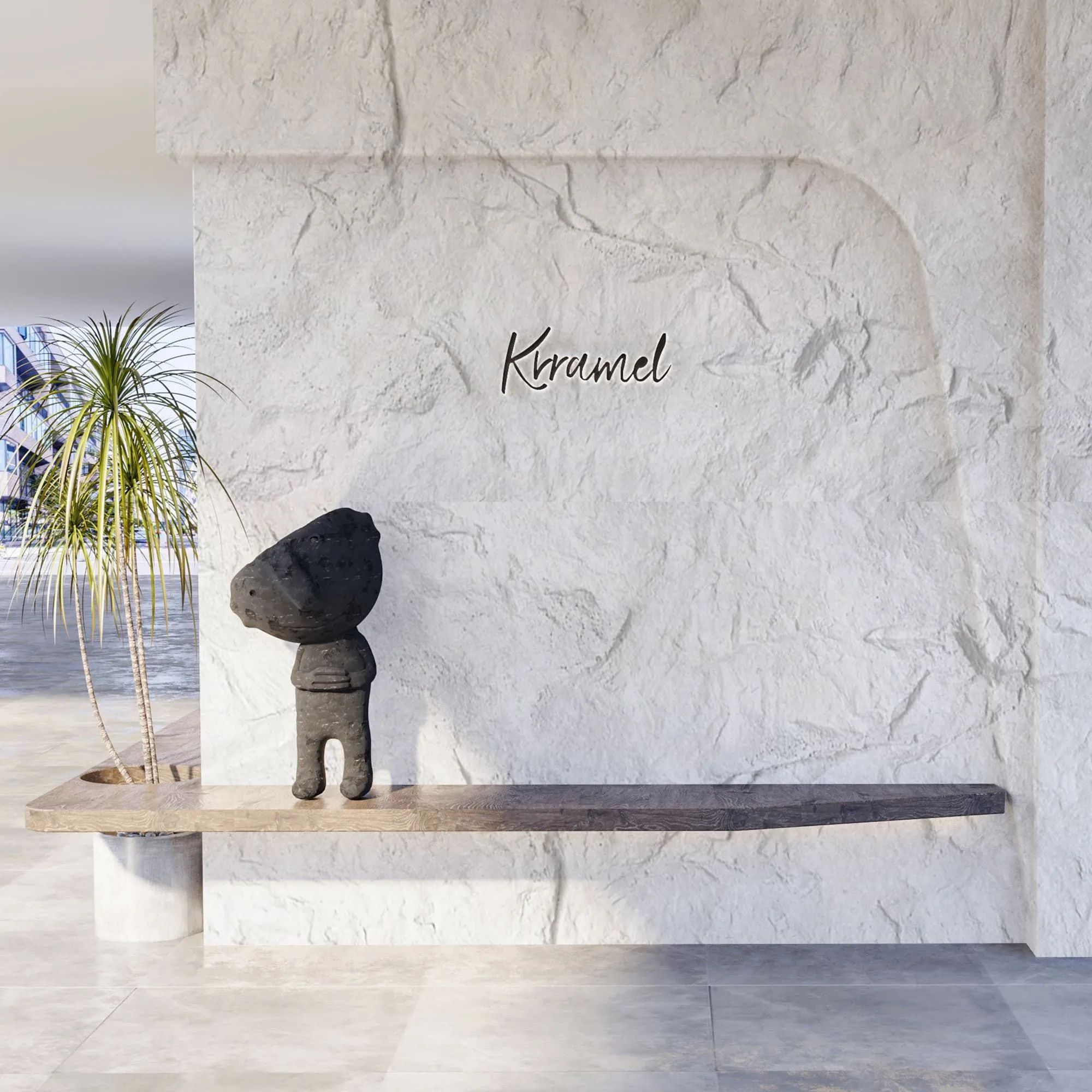
But sustainability doesn't mean sacrificing style. The Boulder Slab series comes in three vintage-inspired variants— Boulder Slab (Vintage Silver) , (Vintage Gold) , and (Vintage Black) —each with a unique personality. The Vintage Silver, for instance, has a muted metallic sheen that evokes aged pewter, while the Vintage Gold warms up a space like afternoon sunlight on desert sand. Even the standard Boulder Slab, with its raw, unpolished finish, feels like a piece of the outdoors brought inside—without the environmental cost of quarrying.
| Variant Name | Color Palette | Texture Profile | Best For | Eco-Credentials |
|---|---|---|---|---|
| Boulder Slab (Vintage Silver) | Soft silver with subtle gray undertones | Brushed metallic finish with fine grain | Modern kitchens, accent walls | 30% recycled metal content, carbon-neutral production |
| Boulder Slab (Vintage Gold) | Warm amber-gold with hints of copper | Matte with slight hammered texture | Restaurant interiors, fireplace surrounds | 25% recycled brass, zero water waste in manufacturing |
| Boulder Slab (Vintage Black) | Deep charcoal with flecks of silver | Rough-hewn, stone-like texture | Outdoor patios, commercial facades | 40% recycled stone aggregate, UV-resistant coating (reduces replacement needs) |
| Standard Boulder Slab | Earthy browns and grays, natural variation | Raw, unpolished surface | Industrial lofts, garden pathways | 50% recycled concrete waste, low-energy curing process |
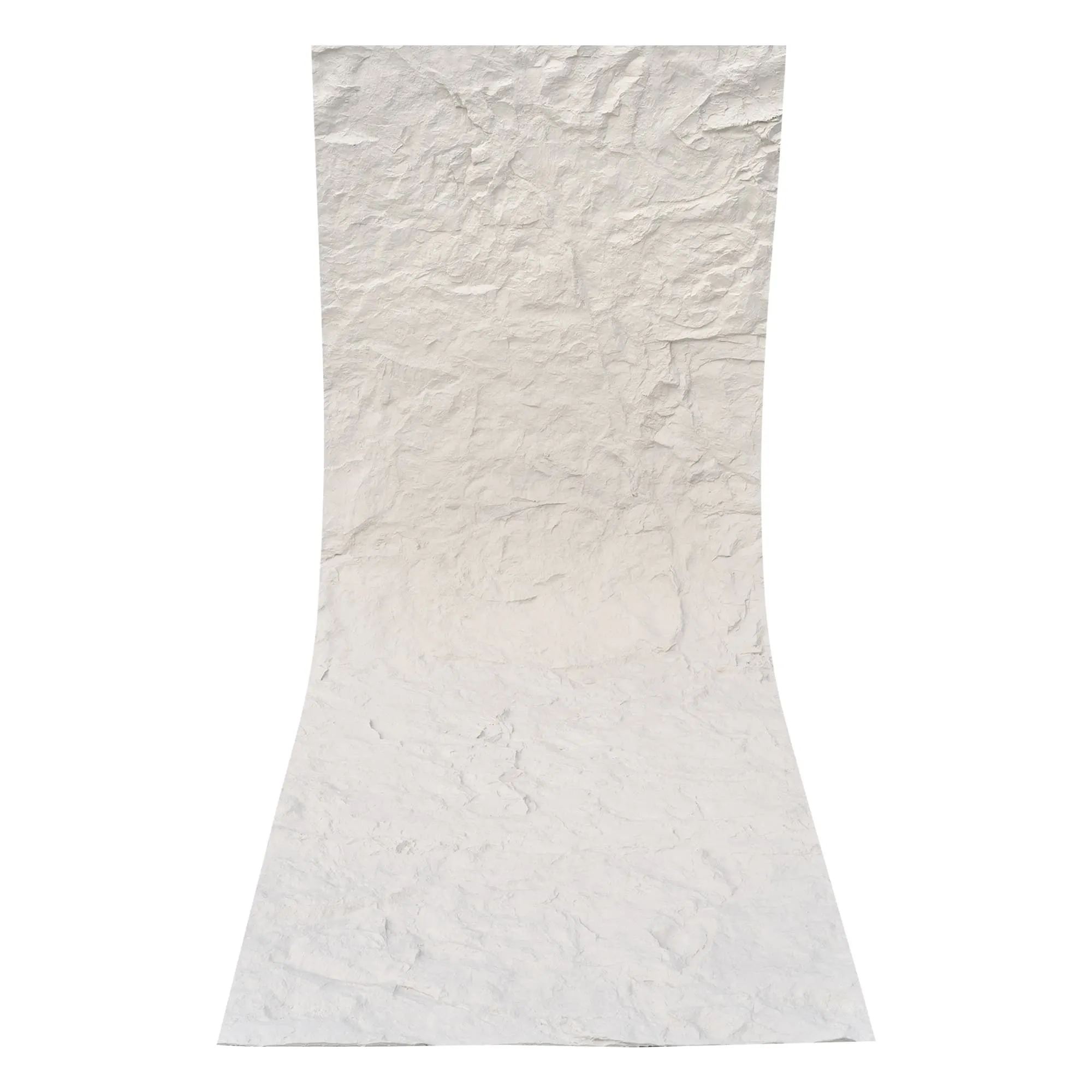
Boulder Slab is just one player in COLORIA's eco-friendly lineup. Take MCM Flexible Stone , for example. Traditional stone cladding is heavy, requiring structural reinforcement and increasing transportation emissions. MCM Flexible Stone, by contrast, is 70% lighter—thanks to its micro-composite matrix—yet just as strong. It bends without breaking, making it ideal for curved surfaces like feature walls or custom furniture. Imagine a boutique hotel lobby with sweeping, wave-like walls clad in MCM Flexible Stone in Travertine (Starry Blue) —it's a showstopper, and it weighs half what traditional travertine would, cutting down on fuel use during delivery.
Then there's Fair-Faced Concrete , a material that celebrates simplicity. Unlike decorative concrete, which often requires chemical sealants or pigments, COLORIA's Fair-Faced Concrete relies on the natural beauty of its raw ingredients: locally sourced limestone, recycled sand, and minimal additives. The result? A surface that ages gracefully, developing a unique patina over time, so buildings don't need frequent renovations—another win for sustainability.
For designers craving celestial inspiration, the Lunar Peak Silvery collection is a fan favorite. With its cool, silvery-gray hue and crater-like texture, it's as if someone chiseled a piece of the moon and turned it into a building material. And like all COLORIA products, it's made with 100% renewable energy in their manufacturing facilities—solar panels and wind turbines power the presses and curing ovens, ensuring even the production process leaves a light footprint.
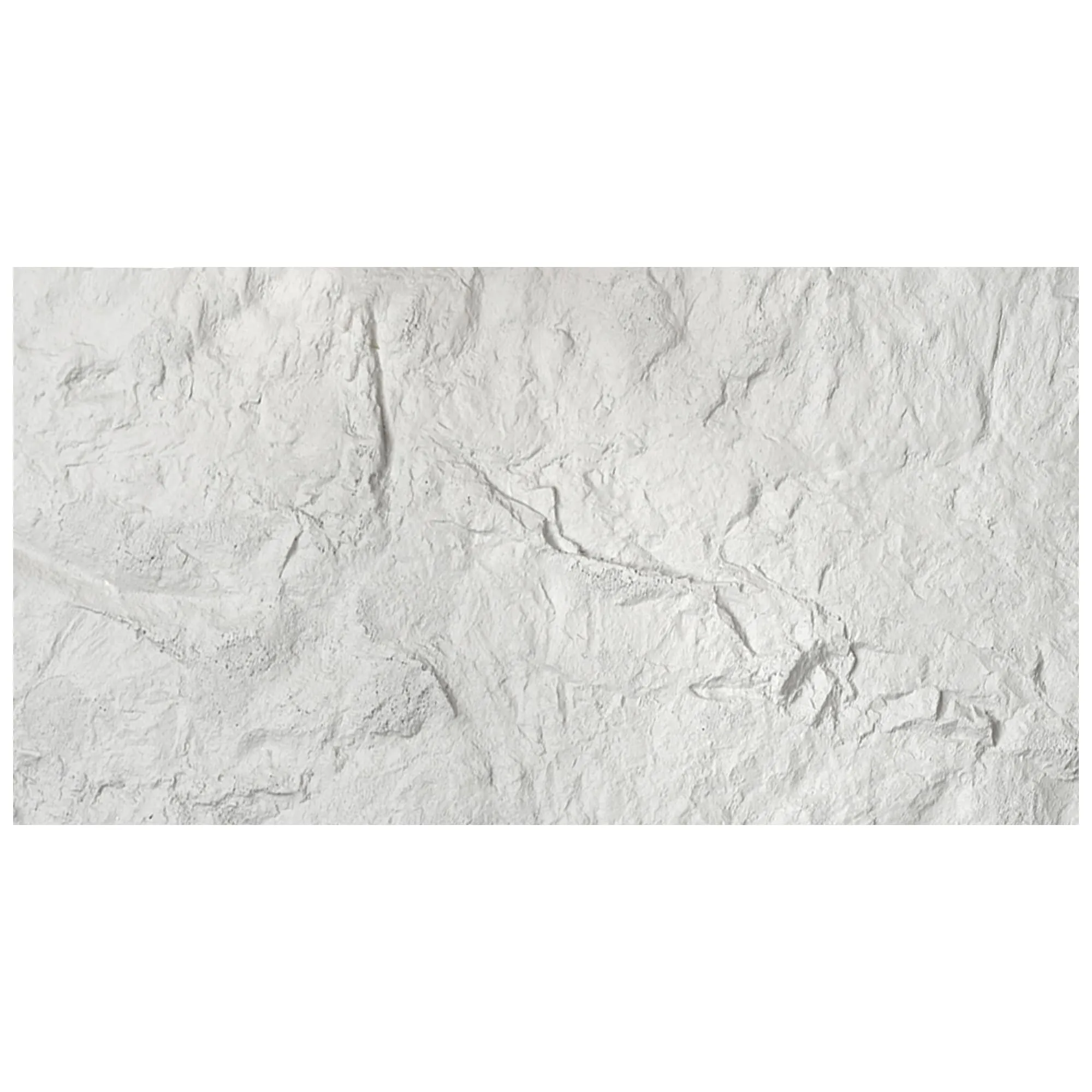
COLORIA's materials aren't just for show—they're hard at work in real-world spaces. Take the "Ember & Stone" café in Portland, Oregon. The owners wanted a warm, inviting interior that reflected their commitment to zero waste. They chose Boulder Slab (Vintage Gold) for the countertops and MCM Flexible Stone (Travertine Starry Orange) for the backsplash. The result? A space that feels cozy and sustainable, with customers often asking, "Is this real stone?" When told it's recycled, many leave inspired to make greener choices in their own homes.
In Dubai, the "Green Horizon" residential complex used Lunar Peak Silvery cladding on its exterior. The lightweight material reduced the building's structural load, allowing for thinner support beams and less concrete overall. Plus, its reflective surface helps keep interiors cool, cutting down on air conditioning use—a critical feature in the desert heat. Residents report 20% lower energy bills compared to neighboring buildings, proving that sustainability can also be cost-effective.
Even public spaces are getting in on the action. The City of Copenhagen recently renovated its historic waterfront using Fair-Faced Concrete and Boulder Slab (Vintage Black) for the promenade. The materials stand up to harsh weather, require minimal maintenance, and blend seamlessly with the area's old-world charm. "We wanted something that would last for generations without harming the planet," says project architect Lars Jensen. "COLORIA delivered exactly that."
At the core of COLORIA's work is a belief that green building shouldn't be a niche choice—it should be the standard. That's why they invest heavily in research and development, constantly refining their processes to reduce waste and emissions. Their latest breakthrough? A 3D printing technique (part of the MCM 3D Printing Series ) that allows for custom-shaped panels with zero material waste. Instead of cutting slabs to size and discarding the scraps, the 3D printer builds panels layer by layer, using only what's needed.
They also partner with architects and educators to spread the word about sustainable design. Their "Green Building Workshops" teach professionals how to specify eco-friendly materials without compromising on aesthetics. "Too often, designers think 'sustainable' means 'boring,'" says Maria Gonzalez, COLORIA's head of design. "We're here to prove that you can have both beauty and a clear conscience."
In a world grappling with climate change, every choice matters. The walls we build, the floors we walk on, the facades that define our cities—they all tell a story. With Boulder Slab, MCM Flexible Stone, Fair-Faced Concrete, and innovations like Lunar Peak Silvery, COLORIA is helping rewrite that story. It's a story of materials that honor the planet, spaces that inspire, and a future where building green isn't an option—it's the only way.
So whether you're designing a home, a café, or a community center, consider the impact of your materials. Ask: Does this product respect the Earth? Does it support a circular economy? With COLORIA, the answer is a resounding yes. Because the most beautiful buildings aren't just ones that look good—they're ones that do good, too.
Recommend Products












