
Walk into any modern home or commercial space today, and you'll notice something different about the walls, floors, and facades. The cold, industrial look of yesteryear is fading—replaced by materials that tell a story, feel alive, and leave a lighter footprint on our planet. As architects, designers, and homeowners alike wake up to the urgency of sustainability, two names keep popping up in conversations: poly wood board and COLORIA's MCM (Modified Composite Material) series . These aren't just building materials; they're bridges between aesthetics, durability, and environmental responsibility. Let's dive into what makes them stand out, how they differ, and why they're reshaping the future of green building.
First up: poly wood board. If you've ever wished for the warmth of wood without the hassle of rot, splinters, or constant maintenance, this material might just be your answer. Picture a deck that stays smooth under bare feet, a patio set that doesn't fade in the sun, or a wall panel that looks like reclaimed oak but resists termites and moisture. That's poly wood board in action.
So, what's in it? Unlike traditional lumber, poly wood is a composite of recycled plastics (think milk jugs, detergent bottles) and wood fibers (often from sawmill scraps or FSC-certified sustainable sources). This blend does two big things: it keeps plastic waste out of landfills and reduces the need to cut down new trees. Manufacturers melt down the plastic, mix it with wood fibers and a dash of UV-resistant pigments, then mold it into boards that mimic the texture and grain of real wood—from rich mahogany to weathered cedar.
The eco-friendly perks don't stop there. Poly wood board requires no toxic treatments (goodbye, pressure-treated lumber with arsenic!) and emits zero volatile organic compounds (VOCs) once installed. It's also incredibly long-lasting—most brands offer 20- to 25-year warranties—meaning fewer replacements and less waste over time. And when it does reach the end of its life? Many poly wood products are recyclable, closing the loop on sustainability.
But it's not just about being green; it's about living well. Poly wood board handles the elements like a champ. Rain, snow, salt, and humidity don't make it warp, crack, or split. It doesn't need sanding, staining, or sealing—just an occasional hose-down to keep it looking fresh. For busy families or businesses, that's a game-changer. Imagine a restaurant's outdoor seating area that stays beautiful year-round without weekly upkeep, or a backyard deck where kids can play without worrying about splinters. It's wood, but better.
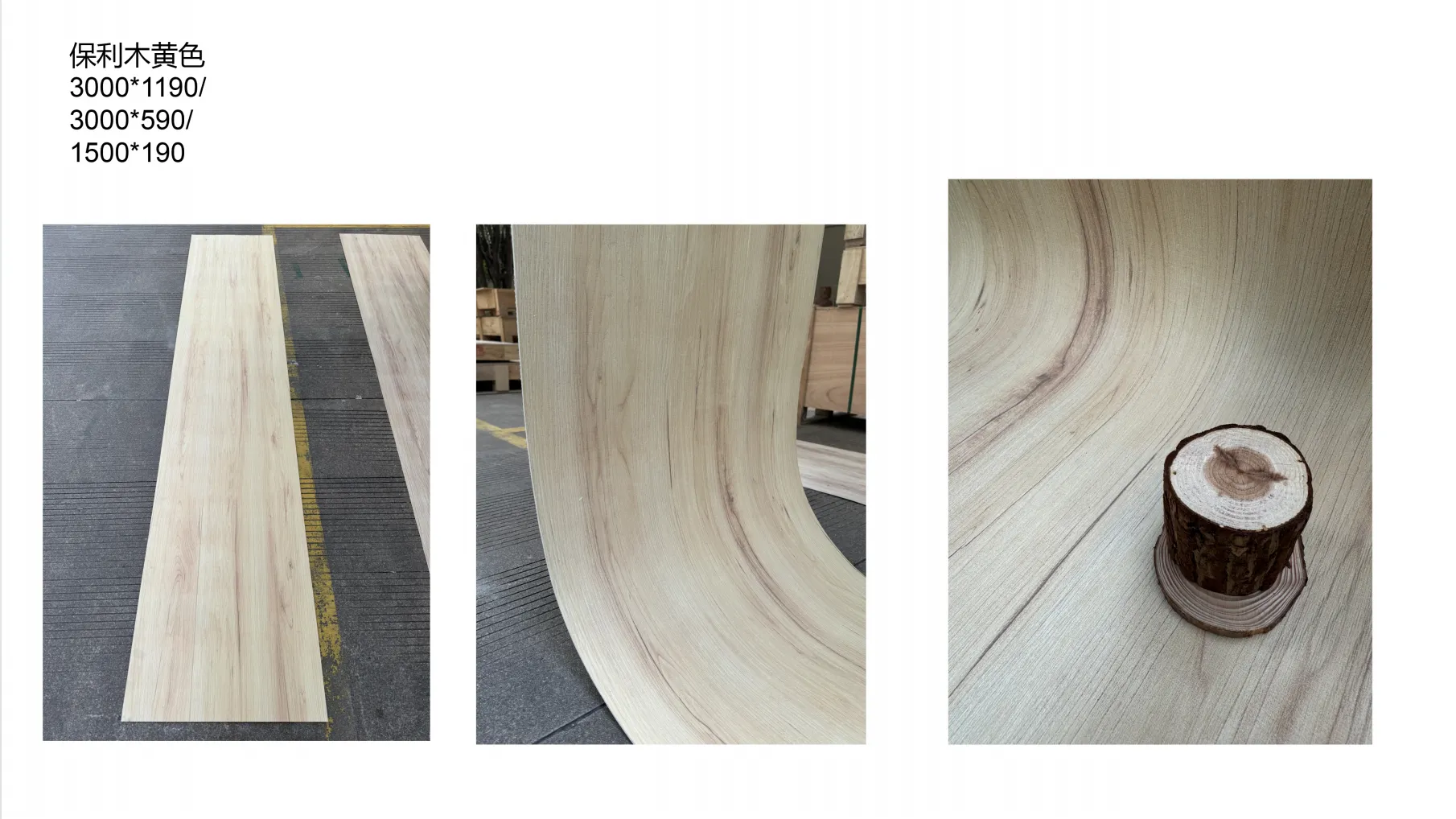
Now, let's shift gears to COLORIA's MCM series—a collection that reads like a love letter to both nature and innovation. MCM, short for Modified Composite Material, is a lightweight, flexible alternative to heavy stone, metal, or concrete. At its core, it's a sandwich of high-performance materials: a mineral-rich core bonded to a reinforced surface layer, engineered to mimic the look of everything from travertine to aged copper. And among its standout stars are mcm flexible stone and foamed aluminium alloy board —materials that are redefining what "sustainable luxury" means.
Take mcm flexible stone first. Traditional natural stone is stunning, but it's heavy (think 20-30 kg per square meter), which adds stress to building structures and hikes up transportation emissions. MCM flexible stone? It weighs in at just 3-5 kg per square meter. That's like trading a suitcase for a backpack—installation becomes faster, safer, and less energy-intensive. But don't let the lightness fool you: it's tough. Scratch-resistant, fire-retardant, and impervious to moisture, it's equally at home on a high-rise facade or a bathroom backsplash.
Then there's the foamed aluminium alloy board, available in vintage silver, gold, and classic gold finishes. Aluminium is already one of the most recyclable metals on Earth—recycling it uses 95% less energy than producing new aluminium. COLORIA takes it a step further by "foaming" the alloy, creating a material that's 70% lighter than solid aluminium but just as strong. The vintage finishes? They're achieved without toxic coatings; instead, a special anodizing process locks in color, preventing chipping or fading. Imagine a café exterior wrapped in vintage gold foamed aluminium—warm, industrial-chic, and 100% recyclable.
What truly sets COLORIA's MCM series apart is its versatility. Whether you're craving the starry sparkle of travertine (starry green, red, or blue), the rough-hewn charm of rammed earth board , or the sleekness of fair-faced concrete, there's an MCM option that fits. And because it's flexible, it bends to curved surfaces—think rounded pillars or organic-shaped accent walls—that would be impossible with rigid materials like natural stone.
| Feature | Poly Wood Board | COLORIA MCM Series (Flexible Stone & Foamed Aluminium) |
|---|---|---|
| Core Composition | Recycled plastic + wood fibers (sawmill scraps) | Mineral core + reinforced surface layer (mcm flexible stone); Foamed aluminium alloy (90% recycled content) |
| Eco-Friendly Edge | Reduces plastic waste; No deforestation; Zero VOC emissions | Lightweight = lower transport emissions; 100% recyclable aluminium; Low-energy manufacturing |
| Durability | Resists rot, mold, splinters; 20-25 year warranty | Fire-retardant; Scratch/moisture-proof; UV-stable (no fading) |
| Aesthetic Range | Mimics wood grains (oak, teak, cedar, etc.) | Starry travertine, vintage metals, rammed earth, concrete, and more |
| Best For | Decks, outdoor furniture, fencing, interior accent walls | Facade cladding, interior feature walls, curved surfaces, high-traffic areas |
Numbers and features tell part of the story, but building materials are meant to be experienced. Let's talk about how these materials translate to real spaces.
Take a backyard deck made with poly wood board. Step outside on a rainy morning, and there's no slippery surface or musty smell—just the warm, earthy texture of wood that feels like it's been there for decades, yet looks brand new. Host a summer BBQ, and you won't spend the next hour sanding splinters out of guests' feet. And when winter comes, no need to cover it with tarps; it'll shrug off snow and ice without warping. It's low-maintenance, but it doesn't feel "fake." Run your hand over it, and you'll swear it's real wood—until you remember it's actually saving trees and plastic bottles.
Now, imagine a boutique hotel lobby wrapped in COLORIA's mcm flexible stone in "travertine (starry blue)." The walls catch the light, tiny flecks of blue shimmering like a night sky, but unlike real travertine, there are no heavy support beams or fear of cracks from temperature shifts. Upstairs, the spa features foamed aluminium alloy board in vintage silver—cool to the touch, sleek, and completely resistant to the humidity of steam rooms. Housekeeping staff love it: a quick wipe with a damp cloth, and it looks as good as the day it was installed. Guests? They just know it feels luxurious, like a space that cares about both beauty and the planet.
At the end of the day, poly wood board and COLORIA's MCM series are more than just "sustainable options"—they're proof that eco-friendly building doesn't mean sacrificing style or performance. They align with the global push for green building materials that meet LEED, BREEAM, and WELL certifications, helping projects earn points for sustainability without compromising design vision.
Consider the lifecycle impact: a poly wood deck that lasts 25 years instead of rotting every 5-7 years means fewer replacements, less waste, and lower carbon emissions over time. A COLORIA MCM facade that's lightweight cuts down on construction energy and transportation fuel. These materials aren't just "green" for marketing—they're green by design.
So, which one is right for your project? It depends on the narrative you want your space to convey. If you're drawn to the warmth of wood and need something tough for outdoor use, poly wood board is a no-brainer. If you crave the drama of stone or metal with the flexibility to create bold, curved designs, COLORIA's MCM series—especially mcm flexible stone and foamed aluminium alloy—will steal your heart.
And here's the best part: you don't have to choose. Some of the most inspiring spaces we've seen mix both. A home might have a poly wood patio leading up to a facade clad in COLORIA's lunar peak silvery MCM panels, blending the organic and the modern. A restaurant could use poly wood for tabletops and mcm flexible stone for the bar front, creating a cohesive, eco-conscious vibe.
In the end, poly wood board and COLORIA's MCM series remind us that building materials are more than just tools—they're partners in shaping the world we live in. They prove that we can have spaces that make us feel good, look stunning, and do right by the planet. And in a world where every choice matters, that's a story worth building.
Recommend Products












