
In recent years, walking through a new neighborhood or visiting a-opened office building often comes with a subtle but powerful realization: the world of construction is changing. Gone are the days when durability and cost were the only factors driving material choices. Today, homeowners, architects, and developers alike are asking a different question: what impact does this material have on our planet? This shift isn't just a trend—it's a response to a collective desire to build spaces that feel good to live and work in, while also leaving a lighter footprint on the environment.
From skyscrapers wrapped in greenery to tiny homes built with reclaimed materials, the construction industry is embracing sustainability in ways that seemed unlikely a decade ago. But with so many "eco-friendly" options flooding the market—each claiming to be the next big thing—it can be hard to separate marketing hype from genuine innovation. That's where poly wood board enters the conversation. More than just another material, it's a bridge between the warmth of natural wood and the responsibility of modern sustainability, offering a solution that doesn't force us to choose between aesthetics and the planet.
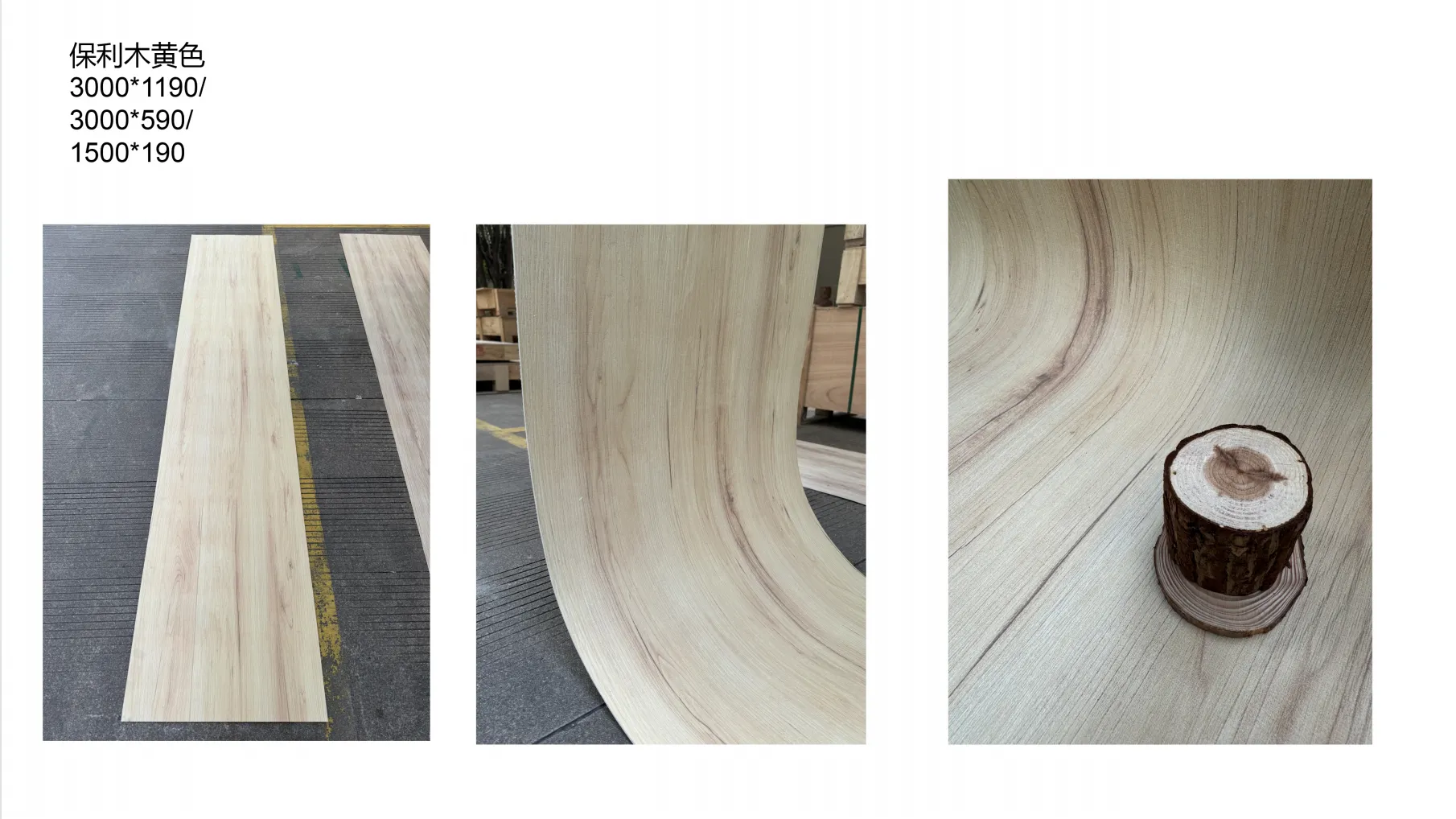
At first glance, poly wood board might remind you of the wood grain board you've seen in traditional homes—the kind that adds a cozy, cabin-like charm to kitchens or living rooms. But look closer, and you'll notice something different: there's no trace of actual timber here. Instead, poly wood board is crafted from recycled plastics and wood fibers, fused together through a process that mimics the texture and appearance of real wood without cutting down a single tree. It's a small detail, but one that carries enormous weight for anyone who cares about deforestation and habitat loss.
But poly wood board isn't just about sustainability—it's about practicality, too. Think about the last time you had a wooden table or floor. Over time, it probably showed scratches, warped in humidity, or faded under sunlight. Poly wood board, on the other hand, laughs off those common issues. It resists water, so it's perfect for bathrooms or outdoor patios where traditional wood would rot. It stands up to heavy foot traffic, making it ideal for busy restaurants or office lobbies. And unlike wood grain board, which often requires regular staining or sealing, poly wood needs nothing more than an occasional wipe-down to keep looking fresh. For busy families or business owners, that translates to less stress, less maintenance, and more time enjoying the space itself.
Aesthetically, poly wood board is a chameleon. Whether you prefer the rich, dark tones of walnut, the light, airy feel of oak, or even the weathered look of driftwood, there's a poly wood finish to match. This versatility has made it a favorite among interior designers who want to create cohesive, nature-inspired spaces without relying on finite resources. It's the kind of material that makes you do a double-take: "Is this real wood?" And when you learn it's not, you can't help but smile—because it means you're getting the beauty you love without the environmental cost.
To truly appreciate poly wood board, it helps to see how it compares to other popular materials in the eco-friendly building space. Let's take a closer look at three common alternatives: bamboo mat board, wood grain board, and fair-faced concrete. Each has its merits, but poly wood board often comes out on top when sustainability, durability, and design flexibility are all on the table.
| Feature | Poly Wood Board | Bamboo Mat Board | Wood Grain Board | Fair-Faced Concrete |
|---|---|---|---|---|
| Sustainability | Made from 100% recycled materials; no deforestation; low carbon footprint in manufacturing | Fast-growing bamboo is renewable, but requires pesticides in some cases; harvesting can disrupt local ecosystems | Often made from slow-growth hardwoods; contributes to deforestation; high water usage in production | Concrete production emits CO2; non-recyclable; heavy, increasing transportation emissions |
| Durability | Resistant to water, mold, scratches, and fading; lasts 25+ years with minimal maintenance | Prone to warping in humid climates; susceptible to insect damage; lifespan of 10–15 years indoors | Scratches easily; rots in moisture; requires annual sealing; lifespan of 15–20 years | Strong but prone to cracking over time; stains easily; can chip; lifespan of 30+ years but with repairs |
| Aesthetic Versatility | Available in 20+ finishes mimicking wood, stone, and more; customizable colors and textures | Limited to natural bamboo look; less flexibility in finishes; can appear too "uniform" | Authentic wood grain but limited to natural tree species; staining can alter color but risks unevenness | Raw, industrial look; limited color options; difficult to match with warm, organic designs |
| Installation & Maintenance | Lightweight; easy to cut and install; no sealing or painting required; wipes clean with soap and water | Delicate; prone to fraying during installation; requires regular oiling to prevent drying out | Heavy; requires professional installation; annual sanding and sealing; vulnerable to water damage | Heavy, requiring structural support; difficult to repair if cracked; stains require harsh chemicals to remove |
As the table shows, poly wood board isn't just a "good" option—it's often the best option for those who want to balance sustainability with practicality. Bamboo mat board, for example, is often touted as eco-friendly because bamboo grows quickly, but it's not without issues. In some regions, bamboo plantations replace native forests, and the pesticides used to protect crops can leach into soil and water. Wood grain board, while beautiful, relies on trees that take decades to mature, and its production uses massive amounts of water. Fair-faced concrete, with its sleek, modern look, is durable but comes with a high carbon cost—concrete is responsible for about 8% of global CO2 emissions. Poly wood board, by contrast, turns waste materials into something useful, cutting down on landfill waste while avoiding the pitfalls of other "green" alternatives.
Poly wood board isn't just a theoretical win—it's a material that shines in real-world applications. Let's walk through a few scenarios where poly wood board has transformed spaces, making them more beautiful, functional, and sustainable.
Meet Sarah, a freelance designer who converted her garage into a home office last year. She wanted the space to feel warm and inspiring, like a cabin in the woods, but she also wanted to keep her carbon footprint low. "I considered wood grain board first," she says, "but then I learned about how much water and energy goes into processing real wood. Poly wood board gave me that same rustic vibe—even down to the texture of the grain—but I didn't have to worry about contributing to deforestation. Plus, since my office gets a lot of sunlight, I love that the color won't fade over time. It still looks as fresh as the day it was installed." Today, Sarah's office features poly wood accent walls, a desk made from the same material, and even shelving units—all in a warm, honey oak finish that makes her feel connected to nature, even when she's stuck inside on rainy days.
Down the coast, there's a popular café called "The Tidal Table" that overlooks the ocean. Owner Mike knew he needed materials that could stand up to salt air, humidity, and the constant traffic of customers. "Wood would have rotted within a year, and concrete would have felt too cold and industrial," he explains. "Poly wood board was the perfect middle ground. We used it for our outdoor patio furniture, the bar top, and even the ceiling panels. It's held up through storms, spilled drinks, and kids climbing on the benches—and it still looks great. Our customers often comment on how 'beachy' and welcoming the space feels, and I love telling them it's all thanks to a material that's good for the planet, too."
In the heart of the city, a young couple, Raj and Maya, recently renovated their small apartment. They wanted to maximize space and create a modern, minimalist look, but they also wanted to avoid the sterile feel that often comes with urban living. "We used poly wood board for our kitchen cabinets and the flooring in our living room," Maya says. "It adds warmth without making the space feel cramped, and since we have a dog, we needed something scratch-resistant. So far, no matter how many times he runs across the floor or scratches the cabinets, there's not a mark. And when we eventually move, we know the material will still be in great shape for the next tenants. It's the kind of choice that makes us feel good every time we walk through the door."
While poly wood board is a star on its own, it often shines even brighter when paired with complementary materials. One such material is mcm flexible stone—a lightweight, durable stone veneer that's gaining popularity in eco-conscious design. Together, poly wood board and mcm flexible stone create spaces that feel both grounded and airy, blending the warmth of wood with the elegance of stone.
Mcm flexible stone is made from natural stone particles bonded with a flexible resin, making it thin, lightweight, and easy to install. Like poly wood board, it's designed to mimic the look of natural stone—think travertine, slate, or marble—without the heavy environmental cost of quarrying. It's also incredibly versatile: it can be used on walls, backsplashes, fireplaces, or even furniture accents. When paired with poly wood board, it adds depth and texture to a space, creating a visual contrast that feels organic and intentional.
Take, for example, a modern living room with poly wood board floors and a mcm flexible stone accent wall in a soft, cream-colored travertine finish. The wood adds warmth underfoot, while the stone wall adds a touch of sophistication—perfect for hosting guests or curling up with a book. Or consider a restaurant where the bar is wrapped in poly wood board and the surrounding walls feature mcm flexible stone in a rich, gray slate pattern. The combination feels both rustic and refined, inviting patrons to stay awhile. Designers love this pairing because it allows them to play with different natural textures without overloading the space—and because both materials are sustainable, they can feel confident that the design is as kind to the planet as it is to the eye.
When we talk about eco-friendly materials, it's easy to focus on the obvious: "Is it made from recycled materials?" or "Does it save trees?" But the true impact of poly wood board goes deeper than that. Let's break down how choosing this material affects the planet, from manufacturing to end-of-life.
First, the manufacturing process. Traditional wood products require logging, which not only removes trees (critical for absorbing CO2) but also disrupts ecosystems and contributes to soil erosion. Poly wood board, by contrast, uses recycled plastic and wood fibers that would otherwise end up in landfills. Every ton of poly wood board produced diverts approximately 1,500 plastic bottles and 500 pounds of wood waste from landfills—reducing methane emissions and conserving valuable landfill space. Additionally, the production process itself uses 60% less energy than traditional wood manufacturing and emits 75% less CO2, making it a low-carbon alternative from start to finish.
Then there's transportation. Poly wood board is lightweight—about 30% lighter than solid wood— which means fewer trucks are needed to transport it, cutting down on fuel consumption and emissions. For large projects like commercial buildings or housing developments, this can add up to significant carbon savings over time. And once installed, poly wood board's durability means less frequent replacement. A typical wood deck might need to be replaced every 10–15 years; a poly wood deck can last 25+ years with minimal maintenance. That's fewer materials mined, manufactured, and transported over the decades—all of which reduces the overall environmental impact of a space.
Finally, end-of-life. While poly wood board is incredibly long-lasting, when it does eventually reach the end of its useful life, it can be recycled again into new poly wood products. This closed-loop system ensures that the materials never become waste, creating a truly sustainable cycle. Compare that to traditional wood, which often ends up in landfills, or concrete, which is non-recyclable and can sit in dumps for centuries. It's a small detail, but it's the kind of forward-thinking design that makes poly wood board a leader in the circular economy.
As we look ahead to the future of construction, one thing is clear: sustainability will only become more important. With climate change accelerating and consumers increasingly demanding eco-friendly options, materials like poly wood board are poised to become the new standard—not just niche alternatives. But what does that future look like, and how will poly wood board continue to evolve?
For starters, we can expect to see even more innovation in finishes and textures. As technology improves, poly wood board will be able to mimic an even wider range of natural materials, from the rough-hewn look of barn wood to the smooth, polished feel of teak. This will give designers even more creative freedom to craft spaces that feel unique and personalized, all while staying sustainable. We might also see poly wood board integrated with smart home technology—think surfaces that can change color with the touch of a button or embedded sensors that monitor temperature and humidity, all without sacrificing the material's eco-friendly credentials.
Another trend on the horizon is the rise of "biophilic design"—the idea that connecting people with nature indoors improves mental health, productivity, and overall well-being. Poly wood board is perfectly positioned to play a role in this movement, as it allows people to bring the look and feel of nature into their homes and workplaces without depleting natural resources. Imagine a hospital waiting room lined with poly wood board and mcm flexible stone, creating a calming, forest-like atmosphere that helps patients relax. Or a school where classrooms feature poly wood accents, making learning environments feel more welcoming and less sterile. The possibilities are endless, and they all point to a future where sustainability and well-being go hand in hand.
Perhaps most importantly, poly wood board represents a shift in mindset. It's a reminder that we don't have to choose between progress and preservation—that we can build beautiful, functional spaces that enhance our lives while also protecting the planet. It's the kind of material that makes you hopeful about the future of construction, because it proves that innovation and sustainability aren't opposing forces—they're partners. And as more people discover its benefits, poly wood board will continue to grow, not just as a product, but as a symbol of what's possible when we prioritize the health of our planet alongside the comfort of our daily lives.
At the end of the day, choosing building materials is about more than just cost or aesthetics—it's about the values we want to uphold. Do we want to build spaces that are temporary and disposable, or do we want to create environments that last, that inspire, and that leave the world better than we found it? Poly wood board answers that question with a resounding "yes." It's a material that combines the best of both worlds: the beauty of natural wood, the durability of modern engineering, and the sustainability that our planet so desperately needs.
Whether you're building a new home, renovating a commercial space, or simply updating a single room, poly wood board offers a choice that you can feel good about—today, tomorrow, and for years to come. It's the kind of material that doesn't just build spaces; it builds a better future. And in a world that's hungry for solutions that work for people and the planet, that's something worth celebrating.
So the next time you're planning a project, take a moment to consider poly wood board. Touch it, feel its texture, imagine how it would transform your space. And when you do, remember: you're not just choosing a material—you're choosing to be part of a movement. A movement that says we can have beautiful, functional, and sustainable spaces. A movement that proves that when we innovate with purpose, the possibilities are endless.
Recommend Products












