
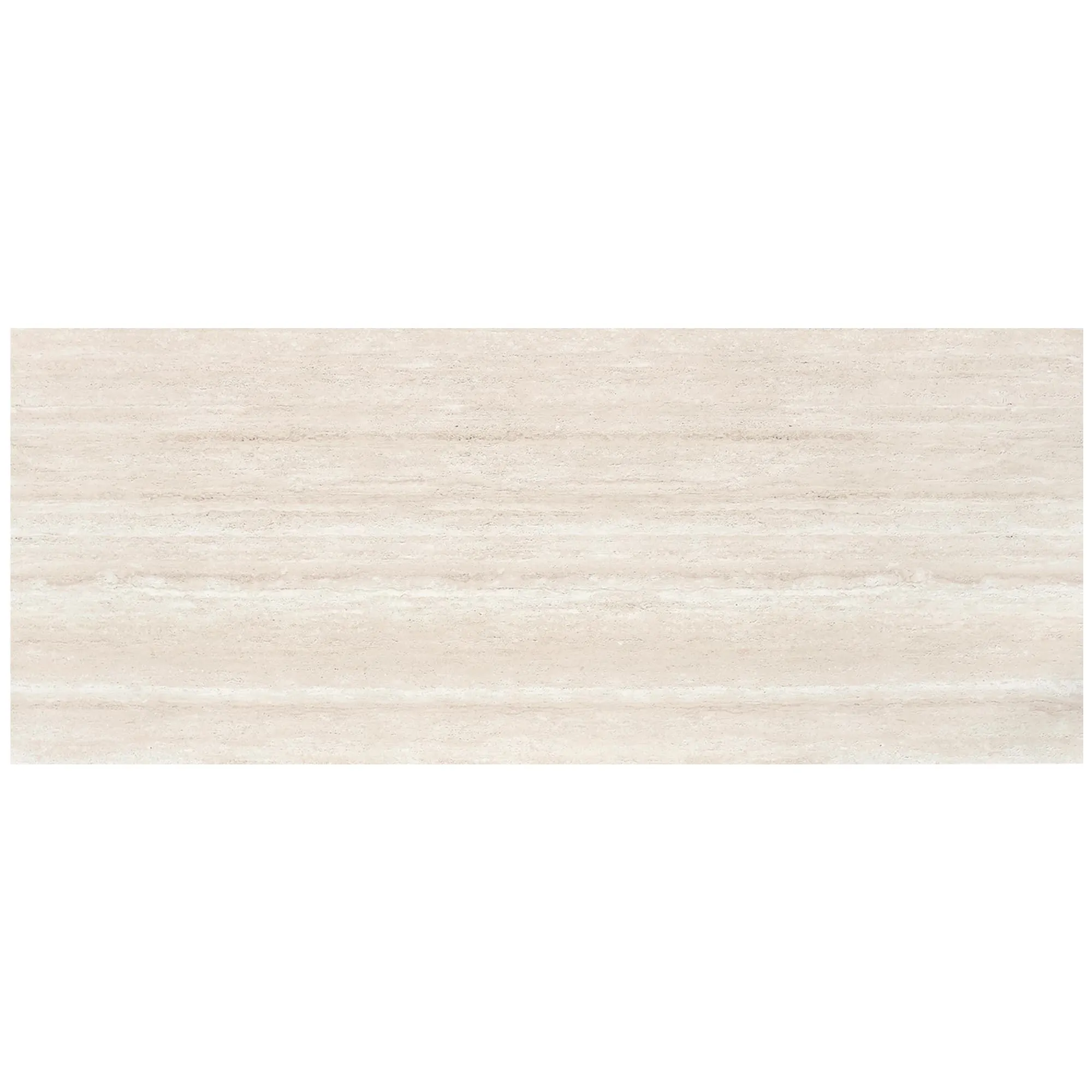
Redefining Architecture with Earth-Conscious Materials
In recent years, the architecture world has undergone a quiet revolution. It's no longer enough for buildings to be functional or visually striking—they must also tread lightly on our planet. As cities grow and construction demands rise, the choice of building materials has become a defining factor in a project's environmental impact. Enter COLORIA GROUP, a name synonymous with innovation in green building materials. Among their impressive lineup, one product stands out for its ability to blend sustainability, aesthetics, and versatility: Rona Yellow MCM. But before we dive into what makes Rona Yellow a game-changer, let's take a step back and understand why sustainable materials like MCM (Modified Composite Material) are reshaping the future of construction.
Traditional building materials—think natural stone quarried from fragile ecosystems, or concrete with high carbon footprints—have long been the norm, but they come with steep environmental costs. Quarrying disrupts habitats, transportation adds to emissions, and many materials end up in landfills once buildings are renovated or demolished. Today's architects and builders are asking: What if we could have the beauty and durability of natural materials without the ecological toll? That's where COLORIA's MCM products, including Rona Yellow, come into play. These materials are engineered to mimic the look and feel of natural stone, wood, or concrete, but with a fraction of the environmental impact. They're lightweight, recyclable, and designed to last for decades, reducing the need for frequent replacements.
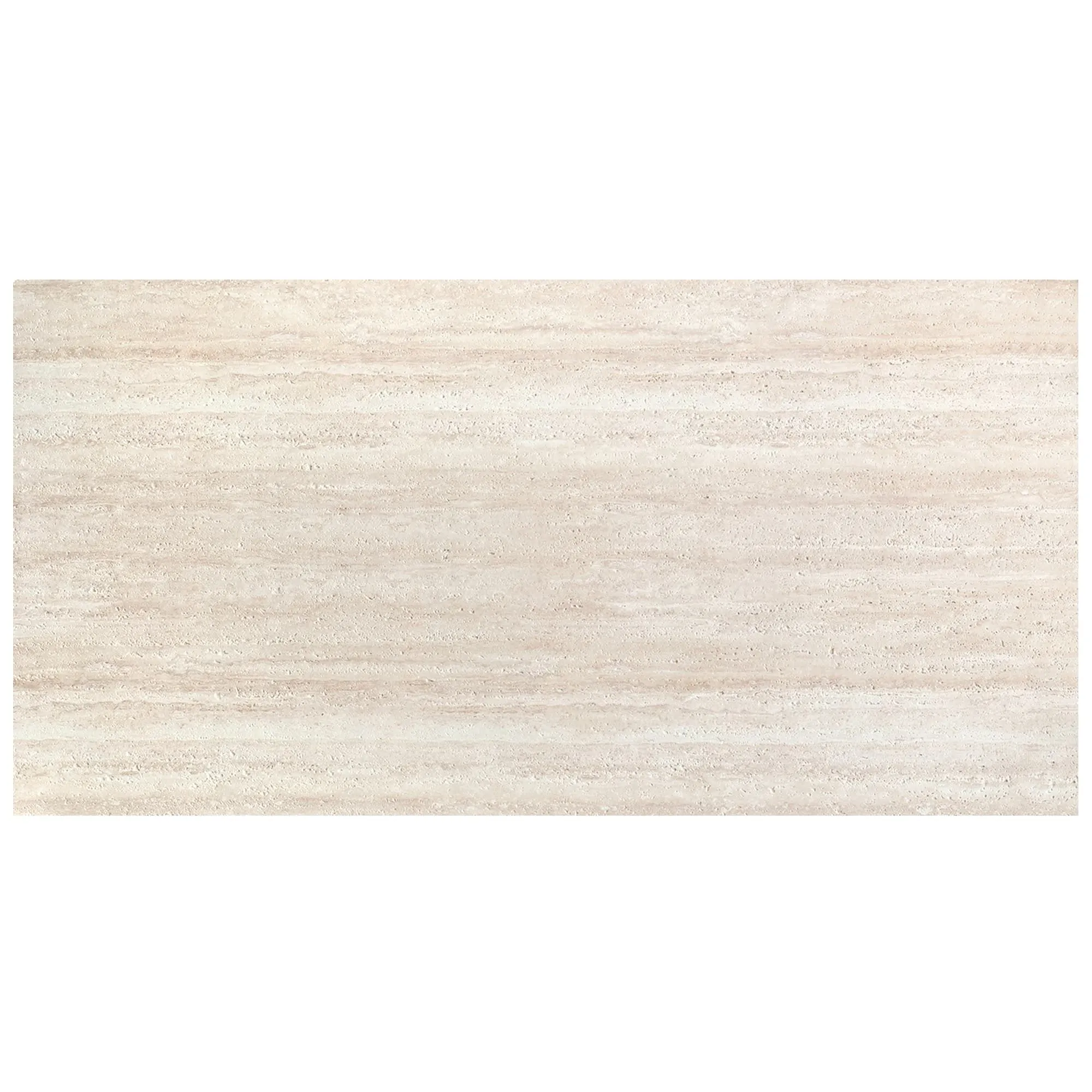
Rona Yellow MCM isn't just a building material—it's a statement. Named for its warm, sunlit hue that evokes the golden tones of Mediterranean landscapes, this product is a favorite among designers aiming to create spaces that feel inviting and grounded. But its beauty is more than skin deep. Let's break down what makes Rona Yellow a standout in COLORIA's eco-friendly portfolio.
At the core of Rona Yellow MCM is sustainability. Unlike natural stone, which requires intensive mining, MCM is a composite material made from recycled minerals, polymers, and fibers. This means fewer raw materials are extracted from the earth, and production emits significantly less carbon compared to traditional manufacturing processes. What's more, Rona Yellow MCM is 100% recyclable at the end of its lifecycle. Imagine a commercial building that, decades from now, can have its facade panels repurposed into new materials instead of contributing to landfill waste—that's the circular economy in action.
Lightweight is another key eco-friendly feature. Weighing in at just 4-6 kg per square meter, Rona Yellow MCM is up to 80% lighter than natural stone. This reduces the load on building structures, allowing for more efficient designs and cutting down on transportation emissions. When materials are lighter, fewer trucks are needed to transport them, and installation requires less energy—small changes that add up to big environmental wins.
Sustainability isn't just about production—it's about longevity. A material that needs to be replaced every 10 years isn't truly eco-friendly, no matter how green its manufacturing process. Rona Yellow MCM is built to last. Its composite structure resists fading, cracking, and water damage, even in harsh climates. Whether it's facing the scorching sun of the Middle East or the freezing rains of Northern Europe, this material maintains its color and integrity. This durability means less waste over time and fewer resources spent on repairs and replacements—a win for both the environment and building owners' budgets.
One of the reasons architects rave about Rona Yellow MCM is its adaptability. It can be cut into custom shapes, curved to fit unique designs, or paired with other COLORIA products to create layered, textured spaces. For example, imagine a boutique hotel in Bali where Rona Yellow MCM clads the exterior, complemented by warm wood grain board accents and subtle touches of linear travertine (claybank) for added depth. The result? A building that blends seamlessly with its tropical surroundings while exuding luxury. Or picture a corporate headquarters where Rona Yellow panels are used in the lobby, paired with fair-faced concrete for an industrial-chic vibe that feels both modern and approachable.
The material's warm yellow tone also plays well with natural light. In spaces with large windows, Rona Yellow reflects sunlight, creating bright, cheerful interiors that reduce the need for artificial lighting during the day—another energy-saving bonus. It's a small detail, but it underscores how COLORIA designs materials with both aesthetics and sustainability in mind.
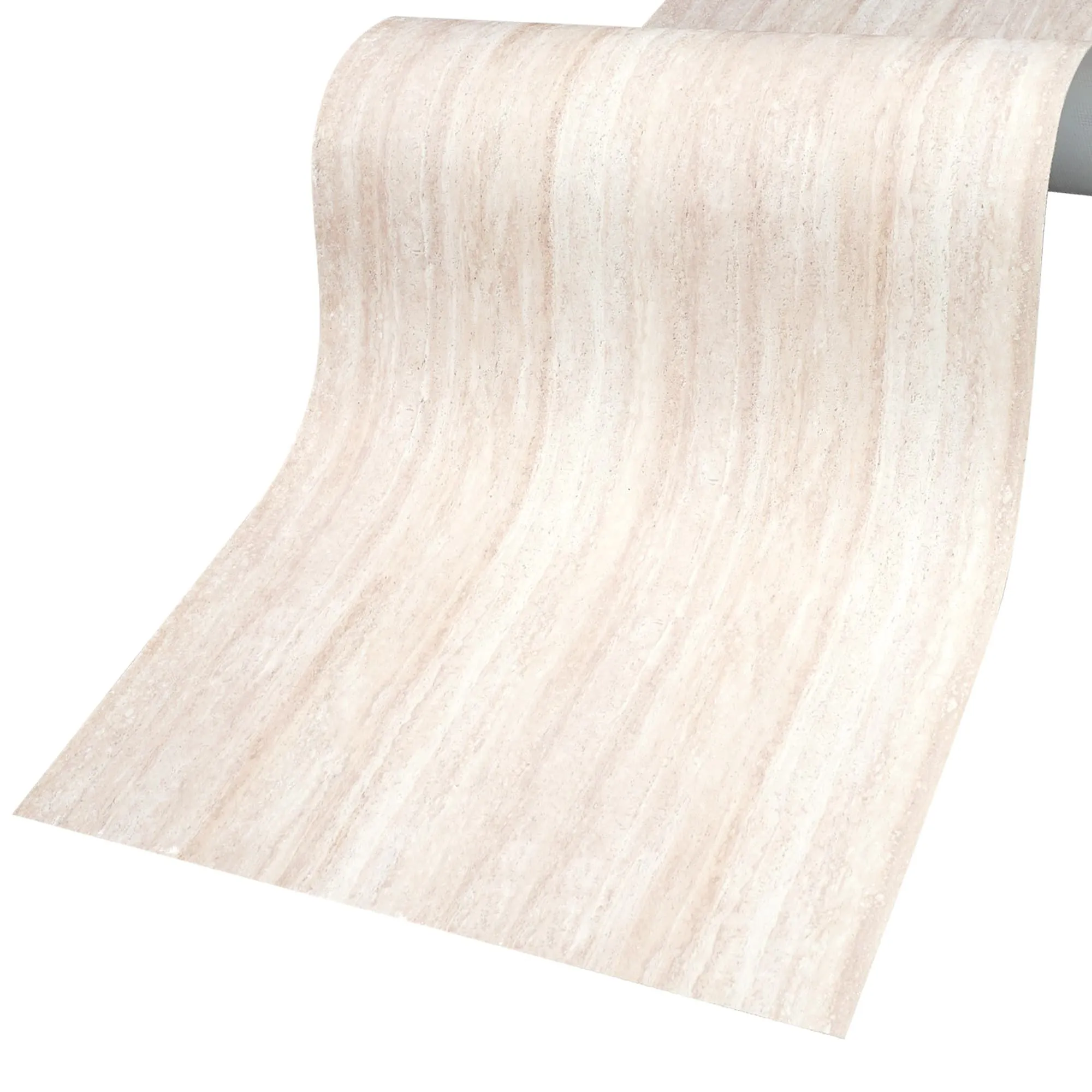
While Rona Yellow MCM is a star player, it's just one part of COLORIA GROUP's extensive range of sustainable building materials. The brand's strength lies in offering a "one-stop building materials solution," where architects and builders can find everything from facade panels to interior cladding, all with the same commitment to eco-friendliness. Let's explore a few standout products that pair beautifully with Rona Yellow, creating cohesive, sustainable designs.
| Product Name | Sustainability Features | Ideal Pairing with Rona Yellow | Design Vibe |
|---|---|---|---|
| Historical Pathfinders Stone | Replicates natural stone without quarrying; high durability | Heritage-inspired projects; adds rustic contrast to Rona Yellow's warmth | Timeless, storybook charm |
| Wood Grain Board | FSC-certified wood fibers; low formaldehyde emissions | Residential interiors (accent walls, ceilings); balances Rona Yellow with organic texture | Cozy, cabin-like warmth |
| Fair-Faced Concrete | Energy-efficient production; thermal insulation properties | Modern commercial spaces; creates sleek, minimalist contrast | Raw, industrial elegance |
| Linear Travertine (Claybank) | Lightweight; reduces structural load; recyclable | Textured feature walls; complements Rona Yellow with earthy stripes | Organic, tactile depth |
For projects that aim to honor history while embracing sustainability, Historical Pathfinders Stone is a perfect match for Rona Yellow MCM. This material is engineered to replicate the weathered, timeworn look of natural stone used in ancient structures—think cobblestone streets or medieval castle walls—without the environmental cost of quarrying. When paired with Rona Yellow, it creates a beautiful dialogue between old and new. Imagine a boutique winery where the exterior combines Rona Yellow MCM for a modern, sunlit facade and Historical Pathfinders Stone for the entranceway, evoking the charm of a centuries-old vineyard. It's sustainability with a story.
There's something inherently comforting about wood, but traditional hardwoods can be unsustainable due to deforestation. COLORIA's Wood Grain Board solves this problem by using FSC-certified wood fibers and recycled polymers to create a material that looks and feels like real wood, but with zero guilt. When used alongside Rona Yellow MCM, it adds layers of warmth and texture. For example, a restaurant interior might feature Rona Yellow-clad walls and Wood Grain Board ceilings, creating a space that feels both modern and cozy—like dining in a sunlit forest cabin. The combination is inviting, timeless, and 100% eco-friendly.
Fair-Faced Concrete is a favorite in modern design for its raw, unpolished look—but not all concrete is created equal. COLORIA's version is produced using energy-efficient processes and contains recycled aggregates, making it a far greener alternative to traditional concrete. When paired with Rona Yellow MCM, it creates a striking contrast: the warm yellow tones soften the concrete's industrial edge, resulting in spaces that feel both bold and balanced. A tech startup's office might use Fair-Faced Concrete for flooring and Rona Yellow MCM for accent walls, creating an environment that's sleek yet approachable—perfect for fostering creativity.
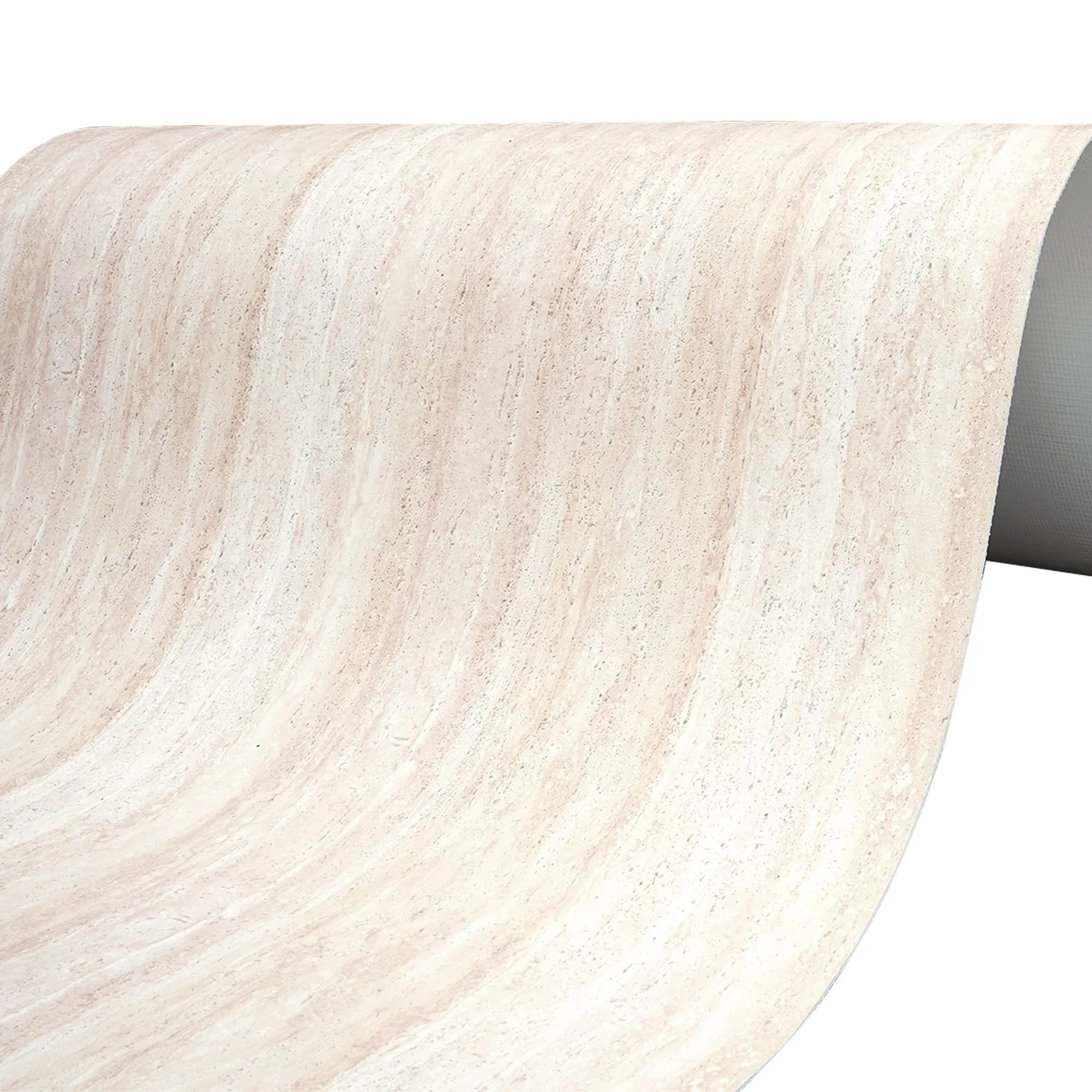
Rona Yellow MCM and its companion products are more than just materials—they're a reflection of COLORIA GROUP's mission to redefine what's possible in sustainable construction. As a "global construction solutions provider," the company doesn't just sell products; it partners with architects, builders, and developers to create projects that prioritize the planet without compromising on design or performance. Let's take a closer look at how COLORIA is turning this mission into action.
COLORIA's factories are designed with sustainability in mind. From solar panels powering production lines to water recycling systems that reduce waste, every step of the manufacturing process is optimized to minimize environmental impact. For example, the production of Rona Yellow MCM uses 60% less water than traditional stone manufacturing and emits 40% fewer greenhouse gases. The company also invests heavily in research and development, constantly seeking ways to make their materials even more eco-friendly—whether through new recycled materials or more efficient production techniques.
Talk is cheap when it comes to sustainability—that's why COLORIA backs up its claims with third-party certifications. Their MCM products, including Rona Yellow, are LEED-certified, meaning they meet strict standards for energy efficiency, water conservation, and indoor air quality. They also hold certifications from organizations like the Green Building Council and the Forest Stewardship Council (FSC), ensuring that every material used in their products is sourced responsibly. For architects and builders, these certifications aren't just badges—they're proof that choosing COLORIA is a choice you can feel good about.
As a "global construction solutions provider," COLORIA understands that sustainability is a global effort. The company works with partners in over 50 countries, providing training and support to ensure that their materials are installed correctly and sustainably. They also prioritize local sourcing whenever possible, reducing transportation emissions and supporting local economies. For example, in the Middle East, where Rona Yellow is particularly popular, COLORIA has established regional manufacturing hubs to supply materials to projects in the UAE, Kuwait, and beyond—cutting down on shipping distances and supporting local jobs.
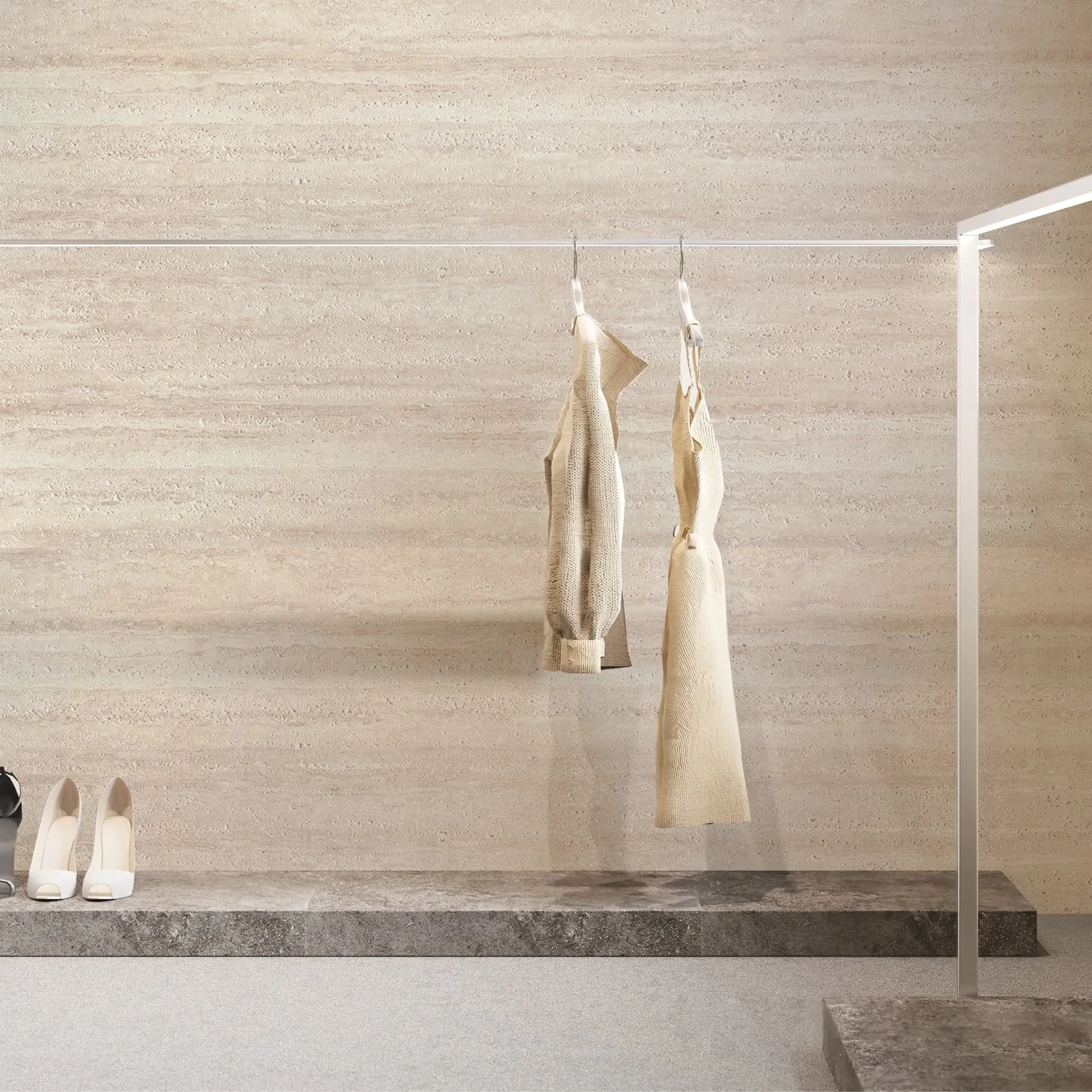
To truly understand the power of Rona Yellow MCM, let's look at a real-world example. The "Sunrise Commercial Hub" in Dubai, a mixed-use development completed in 2024, chose Rona Yellow MCM for its exterior facade and lobby interiors. The project's architects wanted a material that would stand out in Dubai's skyline while aligning with the developer's commitment to LEED Platinum certification. Rona Yellow delivered on both fronts.
The facade, clad in Rona Yellow panels, catches the desert sun, creating a warm, glowing effect that's visible from miles away. Inside, the lobby features Rona Yellow walls paired with Wood Grain Board accents and Fair-Faced Concrete floors, creating a space that feels both luxurious and approachable. But the real win? The building's sustainability metrics. Thanks in part to Rona Yellow's lightweight design, the structure required less steel reinforcement, reducing the overall carbon footprint. The material's durability also means the facade won't need replacement for at least 50 years, and when it does, the panels can be recycled into new COLORIA products. The Sunrise Commercial Hub is now a showcase for sustainable design in the Middle East—and it all starts with the choice of materials like Rona Yellow MCM.
As the world grapples with climate change, the demand for sustainable building materials will only grow. COLORIA GROUP is already ahead of the curve, with innovations like 3D-printed MCM panels and carbon-negative production processes in the works. But for now, Rona Yellow MCM remains a shining example of what's possible when sustainability, design, and functionality come together.
Whether you're an architect designing the next iconic skyscraper, a builder working on a residential development, or a homeowner looking to renovate with eco-friendly materials, Rona Yellow MCM offers a solution that doesn't ask you to compromise. It's a material that tells a story—of respect for the planet, of creativity in design, and of a future where buildings enhance, rather than harm, the world around them.
So, what's next? The future of sustainable building is bright—and it's yellow. With COLORIA GROUP leading the way, and products like Rona Yellow MCM setting the standard, we can look forward to a world where every structure is a testament to the fact that beauty and sustainability don't have to be mutually exclusive. It's a future where buildings don't just house us—they inspire us to do better, for the planet and for each other.
Recommend Products












