
Let's talk about something we all interact with every day but rarely stop to think about: the buildings around us. From the office where you work to the café down the street, every structure has a hidden story—one written in carbon. The construction industry is a major player in global emissions, responsible for about 39% of energy-related CO₂ output, according to the UN Environment Programme. That's a staggering number, and it's got builders, architects, and homeowners alike asking: Is there a better way?
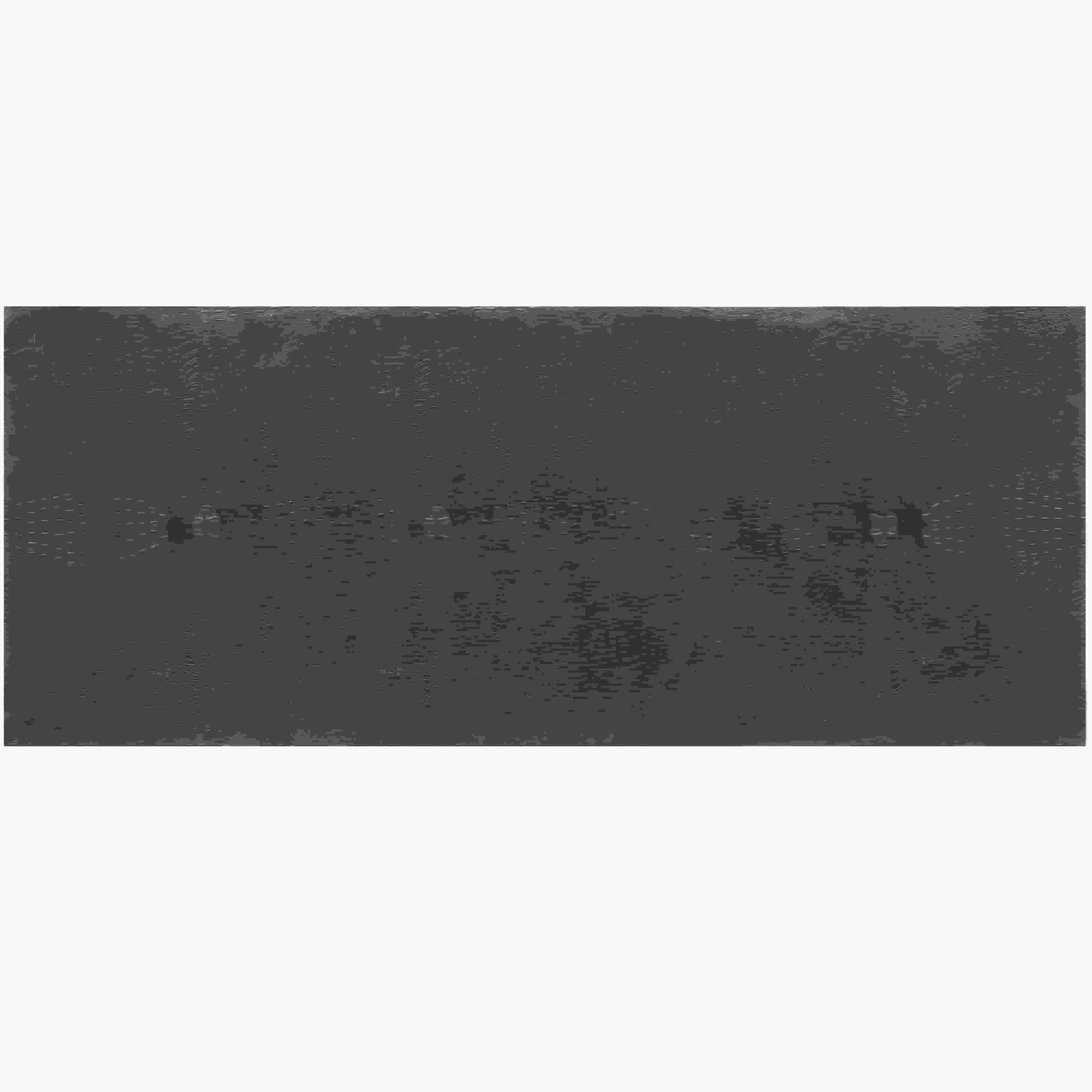
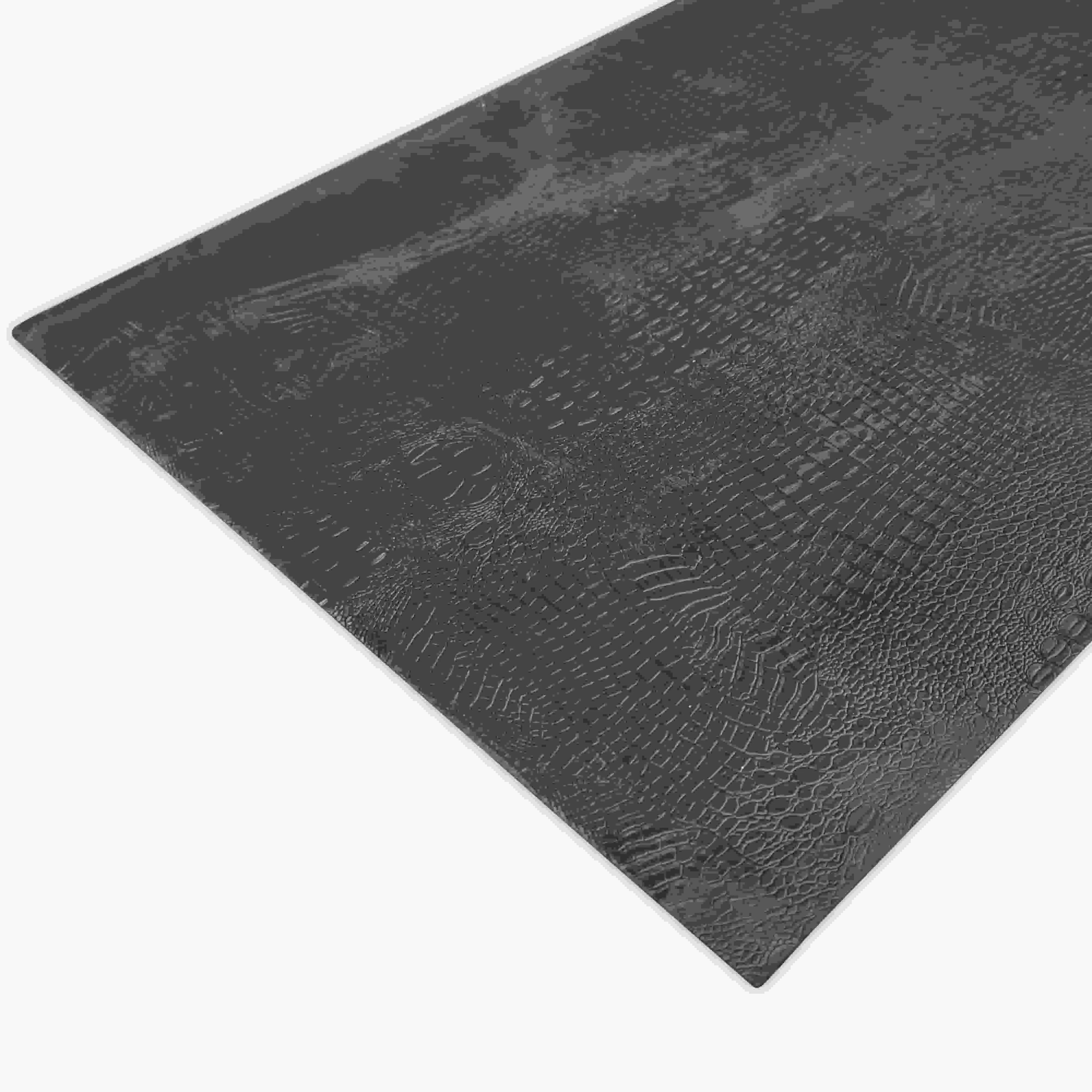
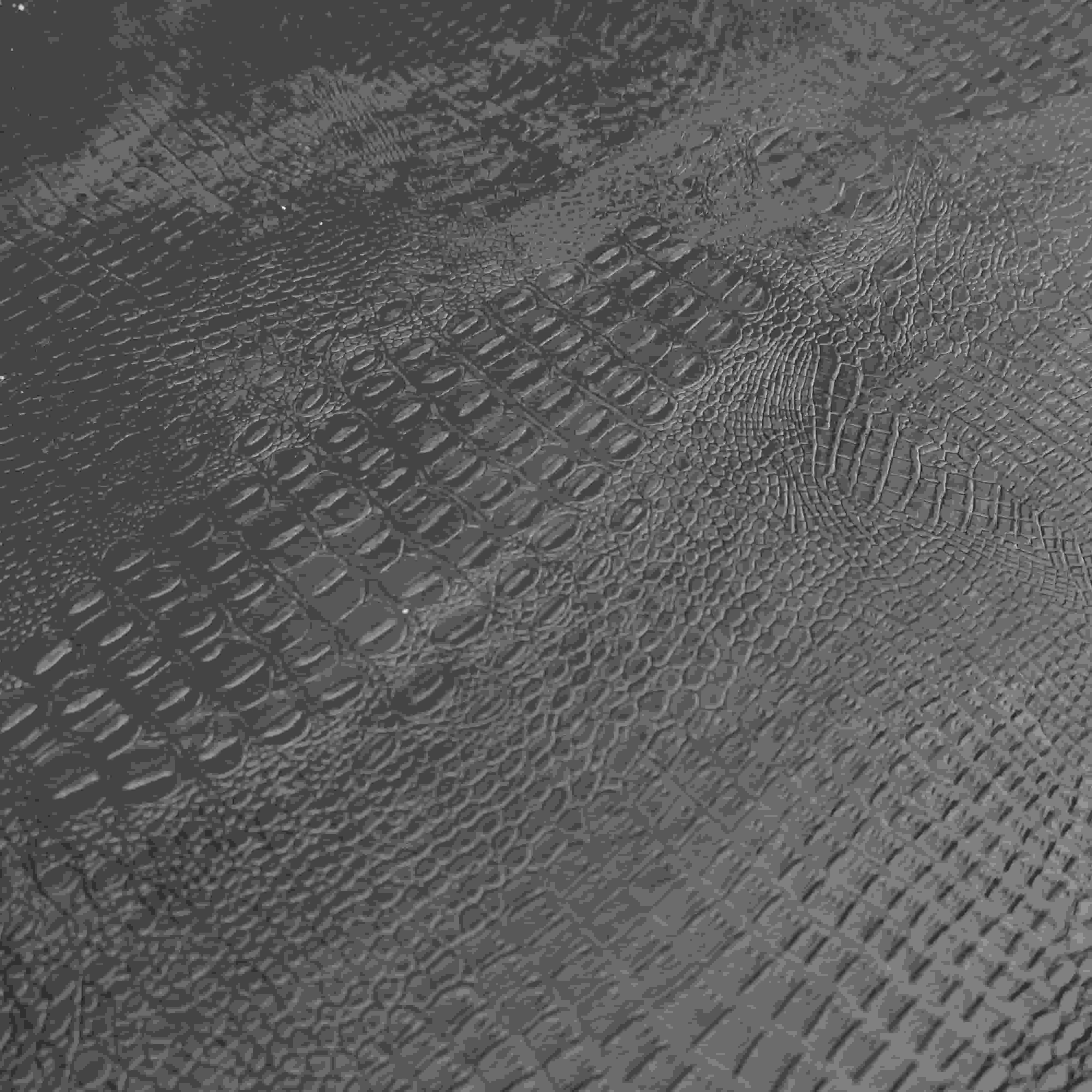
Enter Croco MCM. If you haven't heard of it yet, don't worry—you're about to. MCM, or Modified Composite Material, is changing the game for sustainable construction, and Croco MCM is leading the charge. Today, we're diving into how this innovative line of materials—think mcm flexible stone , foamed aluminium alloy board (vintage silver) , and even 3D art concrete board —is slashing carbon footprints without sacrificing style or durability. Let's start with the basics.
At its core, MCM is a blend of natural minerals, recycled polymers, and advanced binders. The result? A material that's lightweight, flexible, and tough as nails. Traditional building materials—like heavy stone slabs or thick concrete—require massive amounts of energy to extract, transport, and install. MCM flips that script. It's engineered to be thin (often just 3-5mm thick) but surprisingly strong, which means less material, less fuel for transportation, and less strain on the planet.
Croco MCM takes this a step further by focusing on eco-friendly production. Their factories prioritize renewable energy, and many of their materials incorporate recycled content. For example, their mcm flexible stone is made with leftover stone dust from quarrying—waste that would otherwise end up in landfills. Instead, it's transformed into a flexible sheet that can mimic the look of natural stone, marble, or even wood. It's like giving waste a second life as something beautiful.
Let's get real: sustainability isn't just a buzzword. When a building project uses eco-friendly materials, it's not just checking a box—it's making a choice that ripples outward. Lower carbon emissions mean cleaner air for communities nearby. Lighter materials mean fewer trucks on the road, reducing traffic and local pollution. And durable materials mean buildings that last longer, reducing the need for frequent repairs (and more emissions down the line).
Here's where Croco MCM really shines. Let's break down three of their star players and why they're game-changers:
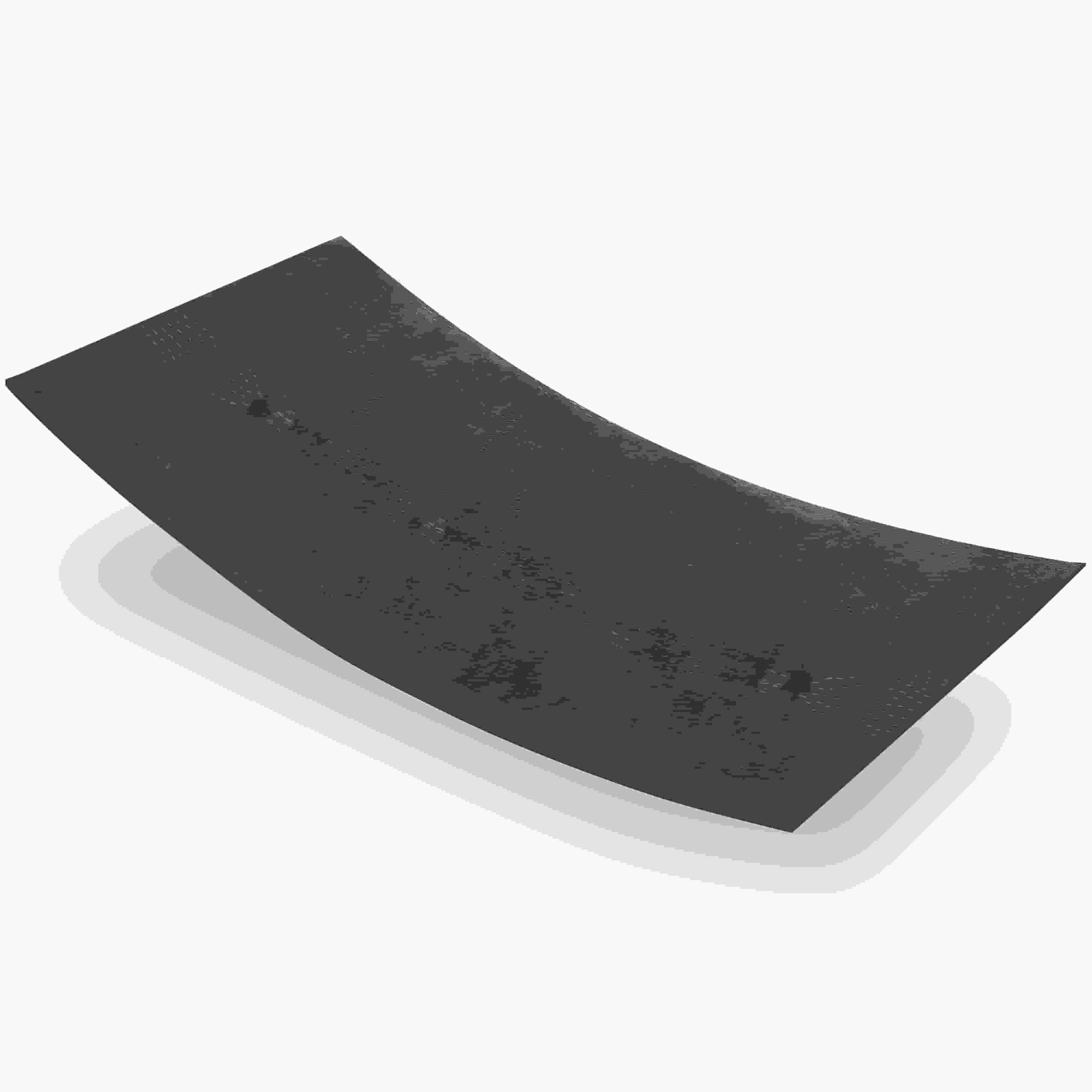
Imagine a material that looks like natural travertine or granite but weighs 70% less. That's mcm flexible stone in a nutshell. Traditional stone slabs can weigh upwards of 50kg per square meter; Croco's flexible stone clocks in at just 5-8kg/m². Why does that matter? Heavier materials require bigger trucks, stronger support structures, and more energy to install. With flexible stone, you're cutting transportation emissions by up to 60% (yes, that's a real number from their sustainability reports) and reducing the need for carbon-heavy steel reinforcements in buildings.
But it's not just about weight. The production process is a win, too. Unlike quarrying natural stone— which can disrupt ecosystems and release harmful dust—Croco's flexible stone is made in controlled facilities with minimal waste. And since it's flexible, it can bend around curves or wrap columns without cracking, which means fewer cuts, less material waste, and a smoother installation process. Architects love it because it lets them get creative without the environmental guilt.
Now, let's talk about foamed aluminium alloy board (vintage silver) —a material that sounds fancy but is all about substance. Foamed aluminium is created by injecting gas into molten aluminium, resulting in a lightweight, porous structure that's surprisingly strong. Croco's vintage silver finish adds a sleek, modern look, but the real star is its sustainability credentials.
Aluminium is 100% recyclable, and recycling it uses just 5% of the energy needed to produce new aluminium. Croco sources their aluminium from recycled scrap, closing the loop on waste. Plus, the foaming process itself reduces the amount of raw material needed—meaning less mining, less energy, and lower emissions. Compare that to traditional metal cladding, which often uses virgin materials and requires heavy machining, and the difference is clear.
One project in Barcelona used Croco's foamed aluminium alloy boards for a commercial facade, and the result? A 40% reduction in transportation costs (thanks to the lightweight panels) and a building that stays cooler in summer, cutting down on AC use. It's proof that sustainability and style can go hand in hand.
Concrete has been a construction staple for centuries, but let's be honest—it's not the greenest option. Traditional concrete production releases CO₂ as a byproduct, and pouring it into molds often leads to waste when shapes don't turn out right. Enter 3D art concrete board , Croco's answer to this problem.
Using 3D printing technology, Croco creates intricate concrete panels with pinpoint precision. No more over-pouring or misshapen molds—every board is exactly the size and design you need. This reduces waste by up to 30% compared to traditional casting methods. Even better, their concrete mix includes recycled aggregates, like crushed glass or reclaimed concrete, which cuts down on the need for virgin materials.
Take the "Urban Oasis" project in Berlin, where 3D art concrete boards were used for a community center's exterior. The panels featured a wave-like texture that would have been nearly impossible (and wildly wasteful) to achieve with traditional concrete. Instead, the 3D printing process allowed for precise, repeatable patterns with minimal excess material. The result? A building that's not just eco-friendly but a work of art.
Numbers tell a powerful story, so let's put Croco MCM side by side with some common traditional materials. The table below compares carbon footprint, weight, and recyclability—three key factors in sustainability.
| Material | Carbon Footprint (kg CO₂/m²) | Weight (kg/m²) | Recyclability Rate |
|---|---|---|---|
| Natural Travertine (e.g., Starry Green) | 18-22 | 45-55 | Low (difficult to recycle) |
| Fair-Faced Concrete | 12-15 | 220-240 | Medium (crushed for aggregate) |
| Croco MCM Flexible Stone | 3-5 | 5-8 | High (recyclable into new MCM) |
| Croco Foamed Aluminium Alloy (Vintage Silver) | 2-4 | 4-6 | Very High (100% recyclable) |
| Croco 3D Art Concrete Board | 6-8 | 15-20 | Medium-High (recycled aggregates) |
Look at that difference! Travertine (starry green) , a beautiful natural stone, has a carbon footprint nearly 4 times higher than Croco's flexible stone. And fair-faced concrete? It's so heavy that transporting it adds significant emissions, not to mention the strain it puts on building foundations. Croco's materials aren't just better for the planet—they're easier to work with, too.
Sustainability isn't just a numbers game; it's about the people who build, live, and work in these spaces. Take Maria, a contractor in Lisbon who switched to Croco MCM for a residential project last year. "We used their flexible stone for the exterior cladding," she told me. "Not only did we finish the job two weeks early because the panels were so easy to install, but the homeowners were thrilled. They loved that their new home looked like it had natural stone but without the guilt of knowing it was harming the environment."
Or consider the "Green School" in Copenhagen, which used Croco's foamed aluminium alloy board (vintage silver) for its roof. The lightweight panels reduced the need for a heavy steel frame, cutting construction time and costs. Now, the school uses the savings to fund environmental education programs for students. It's a ripple effect: sustainable materials lead to sustainable communities.
As we look ahead, one thing is clear: the construction industry can't keep doing business as usual. Climate change is urgent, and consumers are demanding more from the brands they support. Croco MCM isn't just a product line—it's a vision for the future, where buildings enhance our lives without harming the planet.
Whether you're an architect sketching your next masterpiece, a builder looking to cut costs and emissions, or a homeowner dreaming of a renovation, there's something in Croco MCM for you. From the earthy tones of travertine (starry green) to the modern sheen of vintage silver foamed aluminium, these materials prove that sustainability doesn't mean sacrificing style. In fact, it might just make your project more unique.
So the next time you walk past a construction site, take a closer look. If you see lightweight panels being lifted with ease, or intricate concrete designs that seem too perfect to be poured, chances are it's MCM. And if it is, you can smile knowing that building a better world is already under way—one flexible stone, one foamed aluminium board, one 3D-printed concrete panel at a time.
Here's to the builders, the innovators, and everyone who chooses to build green. The planet (and future generations) will thank you.
Recommend Products












