

Walk into any modern city today, and you'll notice a quiet revolution happening on building facades, in hotel lobbies, and across residential complexes. Architects and designers are ditching heavy, resource-heavy materials for something smarter, lighter, and kinder to our planet. Traditional stone and concrete have long been go-tos for construction, but their environmental footprint—from quarrying to transportation—has left the industry searching for better options. That's where COLORIA GROUP steps in, with their game-changing MCM (Modified Cementitious Material) series. Today, we're diving into how these innovative materials, especially Wave Panels , MCM Flexible Stone , and cutting-edge MCM 3D Printing Series , are redefining sustainable building without sacrificing style.
First things first: what makes MCM different? At its core, MCM is a modified cementitious material—think of it as traditional cement's eco-conscious cousin. Unlike conventional concrete or natural stone, which require massive energy to extract and process, MCM is engineered to be lightweight, durable, and low-impact. COLORIA's production process cuts down on carbon emissions by 30% compared to standard stone manufacturing, and because it's a composite material, it uses recycled industrial byproducts without losing strength. That means fewer quarries torn into the earth, less fuel burned to transport heavy slabs, and a building material that's designed to last decades without degrading.
But sustainability isn't just about production. It's about practicality, too. Anyone who's worked with natural stone knows the headaches: it's heavy, tricky to install, and nearly impossible to customize without wasting material. MCM flips that script. Take COLORIA's MCM Big Slab Board Series , for example—large-format panels that cover more surface area in fewer pieces, reducing installation time and labor costs. And since they're lighter than traditional stone (we're talking 70% lighter!), they put less stress on building structures, opening up design possibilities for high-rises and retrofits that would've been impossible before.
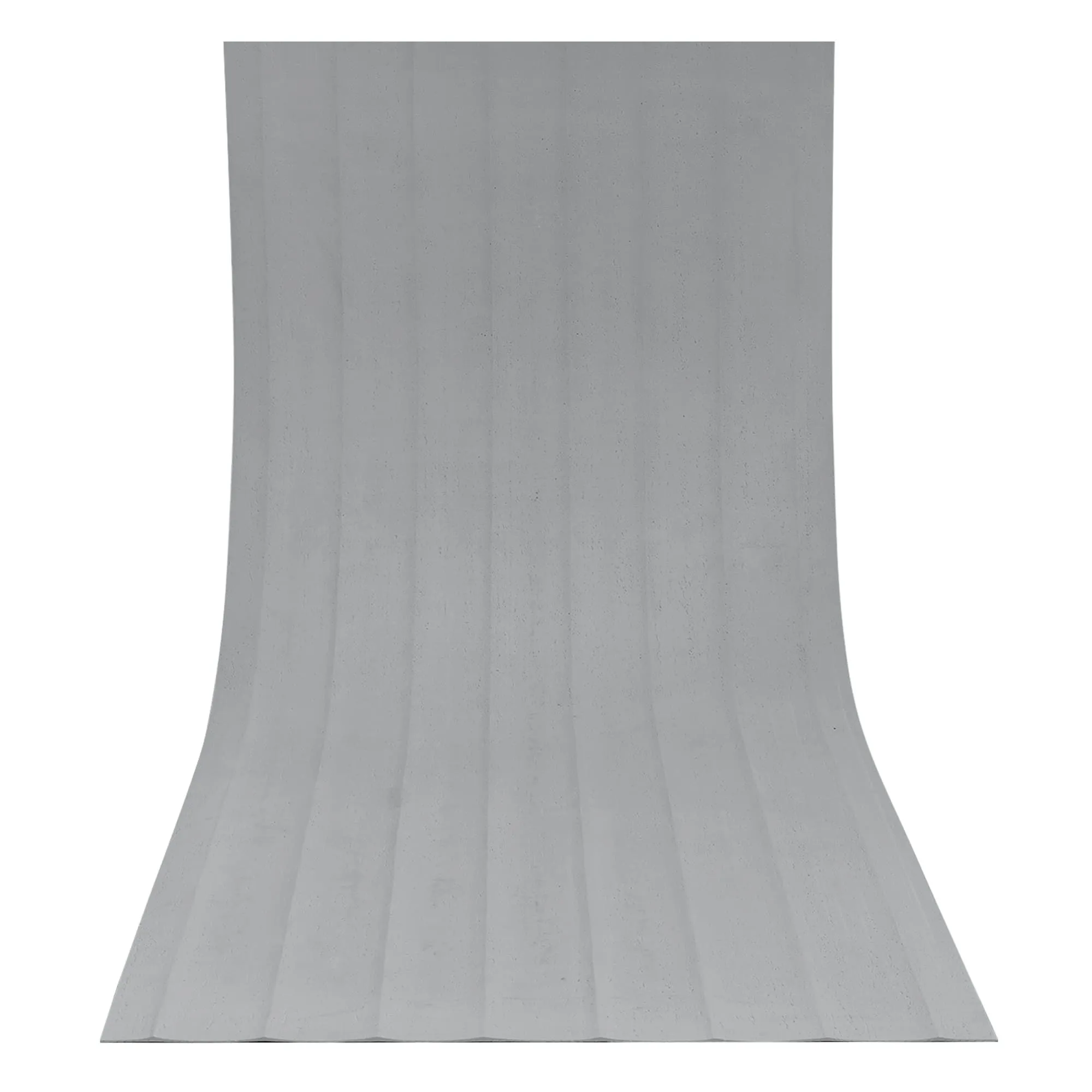
Let's talk about the star of the show: Wave Panels . If you've ever wished buildings could feel less rigid and more alive, these panels are the answer. Inspired by natural movement—ocean waves, wind-blown sand, even the curve of a leaf—Wave Panels add organic flow to any space. Imagine a boutique hotel where the exterior walls ripple like water, catching the sunlight at different angles to create shifting patterns throughout the day. Or a corporate office lobby where the reception wall isn't just a flat surface, but a three-dimensional wave that invites guests to reach out and touch its textured surface.
What makes Wave Panels so special? It's all in the MCM formula. Traditional stone can't bend or curve without expensive, wasteful cutting, but MCM's flexibility lets designers create smooth, continuous waves without seams. And since they're part of COLORIA's custom solution lineup, you're not stuck with generic shapes. Want a gentle undulation for a spa? A bold, dramatic wave for a tech startup's headquarters? The team at COLORIA works with architects to turn those visions into reality, using digital modeling to refine every curve before production.
But it's not just about looks. Wave Panels are built to perform. In harsh climates like Saudi Arabia—where COLORIA has a strong presence—these panels stand up to extreme heat, sandstorms, and humidity without fading or cracking. And because they're lightweight, installing them on high-rise exteriors is safer and faster than hauling heavy stone slabs up scaffolding. For contractors, that means shorter project timelines and happier clients.
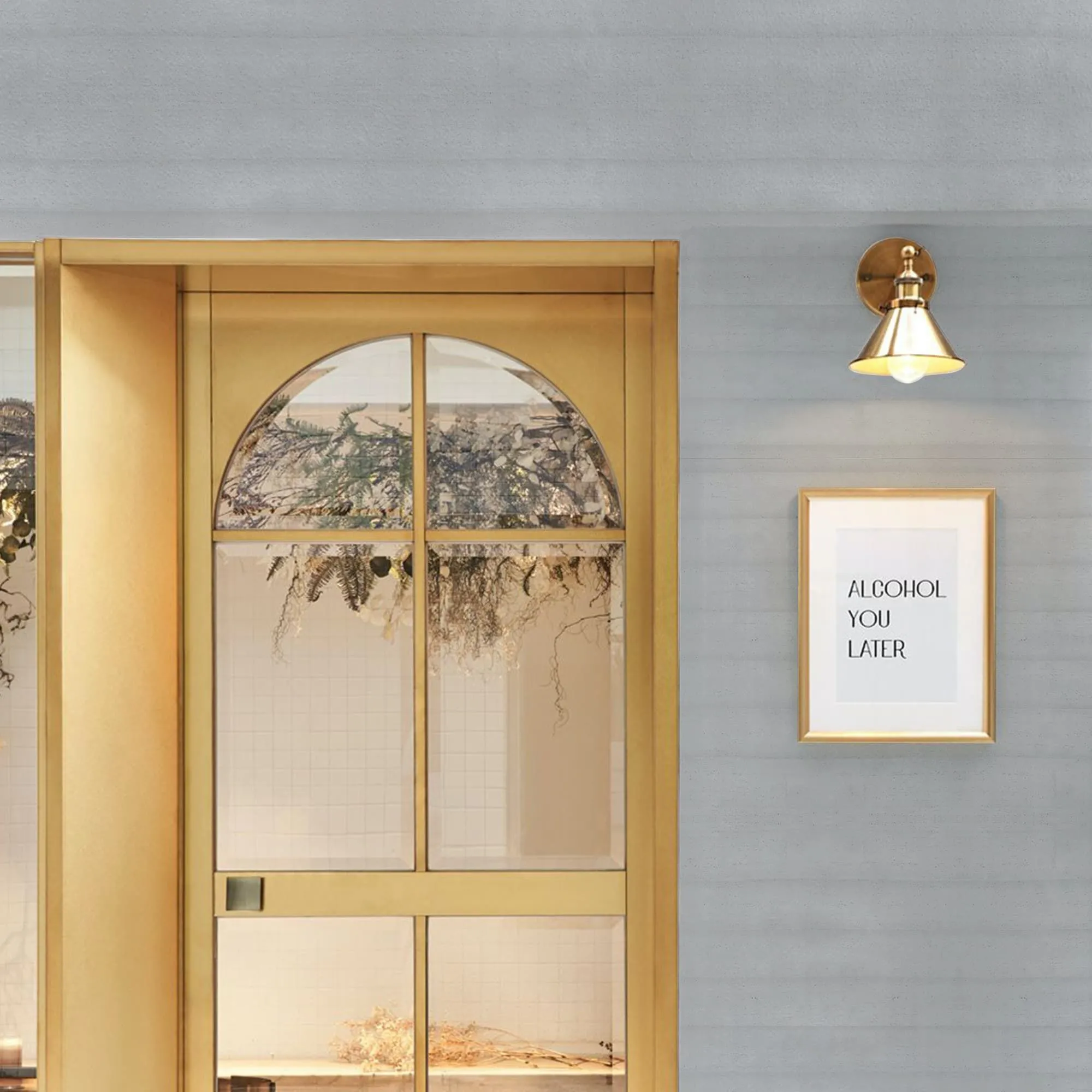
If Wave Panels are about movement, MCM Flexible Stone is about adaptability. Picture this: a historic building getting a modern upgrade, where the original brick walls are uneven and full of character. Traditional stone cladding would require extensive structural work to flatten the surface, risking damage to the heritage architecture. But MCM Flexible Stone? It bends. Literally. These thin, flexible sheets conform to irregular surfaces, hugging every nook and cranny of the original walls while adding a fresh, contemporary layer.
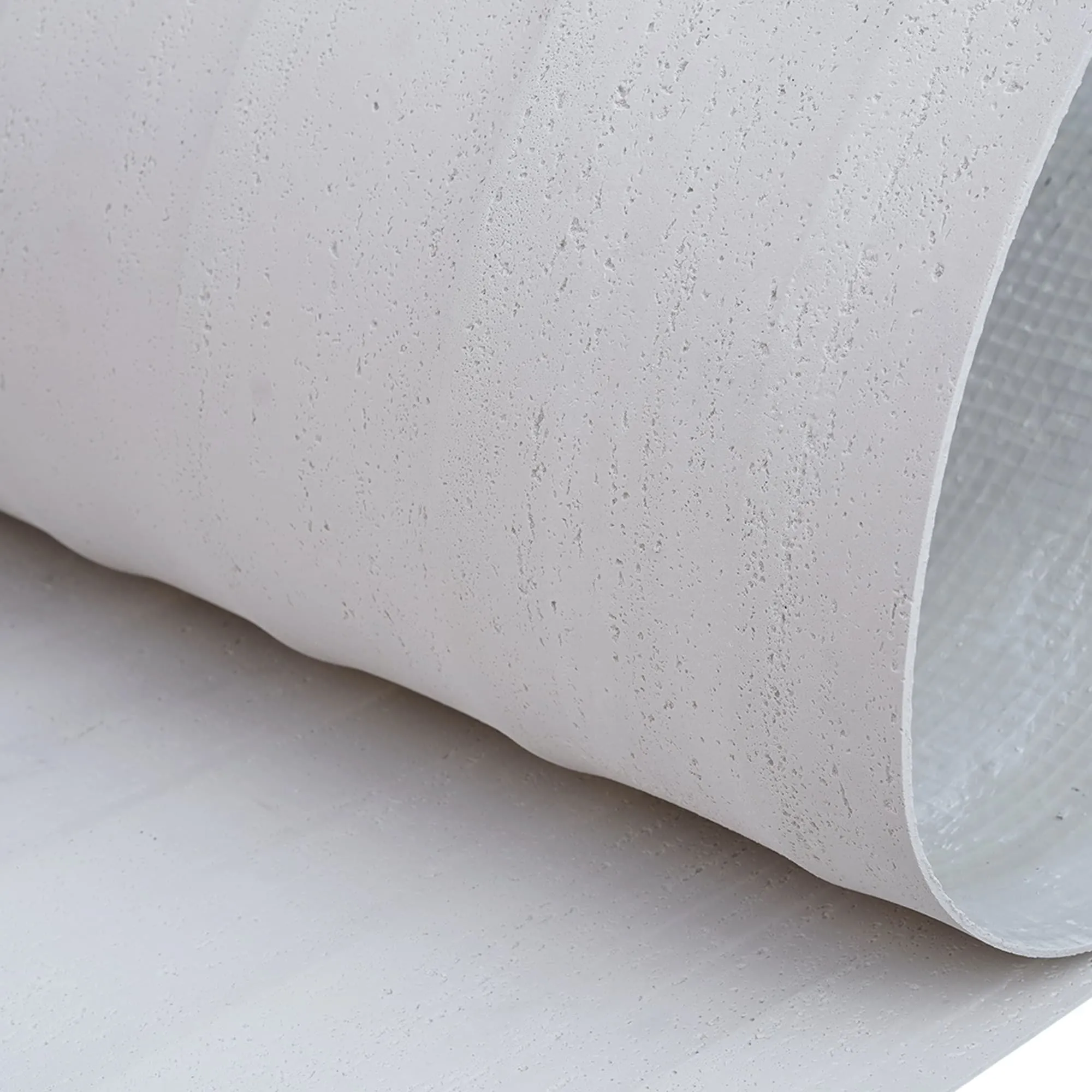
The texture of MCM Flexible Stone is something to write home about, too. COLORIA mimics the look and feel of natural stone—think travertine's subtle pores, granite's granular finish, or even the rough-hewn charm of quarried stone—without the environmental cost. Run your hand over a panel, and you'll swear it's the real thing. That's because the team uses high-definition scanning of natural stones to replicate their unique patterns, then prints them onto the MCM base. The result? A material that looks and feels authentic, but weighs a fraction of the real deal.
Residential projects love Flexible Stone for its versatility. Imagine a home exterior that combines warm, earthy tones with a stone-like finish, but doesn't require a massive foundation to support the weight. Or a bathroom backsplash that wraps around the sink and up the wall in a seamless curve, adding luxury without the risk of water damage (MCM is naturally moisture-resistant, by the way). It's the kind of material that makes designers say, "I didn't think that was possible."
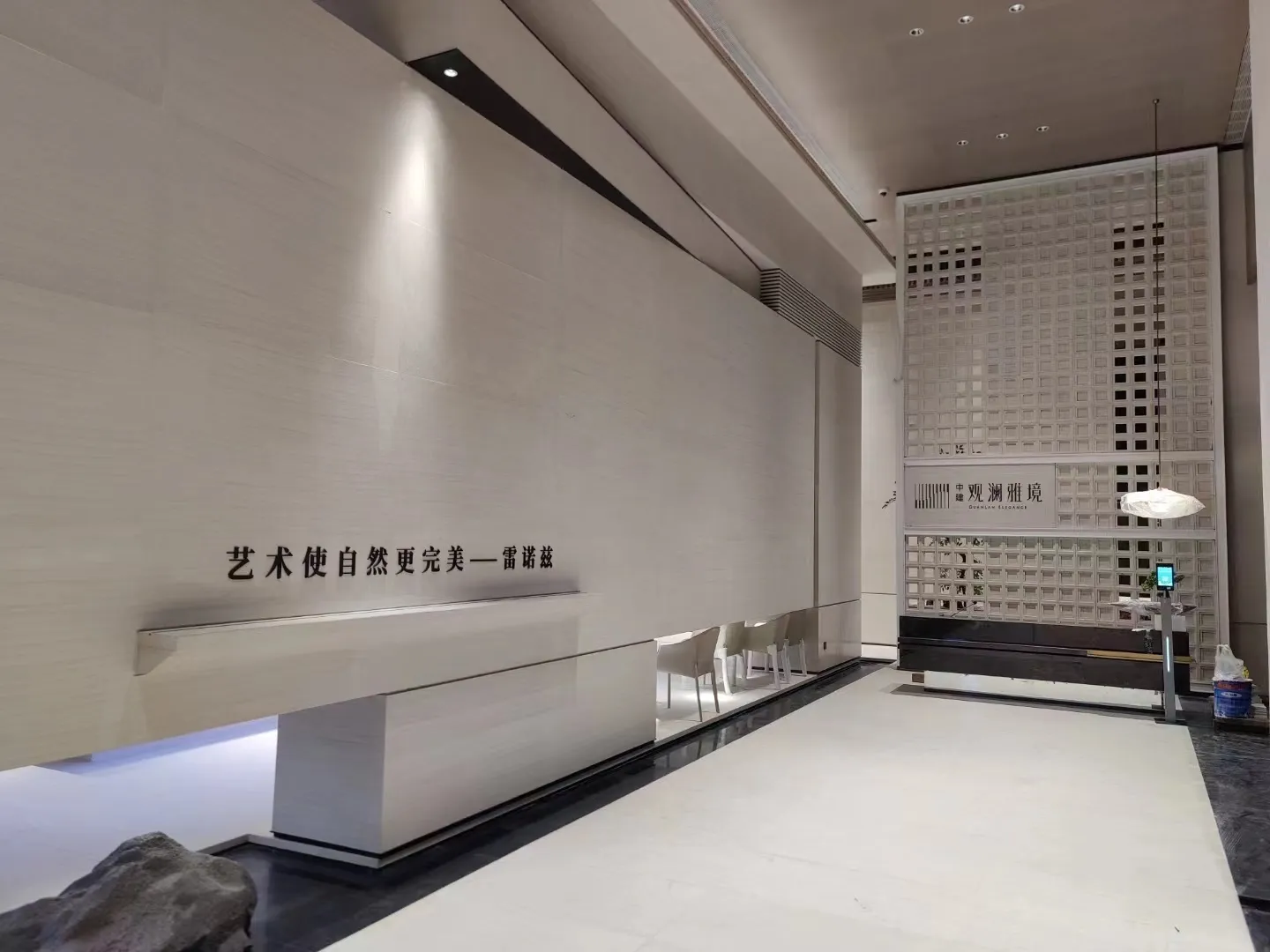
If you thought 3D printing was just for small gadgets or prototypes, think again. COLORIA's MCM 3D Printing Series is bringing additive manufacturing to the big leagues—building facades, decorative elements, and even furniture with unprecedented precision. This isn't just about making things faster; it's about making things that were never possible before.
Take, for example, a commercial plaza that wants to stand out. Instead of generic concrete planters, the designer envisions organic, sculptural shapes that look like they've grown out of the ground. With traditional methods, that would mean hours of hand-carving, high costs, and lots of waste. With MCM 3D Printing, COLORIA can print those planters layer by layer, using only the material needed and adjusting the design on the fly if the client wants a tweak. The result? One-of-a-kind pieces that tell a story, without the environmental guilt.
But 3D printing isn't just for aesthetics. It's also about efficiency. When constructing a complex facade with unique geometric patterns, 3D-printed MCM panels can be pre-cut to fit together like puzzle pieces, reducing on-site waste and installation time. In Saudi Arabia's fast-growing construction market, where deadlines are tight and labor costs are high, this kind of innovation isn't just nice to have—it's a game-changer.
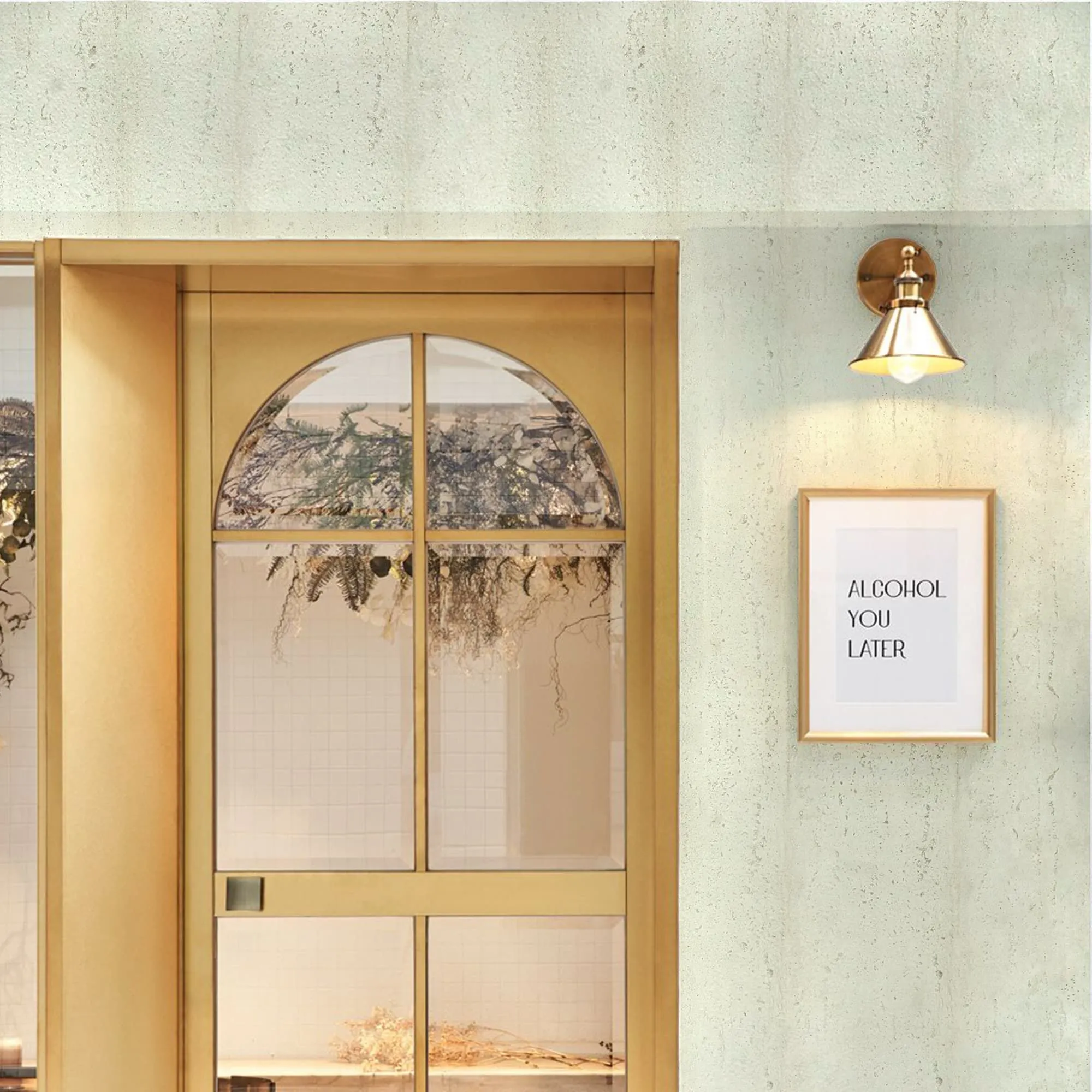
Sometimes, bigger really is better—especially when it comes to construction efficiency. MCM Big Slab Board Series delivers just that: large-format panels (up to 1200x2400mm) that cover more wall space with fewer seams. For commercial projects like shopping malls or office towers, that means a cleaner, more modern look, and a lot less time spent aligning small tiles or slabs.
Traditional big slabs often come with big problems: they're heavy, fragile, and hard to transport without cracking. MCM Big Slabs? Light enough for two people to carry, strong enough to withstand bumps during transit, and easy to install with standard tools. Contractors report cutting installation time by 40% on projects using these panels, which translates to lower labor costs and faster project turnarounds.
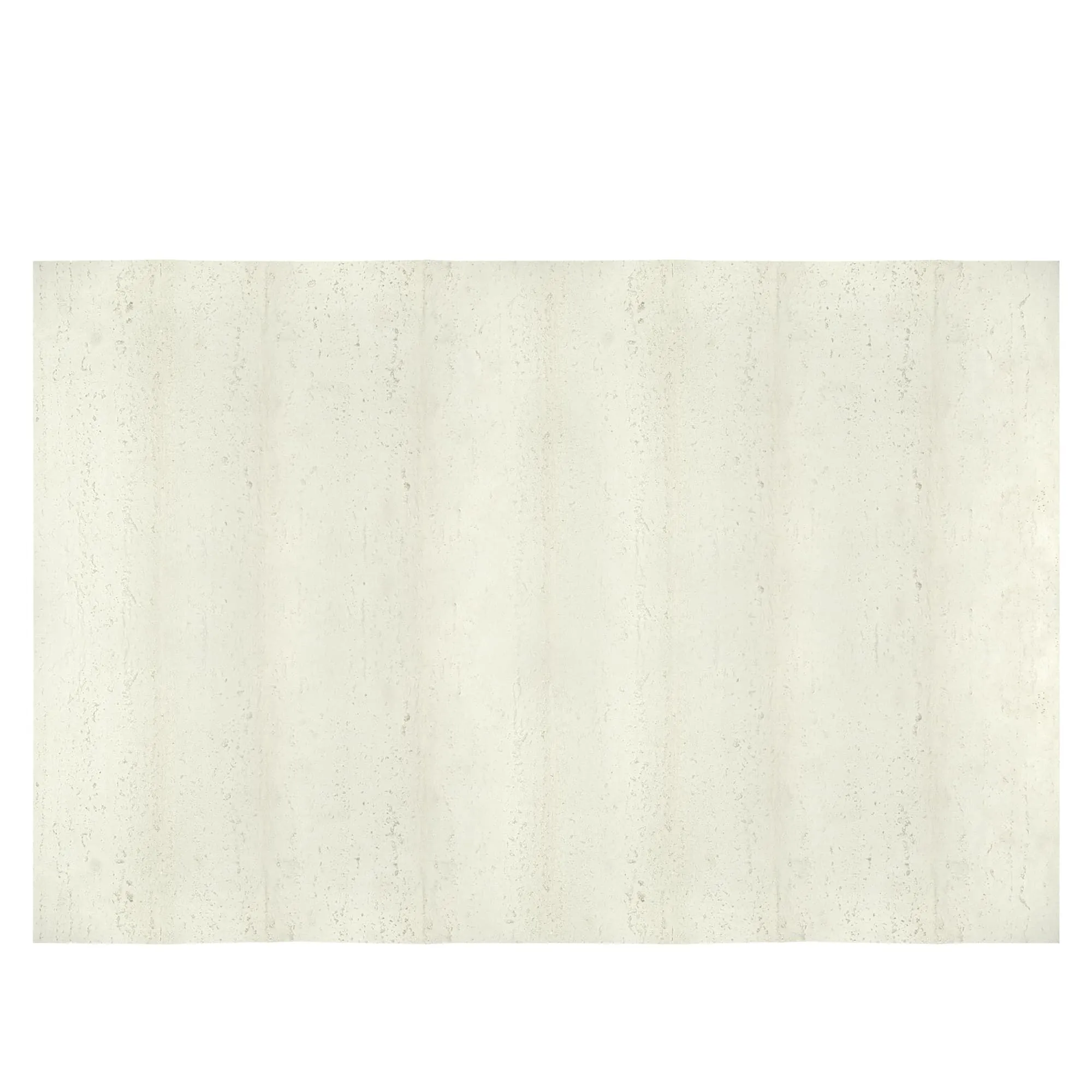
And let's talk about customization again. COLORIA offers a rainbow of finishes for their Big Slab Series, from classic neutrals like "Lunar Peak Silvery" and "Lime Stone Beige" to bold statement colors like "Starry Green Travertine" or "Rusty Red Mosaic." Want a marble-like finish for a luxury hotel? A industrial concrete look for a tech hub? The options are nearly endless, and because the color is integrated into the material (not just painted on), it won't chip or fade over time.
Still on the fence about MCM? Let's break down the benefits with hard facts. The table below compares COLORIA's MCM materials—including Wave Panels, Flexible Stone, and Big Slabs—against traditional natural stone and concrete:
| Feature | Traditional Natural Stone | Traditional Concrete | COLORIA MCM Materials |
|---|---|---|---|
| Weight (per sq.m) | 25-30kg | 20-25kg | 6-8kg |
| Carbon Footprint | High (quarrying + transport) | High (cement production) | 30% lower than stone |
| Installation Time | Slow (heavy, requires specialists) | Moderate (curing time needed) | 40% faster (lightweight, pre-cut) |
| Customization | Limited (natural variations) | Basic (stamping possible) | Unlimited (3D printing, digital design) |
| Durability | High (but prone to cracking) | High (but heavy) | High (impact-resistant, weatherproof) |
The difference is clear: MCM materials check every box for sustainability, efficiency, and design freedom. And with COLORIA's global reach (including that handy Saudi Arabian office), these solutions aren't just for local projects—they're transforming buildings worldwide.
At the end of the day, sustainable construction isn't just a trend—it's a responsibility. Every building we put up today affects the planet tomorrow, and materials matter. COLORIA GROUP gets that. Their MCM series isn't just about creating pretty panels; it's about reimagining how we build, so that future generations can enjoy both beautiful architecture and a healthy Earth.
Whether you're an architect dreaming up the next iconic skyline, a contractor looking to streamline projects, or a homeowner wanting to upgrade your space sustainably, MCM has something to offer. From the flowing curves of Wave Panels to the adaptable charm of Flexible Stone, the precision of 3D Printing, and the efficiency of Big Slabs, COLORIA's solutions prove that going green doesn't mean compromising on style or performance.
So the next time you walk past a building with walls that seem to dance, or a facade that looks impossibly perfect, take a closer look—it might just be MCM in action. And if you're planning your next project? Consider this: the future of construction isn't heavy, wasteful, or generic. It's lightweight, thoughtful, and full of possibilities. It's MCM. It's COLORIA.
Recommend Products











