
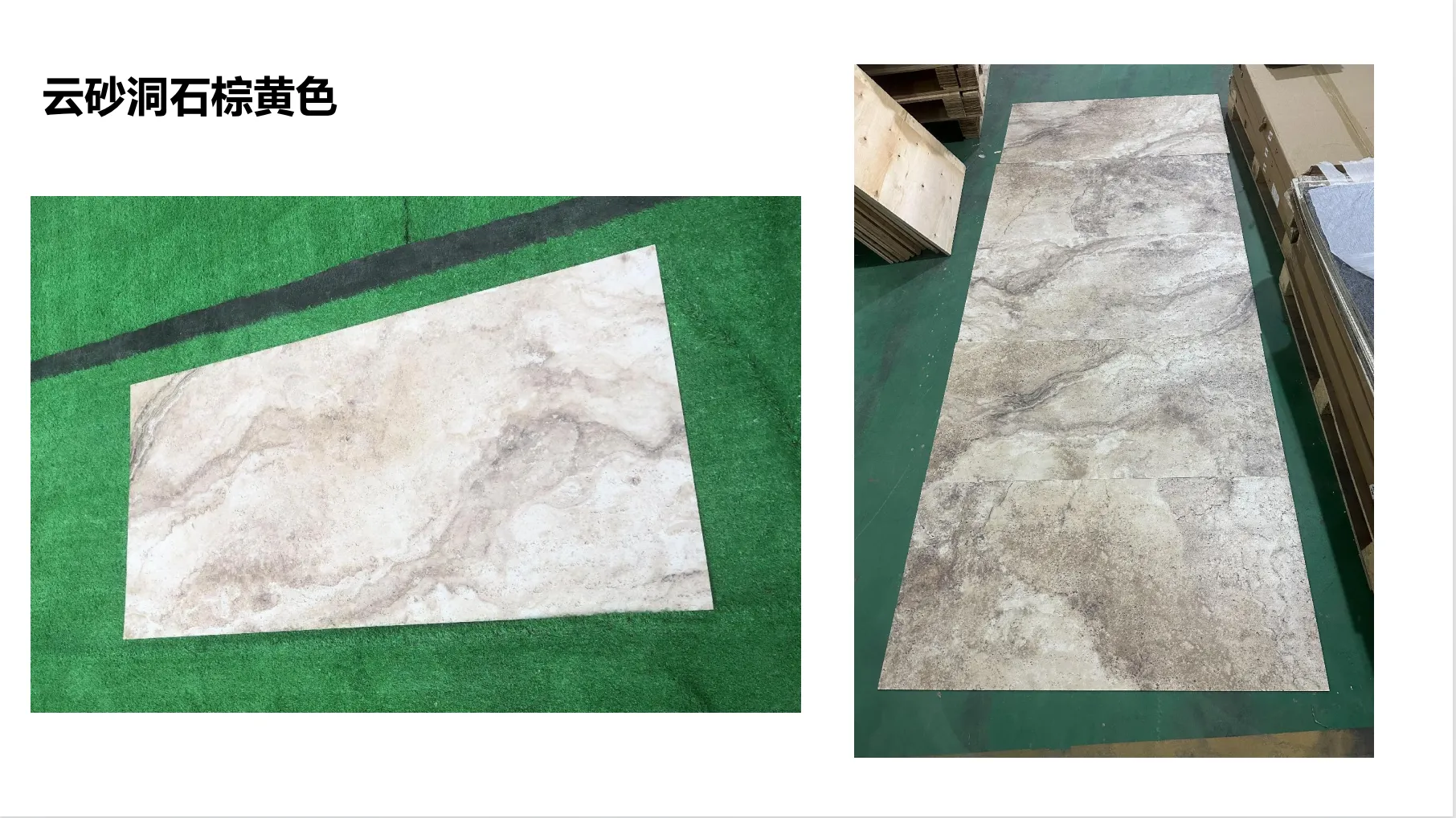
In an era where every design choice echoes through the planet's ecosystems, architects and homeowners alike are turning to materials that don't just look good—they do good. Sustainable architecture isn't a trend; it's a responsibility. And at the heart of this movement lies the careful selection of building materials that balance aesthetics, functionality, and environmental stewardship. Among these, dolomitic travertine (dark grey) stands out as a timeless yet forward-thinking choice, seamlessly aligning with modern green building standards. Let's dive into why this material, alongside companions like fair-faced concrete, wood grain board, and foamed aluminium alloy board (vintage silver), is reshaping the future of eco-conscious design.
Dolomitic travertine (dark grey) isn't just a surface—it's a piece of Earth's history, formed over millennia by mineral-rich water slowly depositing layers of calcium carbonate and dolomite. Unlike synthetic materials churned out in energy-heavy factories, this stone is a product of nature's patient craftsmanship. Its dark grey hue, often streaked with subtle veins of charcoal and taupe, carries the quiet drama of natural stone, adding depth to spaces without overwhelming them. But what truly sets it apart is its eco-friendly DNA.
Extracting dolomitic travertine (dark grey) involves minimal processing. Quarried with precision to reduce waste, the stone requires little more than cutting and finishing to transform into usable slabs. Compare this to vinyl or laminate, which rely on petroleum-based plastics and emit harmful VOCs during production, and the difference is stark. Dolomitic travertine (dark grey) arrives "as is," carrying none of the chemical baggage of man-made alternatives. It's a material that respects the planet's resources by working with, not against, natural processes.
Durability is another feather in its cap. A well-installed dolomitic travertine (dark grey) surface can last for decades, even centuries, in high-traffic areas. Think of ancient Roman structures still standing today, many built with travertine varieties—proof that longevity is baked into its very composition. This longevity translates to sustainability: fewer replacements mean less demand for new materials, lower transportation emissions, and reduced landfill waste. In a world where "fast design" often leads to fast disposal, choosing a material that outlives trends is an act of environmental care.
It's easy to fall for the beauty of dolomitic travertine (dark grey), but its environmental benefits run deeper than its good looks. Let's break down how it aligns with key green building standards, from energy efficiency to indoor air quality.
Natural Insulation, Lower Energy Bills : Travertine is naturally porous, a feature that gives it excellent thermal mass properties. In hot climates, it absorbs heat during the day and releases it slowly at night, keeping interiors cool without over-reliance on air conditioning. In colder regions, it retains warmth, reducing heating needs. This passive temperature regulation isn't just comfortable—it's energy-efficient, cutting down on carbon emissions from HVAC systems. For homeowners and businesses aiming for LEED or BREEAM certification, this can be a game-changer in meeting sustainability benchmarks.
Low-Maintenance, High Sustainability : Unlike materials that require frequent sealing with chemical-laden products, dolomitic travertine (dark grey) needs minimal upkeep. A gentle clean with pH-neutral soap and occasional resealing with natural stone sealers (free of harsh chemicals) is all it takes to keep it looking fresh. This low-maintenance profile means fewer toxic cleaners end up in waterways, and less time (and energy) is spent on upkeep. It's a win-win for both the environment and busy property owners.
Recyclable and Reusable : When a renovation or demolition eventually comes, dolomitic travertine (dark grey) doesn't have to end up in a landfill. Its natural composition allows it to be crushed and reused as aggregate in new construction or landscaping, closing the loop on its lifecycle. Even broken pieces can find new life as decorative gravel or accent stones, ensuring nothing goes to waste. In a circular economy, this kind of material circularity is non-negotiable.
Dolomitic travertine (dark grey) shines brightest when paired with other sustainable materials that share its commitment to the planet. MCM's lineup of eco-conscious options—from fair-faced concrete to wood grain board and foamed aluminium alloy board (vintage silver)—offers designers a toolkit to craft spaces that are both visually cohesive and environmentally responsible. Let's explore how these materials complement each other.
Fair-faced concrete, with its raw, unpolished finish, is the perfect partner for dolomitic travertine (dark grey). Like travertine, it's a material that wears its "naturalness" proudly—visible aggregates, subtle color variations, and a tactile texture that feels grounded in authenticity. What makes it eco-friendly? Its composition: primarily cement, water, and aggregates, with minimal additives. When sourced from local suppliers, it reduces transportation emissions, and its thermal mass properties mirror travertine's, enhancing a building's energy efficiency.
Together, dark grey dolomitic travertine and fair-faced concrete create a moody, industrial-chic aesthetic that's both modern and timeless. Imagine a restaurant interior where travertine walls frame a concrete bar top, the two materials playing off each other's textures—warm stone against cool concrete—while working in tandem to keep the space naturally comfortable. It's a design that feels intentional, not just for looks, but for the planet.
For spaces craving a softer touch, wood grain board adds warmth without sacrificing sustainability. MCM's wood grain board is crafted from responsibly sourced timber, often from FSC-certified forests, ensuring that for every tree cut down, another is planted. Its realistic wood texture—complete with knots, grains, and subtle color variations—brings the outdoors in, creating a sense of calm and connection to nature.
Paired with dolomitic travertine (dark grey), wood grain board balances the stone's coolness with organic warmth. In a home office, for example, travertine flooring could anchor the space, while wood grain board panels line the walls, softening the room and absorbing sound. It's a combination that feels lived-in and inviting, proving that sustainability doesn't have to mean sacrificing comfort.
For a contemporary twist, foamed aluminium alloy board (vintage silver) adds a sleek, metallic edge to eco-friendly design. Lightweight yet strong, this material is 100% recyclable, making it a favorite for projects aiming for zero-waste goals. Its vintage silver finish—with a soft, brushed texture—complements the dark grey of dolomitic travertine, creating a contrast that feels both industrial and elegant.
Ideal for exterior cladding or accent walls, foamed aluminium alloy board (vintage silver) reflects sunlight, reducing heat absorption and lowering cooling costs. When paired with travertine in a commercial facade, it creates a dynamic interplay of textures: the stone's rough-hewn surface against the metal's smooth sheen. It's a modern take on sustainability, proving that cutting-edge design and environmental responsibility can go hand in hand.
To truly understand the impact of choosing materials like dolomitic travertine (dark grey), fair-faced concrete, wood grain board, and foamed aluminium alloy board (vintage silver), let's compare their key sustainability metrics. The table below breaks down their carbon footprint, durability, recyclability, and maintenance needs—critical factors for green building certification.
| Material | Carbon Footprint (Low/Medium/High) | Durability (Years) | Recyclability | Maintenance Level |
|---|---|---|---|---|
| Dolomitic Travertine (Dark Grey) | Low (minimal processing) | 50–100+ | High (crushed for aggregate, reused as decor) | Low (occasional sealing, gentle cleaning) |
| Fair-Faced Concrete | Medium (cement production emits CO2, but local sourcing reduces transport) | 60–80 | Medium (recycled as rubble for roads, foundations) | Low (resistant to stains, minimal sealing) |
| Wood Grain Board (Sustainable) | Low (FSC-certified, renewable sourcing) | 20–30 (with proper sealing) | High (recycled into mulch, repurposed as furniture) | Medium (annual sealing to prevent moisture damage) |
| Foamed Aluminium Alloy Board (Vintage Silver) | Medium (aluminium production energy-intensive, but 100% recyclable) | 30–50 (resistant to corrosion) | Very High (recycled repeatedly without quality loss) | Very Low (wipe clean, no sealing needed) |
As the table shows, each material brings unique strengths to the table, but dolomitic travertine (dark grey) stands out for its combination of low carbon footprint, exceptional durability, and high recyclability. When paired strategically—say, travertine for high-traffic floors, foamed aluminium for exterior cladding, and wood grain for accent walls—they create a system where sustainability isn't compromised for style.
Talk of sustainability is meaningful only if it translates to real spaces. Let's take a walk through a few hypothetical (but realistic) projects where dolomitic travertine (dark grey) and its eco-friendly companions take center stage.
A Cozy, Sustainable Home : Picture a suburban home with a facade of dolomitic travertine (dark grey) slabs, their rough texture softening the modern, angular architecture. The stone's thermal mass keeps the interior cool in summer, reducing the need for AC, while large windows let in natural light, cutting down on artificial lighting. Inside, fair-faced concrete floors flow from the entryway to the kitchen, paired with wood grain board cabinetry that adds warmth. The living room features a fireplace clad in foamed aluminium alloy board (vintage silver), its metallic finish catching the light and complementing the travertine's depth. It's a home that feels grounded, comfortable, and quietly responsible—a space where the family can thrive without leaving a heavy environmental footprint.
A LEED-Certified Office Building : In the heart of the city, an office tower aims for LEED Platinum certification. Its exterior combines dolomitic travertine (dark grey) cladding with foamed aluminium alloy board (vintage silver) accents, creating a striking, modern silhouette. The travertine's natural insulation reduces the building's energy use by 20%, while the aluminium panels reflect sunlight, lowering cooling costs. Inside, open workspaces feature fair-faced concrete walls and wood grain board partitions, fostering a collaborative atmosphere that feels both professional and organic. Employees report higher satisfaction, citing the "calm" of natural materials—a reminder that sustainability isn't just good for the planet; it's good for people, too.
A Community Café with Heart : A neighborhood café uses dolomitic travertine (dark grey) for its countertops, where baristas craft lattes on the stone's cool surface. The walls are a mix of wood grain board (sourced from local, sustainable forests) and fair-faced concrete, creating a warm, industrial vibe that invites lingering. The outdoor patio features travertine pavers, their porous surface allowing rainwater to seep through and recharge the groundwater—no runoff, no waste. It's a small space with a big mission: to serve great coffee while serving the planet.
Materials like dolomitic travertine (dark grey) don't exist in a vacuum—they're part of a larger commitment to sustainability, and brands like MCM are leading the charge. MCM's Project Board Series and 3D Printing Series are testaments to this: using advanced manufacturing techniques to minimize waste, source materials responsibly, and create products that align with the strictest green building standards. Whether it's optimizing cutting processes to reduce stone waste or developing foamed aluminium alloys with recycled content, MCM understands that sustainability is a journey, not a destination.
What's most inspiring about MCM's approach is their belief that eco-friendly materials shouldn't limit creativity. Their lineup includes everything from the rustic charm of wood grain board to the sleek modernity of foamed aluminium, ensuring that designers never have to choose between "green" and "great." It's a philosophy that's reshaping the industry, proving that sustainability and aesthetics can coexist—and even enhance each other.
As we look ahead, the demand for eco-friendly building materials will only grow. Climate change, stricter green building codes, and a cultural shift toward conscious consumption are driving this trend—and materials like dolomitic travertine (dark grey) are at the forefront. They represent a future where buildings don't just occupy space; they nurture it, working in harmony with the planet to create healthier, more resilient communities.
So, whether you're designing a home, an office, or a public space, consider the story your materials tell. Dolomitic travertine (dark grey) tells one of patience, respect for nature, and longevity—a story that future generations will thank you for. Paired with fair-faced concrete, wood grain board, and foamed aluminium alloy board (vintage silver), it's a narrative of sustainability that doesn't just meet green building standards; it sets new ones.
In the end, the most beautiful spaces are those that honor both the people who use them and the planet that sustains them. With materials like these, that vision is closer than ever.
Recommend Products












