

Alright, let's talk about something truly game-changing in the construction world. When we think about building today, it's not just about aesthetics or durability anymore. The big conversation is around sustainability, reducing our environmental impact, and creating spaces that are not only beautiful but also kind to our planet. That's where COLORIA GROUP steps in, and while our primary focus has long been on innovative solutions like our MCM (Modified Cementitious Material) products, we also understand the broader need for diverse eco-friendly options in modern construction. This article will delve into the exciting potential of materials like eco-friendly foamed aluminum alloy board and how they contribute to a greener future, paralleling the sustainable ethos we champion across our entire product range, including our leading MCM technologies.
The global construction industry is a massive beast, consuming vast amounts of resources and contributing significantly to carbon emissions. From manufacturing building materials to transportation and actual construction processes, every step has an environmental cost. But imagine if we could drastically cut down that cost, without compromising on quality or performance. This isn't just wishful thinking; it's a tangible goal that innovative materials are helping us achieve. We, at COLORIA GROUP, as a one-stop solution provider for architectural materials, are constantly exploring and advocating for materials that push this boundary, ensuring that both residential and commercial projects benefit from the latest in sustainable technology. Our extensive experience, spanning decades in the industry and reaching markets globally, including Saudi Arabia, positions us uniquely to understand and address these evolving needs.
Before we dive into the specifics of foamed aluminum alloy board and its benefits, let's establish why green building isn't just a trend, but a necessity. Climate change is no longer a distant threat; it's happening right now, and the construction sector plays a crucial role in mitigating its effects. Buildings are responsible for approximately 40% of global energy consumption and a significant portion of greenhouse gas emissions. This means that every decision, from the materials we choose to the construction methods we employ, has a ripple effect on our planet.
Embracing green building practices means designing, constructing, and operating buildings in a way that minimizes environmental impact, conserves natural resources, and improves indoor air quality and occupant well-being. It's about creating structures that are energy-efficient, use sustainable materials, reduce waste, and are resilient to future climate challenges. For us at COLORIA GROUP, this philosophy is at the heart of our mission. Our core MCM products , for instance, are celebrated for their green and environmental protection qualities, mirroring the sustainable principles we discuss here.
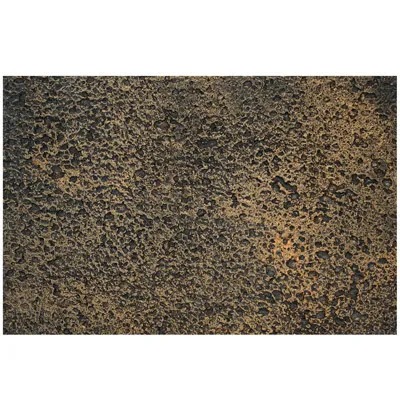
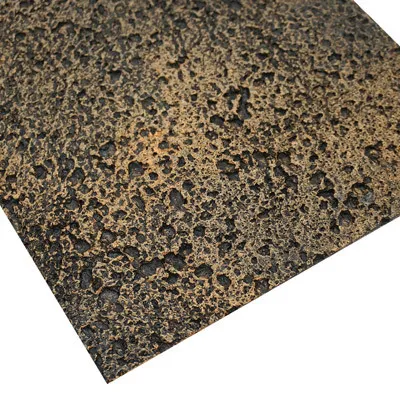
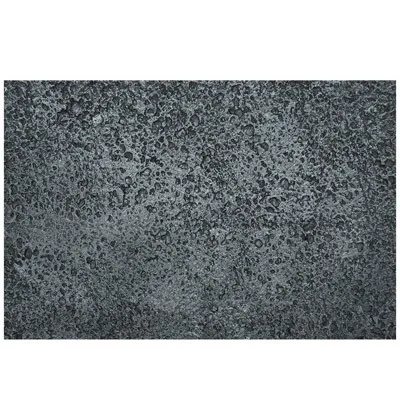
So, what exactly is foamed aluminum alloy board, and why is it considered a revolutionary material for sustainable construction? Imagine a material that is incredibly lightweight, yet surprisingly strong, with excellent thermal and acoustic insulation properties. That's essentially what foamed aluminum alloy board brings to the table. It's a cutting-edge material, often made from recycled aluminum, processed to create a porous, cellular structure similar to a sponge, but with the robustness of metal.
The manufacturing process typically involves introducing a foaming agent into molten aluminum alloy. As the alloy cools, the gas expands, creating a myriad of tiny, sealed pores within the metal matrix. This unique cellular structure is what gives the material its exceptional characteristics. While our flagship MCM products like the MCM Big Slab Board Series and MCM Project Board Series are dominating the market with their flexibility and aesthetic versatility for internal and external wall decoration, the principles of advanced material science and sustainable manufacturing are shared with materials like foamed aluminum.
Now, let's tie these characteristics directly back to our main goal: reducing the carbon footprint in construction. Every benefit listed above contributes to this crucial objective in multiple ways.
Embodied carbon refers to the greenhouse gas emissions associated with the materials and construction processes throughout the life cycle of a building. This includes extraction, manufacturing, transportation, construction, and disposal. When foamed aluminum alloy boards are made from recycled aluminum, they immediately start with a lower embodied carbon footprint compared to materials derived from virgin resources. Aluminum recycling requires significantly less energy (up to 95% less) than producing new aluminum from bauxite ore. This reduction in energy consumption directly translates to fewer emissions.
Once a building is constructed, its operational carbon footprint (emissions from heating, cooling, lighting, etc.) becomes the dominant factor over its lifespan. The excellent thermal insulation properties of foamed aluminum alloy boards play a pivotal role here. By acting as an effective barrier against heat transfer, they reduce the need for excessive heating in winter and air conditioning in summer. This directly lowers the energy demand of the building, resulting in substantial savings on utility bills and, more importantly, a significant reduction in emissions from energy generation. This focus on insulation and efficiency is also a key benefit of many of our MCM products, ensuring comfortable and sustainable interior environments.
Construction materials often need to be transported over long distances, contributing to the overall carbon footprint. Because foamed aluminum alloy boards are so lightweight, more material can be transported per vehicle, or fewer vehicles are needed for the same volume of material. This reduces fuel consumption and, consequently, emissions from logistics. This efficiency in transport also means less stress on infrastructure and potentially faster project timelines.
The recyclability of foamed aluminum alloy board is a cornerstone of its eco-friendliness. At the end of a building's life or during renovations, these boards can be collected, melted down, and reformed into new aluminum products, minimizing landfill waste. This closed-loop system is a prime example of the circular economy in action, where materials are kept in use for as long as possible, rather than being discarded after a single use. This philosophy aligns perfectly with our commitment at COLORIA GROUP to provide solutions that not only perform well but also contribute to a healthier planet.
A durable material means a longer-lasting building, which in turn reduces the frequency of renovations, replacements, and the associated material and energy consumption. Foamed aluminum alloy boards, with their corrosion resistance and robust nature, contribute to the longevity of structures. This extended lifespan inherently lowers the environmental impact over the building's entire lifecycle.
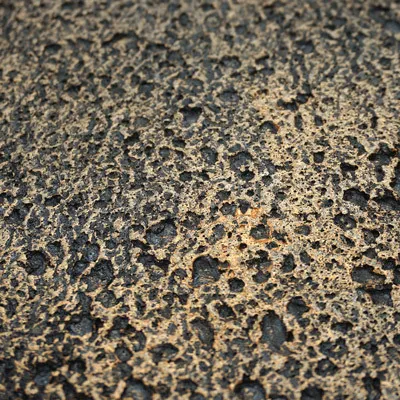
The versatility of foamed aluminum alloy board means it can be utilized in a wide range of applications within both residential and commercial projects. Its unique properties make it suitable for areas where traditional materials might fall short.
Just as our MCM Flexible Stone offers unparalleled design freedom for internal and external decoration, materials like foamed aluminum alloy board provide architects and designers with new tools to achieve both aesthetic excellence and superior environmental performance. It's about expanding the palette of sustainable solutions.
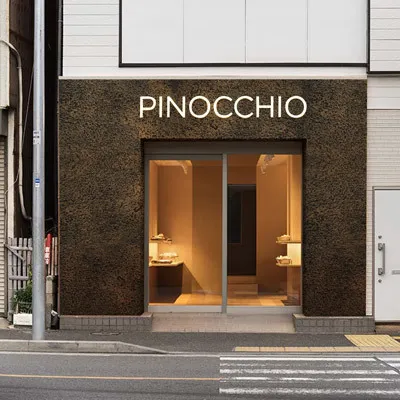
At COLORIA GROUP, our vision has always been to be at the forefront of innovation in architectural materials. While our primary expertise shines through our diverse range of MCM (Modified Cementitious Material) products , which are inherently designed for sustainability, customisation, and high performance, our commitment extends to understanding and promoting the broader spectrum of eco-friendly building solutions. We believe that a holistic approach to sustainable construction is vital.
Our MCM product lines—including the Big Slab Board Series, Project Board Series, 3D Printing Series, and Flexible Stone—are themselves a testament to sustainable innovation. They utilize natural raw materials, often require less energy in production compared to traditional ceramics or stone, and offer extreme durability, reducing the need for frequent replacements. Their flexibility and lightness also reduce transportation costs and simplify installation. This focus on "green and environmental protection" is a core tenet of our brand.
To put the impact into perspective, let's consider how different materials stack up in terms of key environmental attributes. While exact figures vary based on specific manufacturing processes and regional factors, this table illustrates general trends and highlights the advantages of innovative materials.
| Material Type | Key Eco-Benefit | Embodied Carbon (Relative) | Recyclability | Insulation Properties |
|---|---|---|---|---|
| Traditional Concrete | Ubiquitous, widely available | High (due to cement production) | Limited, often downcycled | Low |
| Steel | High strength, high recyclability | Moderate to High | Excellent | Low |
| Virgin Aluminum | Lightweight, corrosion resistant | Very High (energy-intensive production) | Excellent | Moderate |
| Foamed Aluminum Alloy (Recycled) | Extremely Lightweight, Insulating, High Recycled Content | Low to Moderate (significantly lower than virgin) | Excellent | Excellent (Thermal & Acoustic) |
| COLORIA GROUP MCM Products | Lightweight, Flexible, Natural Materials, Low Energy Production | Low to Moderate | Good (long lifespan, reduced waste) | Good (some insulation, thermal mass) |
| Timber (Sustainable Forestry) | Carbon sequestration, renewable | Low (if sustainably sourced) | Good (biodegradable) | Good |
This table clearly shows where materials like foamed aluminum alloy and our own MCM products fit into the sustainable construction landscape. They offer compelling advantages that directly address the industry's need to reduce its carbon footprint.
As a global provider of architectural material solutions, COLORIA GROUP is dedicated to fostering a future where construction is synonymous with sustainability. The integration of advanced materials like eco-friendly foamed aluminum alloy board, alongside our pioneering MCM solutions, represents a significant leap forward. It's about empowering architects, developers, and builders to make choices that are not only economically sound but also environmentally responsible.
The transition to green building practices isn't just about compliance; it's about competitive advantage, long-term resilience, and contributing positively to the health of our planet and its inhabitants. We urge everyone in the industry to consider these innovative materials and construction methodologies. By collectively embracing solutions that reduce embodied carbon, enhance operational efficiency, and promote circular economy principles, we can make a profound impact.
COLORIA GROUP stands ready to assist in this journey. With our extensive industry experience, global reach, and a commitment to providing high-quality, sustainable materials, we are more than just a supplier; we are a partner in building a better, greener future. Whether you're looking for flexible, customisable finishes for interior and exterior walls with our MCM products, or exploring other advanced eco-friendly options, our goal remains the same: to deliver solutions that meet the highest standards of performance and sustainability. Let's build a world where every structure tells a story of innovation, efficiency, and environmental stewardship.
Recommend Products












