

Buildings shape our world—they shelter us, inspire us, and leave a footprint on the planet. But for too long, that footprint has been heavy: resource-heavy production, energy-guzzling transport, and materials that outlive their purpose in landfills. Today, the tide is turning. Enter foamed aluminum alloy board: a material that doesn't just build structures, but reimagines what it means to build responsibly. Let's dive into how this innovative cladding is changing the game for green architecture.
At first glance, foamed aluminum alloy board might look like just another building material. But beneath its sleek surface lies a story of engineering and environmental care. Made by infusing molten aluminum with gas to create a lightweight, porous structure, this material marries strength with sustainability in ways traditional cladding can't match.
Take its weight, for starters. Traditional stone or solid aluminum panels can weigh 3-5 times more, forcing buildings to use extra steel supports and guzzling fuel during transport. Foamed aluminum? It's up to 70% lighter, slashing both structural stress and carbon emissions from delivery trucks. Imagine a construction site where panels are easier to handle, installation times drop, and fewer trips mean less exhaust in the air—that's the reality with foamed aluminum.
Fun fact: Producing foamed aluminum uses up to 95% recycled aluminum. That's not just a number—it's a lifeline for the planet. Every ton of recycled aluminum saves 9 tons of CO₂ emissions compared to mining new ore. For architects and developers, that's a tangible way to cut a project's carbon footprint before the first panel even touches the wall.
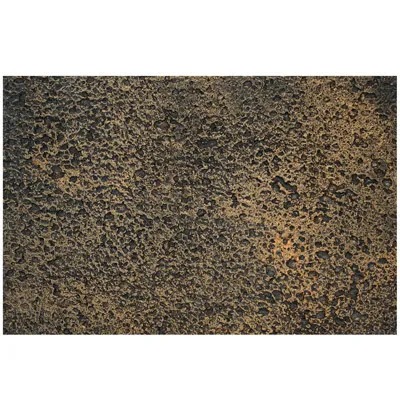
Sustainability shouldn't mean sacrificing style—and foamed aluminum alloy board gets that. Whether you're designing a boutique hotel with retro charm or a corporate headquarters aiming for timeless elegance, there's a finish to match. Let's break down the standout options:
| Variant | Aesthetic Vibe | Best For | Environmental Perk |
|---|---|---|---|
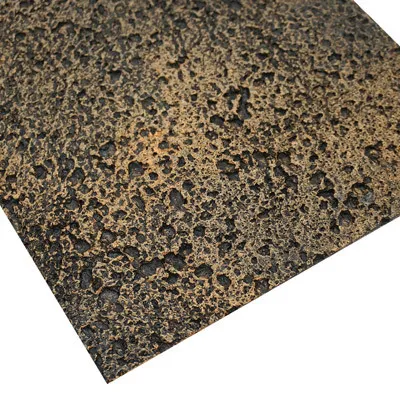
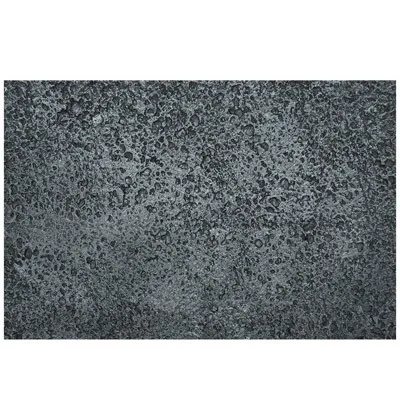
| Foamed Aluminium Alloy Board (Vintage Silver) | Soft, muted metallic sheen with a weathered feel | Industrial-chic lofts, heritage building restorations | Low-VOC coating reduces indoor air pollution |
| Foamed Aluminium Alloy Board (Vintage Gold) | Warm, sunlit glow with subtle texture | Luxury resorts, cultural centers, facade accents | 100% recyclable at end-of-life, no toxic runoff |
| Foamed Aluminium Alloy Board (Gold) | Bright, contemporary shine with crisp edges | Modern skyscrapers, tech company offices | Reflective surface reduces heat absorption, cutting AC use |
Each variant carries the same core eco-benefits, but their unique looks let designers tell distinct stories. A vintage silver facade might evoke a factory-turned-art-space, honoring industrial history while embracing green innovation. A gold paneled lobby? It feels opulent, but without the guilt of resource-heavy materials like marble or brass.
Sustainability thrives on collaboration—and foamed aluminum alloy board doesn't work alone. Enter MCM flexible stone: a lightweight, adaptable cladding that pairs perfectly with aluminum to create buildings that are both durable and kind to the planet. Think of them as the dynamic duo of green construction.
MCM flexible stone brings something special to the table: the look and texture of natural stone, but with a fraction of the weight and environmental impact. Traditional stone mining scars landscapes and uses massive amounts of water; MCM flexible stone, made from modified cementitious materials, cuts those harms by up to 60%. And because it's flexible, it bends around curves and corners, reducing waste from cutting rigid slabs.
"We used foamed aluminum alloy board for the main facade and MCM flexible stone for the entrance archway on our latest community center project. The result? A building that weighs 40% less than if we'd used traditional materials, and still turns heads with its mix of metallic warmth and stone-like texture." — Maria Gonzalez, Lead Architect, GreenSpaces Studio
Together, these materials create a system where every element works toward lower emissions. The aluminum handles the structural efficiency, the flexible stone adds organic texture, and both contribute to a building that's easier to maintain and, eventually, recycle.
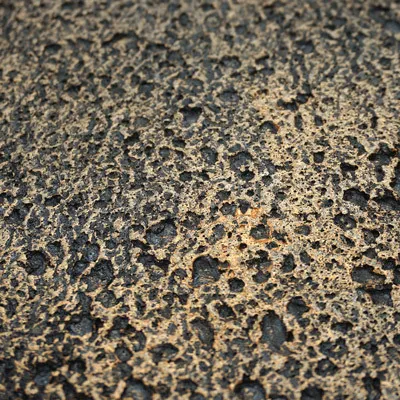
When it comes to reducing waste, size matters—and the MCM Big Slab Board Series proves why. These large-format panels (up to 1200x2400mm) mean fewer seams, less cutting on-site, and less material tossed in the dumpster. For contractors, that translates to faster installation and lower labor costs. For the planet? Less waste ending up in landfills.
Imagine covering a 10-story wall with standard 600x600mm tiles versus MCM big slabs. The big slabs would require 75% fewer pieces, slashing the number of cuts and the amount of adhesive needed. Adhesives, often packed with volatile organic compounds (VOCs), are a hidden source of indoor air pollution—so using less isn't just good for waste reduction; it's good for the people inside the building too.
Real impact: A recent hospital project in Dubai swapped traditional ceramic tiles for MCM big slabs and foamed aluminum alloy board. The result? 28 tons of construction waste diverted from landfills, and a 22% reduction in installation time. Plus, the building's energy use dropped by 15% thanks to the materials' insulating properties.

Sustainability isn't just about how a material is made—it's about how it lives, and how it leaves. Foamed aluminum alloy board excels here too, with a lifecycle that prioritizes circularity.
Let's start at production: Using recycled aluminum means less mining, less energy, and fewer greenhouse gases. Then there's durability: these panels can last 50+ years with minimal maintenance, outliving many traditional claddings that need replacement every 15-20 years. When they do finally reach the end of their building life? They're 100% recyclable, melting down to become new panels or other aluminum products—no downcycling, no landfill.
Compare that to vinyl siding, which often ends up in landfills after 20 years, or solid stone, which is heavy to transport and rarely recycled. Foamed aluminum isn't just a material for today; it's a material that respects tomorrow.
The demand for sustainable construction isn't slowing down. Governments worldwide are tightening environmental regulations, and clients are asking for greener credentials before signing off on projects. Foamed aluminum alloy board isn't just keeping up—it's leading the charge.
Looking ahead, innovations like 3D printing (hello, MCM 3D Printing Series!) could make custom foamed aluminum shapes even more efficient, cutting waste from traditional manufacturing. Imagine printing panels tailored to a building's exact curves, using only the material needed—no excess, no scraps.
And as cities grow denser, the need for lightweight, strong materials will only increase. Foamed aluminum's ability to reduce a building's carbon footprint from production to demolition makes it a cornerstone of the sustainable skyline of tomorrow.
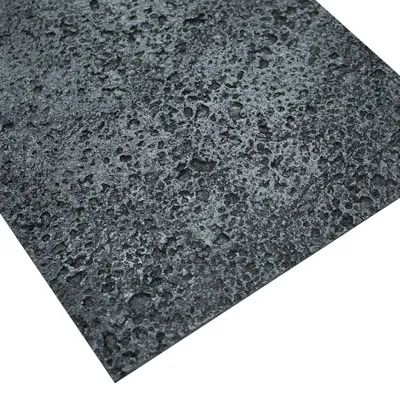
Foamed aluminum alloy board isn't just a product—it's a statement. It says, "We care about the planet we build on." It proves that beauty and sustainability don't have to compete; they can collaborate to create spaces that inspire and protect.
Whether you're an architect sketching the next iconic building, a developer aiming for LEED certification, or a homeowner dreaming of an eco-friendly renovation, this material offers a path forward. A path where our buildings don't just stand tall—they stand responsibly.
So let's build that future. One foamed aluminum panel, one MCM flexible stone curve, one big slab at a time. The planet (and our skyline) will thank us.
Recommend Products












