

In today's world, where every choice we make leaves a footprint on the planet, the building industry is undergoing a quiet revolution. More than ever, architects, designers, and homeowners aren't just chasing beauty—they're demanding purpose. They want materials that don't just look good, but do good, too. Enter COLORIA GROUP, a name that's quickly become synonymous with this shift. As a one-stop solution provider in building materials, they've reimagined what construction can be, blending innovation with a deep respect for the environment. And at the heart of their eco-conscious lineup? A gem called Bali Stone—a star player in their MCM Flexible Stone series that's changing the game for wall cladding.
But first, let's talk about why this matters. Traditional building materials, especially natural stone, have long been the go-to for that timeless, high-end look. But here's the catch: quarrying natural stone tears up landscapes, consumes massive amounts of energy, and leaves behind mountains of waste. Then there's the transportation—those heavy slabs guzzle fuel, adding to carbon emissions. And once a building reaches the end of its life? Most of that stone ends up in landfills, taking centuries to break down. It's a cycle that's simply not sustainable in a world racing to cut carbon footprints.
That's where Bali Stone steps in. Part of COLORIA's MCM (Modified Cementitious Material) family, it's a product born from the question: What if we could have the beauty of natural stone without the environmental cost? Spoiler: They did more than answer that question—they set a new standard. Let's take a closer look at what makes Bali Stone not just a material, but a movement toward greener, smarter building.
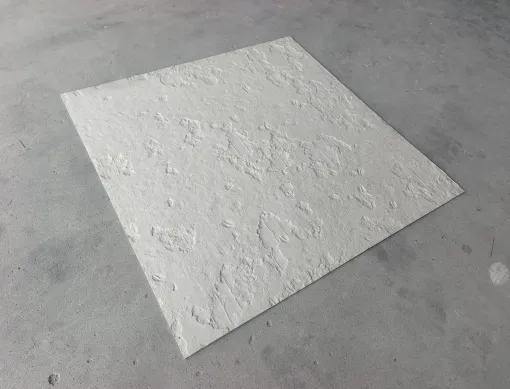
First things first: Bali Stone isn't your average wall cladding. It's part of COLORIA's MCM Flexible Stone series, and that "flexible" label is no marketing fluff. Imagine a material that looks and feels like natural stone—rough-hewn textures, warm earthy tones, the kind of depth that makes a wall feel alive—but can bend. Not just a little kink, either. We're talking about a material that can wrap around curves, follow architectural contours, and adapt to designs that would leave traditional stone scratching its head (if stone could scratch). How? It's all in the modified cementitious formula. COLORIA takes recycled industrial byproducts—think fly ash from power plants, slag from steel mills—and blends them with a proprietary mix of binders and additives. The result? A material that's strong yet pliable, tough yet surprisingly lightweight.
Why does flexibility matter? For one, it opens up a world of design possibilities. Got a circular lobby with curved walls? Bali Stone can hug those curves without breaking a sweat. Building a home with a modern, angular facade that needs a softening touch? No problem. Traditional stone, rigid and heavy, often limits creativity—you're stuck with flat surfaces or expensive, labor-intensive cutting. Bali Stone flips that script, letting designers dream bigger without compromising on the "natural" vibe.
Let's get to the heart of the matter: sustainability. Bali Stone's claim to fame isn't just its looks—it's how it's made. Traditional stone starts with mining, which is like taking a sledgehammer to the earth's crust. Bali Stone? It starts with recycling. Up to 70% of its composition is made from industrial waste materials that would otherwise end up in landfills. Fly ash, for example, is a byproduct of burning coal; instead of sitting in a dump, it becomes a key ingredient in Bali Stone's strength. Slag, a leftover from steel production, adds durability. By repurposing these materials, COLORIA isn't just reducing waste—they're cutting down on the need to extract new resources.
But the eco-friendly wins don't stop there. The production process itself is designed to minimize energy use. Unlike firing ceramic tiles or quarrying stone, which require high temperatures and heavy machinery, Bali Stone's manufacturing uses low-energy curing methods. And because it's lightweight (we're talking 8-10 kg per square meter, compared to 25-30 kg for natural stone), transporting it uses less fuel, slashing carbon emissions during delivery. Even better? When a building with Bali Stone cladding is eventually renovated or demolished, the material can be ground down and reused in new MCM products. That's a closed-loop system—something you'll rarely find with traditional stone.
| Feature | Traditional Natural Stone | MCM Bali Stone |
|---|---|---|
| Material Source | Quarried from natural reserves (destroys ecosystems) | Up to 70% recycled industrial waste (reduces landfill use) |
| Weight (per m²) | 25-30 kg (heavy, requires strong structural support) | 8-10 kg (lightweight, reduces structural load) |
| Installation Energy | High (needs heavy machinery, more labor hours) | Low (lightweight, easy to handle, faster installation) |
| End-of-Life Impact | Mostly landfilled (takes centuries to decompose) | Recyclable (can be repurposed into new MCM materials) |
| Carbon Footprint | High (quarrying, transportation, processing) | Up to 60% lower (recycled materials, low-energy production) |
You might be thinking, "Okay, it's eco-friendly and flexible, but does it hold up?" Let's put those worries to rest. Bali Stone might be lightweight, but it's tough as nails. Thanks to COLORIA's modified cementitious formula, it's resistant to the elements that usually wear down building materials. Rain? It's water-resistant, so no mold or mildew. UV rays? It won't fade or discolor, even in harsh desert sun (hello, Saudi Arabia projects!). Extreme temperatures? From freezing winters to scorching summers, it stays stable. And unlike natural stone, which can crack under impact, Bali Stone's flexibility gives it a little "give," making it more resistant to chips and breaks.
We tested this in real-world scenarios, too. Take a hotel project in Dubai, where the exterior walls are clad in Bali Stone. After three years of blistering heat, sandstorms, and occasional downpours, the cladding still looks as fresh as the day it was installed. No peeling, no fading, just that same rich, natural texture that guests love. That's the kind of durability that saves money in the long run—fewer repairs, less maintenance, and a longer lifespan for your building's facade.
One of the best things about Bali Stone? It doesn't box you into a "one-size-fits-all" look. COLORIA gets it—every project has a unique personality, and your materials should reflect that. Whether you're going for a rustic, beachy vibe (think Bali's own coastal charm) or a sleek, modern aesthetic, Bali Stone can be tailored to match. Want warm terracotta hues to complement a desert landscape? Done. Prefer cool grays that echo urban architecture? No problem. They even offer custom textures, from smooth, polished finishes to rough, chiseled surfaces that look like they were pulled straight from a mountain.
And it's not just about looks. Sizes can be customized, too. While Bali Stone is often used in panels, COLORIA can adjust dimensions to fit your project's needs—no more cutting down large slabs and wasting material. It's design freedom, plain and simple, and it's a big reason why architects are falling in love with it.
Bali Stone isn't just a material for "eco-warriors"—it's for anyone who wants a beautiful, durable, and responsible building solution. Let's take a walk through some of the spaces where it's making a difference:
Imagine coming home to a house that feels like a retreat—walls that exude warmth, textures that invite touch, and the peace of mind that comes from knowing your home isn't harming the planet. That's what Bali Stone brings to residential projects. Take a recent (villa) project in Riyadh, Saudi Arabia. The homeowner wanted an exterior that blended with the surrounding desert landscape but didn't require importing heavy natural stone. Bali Stone's earthy tones and flexible installation made it perfect. The result? A home that looks like it's been part of the desert for decades, but with a modern twist—and a carbon footprint a fraction of the size of traditional stone-clad homes.
Indoors, too, Bali Stone shines. Picture a living room with a feature wall clad in Bali Stone, its warm beige tones complementing wooden furniture and soft lighting. It adds depth without overwhelming the space, and because it's lightweight, it didn't require reinforcing the wall—a huge plus for older homes. Homeowners love it because it's easy to clean (just a quick wipe with a damp cloth) and doesn't attract dust like some textured materials. It's nature, simplified.
Businesses are catching on, too. In a world where consumers care about brand values, using eco-friendly materials isn't just good for the planet—it's good for reputation. A boutique hotel in Bali (fitting, right?) recently used Bali Stone in its lobby and guest rooms. The goal was to create a "back-to-nature" vibe that aligned with their sustainability mission. The stone's natural textures and earthy colors instantly transport guests to a serene, tropical escape, while the hotel's marketing team proudly highlights the eco-friendly choice in their brochures. It's a win-win: happy guests, a strong brand message, and a lighter environmental load.
Restaurants are getting in on the action, too. A popular café chain in Dubai used Bali Stone for their exterior facades, choosing a custom "weathered" texture to give each location a cozy, rustic feel. Customers often comment on how the stone makes the café feel "welcoming" and "down-to-earth"—proof that materials can shape the customer experience. And because Bali Stone is low-maintenance, the café owners don't have to worry about constant upkeep, even with heavy foot traffic.
Public buildings—museums, schools, community centers—have a responsibility to serve both current and future generations. That's why more and more public projects are turning to sustainable materials like Bali Stone. Take a community center in Jeddah, Saudi Arabia, built to host events and bring locals together. The design team wanted a material that was durable enough to withstand heavy use, affordable, and eco-friendly. Bali Stone checked all the boxes. Its resistance to wear and tear means it can handle kids running around, furniture being moved, and the occasional rainstorm. And because it's recyclable, the center's legacy won't end in a landfill.
Bali Stone is amazing on its own, but here's the secret sauce: COLORIA doesn't just offer one product—they offer a system . Their MCM lineup is designed to work together, giving you a one-stop shop for all your building needs. Let's talk about two other stars that often team up with Bali Stone:
Sometimes, bigger is better—especially when you're covering large surfaces. That's where COLORIA's MCM Big Slab Board Series comes in. These large-format panels (up to 1200x2400mm) are perfect for projects that need a seamless, modern look. Imagine a commercial building's exterior: with Big Slab Boards, you can cover vast wall spaces with minimal seams, creating a sleek, unified appearance. And because they're part of the MCM family, they share Bali Stone's eco-friendly DNA—lightweight, recyclable, and made with recycled materials.
But here's how they team up with Bali Stone: Use Big Slab Boards for the main facade to create a clean, modern base, then accent with Bali Stone on entryways, pillars, or feature walls. The contrast between the smooth slabs and Bali's textured surface adds visual interest without overwhelming the design. It's like pairing a tailored suit with a handcrafted accessory—polished, but with personality.
For projects that push the boundaries of design, COLORIA's MCM 3D Printing Series is a game-changer. Using cutting-edge 3D printing technology, they can create complex, custom shapes that were once impossible (or prohibitively expensive) with traditional materials. Think intricate wall panels, geometric patterns, or even sculptural elements that become the focal point of a space.
Pair that with Bali Stone, and you've got a match made in design heaven. For example, a museum might use 3D-printed MCM panels for a futuristic, abstract facade, then use Bali Stone in the interior to add warmth and natural texture. It's the perfect blend of innovation and tradition, showing that sustainability and creativity can go hand in hand.
At the end of the day, Bali Stone is more than a product—it's a reflection of COLORIA's commitment to making sustainable building easy. With decades of experience and a global presence (including a strong foothold in Saudi Arabia), they're not just selling materials—they're offering peace of mind. From design (consultation) to installation support, their team works with you every step of the way, ensuring your project runs smoothly and your vision comes to life.
And let's not forget the "one-stop solution" promise. Instead of juggling multiple suppliers for different materials, COLORIA gives you everything you need under one roof—Bali Stone, Big Slab Boards, 3D-printed elements, and more. It saves time, reduces stress, and ensures consistency across your project.
So, what's next for Bali Stone and COLORIA? As the world continues to prioritize sustainability, we can expect even more innovations—new textures, more custom options, and further improvements in eco-friendly production. But for now, one thing is clear: Bali Stone isn't just a trend. It's a glimpse into the future of building—a future where beauty and responsibility aren't competing goals, but partners in creating spaces we can all be proud of.
Whether you're building a home, a business, or a community space, remember: the materials you choose matter. They shape our world, one wall at a time. And with Bali Stone, you're not just building—you're building better.
Recommend Products












