
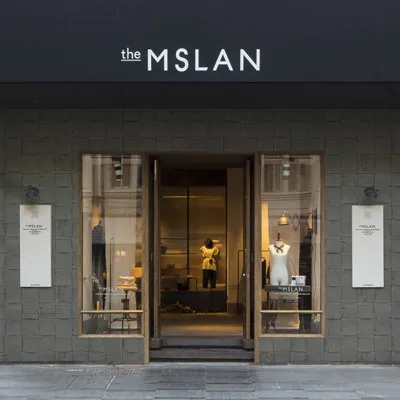
Schools and hospitals are unique. They're high-traffic areas where durability meets delicacy: kids scrape walls with backpacks, patients might lean against surfaces, and cleaning crews need to sanitize daily without damaging finishes. More importantly, these are spaces where air quality and chemical exposure directly impact vulnerable groups—growing children whose lungs are still developing, and patients with weakened immune systems. Traditional building materials often fall short: vinyl tiles release VOCs, ceramic can crack and create sharp edges, and some natural stones carry heavy metals. What we need isn't just "building materials"—we need partners in creating environments that nurture, not harm.
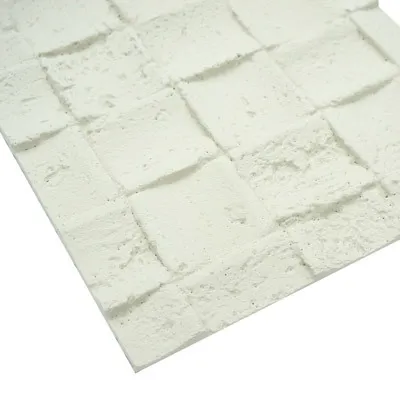
COLORIA GROUP's MCM (Modified Cementitious Material) series isn't just about "green" marketing—it's about reimagining what building materials can be. Blending the strength of cement with the beauty of natural textures, these products are engineered to be non-toxic, flexible, and kind to the planet. Let's dive into five standout options that make perfect sense for schools and hospitals.
1. MCM Flexible Stone: The Gentle Giant
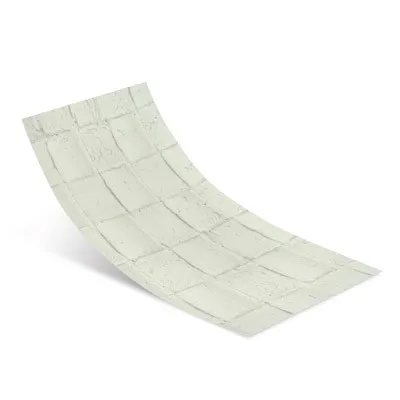
Imagine a stone that bends. Not cracks, not breaks—bends. That's MCM Flexible Stone. Unlike rigid natural stone, this material has a supple, almost fabric-like quality that makes it ideal for spaces where safety is key. In elementary schools, where kids trip and bump into walls, rigid materials can lead to bruises or cuts. But flexible stone? It's like a soft buffer. Run your hand over it, and you'll feel the texture of real stone—warm, gritty, with subtle variations that mimic nature—but it yields just enough to prevent injury. For hospitals, its flexibility means easier installation around curved surfaces, like the rounded corners of pediatric wards or the smooth edges of nurse stations. And since it's made from modified cement, it's free of formaldehyde, heavy metals, and harmful resins. No off-gassing, no weird smells—just clean, safe surfaces that stand up to daily wear.
2. Travertine (Starry Green): Where Calm Meets Creativity
Close your eyes and think of a quiet forest at dusk, with fireflies flickering between trees. Now open them—you're looking at travertine (starry green). This mosaic tile isn't just a surface; it's a mood lifter. The base is a soft, earthy green, dotted with tiny iridescent flecks that catch light like stars. In schools, it turns plain hallways into "discovery paths" where kids pause to count "stars" or invent stories about constellations. In hospitals, especially pediatric units, that starry pattern works wonders: studies show that nature-inspired visuals reduce anxiety in young patients, making medical procedures less stressful. But it's not all about looks. Travertine (starry green) is made with COLORIA's signature low-toxicity formula, meaning it doesn't release harmful particles into the air. It's also porous enough to resist mold—critical in hospitals where moisture can build up—and dense enough to handle the chaos of a busy school cafeteria. Wipe it with a mild disinfectant, and it's good as new—no stains, no discoloration, just that same starry glow day after day.
3. Fair-Faced Concrete: The Quiet Workhorse
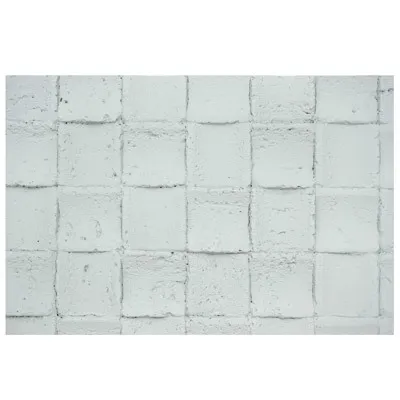
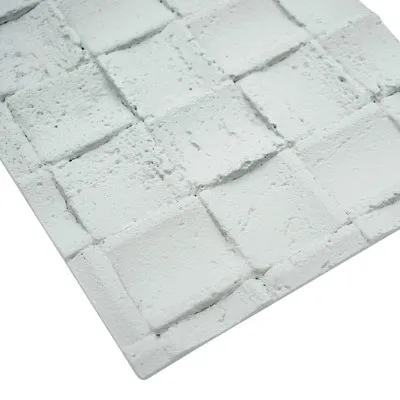
"Concrete" might sound cold, but fair-faced concrete from COLORIA's MCM line is anything but. Stripped of harsh chemicals and polished to a soft sheen, this material has a raw, organic beauty that feels both modern and timeless. In high schools, where students rush between classes with textbooks and sports gear, fair-faced concrete holds its own. It's scratch-resistant, doesn't fade under harsh lighting, and stands up to the occasional spilled soda or science experiment mishap. For hospitals, its non-porous surface is a game-changer: unlike porous tiles that trap bacteria, this concrete can be wiped down with hospital-grade disinfectants without losing its finish. And here's the bonus—it's made with recycled materials, cutting down on waste. So when you see that sleek, gray surface in a hospital corridor, know it's working hard to keep germs out and sustainability in.
4. Lunar Peak Silvery: The Calming Companion
Hospitals can feel sterile, like places where "healing" happens but "comfort" is an afterthought. Lunar Peak Silvery is here to change that. This MCM material has a soft, moonlit glow—think the silvery sheen of moonlight on water. Its texture is smooth but not slippery, with subtle waves that catch light and create a sense of movement. In patient rooms, especially for those recovering from long illnesses, visual stimulation matters. Harsh colors or busy patterns can overstimulate; Lunar Peak Silvery's muted silver tones and gentle texture have a calming effect, like looking at a quiet lake. For nurses' stations, it's practical too: the non-reflective surface reduces eye strain during long shifts, and its resistance to stains means coffee spills or medicine drips wipe away easily. Best of all, it's made without heavy metals or toxic dyes, so patients with chemical sensitivities can breathe easy.
5. Rust Mosaic Stone: The Durable Artist
Rust might sound like a bad word in building materials, but Rust Mosaic Stone is a rebel with a cause. This material mimics the warm, earthy tones of aged metal—deep oranges, rich browns, and hints of copper—without the actual rust (or the toxicity). It's a mosaic tile, so it comes in small, interlocking pieces that can be arranged into patterns, making it perfect for adding personality to school or hospital spaces. In a middle school art room, imagine a wall of Rust Mosaic Stone arranged into a mural of trees or mountains—suddenly, the room feels like a gallery, inspiring creativity. In a hospital's physical therapy area, the non-slip surface gives patients confidence as they practice walking, while the warm colors make the space feel less clinical. And since it's part of the MCM family, it's tough: water-resistant, fire-retardant, and impervious to the scratches of walkers or wheelchairs. It's art that works as hard as the people using the space.
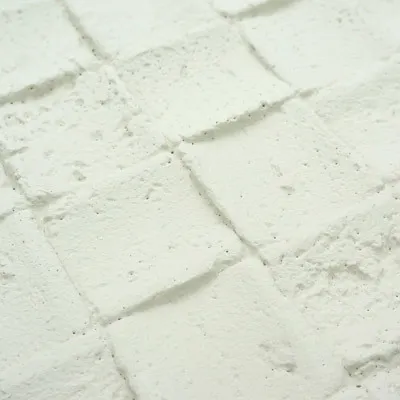
Numbers and specs tell part of the story, but real impact happens when materials meet people. Let's look at how these MCM products have transformed two spaces: a suburban elementary school and a children's hospital.
Case 1: Greenwood Elementary School (Suburban District)
Before MCM, Greenwood's hallways were lined with vinyl wallpaper that peeled at the corners and released a faint chemical smell on hot days. The PTA had long complained about "stuffy air," and the art room walls were covered in crayon marks that wouldn't scrub off. Enter MCM Flexible Stone and Rust Mosaic Stone. The hallways now sport flexible stone in a soft beige—tough enough to handle backpack scrapes, and the kids love "petting the stone" because it feels "like touching a smooth rock from the playground." The art room? A mural made of Rust Mosaic Stone in warm oranges and browns, shaped like a forest. "The kids don't draw on the walls anymore," principal Sarah Lopez. "Now they ask if they can 'help the forest grow' by adding new mosaic pieces." And the air? Testing shows VOC levels dropped by 85% after installation—no more stuffy classrooms, just fresh, clean air.
Case 2: Sunnyvale Children's Hospital (Urban Medical Center)
Pediatric patients at Sunnyvale used to dread the "white walls" of their rooms—sterile, boring, and scary. The hospital wanted to create spaces that felt more like "homes" and less like "hospitals." They turned to Travertine (Starry Green) and Lunar Peak Silvery. The oncology ward now features starry green walls: "The kids call them 'firefly walls,'" says child life specialist Mia Chen. "One little girl with leukemia told me she 'counts the stars' to fall asleep at night. It's made a huge difference in her anxiety levels." The teen recovery room uses Lunar Peak Silvery with soft blue accents; patients say it feels "like being in a calm cave," which helps them relax during treatments. Nurses report that cleaning is easier too—no more scrubbing mold from grout lines, and the surfaces stay cool to the touch, which is a relief for kids with fevers. "These materials don't just look good," adds hospital administrator Raj Patel. "They're part of our healing toolkit now."
"Eco-friendly" can feel vague, so let's break down why these MCM materials stand out. COLORIA GROUP doesn't cut corners when it comes to sustainability:
| Material | Safety Feature | Eco Benefit | Best For |
|---|---|---|---|
| MCM Flexible Stone | Flexible, no sharp edges | Recycled materials, low VOC | Elementary school hallways, pediatric wards |
| Travertine (Starry Green) | Non-toxic pigments, anti-slip | Water-based dyes, energy-efficient production | School art rooms, children's hospital rooms |
| Fair-Faced Concrete | Non-porous (germ-resistant), scratch-proof | 80% recycled aggregate, zero heavy metals | High-traffic school corridors, hospital waiting areas |
| Lunar Peak Silvery | Non-reflective (reduces eye strain), stain-resistant | Carbon-neutral manufacturing | Nurses' stations, patient recovery rooms |
| Rust Mosaic Stone | Interlocking design (no loose tiles), fire-retardant | Recycled metal particles, low-waste installation | Art rooms, physical therapy spaces |
Choosing eco-friendly materials isn't just about "doing the right thing"—it's about smart investing. Schools and hospitals operate on tight budgets, and these MCM products deliver unexpected perks:
Schools and hospitals are more than brick and mortar—they're places where lives are shaped and saved. The materials we choose for these spaces send a message: "We care about you." COLORIA GROUP's MCM series doesn't just meet the bar for "safe" and "eco-friendly"—it raises it. Whether it's the bendable strength of MCM Flexible Stone, the calming glow of Lunar Peak Silvery, or the creative spark of Rust Mosaic Stone, these materials prove that building sustainably doesn't mean sacrificing beauty, safety, or practicality. So the next time you walk into a school or hospital, take a closer look at the walls. If they feel warm, look alive, and make you breathe a little easier, chances are, they're built with materials that care—just like the people inside them.
Recommend Products












