
With decades of experience under their belt and a global footprint that stretches from their headquarters to bustling markets like Saudi Arabia, COLORIA GROUP has always stood for more than just quality—they stand for responsibility. In an industry often criticized for heavy resource use and waste, COLORIA decided to rewrite the rulebook. Their secret? A focus on Modified Cementitious Material (MCM), a game-changing innovation that's redefining what "sustainable building" looks like.
MCM isn't your average construction material. Imagine taking the strength of cement, blending it with recycled minerals, and infusing it with flexibility and durability—that's MCM in a nutshell. It's lighter than traditional stone, uses fewer raw materials, and leaves a fraction of the carbon footprint. For architects and builders, this means walls that are not only stunning but also kind to the planet. And for COLORIA, it's the foundation of their promise: to deliver materials that make buildings last, without costing the Earth.
Let's get real: building materials have a reputation for being tough on the environment. Quarrying natural stone rips up landscapes, transporting heavy slabs guzzles fuel, and excess waste ends up in landfills. MCM flips the script. Here's how:
| Feature | Traditional Stone | COLORIA MCM Materials |
|---|---|---|
| Carbon Footprint | High (quarrying, heavy transport) | Up to 60% lower |
| Waste Generation | 25-30% waste during cutting | <5% waste (recycled) |
| Installation Efficiency | Heavy, requires machinery | Lightweight, can be installed by hand |
| Durability | Prone to cracking, staining | Waterproof, fire-resistant, 50+ year lifespan |
COLORIA's MCM lineup is like a gallery of green innovation—each product designed to solve a problem while keeping sustainability front and center. Let's shine a light on five standouts that are making waves in the industry:
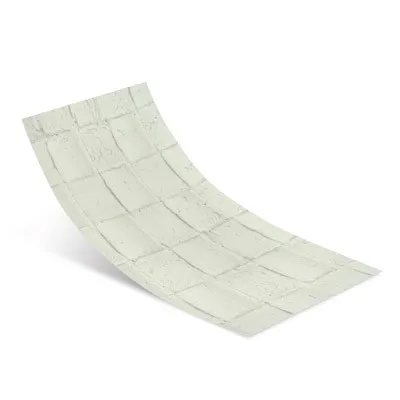
Ever wished stone could curve? MCM Flexible Stone makes it possible. This thin, bendable panel looks and feels like natural stone but weighs next to nothing. Picture a hotel lobby with a sweeping, curved wall clad in Starry Green Travertine —its surface shimmers with tiny mineral flecks, mimicking the night sky. But here's the kicker: installing it didn't require heavy cranes or tons of mortar. A small team could carry the panels by hand, slashing installation time (and labor emissions) by half.
Flexible Stone isn't just about looks. It's waterproof, fire-resistant, and stands up to harsh weather—perfect for coastal buildings or desert climates like Saudi Arabia. And since it's customizable, architects can mix colors and textures (hello, Rust Mosaic Stone !) to create one-of-a-kind designs without ordering extra materials "just in case." Less waste, more wow.
3D printing isn't just for toys or tech gadgets—it's revolutionizing construction, and COLORIA's 3D Printing Series is leading the charge. Imagine designing a wall with Wave Panels that flow like water, or Starmoon Stone with embedded patterns that catch the light. With 3D printing, these complex shapes are built layer by layer, using exactly the amount of MCM needed—no excess, no waste.
Take the 3D Art Concrete Board , for example. A recent project in Dubai used it to create a museum facade that looks like it's covered in fossilized waves. Traditional methods would have required carving each detail by hand, generating piles of dust and scraps. With 3D printing? The design was uploaded to a machine, and the panels were printed overnight, with leftover material automatically recycled. The result? A jaw-dropping facade that used 40% less material than planned.
Ever notice how small tiles mean endless grout lines? Not only do they look cluttered—they're a hassle to install. COLORIA's Big Slab Board Series changes that with slabs up to 1.2m x 2.4m. Fewer seams mean faster installation, less grout (which often contains harsh chemicals), and a sleeker finish. Case in point: the Lunar Peak Series (think Silvery , Golden , and Black hues) was used in a Riyadh office tower. The 2m-tall slabs covered the entire lobby wall in days, not weeks, and the building's carbon footprint dropped by 15% just from reduced construction time.
Big slabs also mean fewer joints, which translates to better insulation. In hot climates, that means lower AC bills—a win for both the planet and the building's energy bill. It's sustainability that pays off in more ways than one.
Travertine is beloved for its natural pores and earthy tones, but traditional mosaic tiles often leave behind tiny offcuts that end up in landfills. COLORIA's Mosaic Travertine (think Starry Red , Starry Blue , or Vintage Silver variants) flips that script. They collect leftover travertine fragments from other projects, grind them into a powder, and mix them into MCM to create new mosaic tiles. It's like recycling art—literally.
A boutique hotel in Barcelona used Travertine (Starry Green) mosaics in their pool area. The tiles, made from 80% recycled travertine, shimmer in the water and blend seamlessly with the natural surroundings. Guests rave about the "organic vibe," and the hotel saved 30% on material costs by using recycled fragments. Talk about a win-win.
Aluminum gets a bad rap for energy-heavy production, but COLORIA's Foamed Aluminium Alloy Board (in Vintage Silver , Gold , and Vintage Gold ) is a game-changer. The foam core makes it 70% lighter than solid aluminum, while the MCM coating adds durability and style. It's perfect for high-rise exteriors—think sleek, metallic walls that reflect sunlight (lowering cooling costs!) without the environmental guilt.
A recent airport project in Doha used Vintage Silver panels for their facade. Not only did the lightweight design cut transportation emissions, but the reflective surface reduced the building's heat absorption by 25%. That means less energy spent on air conditioning, and a smaller carbon footprint for years to come.
Great products start with great processes. At COLORIA, sustainability isn't an afterthought—it's built into every step of making MCM materials:
In 2024, COLORIA partnered with a leading architecture firm to build the Riyadh Green Tower, a 40-story mixed-use building aiming for LEED Platinum certification. The project used over 10,000m² of MCM materials, including:
Result? The tower's carbon footprint during construction was 42% lower than similar buildings, and its energy bills are projected to be 28% less annually. Today, it's not just a skyscraper—it's a symbol of how sustainability and design can rise together.
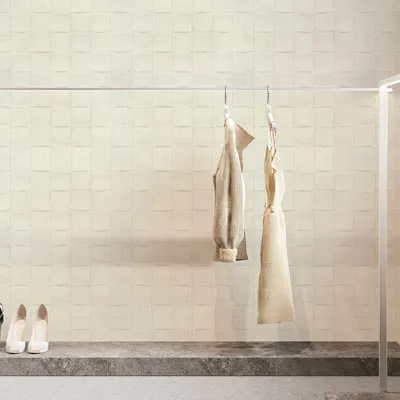
Sustainability isn't a trend—it's a responsibility. Every building we construct today will shape the planet for decades to come. COLORIA GROUP gets that. Their MCM materials aren't just about making walls look good; they're about making sure those walls don't outlive the planet they stand on.
Whether it's a small home renovation or a massive commercial project, choosing eco-friendly materials like MCM sends a message: that we care about the future. It's a choice that architects, builders, and homeowners can feel good about—one that says, "I want my building to inspire, not harm."
At the end of the day, COLORIA GROUP isn't just a manufacturer—they're a partner in building a greener world. With MCM Flexible Stone, 3D Printing Series, Big Slab Boards, and mosaic travertine tiles that blend innovation with care, they're proving that sustainability and beauty don't have to be enemies. So the next time you walk into a building and pause to admire the walls, ask: is this just a wall… or a step toward a better planet? With COLORIA, the answer is clear.
Recommend Products












