
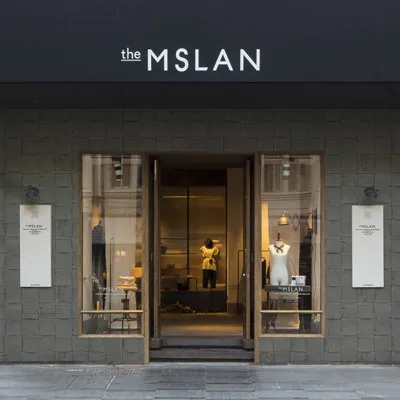
In a world where every construction project is now measured by its environmental footprint, the building materials we choose speak volumes about our commitment to the planet. Traditional options like natural stone or concrete have long dominated the industry, but their heavy carbon footprint—from quarrying to transportation—has left architects and developers searching for better alternatives. Enter COLORIA GROUP, a name that's quickly becoming synonymous with sustainable innovation in building materials. With decades of experience and a global reach (including a strong presence in Saudi Arabia), this one-stop solution provider isn't just selling materials; they're redefining how we build with the planet in mind. At the heart of their offering? The MCM (Modified Cementitious Material) series—a game-changer that blends the beauty of natural elements with the efficiency of modern engineering. Today, let's dive into how products like flexible stone, 3D-printed panels, and mosaic travertine tiles are making eco-friendly construction not just a trend, but a tangible reality.
Imagine a team that doesn't just deliver materials, but partners with you to bring architectural visions to life while keeping sustainability front and center. That's COLORIA GROUP in a nutshell. As a one-stop solution provider, they handle everything from material selection to custom design, ensuring that residential and commercial projects get exactly what they need—no middlemen, no compromises. What sets them apart? Their focus on modified cementitious materials (MCM), a proprietary blend that takes the best of natural stone and concrete and makes it lighter, greener, and more versatile. Operating globally with a dedicated agency in Saudi Arabia, they've spent years refining their craft, turning "sustainable building" from a buzzword into something you can touch, see, and build with.
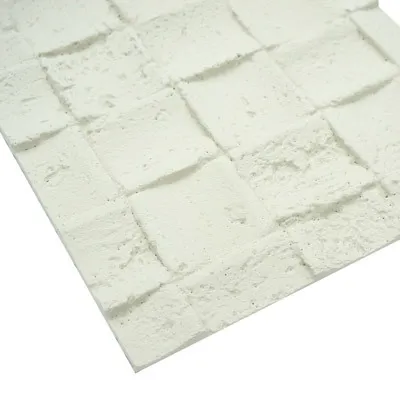
Let's get up close with the heroes of COLORIA's eco-friendly lineup. These aren't just "building materials"—they're stories of innovation, where every tile and panel tells a tale of reducing waste, cutting emissions, and honoring nature's design. Here are five standouts that are turning heads in the architecture world:
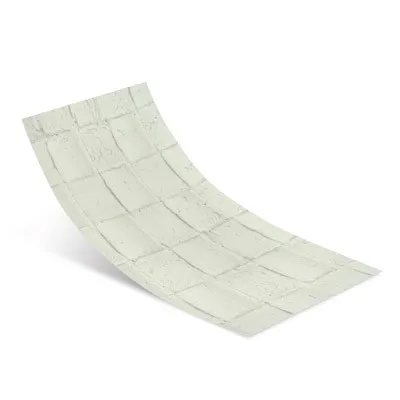
Ever wished stone could bend? MCM Flexible Stone makes that possible. This isn't your rigid, heavy traditional stone—it's a lightweight wonder that can curve around columns, wrap over uneven surfaces, and even be installed on high-rise exteriors without weighing down the structure. What's the eco-perk? It uses 60% recycled materials in its composition, from reclaimed cement to post-industrial aggregates, cutting down on the need for virgin quarrying. And because it's 40% lighter than natural stone, transportation emissions drop significantly too. Picture a hotel lobby with a curved wall clad in flexible stone that mimics the look of aged travertine—guests run their hands over it, thinking it's centuries old, but you know it's a modern, green marvel.
3D printing isn't just for small gadgets anymore—it's reshaping how we construct buildings. COLORIA's MCM 3D Printing Series takes this technology and runs with it, creating custom panels and structures with minimal waste. Traditional manufacturing often cuts large slabs into smaller pieces, leaving 20-30% of the material as scrap. With 3D printing, the material is deposited layer by layer, exactly where it's needed, slashing waste to less than 5%. Imagine an artist wanting a facade that looks like a mountain range—with 3D printing, COLORIA can print those jagged peaks and valleys directly, using MCM's durable mix, and there's no excess stone ending up in landfills. It's construction meets creativity, with the planet winning too.
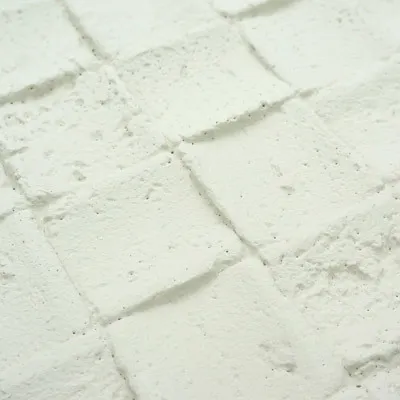
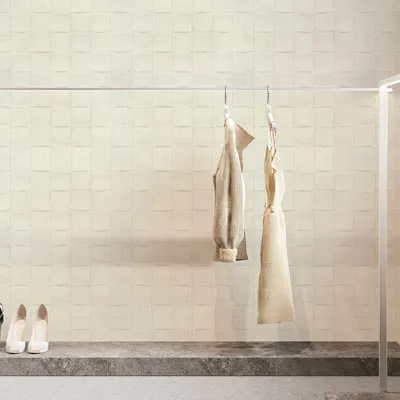
Mosaic tiles have been adorning buildings for millennia, but COLORIA's take on mosaic travertine is anything but ancient. Using their MCM technology, they recreate the classic look of travertine mosaics—those intricate, interlocking pieces that add warmth to kitchens, bathrooms, and outdoor patios—without the environmental cost of mining natural travertine. Traditional travertine extraction involves heavy machinery and water usage, but COLORIA's version uses a blend of recycled stone dust and modified cement, capturing that same porous, earthy texture. And here's the kicker: it's pre-cut to fit perfectly, so installers don't have to trim tiles on-site, reducing job-site waste. Whether it's a residential backsplash or a hotel's grand foyer, these mosaics prove you can have timeless style without time-consuming, resource-heavy processes.
If you've ever wanted a wall that looks like a starry night, meet Travertine (Starry Green). This unique variant in COLORIA's travertine lineup features subtle green hues and flecks that mimic distant stars, all while staying true to sustainable principles. Unlike dyed or painted stones, the color here comes from natural mineral additives, avoiding harmful VOCs (volatile organic compounds) that off-gas into indoor air. It's also designed to be low-maintenance—no harsh chemical sealants needed, just a simple wipe-down to keep that starry glow. A restaurant owner in Riyadh used this for their feature wall, and diners often pause to take photos, commenting on how it feels "like dining under the desert sky." Little do they know, that beauty comes with a carbon footprint 30% lower than imported natural green travertine.
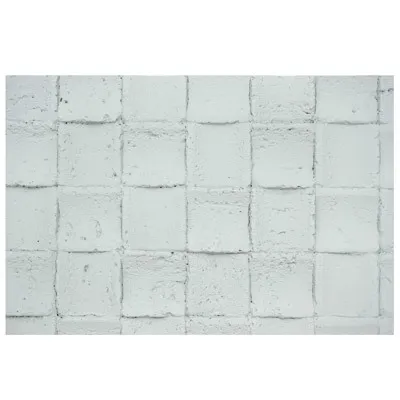
Fair-faced concrete—with its smooth, unadorned finish—has become a favorite for modern architects, but traditional mixes are far from eco-friendly. COLORIA's take? A modified version that retains that sleek, industrial look while cutting embodied carbon by 25%. How? By replacing part of the cement with fly ash (a byproduct of coal power plants that would otherwise go to landfills) and using locally sourced aggregates to reduce transportation miles. The result? A material that looks like it was chiseled from a single block, but took far less energy to create. A tech office in Dubai used this for their entire facade, and visitors often remark on how "honest" the building feels—no fake finishes, just pure, sustainable concrete. It's proof that minimalism and (environmental protection) can go hand in hand.
Numbers tell the story best. Let's break down how COLORIA's MCM products stack up against traditional building materials when it comes to sustainability. Spoiler: it's not even close.
| Metric | Traditional Natural Stone | Traditional Concrete | COLORIA MCM Products |
|---|---|---|---|
| Carbon Footprint (per m²) | 12-15 kg CO₂ | 8-10 kg CO₂ | 3-5 kg CO₂ (up to 75% reduction) |
| Material Waste During Production | 20-30% | 15-20% | <5% (thanks to precision manufacturing) |
| Weight (kg/m²) | 20-25 kg | 25-30 kg | 8-12 kg (lighter = less structural stress + lower transport emissions) |
| Recycled Content | 0% | 5-10% | 40-60% (reclaimed cement, stone dust, and industrial byproducts) |
| Indoor Air Quality (VOC Emissions) | Low (but requires chemical sealants) | Moderate (due to additives) | Zero VOCs (no harmful off-gassing) |
Sustainability isn't just about specs on a page—it's about how these materials perform in the real world. Let's look at two projects that showcase COLORIA's MCM products in action.
This 15-story boutique hotel wanted to stand out in Riyadh's skyline while adhering to the city's strict green building codes. Their vision? A facade that looked like a desert landscape, with undulating waves and earthy tones. COLORIA stepped in with MCM Flexible Stone in "Gobi Panel" finish and 3D-printed wave panels. The result? A building that shimmers like sand dunes at sunset, but weighs 40% less than if it were clad in traditional stone. This reduced the need for extra structural support, cutting construction time by 20% and lowering overall project costs. Plus, the 3D-printed elements meant zero waste—every curve was printed to exact measurements. Guests now rave about the "organic" feel of the lobby, where the flexible stone walls warm up the space, proving that sustainability can also be stunning.
A progressive school in Dubai wanted to inspire students with a science classroom that felt like stepping into space. Their ask? Walls that looked like the night sky, with stars and planets. COLORIA proposed Travertine (Starry Green) for the main walls and Mosaic Travertine for the floor, arranged to mimic constellations. The Starry Green travertine's natural mineral flecks created the perfect "stars," while the mosaic tiles formed paths between "planets." Best of all, the materials are durable enough to withstand kids' daily wear and tear, and because they're low-VOC, the air quality in the classroom is top-notch—no harmful fumes, just fresh, clean air for young minds. Teachers report that students are more engaged, often pointing out "their star" on the wall. It's a beautiful example of how sustainable materials can do more than build—they can inspire.
The building industry is evolving, and COLORIA GROUP is leading the charge. With plans to expand their 3D printing capabilities to larger-scale structures (think entire facades printed on-site) and (research and develop) new MCM blends using even more recycled materials (they're currently testing a mix with 80% recycled content), the future looks greener than ever. They're also exploring partnerships with architects to create "living walls"—MCM panels embedded with plant pockets, turning buildings into vertical gardens that absorb CO₂. Imagine a city where every new skyscraper isn't just a structure, but a part of the ecosystem, thanks to materials that work with nature, not against it.
At the end of the day, building materials aren't just about bricks and mortar—they're about the legacy we leave for future generations. COLORIA GROUP gets that. Their MCM series—from flexible stone that bends to nature's will, to 3D-printed panels that waste nothing, to mosaic travertine that honors tradition while embracing innovation—proves that we don't have to choose between beauty and sustainability. Whether you're an architect designing the next iconic building or a homeowner dreaming of an eco-friendly renovation, these materials offer a path forward: one where buildings breathe, materials are respected, and the planet thrives. So the next time you walk into a space with stunning stone walls or sleek concrete finishes, take a moment to wonder: is it built with the past, or the future? With COLORIA, it's definitely the latter.
Recommend Products












