
Walk through any modern city, and you'll notice a quiet revolution unfolding in architecture. Gone are the days when buildings prioritized grandeur over responsibility; today's designers and homeowners are asking a different question: How can we build spaces that breathe life into our surroundings—without costing the Earth? This shift isn't just about solar panels or rainwater harvesting; it starts with the very bones of a structure: the materials. Among the stars of this sustainable movement is MS Travertino, a material that marries timeless beauty with eco-conscious engineering. But it's not alone. From flexible stone that bends to a designer's vision to foamed aluminium alloy boards that shimmer like vintage treasures, a new generation of green building materials is redefining what "beautiful" and "responsible" mean—one wall, one facade, one home at a time.
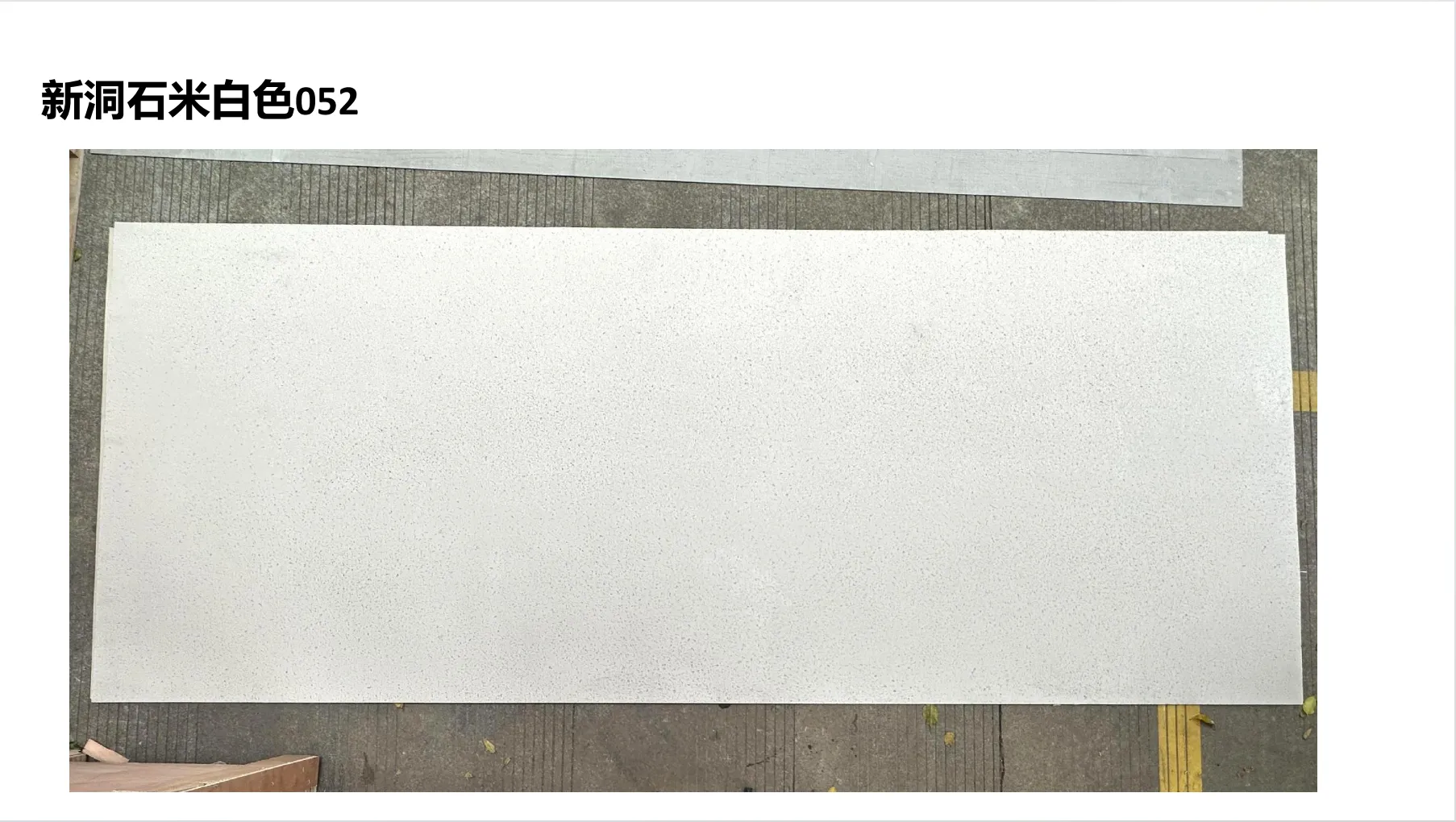
If sustainable building materials had a red carpet, MS Travertino would be front and center, dazzling with its understated elegance and eco-credentials. Derived from natural travertine—a sedimentary rock formed by mineral-rich water—MS Travertino undergoes a modern transformation that retains the stone's organic charm while slashing its environmental footprint. Unlike traditional travertine extraction, which often involves heavy machinery and wasteful quarrying, MS Travertino's production uses recycled water and energy-efficient processes, cutting down on carbon emissions by up to 30%. But what truly sets it apart is its visual poetry. Run your hand over a slab, and you'll feel the gentle texture of a stone that's seen time unfold—vintage silver, gold, and black finishes that evoke old-world charm, or starry patterns in red, blue, and orange that seem to capture constellations frozen in stone. It's no wonder designers call it "nature's artwork with a green heart."
Imagine stepping into a home where the living room wall is clad in MS Travertino (Starry Blue). The soft light of morning filters through, and the stone's subtle shimmer makes you feel like you're standing under a twilight sky. Later, as evening falls, warm lamps highlight the stone's depth, turning the space into a cozy retreat that feels both grand and intimate. This isn't just a material—it's a mood-setter. From residential facades that blend into natural landscapes to commercial lobbies that make a statement without shouting, MS Travertino adapts, proving that sustainability and beauty don't have to be trade-offs. It's durable, too—resistant to scratches, heat, and time—meaning fewer replacements and less waste over the years. In a world where "fast design" often leads to short-lived trends, MS Travertino is a promise of longevity.
Did you know? MS Travertino's "starry" variants get their name from tiny, iridescent mineral deposits trapped during formation—each slab is unique, like a fingerprint from the Earth. No two pieces are identical, adding a layer of exclusivity to every project.
MS Travertino may be the headline act, but it thrives when paired with other eco-friendly materials that share its vision of sustainability and style. Take flexible stone , for example—a lightweight, bendable wonder that's changing how we think about building exteriors. Made from recycled stone powder and plant-based binders, flexible stone can wrap around curves, cover uneven surfaces, and even be used in 3D-printed designs (hello, MCM 3D Printing Series!). It's a chameleon: thin enough to feel delicate, strong enough to withstand harsh weather, and available in textures that mimic everything from rough granite to smooth marble. A restaurant in Tokyo recently used flexible stone to create a wave-like facade, turning the building into a landmark that looks like it's frozen mid-motion—all while using 60% less material than traditional stone cladding.
Then there are foamed aluminium alloy boards , the unsung heroes of industrial-chic design. With vintage silver, gold, and classic gold finishes, these boards bring a touch of retro glamour to modern spaces. What makes them green? They're 100% recyclable, corrosion-resistant, and so lightweight that installing them reduces transportation emissions. A community center in Barcelona opted for vintage silver foamed aluminium panels on its roof, and the result is stunning: by day, the panels reflect sunlight, keeping the building cool and cutting AC costs; by night, they glow under streetlights, turning the center into a beacon of community pride. It's proof that sustainability can also be sleek and eye-catching.
And let's not forget fair-faced concrete —the "quiet achiever" of green materials. Raw, unpolished, and honest, it celebrates the beauty of imperfection. Made with locally sourced aggregates and low-carbon cement, fair-faced concrete requires minimal processing, reducing its environmental impact. Architects love it for its versatility: a museum in Berlin used it for walls that look like they've been carved from the earth, while a home in Portland paired it with wood grain boards to create a space that feels both industrial and warm. It's a material that doesn't need to hide its flaws—in fact, those tiny air bubbles and subtle color variations are what make it feel alive.
| Material Name | Key Features | Eco Benefits | Design Aesthetics |
|---|---|---|---|
| MS Travertino (Vintage Silver) | Natural stone texture, vintage metallic finish, starry mineral patterns | 30% lower carbon emissions, recycled water use in production | Timeless elegance, warm metallic sheen, pairs with both modern and traditional decor |
| Flexible Stone | Lightweight, bendable, 3D-print compatible, mimics natural textures | Made from recycled stone powder, reduces material waste by 60% | Versatile for curves and unique shapes, organic texture with a modern twist |
| Foamed Aluminium Alloy Board (Vintage Gold) | Lightweight, corrosion-resistant, reflective surface | 100% recyclable, low transportation emissions due to light weight | Retro glamour, warm golden hue, industrial-chic vibe |
| Fair-Faced Concrete | Raw, unpolished finish, durable, heat-resistant | Locally sourced aggregates, low-carbon cement, minimal processing | Minimalist, earthy, celebrates natural imperfections |
In the suburbs of Phoenix, Arizona, architect Mia Chen faced a challenge: design a home that could withstand scorching summers, blend with the desert landscape, and feel like a sanctuary. Her solution? A mix of MS Travertino (Gobi Panel), flexible stone, and fair-faced concrete. The exterior, clad in Gobi Panel—a sandy, textured variant of MS Travertino—echoes the hues of the nearby desert, while flexible stone wraps around the home's curved windows, softening the lines. Inside, fair-faced concrete walls contrast with warm wooden floors, creating a space that feels grounded yet airy. "The materials did the talking," Mia says. "The Gobi Panel's texture makes you want to reach out and touch it, like you're connecting with the desert. And because they're all eco-friendly, the homeowners sleep better knowing their home is kind to the planet."
At the end of the day, sustainable building materials aren't just about reducing carbon footprints—they're about creating spaces that nurture us. A hospital in Copenhagen replaced its sterile white walls with MS Travertino (Beige) and wood grain boards, and patients reported feeling less anxious; the stone's warmth and the wood's natural patterns reminded them of home. A school in Rio de Janeiro used foamed aluminium alloy boards (Vintage Gold) for its auditorium ceiling, and students say the space feels "magical" when the lights hit the gold panels, making performances feel more special. These materials don't just build structures—they build experiences.
They also bridge the gap between past and future. MS Travertino's vintage finishes nod to old-world craftsmanship, while its production methods embrace cutting-edge sustainability. Flexible stone and 3D printing series push the boundaries of what's possible, proving that innovation and tradition can walk hand in hand. In a world that often feels divided between progress and preservation, these materials offer a middle ground: buildings that honor the Earth and inspire its people.
MS Travertino, flexible stone, foamed aluminium alloy boards, fair-faced concrete—these aren't just materials. They're a movement. A commitment to building better, living better, and leaving a planet that's as beautiful as the spaces we create. As more designers, builders, and homeowners embrace them, we're not just constructing buildings—we're crafting a legacy. A legacy where our homes, offices, and public spaces tell a story: that we cared enough to choose beauty, and we cared enough to choose the Earth.
So the next time you walk into a room and find yourself drawn to the wall—touching its texture, admiring its color—take a moment to wonder: is it MS Travertino, with its starry patterns? Or flexible stone, bending to the designer's dream? Whatever it is, chances are, it's part of a greener future. And that future? It's looking brighter, more beautiful, and more hopeful than ever.
Recommend Products












