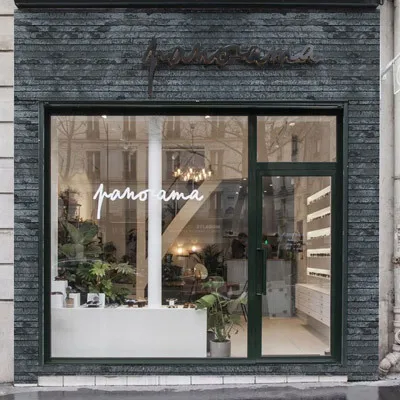
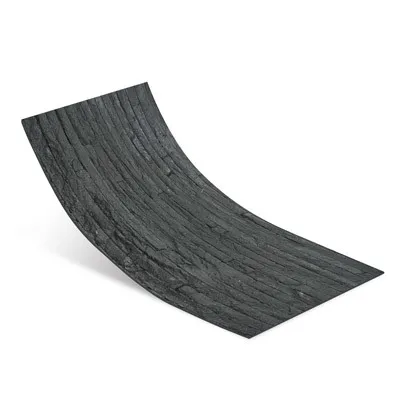
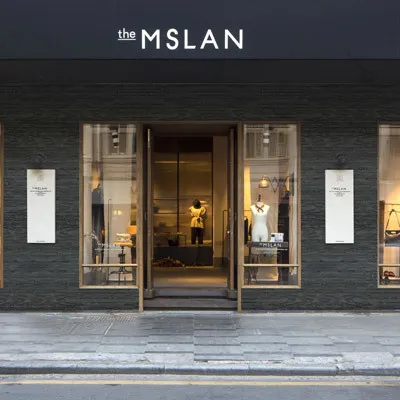
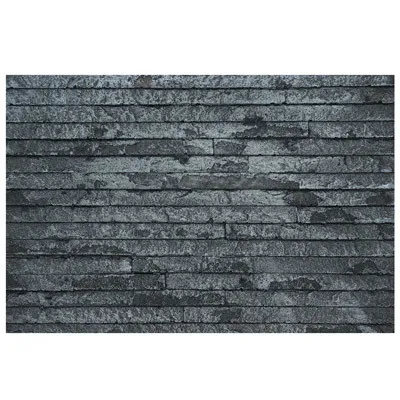
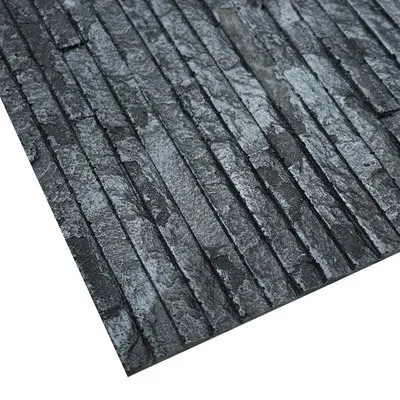
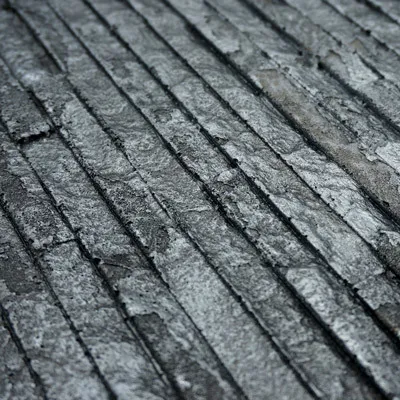
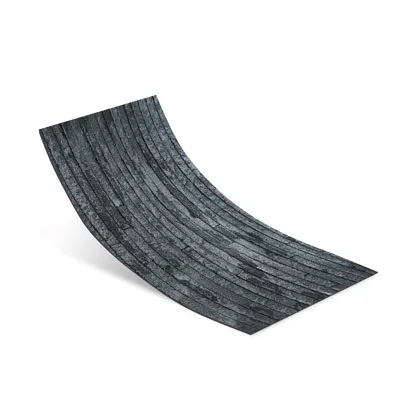
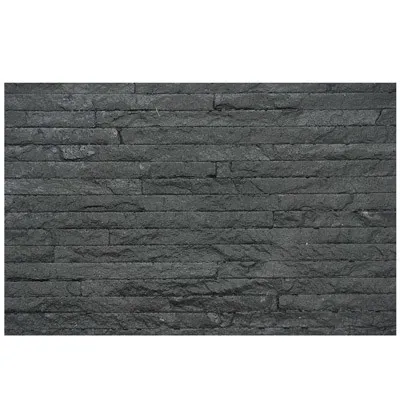
Let's talk about what "eco-friendly" really means when it comes to building materials. It's not just about using natural ingredients—it's about the entire lifecycle: how it's made, how it performs, and what happens to it when the building eventually comes down. Muretto stone shines in all three areas, making it a true green building material in every sense of the term.
First, the manufacturing process. Traditional stone quarrying involves blasting rock from mountainsides, which disrupts habitats, increases erosion, and releases dust and greenhouse gases. Muretto stone, on the other hand, starts with a mix of recycled aggregates—think crushed glass, reclaimed concrete, and even leftover stone dust from other manufacturing processes—that would otherwise end up in landfills. By repurposing these materials, Muretto stone keeps waste out of dumps and reduces the need for new resource extraction. The binding agent used is also low-VOC (volatile organic compounds), meaning it doesn't release harmful chemicals into the air during production or installation—a win for both workers and the planet.
Then there's durability. A sustainable material isn't truly sustainable if it needs to be replaced every few years. Muretto stone is built to last. Its composite structure resists cracking, fading, and weathering, even in harsh climates. In tests, it's held up against extreme temperatures (from -20°C to 50°C), heavy rain, and UV radiation—conditions that would cause traditional paint or even some natural stones to degrade over time. This longevity means fewer replacements, less waste, and lower long-term costs. For example, a commercial building using Muretto stone cladding might go 50 years without needing repairs, whereas vinyl siding might need to be replaced every 20 years. That's a lot of saved resources over time.
Thermal performance is another hidden superpower. Muretto stone has natural insulating properties, thanks to its porous structure. In hot climates, it reflects sunlight and keeps interiors cool, reducing the need for air conditioning. In colder regions, it traps heat, lowering heating costs. One study found that buildings clad in Muretto stone used up to 25% less energy for temperature control compared to those with traditional stone or concrete facades. That's not just good for the environment—it's good for the building's occupants, who get to enjoy more comfortable spaces with lower utility bills.
And when the time does come to remove or replace Muretto stone (decades down the line), it's fully recyclable. The material can be ground down and reused in new batches, closing the loop on its lifecycle. That's a stark contrast to many synthetic cladding materials, which often end up in landfills because they can't be broken down or repurposed.