
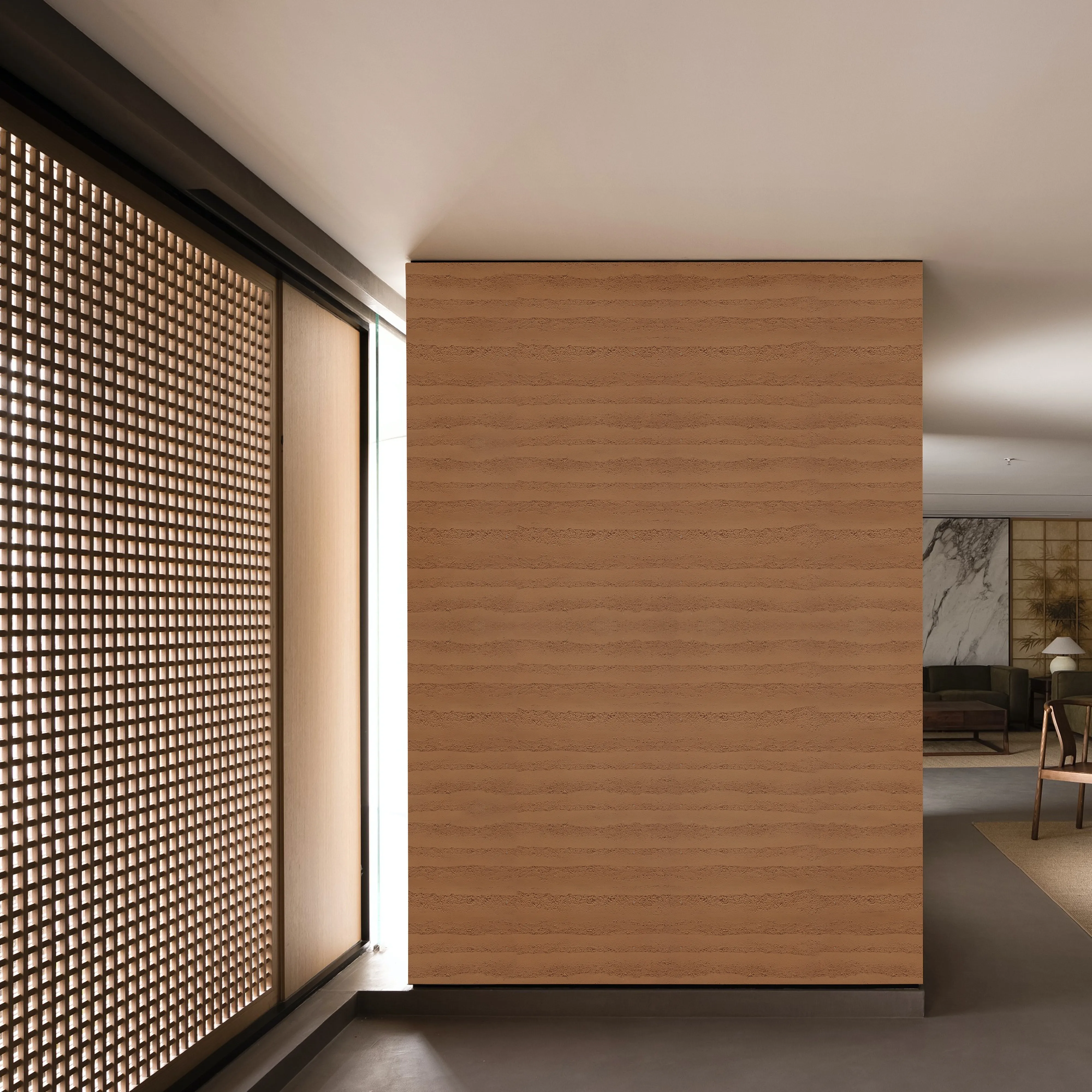
Blending Tradition, Sustainability, and Timeless Design for the Modern Built Environment
In an era where climate change looms large and sustainability has shifted from a buzzword to a critical mandate, the construction industry stands at a crossroads. Buildings account for nearly 40% of global energy consumption and 30% of greenhouse gas emissions, according to the United Nations Environment Programme. This statistic isn't just a number—it's a call to action. Architects, developers, and homeowners alike are now asking: How can we build structures that honor the planet without compromising on beauty, durability, or functionality?
Enter COLORIA, a brand that has made it its mission to redefine sustainable building materials. Among its innovative lineup, the rammed earth board (khaki) emerges as a standout—a product that marries ancient construction wisdom with cutting-edge technology. More than just a building material, it's a statement: that sustainability and aesthetics can coexist, and that green building certifications like LEED, BREEAM, or WELL aren't just accolades, but essential benchmarks for a better future.
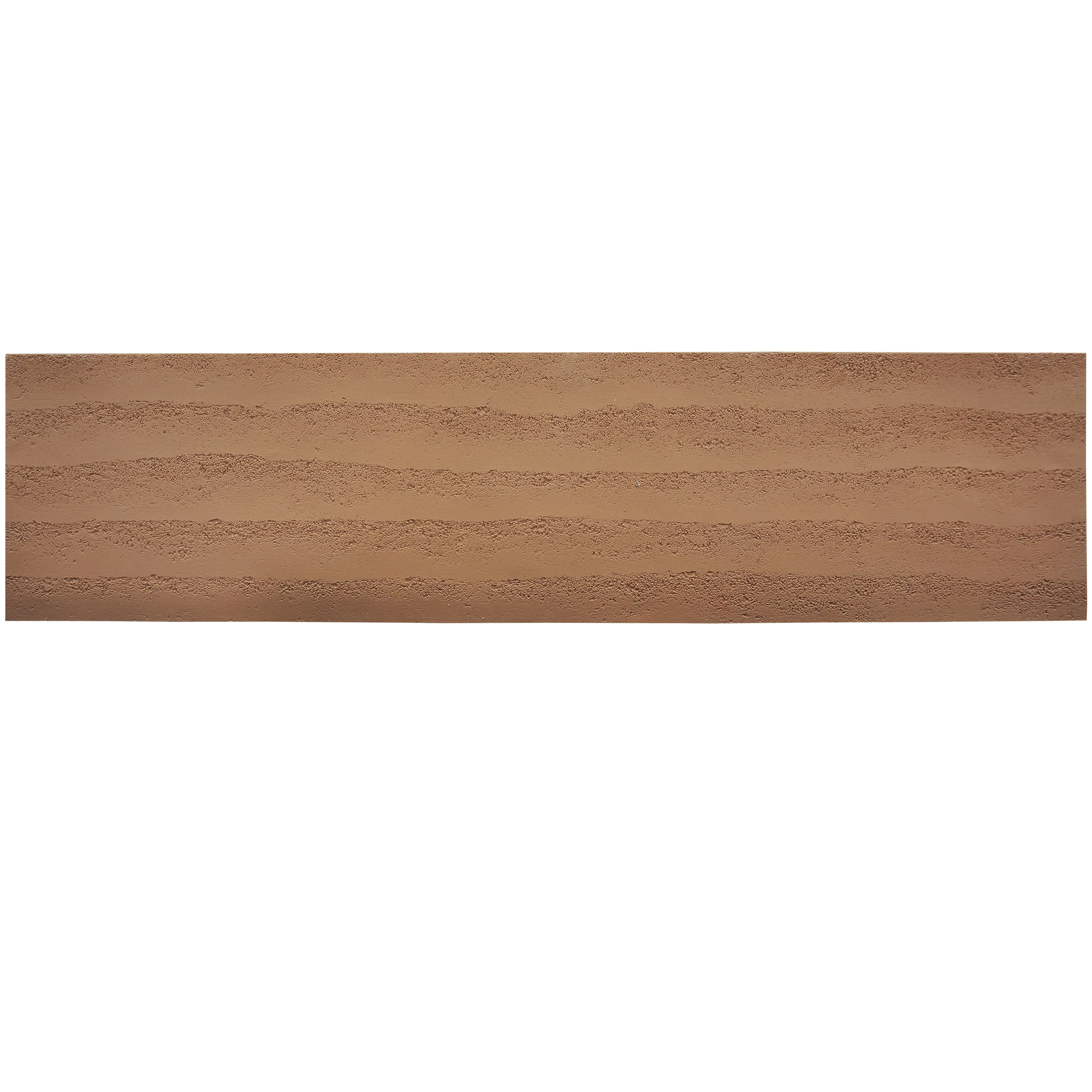
Rammed earth isn't new. For centuries, civilizations across the globe—from the Great Wall of China to the historic adobe dwellings of the American Southwest—have used this method to create structures that withstand the test of time. The process is simple yet brilliant: a mixture of earth (clay, sand, gravel), sometimes reinforced with natural fibers, is compressed into forms, layer by layer, until it hardens into a dense, rock-like material. The result? Walls that breathe, regulate temperature, and age with a warm, organic patina.
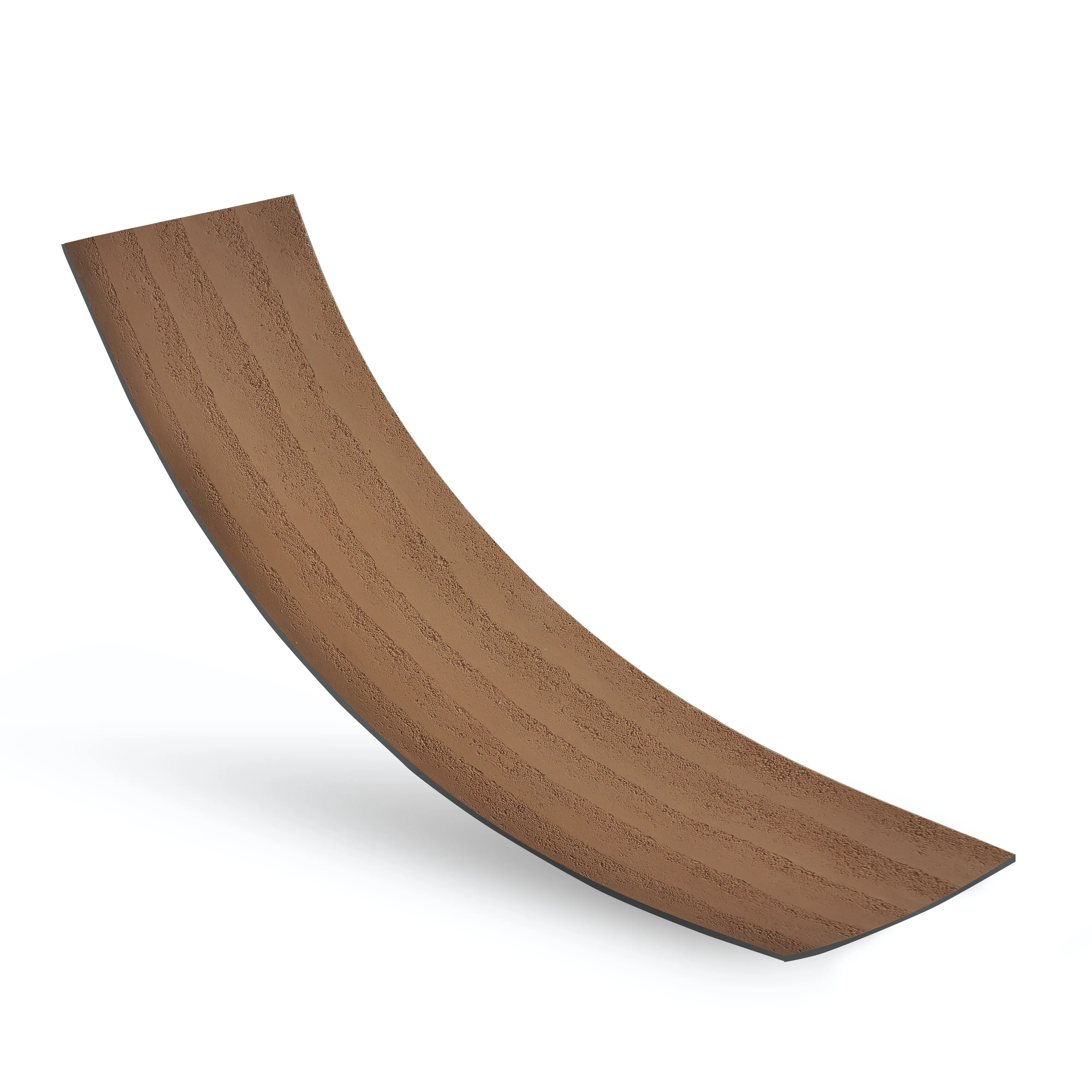
But traditional rammed earth has its limitations. It's labor-intensive, site-specific, and can be prone to cracking in humid climates. COLORIA saw an opportunity to honor the technique's sustainability while addressing its drawbacks. The result is their rammed earth board (khaki) —a prefabricated panel that retains the natural beauty and eco-friendliness of traditional rammed earth but adds modern convenience, consistency, and durability.
"We didn't want to reinvent the wheel," says Maria Gonzalez, COLORIA's Head of Sustainable Product Development. "We wanted to refine it. Our khaki rammed earth board takes the essence of rammed earth—the connection to the earth, the minimal carbon footprint—and packages it in a way that works for today's fast-paced construction schedules and diverse architectural needs."
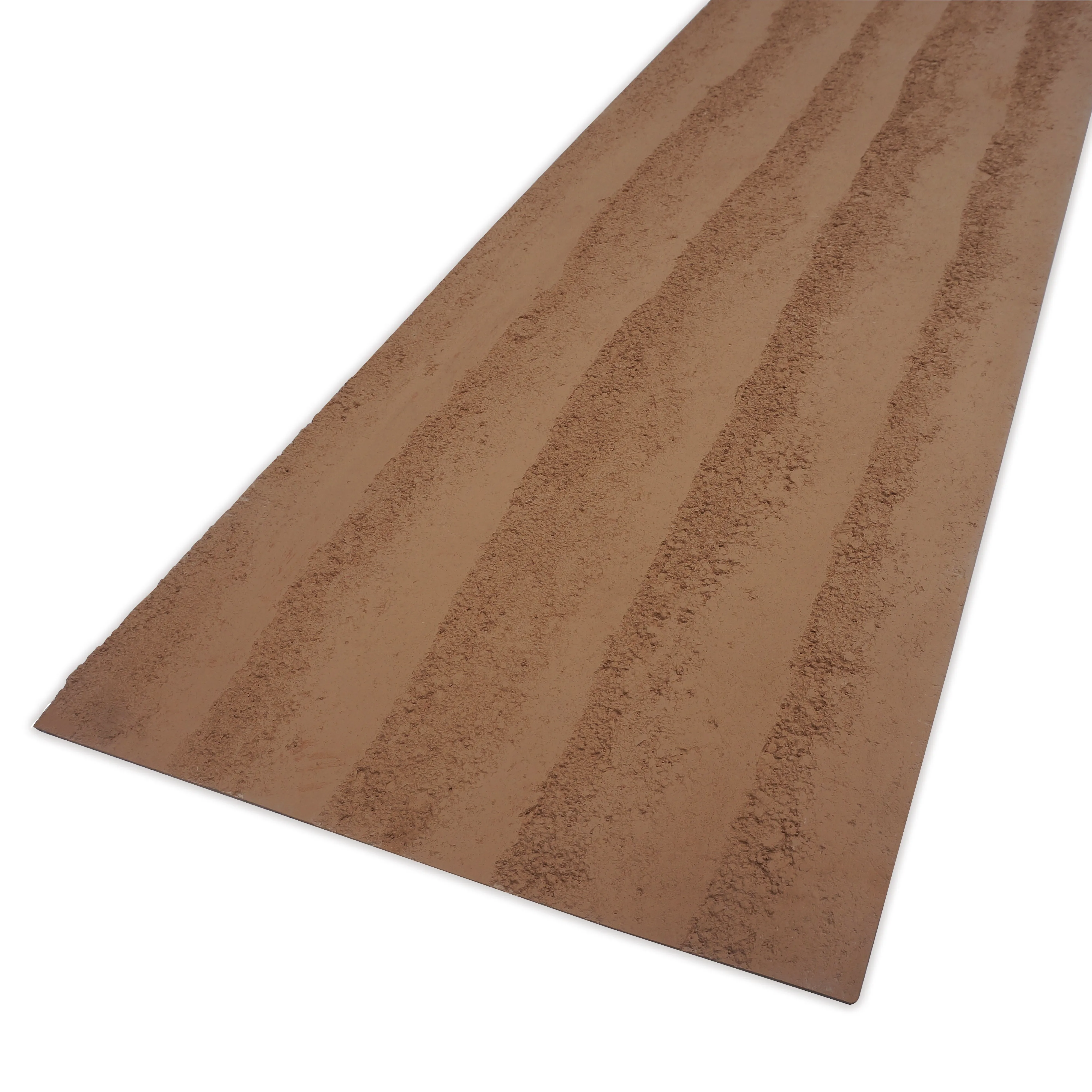
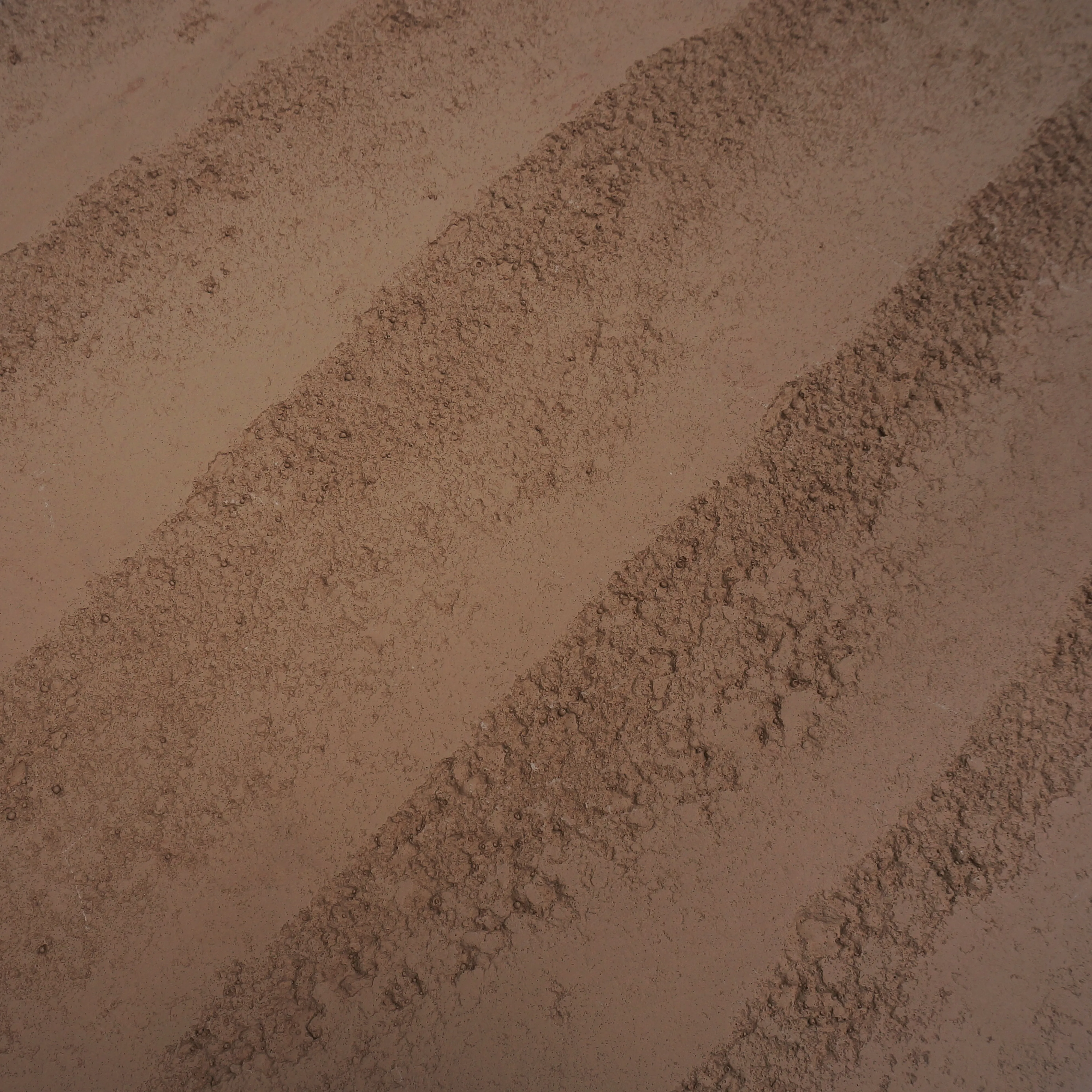
At first glance, the khaki hue of COLORIA's rammed earth board is striking—a warm, earthy tone that evokes sun-baked plains and desert landscapes. It's a color that feels both timeless and contemporary, making it versatile for everything from rustic farmhouses to sleek urban lofts. But its beauty is more than skin deep. Let's break down what makes this product a game-changer for green building.
The foundation of any sustainable material is its ingredients, and COLORIA doesn't cut corners here. The khaki rammed earth board is composed primarily of locally sourced clay, sand, and gravel—materials that require minimal processing and have a low embodied carbon footprint. Unlike concrete, which relies on cement (a major CO2 emitter), or synthetic cladding materials derived from petroleum, these natural ingredients are abundant, renewable, and biodegradable at the end of their lifecycle.
What's more, COLORIA adds a small amount of recycled lime stone (beige) to the mix, not only enhancing the board's strength but also diverting waste from landfills. The result is a material that's 85% natural and 15% recycled—numbers that make sustainability auditors take notice.
Traditional rammed earth requires on-site compaction, which can be energy-intensive and generate waste. COLORIA's prefabricated approach streamlines this process. The boards are manufactured in a controlled facility using hydraulic presses that compress the earth mixture with precision, ensuring uniform density and reducing material waste to less than 2%. The facility itself runs on solar power, and excess heat from the pressing process is recycled to dry raw materials—further slashing the product's carbon footprint.
"Every step of the way, we ask: 'Can this be more efficient? More earth-friendly?'" Gonzalez explains. "From sourcing local raw materials to optimizing our manufacturing line, we've designed the process to minimize energy use and waste. It's not just about the product—it's about the entire lifecycle."
Sustainability means nothing if a material doesn't perform. The khaki rammed earth board delivers on durability: it's resistant to fire, pests, and rot, with a lifespan of up to 100 years—far longer than many synthetic cladding options. Its thermal mass is another standout feature: the dense earth mixture absorbs heat during the day and releases it at night, reducing the need for artificial heating and cooling. In fact, buildings clad with COLORIA's rammed earth boards have been shown to cut energy costs by 20-30% compared to those using traditional materials like vinyl siding or concrete blocks.
Indoor air quality is another critical factor for green certifications, and here, the khaki rammed earth board shines. Unlike materials that off-gas volatile organic compounds (VOCs), it's inert and breathable, helping to regulate humidity and prevent mold growth. "We've had clients with allergies tell us their symptoms improved after installing our boards," Gonzalez notes. "That's the kind of impact we care about—materials that don't just build buildings, but healthier homes."
To truly understand the impact of COLORIA's khaki rammed earth board, let's compare it to common building materials. The table below highlights key metrics that matter for green building certifications and overall sustainability:
| Feature | COLORIA Khaki Rammed Earth Board | Vinyl Siding | Traditional Concrete Blocks |
|---|---|---|---|
| Embodied Carbon | Low (natural materials, local sourcing) | High (petroleum-based, energy-intensive production) | Very High (cement production emits CO2) |
| Thermal Insulation | Excellent (high thermal mass, reduces energy use) | Poor (requires additional insulation) | Moderate (some thermal mass, but heavy) |
| VOC Emissions | None (inert, breathable material) | High (releases VOCs for years) | Low (but may off-gas sealants/coatings) |
| Lifespan | 80-100 years | 20-30 years (prone to cracking/fading) | 50-70 years (may deteriorate in moisture) |
| End-of-Life | Biodegradable/recyclable (returns to earth) | Non-biodegradable (landfill waste) | Recyclable, but energy-intensive to process |
| Aesthetic Versatility | High (natural texture, warm khaki tone) | Low (artificial appearance, limited styles) | Moderate (requires finishing for appeal) |
*Data based on COLORIA's 2024 Environmental Product Declaration and third-party sustainability reports.
For developers and architects, green building certifications aren't just badges of honor—they can increase property value, attract eco-conscious tenants, and even qualify for tax incentives. COLORIA's khaki rammed earth board is designed to help projects meet the rigorous standards of leading certifications like LEED (Leadership in Energy and Environmental Design), BREEAM (Building Research Establishment Environmental Assessment Method), and WELL Building Standard. Here's how:
LEED awards points for sustainable site selection, energy efficiency, water conservation, and indoor environmental quality. The khaki rammed earth board contributes to multiple categories: Materials and Resources (local sourcing reduces transportation emissions; recycled content earns points), Energy and Atmosphere (thermal mass reduces energy consumption), and Indoor Environmental Quality (no VOCs, improves air quality). A typical project using COLORIA's boards can earn 5-7 additional LEED points—enough to push a project from LEED Silver to Gold, or Gold to Platinum.
BREEAM, popular in Europe and the Middle East, emphasizes reducing a building's environmental impact across its lifecycle. COLORIA's rammed earth board excels here, too: its low embodied carbon aligns with BREEAM's Embodied Energy criteria, while its durability and low maintenance needs contribute to Longevity and Adaptability points. In a recent case study, a residential development in Dubai using COLORIA's khaki rammed earth board achieved a BREEAM "Very Good" rating, thanks in part to the material's sustainability credentials.
WELL focuses on occupant health and well-being, making the khaki rammed earth board a natural fit. Its breathable nature helps regulate indoor humidity (critical for WELL's Thermal Comfort category), and its lack of VOCs supports Indoor Air Quality requirements. "We worked with a healthcare clinic in Arizona that used our boards in patient rooms," Gonzalez recalls. "They reported lower rates of respiratory complaints among patients, which they attributed to the improved air quality. That's WELL in action—not just a certification, but a real impact on people's lives."
Sustainability doesn't have to mean sacrificing style. The khaki rammed earth board's warm, textured surface adds depth and character to any space, whether used as exterior cladding, interior walls, or even accent pieces like fireplace surrounds or feature walls. Its neutral tone pairs beautifully with other natural materials—think < strong>wood grain board , slate veil white , or fair-faced concrete —allowing architects to create layered, organic designs.
"The texture is what clients love most," says David Chen, an architect at a boutique firm in Portland, Oregon, who used COLORIA's khaki rammed earth board in a recent residential project. "It's not a flat, uniform surface—it has subtle variations, like the earth itself. When the light hits it at different times of day, it changes, almost like it's alive. And because it's prefabricated, we could install it quickly, even on a tight timeline."
The boards are available in standard sizes (4ft x 8ft) and can be custom-cut to fit unique designs. They're also compatible with modern construction systems, including steel and timber frames, making them easy to integrate into both new builds and renovations. Whether designing a minimalist urban apartment or a sprawling ranch house, the khaki rammed earth board adapts—proving that sustainability and style can go hand in hand.
To truly appreciate the difference COLORIA's khaki rammed earth board makes, let's look at a few real-world projects that have embraced it:
This luxury vacation home in the Sonoran Desert needed to blend into its arid surroundings while staying cool in 110°F summers. The architect chose COLORIA's khaki rammed earth board for exterior cladding, paired with foamed aluminium alloy board (vintage silver) for accents. The result? A home that requires 35% less air conditioning than neighboring properties, thanks to the rammed earth's thermal mass. It achieved LEED Platinum certification and has become a showcase for sustainable desert architecture.
A historic warehouse in Dubai's Al Quoz district was renovated into a creative office space, with a goal of preserving its industrial character while meeting BREEAM standards. The design team used COLORIA's khaki rammed earth board for interior walls, alongside fair-faced concrete and reclaimed wood. The project earned BREEAM "Excellent" certification, with judges praising the "thoughtful use of natural materials that enhance both sustainability and occupant well-being." Tenants report higher productivity and lower stress levels, attributing it to the calming, earthy environment.
As the demand for sustainable construction grows, materials like COLORIA's khaki rammed earth board will play an increasingly vital role. But Gonzalez and her team aren't stopping there. "We're constantly innovating," she says. "Next year, we're launching a gradient color rammed earth board, blending khaki with soft terracotta and sage green, inspired by the changing seasons. We're also exploring ways to incorporate more recycled materials, like crushed glass from construction waste, to further reduce our footprint."
The message is clear: sustainability isn't a trend—it's the future of building. And with products like COLORIA's khaki rammed earth board, that future looks bright, beautiful, and deeply connected to the earth we call home.
Recommend Products












