

Blending Tradition, Innovation, and Sustainability in Modern Building Materials
Walk into any contemporary space—whether a sleek urban café, a boutique hotel, or a corporate headquarters—and you'll notice something new in the air: a quiet commitment to the planet. Today's architects and designers aren't just chasing aesthetics; they're on a mission to create spaces that look good and do good. At the heart of this movement lies a shift in materials—away from resource-heavy, carbon-intensive options and toward solutions that honor both nature and innovation. This is where COLORIA steps in, and their Red Travertine MCM (Modified Composite Material) stands as a shining example of how sustainability and beauty can coexist.
For decades, travertine has been a darling of the design world. Its warm tones, unique veining, and timeless appeal have made it a staple in everything from ancient Roman ruins to modern luxury homes. But traditional travertine extraction and processing come with a heavy environmental price tag: massive quarrying operations that disrupt ecosystems, high water usage, and carbon emissions from transportation and finishing. Enter COLORIA's Red Travertine MCM—a product that reimagines this classic stone for the eco-conscious era, leveraging technologies like mcm flexible stone and green manufacturing practices to rewrite the rulebook.
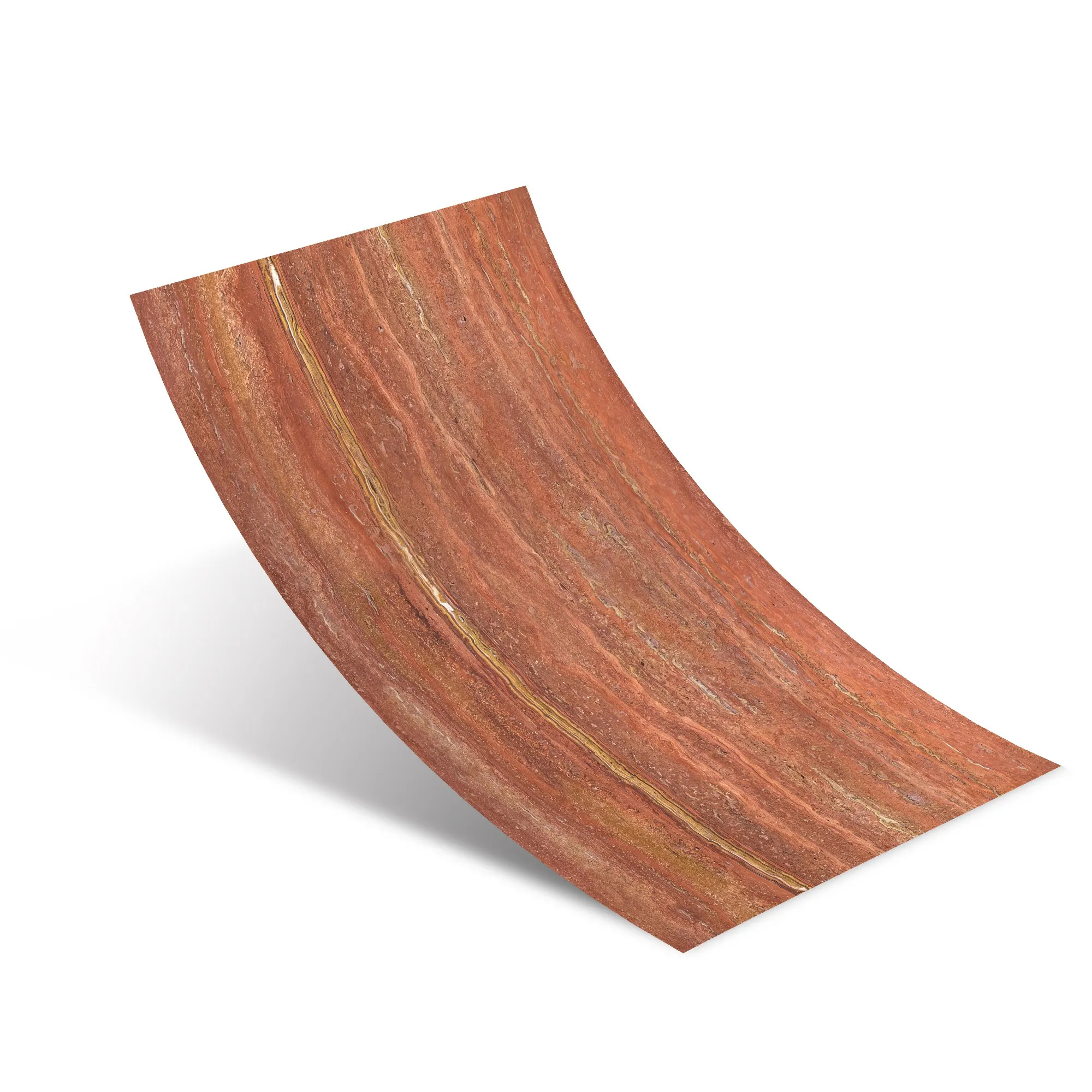
First, let's clarify what MCM flexible stone actually is. Unlike solid natural stone slabs, MCM is a composite material that combines natural stone aggregates (in this case, recycled travertine dust and fragments) with a lightweight, durable polymer matrix. The result? A thin, flexible sheet that mimics the look and texture of natural travertine but with a fraction of the weight and environmental impact. Think of it as travertine's smarter, greener cousin—just as beautiful, but designed with the planet in mind.
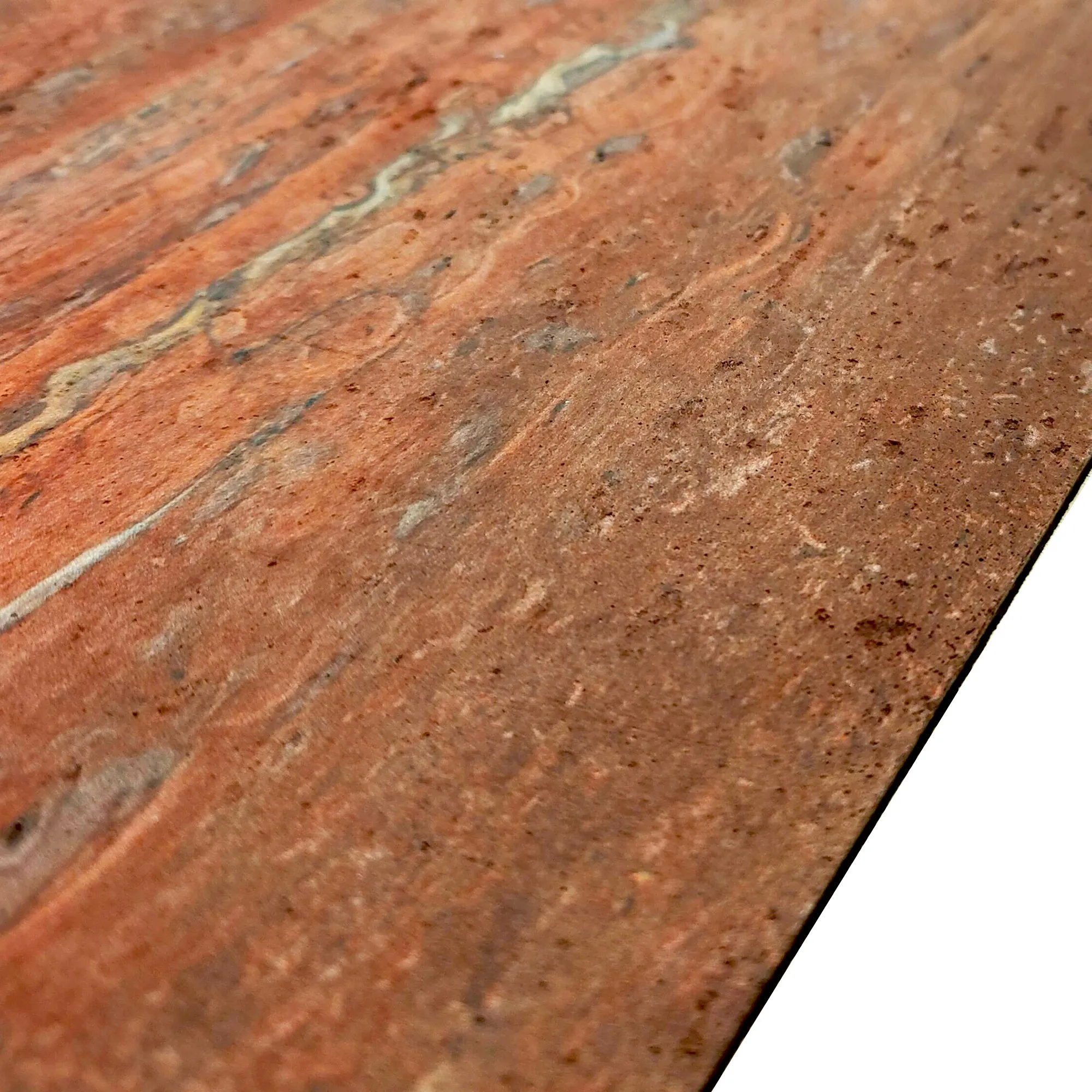
COLORIA's Red Travertine MCM takes this a step further. Its rich, earthy red hue—reminiscent of desert landscapes and warm sunsets—is achieved using natural pigments and mineral oxides, avoiding the toxic dyes often found in synthetic alternatives. The flexibility of the material is another game-changer: unlike rigid stone slabs that crack under stress or require heavy machinery to install, MCM sheets can bend, curve, and even be cut on-site with minimal waste. This not only simplifies installation but also reduces the need for excess material— a small detail that adds up to big environmental wins.
Fun Fact: A single square meter of COLORIA's Red Travertine MCM weighs just 4-5 kg, compared to 20-30 kg for a traditional travertine slab. This lightness cuts transportation emissions by up to 60% and reduces the structural load on buildings, opening up new design possibilities for architects.
COLORIA's commitment to sustainability isn't just about the final product—it's woven into every step of the manufacturing process. Let's pull back the curtain and see how Red Travertine MCM goes from concept to reality, with the planet at the center of every decision.
Traditional travertine quarries often leave gaping holes in the landscape, displacing wildlife and depleting local water sources. COLORIA takes a different approach: instead of mining new stone, they partner with quarry operators to collect waste materials—think leftover dust, broken fragments, and offcuts that would otherwise end up in landfills. This "upcycling" of waste not only reduces the demand for new quarrying but also gives new life to materials that would have been discarded. For Red Travertine MCM, over 70% of the raw material comes from recycled or reclaimed sources—a statistic that makes traditional stone processors blush.
Step inside COLORIA's manufacturing facility, and you'll notice something missing: the roar of diesel-powered machinery and clouds of dust. Instead, solar panels line the roof, powering everything from mixing tanks to curing ovens. The production line itself is designed for minimal waste: computer-controlled cutting machines ensure precise shapes, and excess material from one batch is recycled into the next. Even the water used in the mixing process is treated and reused in a closed-loop system, cutting water consumption by 85% compared to traditional stone processing.
Perhaps most impressive is COLORIA's use of 3D printing series technology in prototyping and small-batch production. While large-scale MCM sheets are still manufactured using traditional pressing methods, 3D printing allows the team to test new textures, patterns, and color variations without wasting raw materials. It's a small but impactful example of how innovation can drive sustainability—proving that 3D printing isn't just for tech gadgets; it has a place in green building materials too.
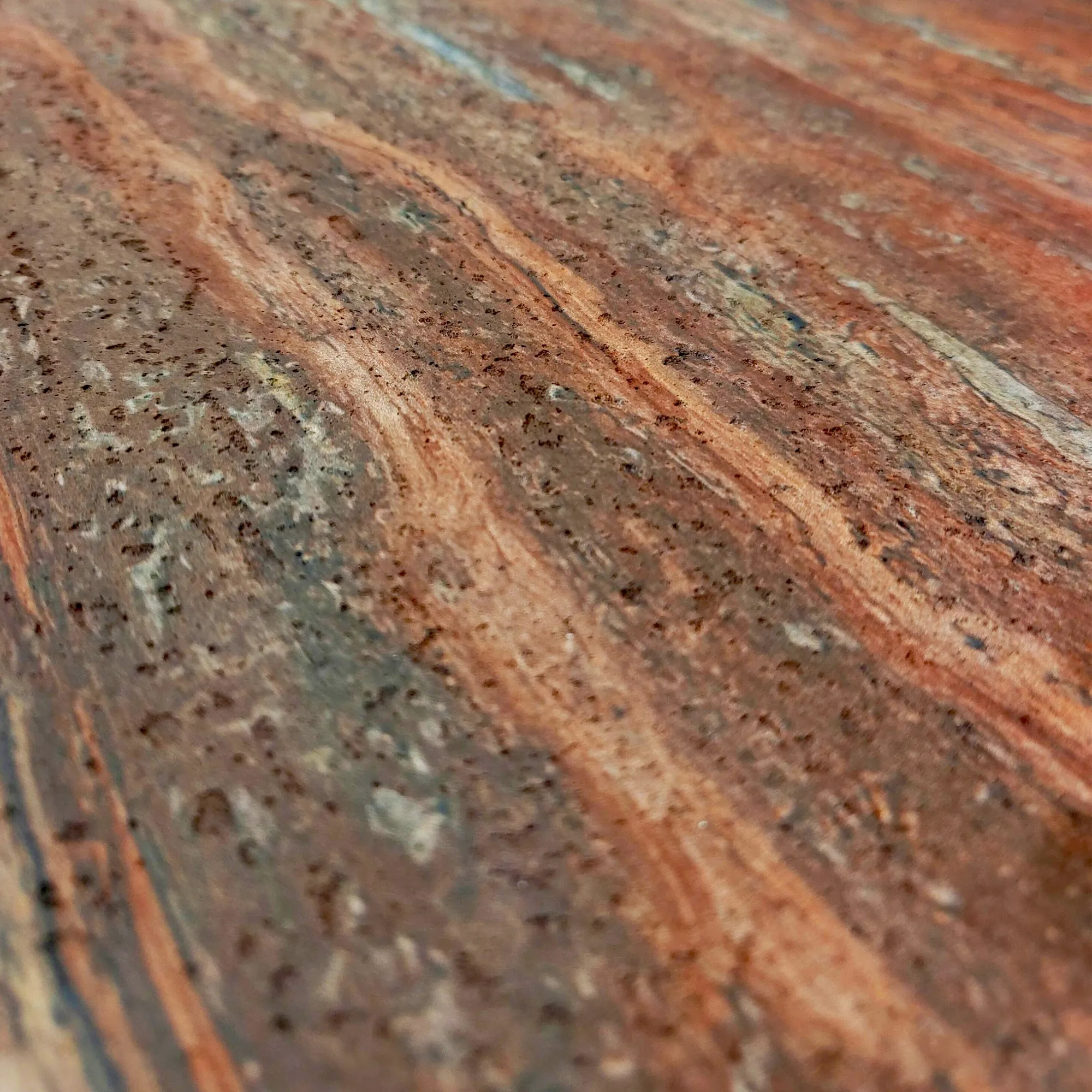
Traditional travertine finishing often involves harsh sealants and polishes that release volatile organic compounds (VOCs) into the air. COLORIA skips the chemicals, opting instead for a natural curing process that enhances the stone's inherent texture and color. The result is a surface that's just as durable as its chemically treated counterparts but safer for installers, occupants, and the planet. Even the packaging for Red Travertine MCM is eco-friendly: recyclable cardboard and biodegradable padding replace plastic wraps and foam peanuts.
Numbers tell a powerful story. To truly understand the impact of COLORIA's approach, let's compare Red Travertine MCM with traditional travertine across key environmental and practical metrics:
| Metric | Traditional Red Travertine | COLORIA Red Travertine MCM |
|---|---|---|
| Carbon Footprint (per sq.m) | High (15-20 kg CO₂e) | Low (3-4 kg CO₂e) |
| Water Usage (per sq.m) | 150-200 liters | 15-20 liters (90% reduction) |
| Waste Generated (per sq.m) | 10-15% material waste | <2% waste (recycled in production) |
| Installation Energy | High (requires heavy machinery) | Low (lightweight, can be installed manually) |
| Durability | Prone to cracking/chipping | Resistant to impact, moisture, and UV rays |
The difference is clear: COLORIA's Red Travertine MCM isn't just a "greener alternative"—it's a better alternative, period. Builders save on labor and transportation costs, architects gain more design flexibility, and the planet breathes a little easier. It's a win-win-win scenario that's hard to ignore.
Red Travertine MCM is just one star in COLORIA's constellation of eco-friendly products. The company's portfolio reads like a who's who of sustainable building materials, each designed to address a specific need while keeping sustainability front and center. Take their fair-faced concrete, for example—a material celebrated for its raw, industrial beauty. COLORIA's version uses recycled aggregates and a low-carbon cement mix, cutting emissions by 30% compared to standard fair-faced concrete.
Then there's their foamed aluminium alloy board series, available in vintage silver, gold, and black. Lightweight, corrosion-resistant, and 100% recyclable, these boards are a favorite for exterior cladding, offering the sleek look of metal without the environmental cost of mining new aluminum. And let's not forget their 3D printing series, which allows for custom-designed panels and textures with minimal waste—perfect for architects looking to push the boundaries of design while staying eco-conscious.
What ties all these products together? COLORIA's unwavering commitment to the "triple bottom line": people, planet, and profit. They prioritize ethical sourcing, fair labor practices, and community engagement, ensuring that their green mission extends beyond the factory floor. It's this holistic approach that has made them a trusted name in green building materials, not just for their products, but for their values.
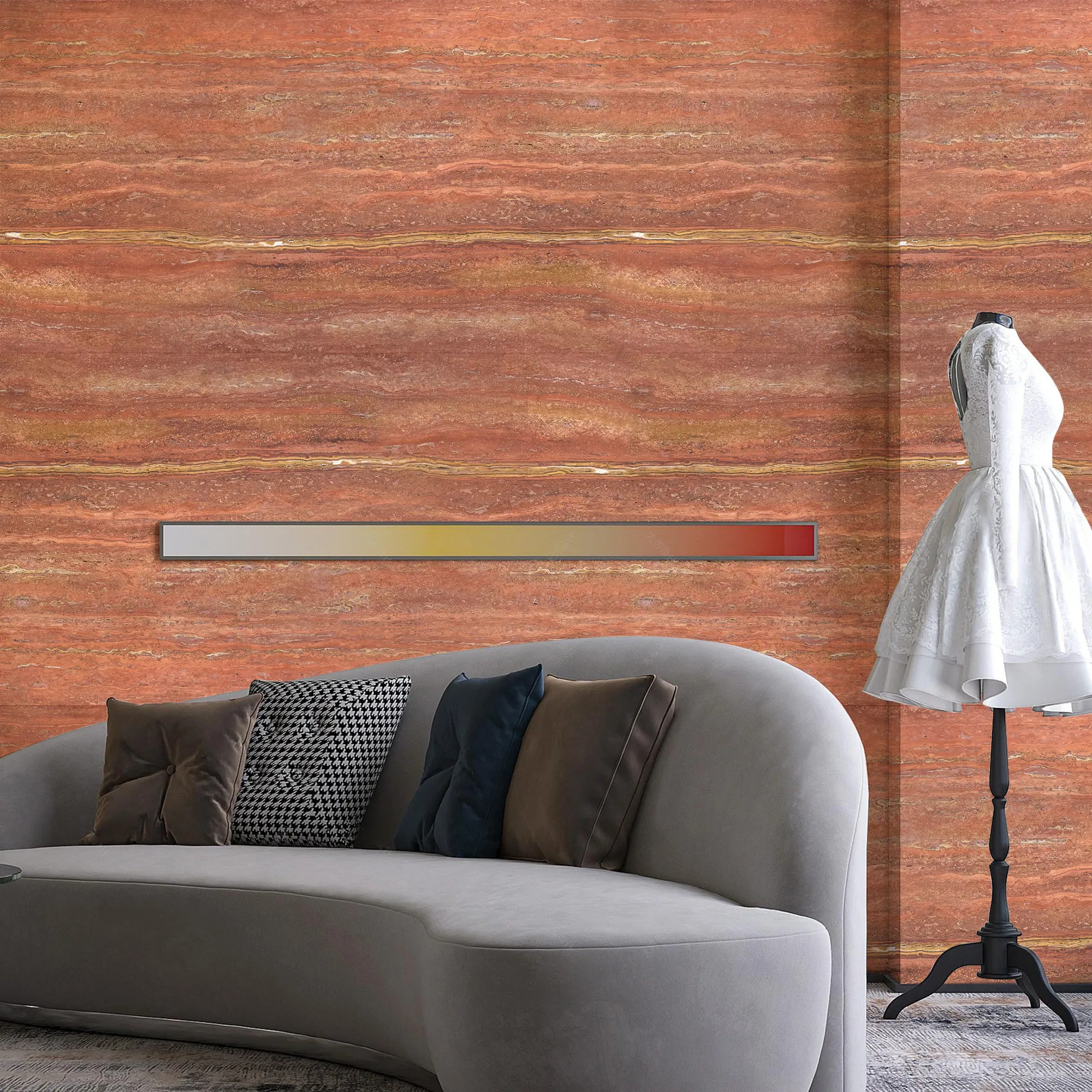
At the end of the day, sustainability is only part of the equation. For a product to truly succeed, it needs to deliver on performance and aesthetics too—and COLORIA's Red Travertine MCM checks both boxes. Designers love its versatility: it can be used for walls, ceilings, furniture, and even accent pieces, adapting to both modern and traditional styles. Builders appreciate its ease of installation: no heavy cranes, no specialized tools, just lightweight sheets that can be applied directly to most surfaces.
Take Sarah Lopez, a Miami-based architect who recently used Red Travertine MCM in a boutique hotel project. "We wanted the warmth of travertine but couldn't justify the environmental impact of traditional stone," she says. "COLORIA's MCM was the perfect solution. The red hue added so much character to the lobby, and the installation team finished the job in half the time it would have taken with solid slabs. Plus, knowing we were reducing the building's carbon footprint? That's a win for everyone."
Another advantage? Longevity. MCM materials are designed to stand the test of time, resisting fading, moisture, and wear. This means fewer replacements over the years, which translates to less waste and lower lifecycle costs. For commercial projects—where durability and maintenance matter just as much as design—this is a game-changer.
As the world grapples with climate change, the demand for sustainable building materials will only grow. Governments are tightening regulations, consumers are voting with their wallets, and architects are leading the charge for greener spaces. In this context, products like COLORIA's Red Travertine MCM aren't just trends—they're necessities.
But sustainability doesn't have to mean sacrificing style. If anything, it's pushing designers to be more creative, to find new ways to honor tradition while embracing innovation. COLORIA's Red Travertine MCM is a testament to this: it celebrates the beauty of natural travertine while reimagining its production for a better future. It's proof that we don't have to choose between the buildings we love and the planet we need—we can have both.
So the next time you walk into a space and find yourself admiring the walls, take a closer look. Maybe they're made of Red Travertine MCM. Maybe they're part of a movement. And maybe, just maybe, they're a sign that the future of architecture is not just about building up—but building better.
Recommend Products











