
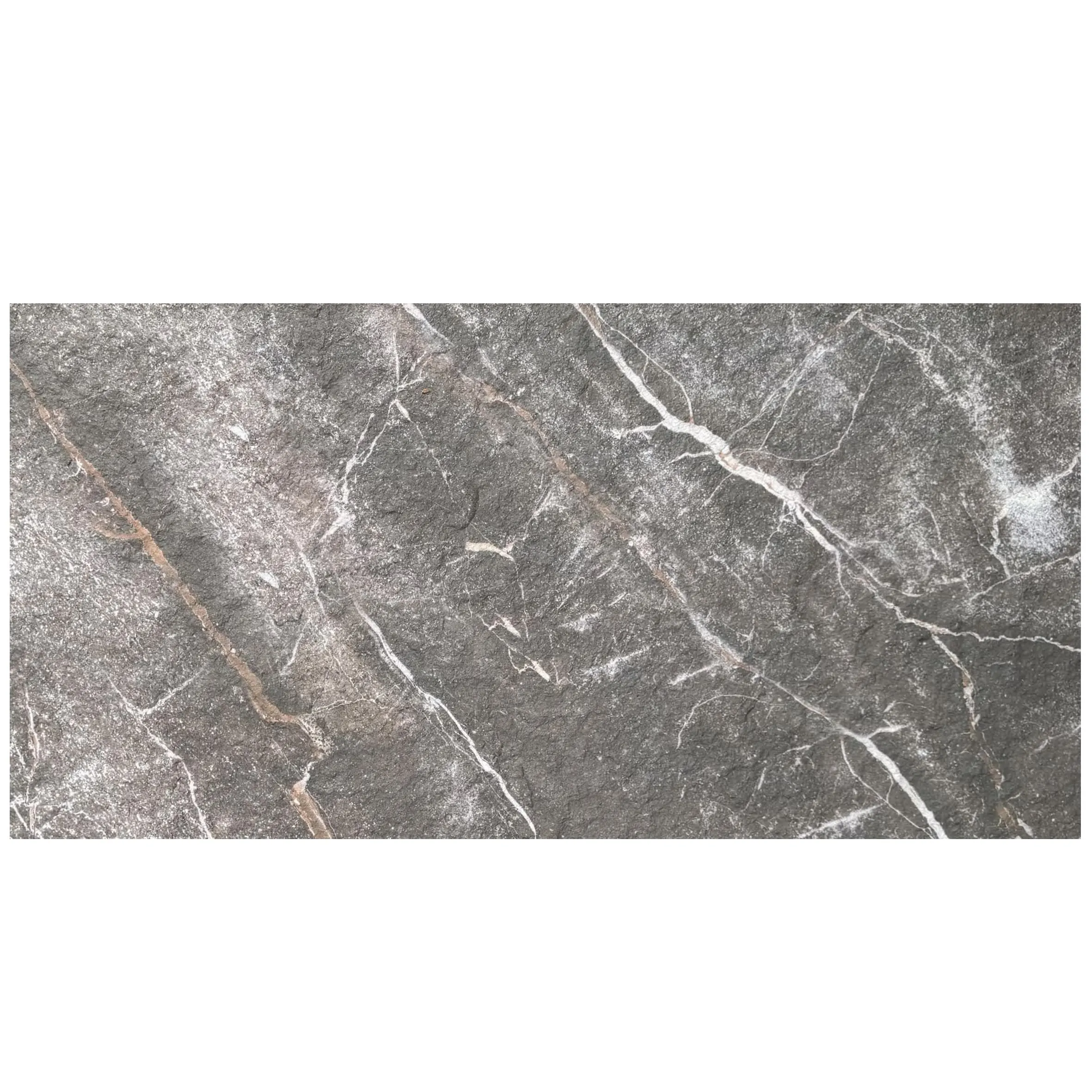
Think about the last time you stepped into a newly renovated space—a trendy restaurant with sleek countertops, a modern office with polished walls, or a friend's home with a showstopping accent wall. Chances are, the materials used played a big role in that first impression. Maybe it was the rich, dark veins of Granite Portoro, a natural stone prized for its opulence. But here's the thing: that "luxury" often comes with a hidden price tag—not just for your wallet, but for the planet.
Granite Portoro, like many natural stones, is extracted from quarries that tear into the earth, disrupting ecosystems and releasing tons of carbon emissions. Transporting those heavy slabs? A logistical nightmare that guzzles fuel. And once installed, they're hard to replace—if a crack appears, you're looking at a costly, wasteful replacement. But what if there was a way to get that same high-end look without the environmental guilt? Enter MCM panels.
MCM, or Modified Composite Material, panels are changing the game. Lightweight, durable, and yes—recyclable—they're designed to mimic the beauty of natural stone, metal, and wood while treading lighter on the planet. Today, we're diving into why swapping Granite Portoro for MCM panels (think MCM flexible stone, MCM big slab board series, and even foamed aluminium alloy board) isn't just a smart design choice, but a step toward a greener future.
Let's start with the elephant in the room: Granite Portoro is stunning. Its deep black background with golden veins has made it a favorite for luxury projects, from five-star hotel lobbies to high-end kitchen islands. But behind that beauty lies a messy truth. Quarrying natural stone like Granite Portoro involves blasting rock from mountainsides, which destroys habitats, pollutes local water sources, and contributes to soil erosion. According to the International Council for Stone and Aggregates , the natural stone industry accounts for approximately 1.2% of global greenhouse gas emissions—equivalent to the emissions of 28 million cars annually.
Then there's the weight. A single slab of Granite Portoro can weigh 200–300 pounds, making transportation a logistical headache. Trucks carrying these slabs burn more fuel, and the risk of breakage during transit means even more waste. Once on-site, installation requires heavy machinery and a team of workers, driving up labor costs and increasing the chance of accidents. And if a slab cracks during installation? It's often discarded, ending up in landfills where it takes centuries to decompose.
Don't get me wrong—natural stone has its place. But in a world where sustainability is no longer a "nice-to-have" but a necessity, clinging to materials like Granite Portoro feels outdated. That's where MCM panels come in.
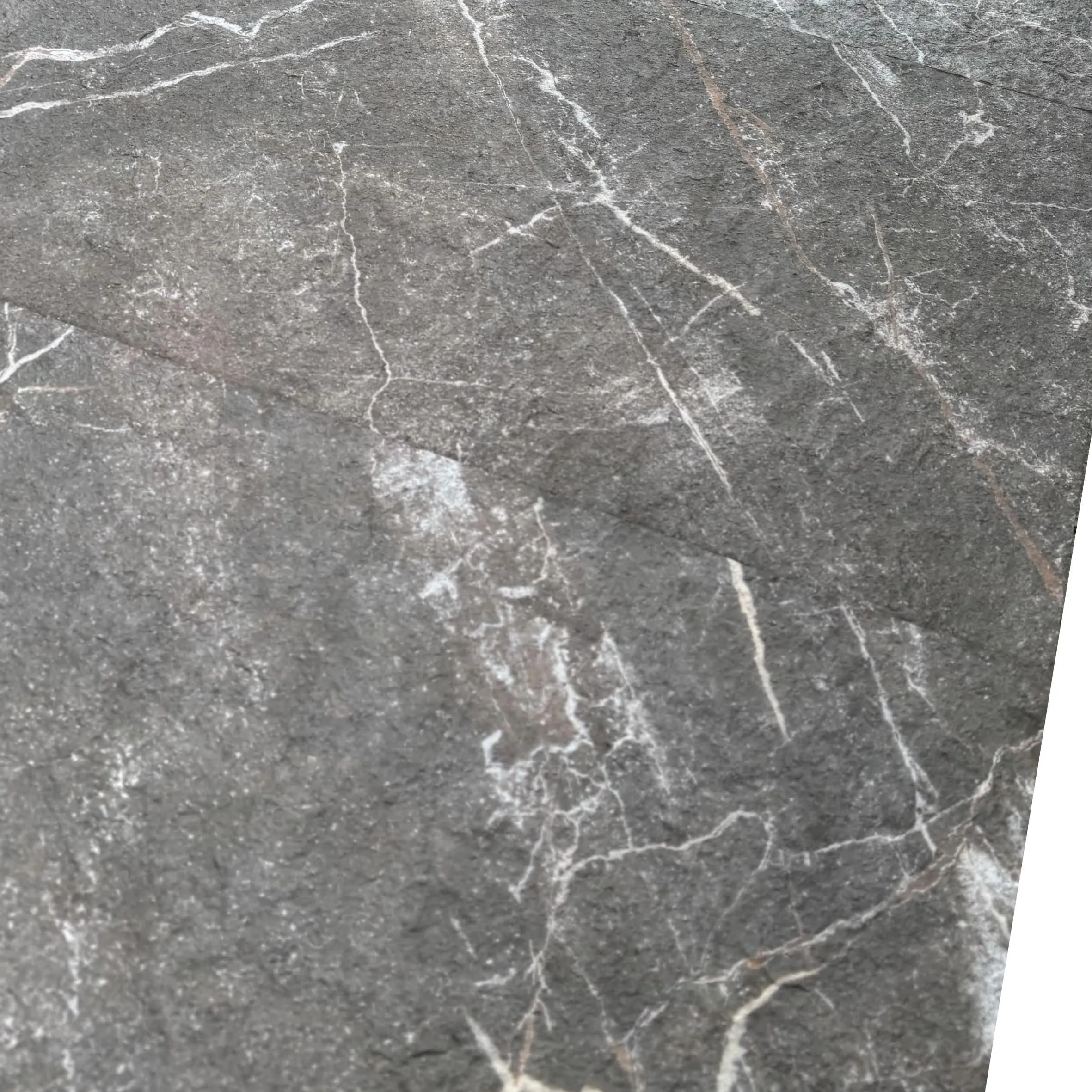
MCM panels are a blend of recycled materials (like stone powder, glass fibers, and polymers) compressed into thin, flexible sheets. Think of them as the "smart cousin" of traditional stone—they look just as good, but they're lighter, stronger, and kinder to the planet. The magic lies in their composition: by reusing waste from other industries (like leftover stone dust from quarries or recycled plastic), MCM panels reduce the need for new resource extraction. And because they're made in controlled factory settings, there's less waste and more consistency in quality.
But here's what really sets them apart: versatility. MCM panels come in a dizzying array of styles, from the earthy textures of MCM flexible stone to the sleek metallic sheen of foamed aluminium alloy board (vintage silver or gold). Whether you're craving the rustic charm of travertine (starry green) or the modern edge of fair-faced concrete, there's an MCM panel for that. And unlike Granite Portoro, which is limited by what nature provides, MCM panels can be customized to match any design vision—no two slabs have to be the same.
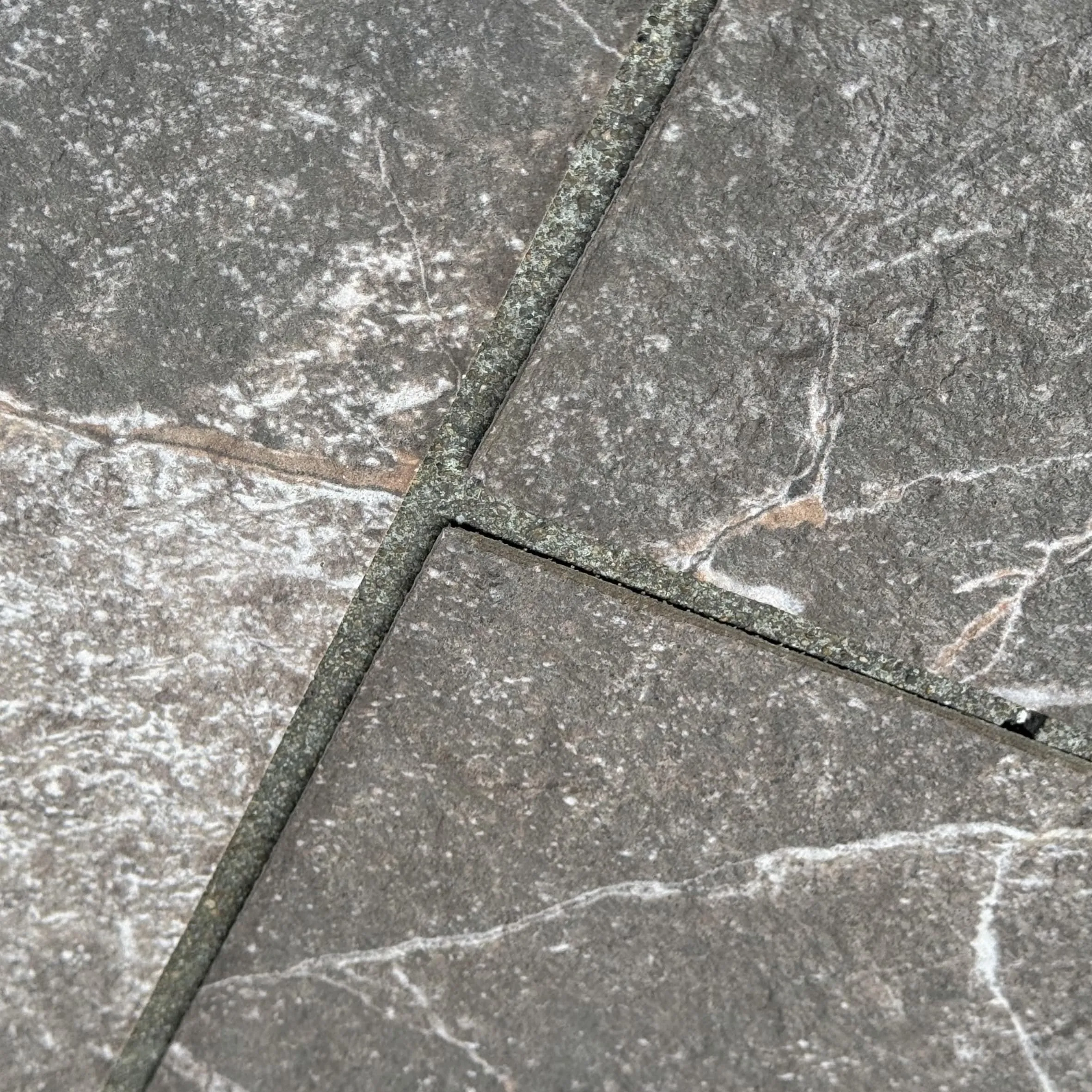
If you've ever tried to install natural stone in a curved space—a rounded wall, a spiral staircase, or a custom headboard—you know the struggle. Granite Portoro is rigid; it doesn't bend, which means you're stuck with straight lines or expensive, labor-intensive cutting. MCM flexible stone, on the other hand, lives up to its name. These panels can bend up to 90 degrees without cracking, making them perfect for organic, flowing designs.
Take, for example, a recent project by interior designer Maria Gonzalez, who used MCM flexible stone in travertine (starry blue) for a boutique hotel's lobby. "The client wanted a wall that felt like looking up at the night sky," she explains. "With traditional travertine, we would have had to piece together small tiles, which would have ruined the seamless effect. MCM flexible stone curved around the lobby's archway, and the starry blue finish—with tiny flecks of glitter—made the whole space feel magical. The best part? No one could tell it wasn't real stone."
But flexibility isn't just about aesthetics—it's about practicality. MCM flexible stone weighs a fraction of Granite Portoro (around 8–10 pounds per panel), so it can be installed on walls that couldn't support the weight of natural stone. This opens up possibilities for older buildings or lightweight structures, where traditional stone was once off the table.
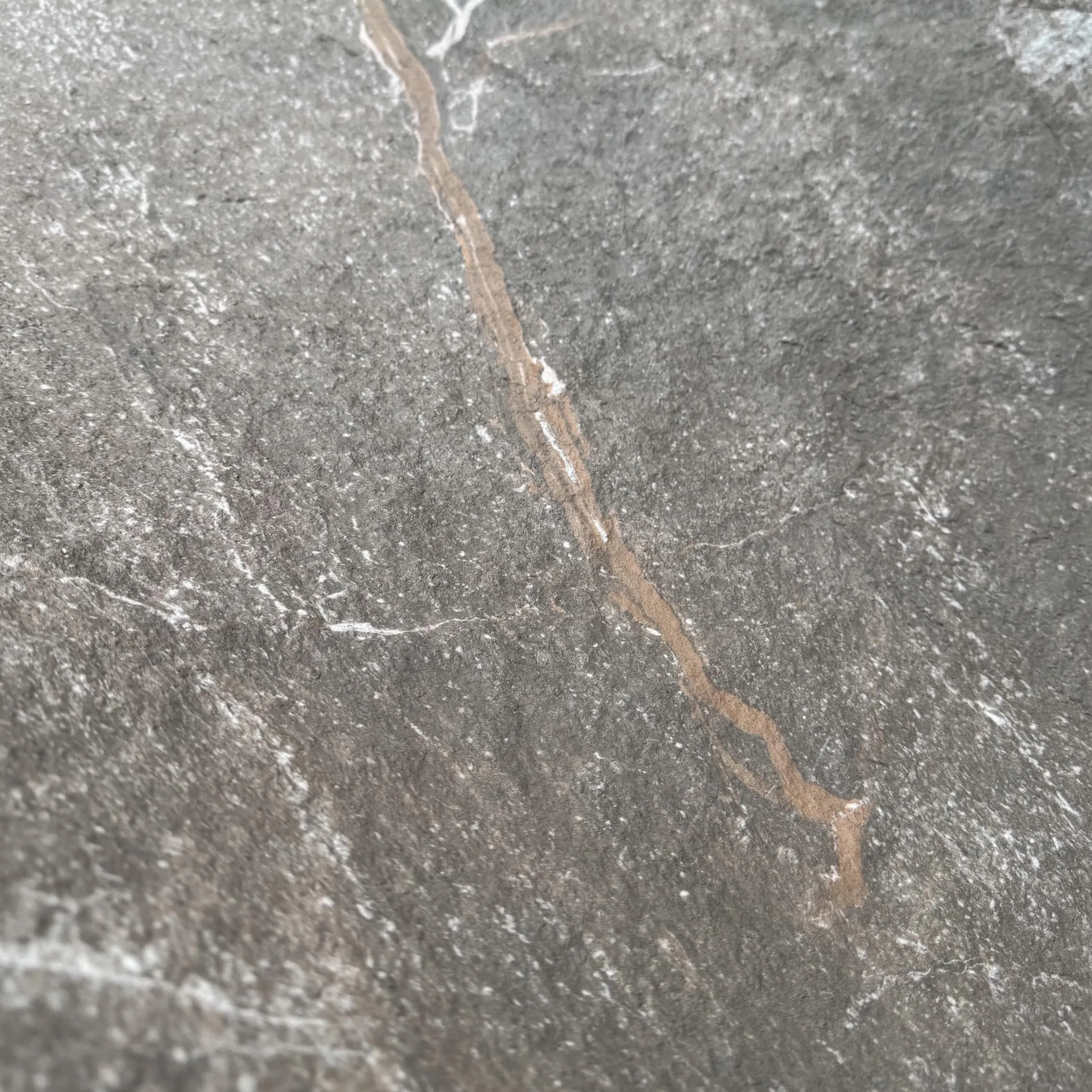
For those who love the grandeur of large-format stone slabs, the MCM big slab board series is a game-changer. These panels come in sizes up to 4 feet by 10 feet—bigger than most natural stone slabs—so you can cover entire walls or countertops with minimal seams. Imagine a kitchen backsplash that stretches from counter to ceiling without a single joint, or a living room accent wall that feels like a slab of polished stone. That's the MCM big slab board series in action.
Unlike Granite Portoro, which often has natural variations (like uneven veining or color spots), MCM big slab boards are consistent in color and pattern. This is a dream for designers who need uniformity across a space—say, a chain restaurant that wants each location to have the same signature wall. And with finishes ranging from the warm beige of lime stone (beige) to the industrial chic of fair-faced concrete, there's a look for every style.
Contractor Jake Wilson, who specializes in commercial renovations, swears by the MCM big slab board series. "We recently did a coffee shop using the fair-faced concrete finish," he says. "The client wanted that raw, minimalist look, but natural concrete is heavy and porous. MCM panels installed in a day—no messy mixing, no waiting for it to cure. And when a barista accidentally spilled espresso on the wall? We wiped it right off. You can't do that with real concrete or Granite Portoro, which stains easily."
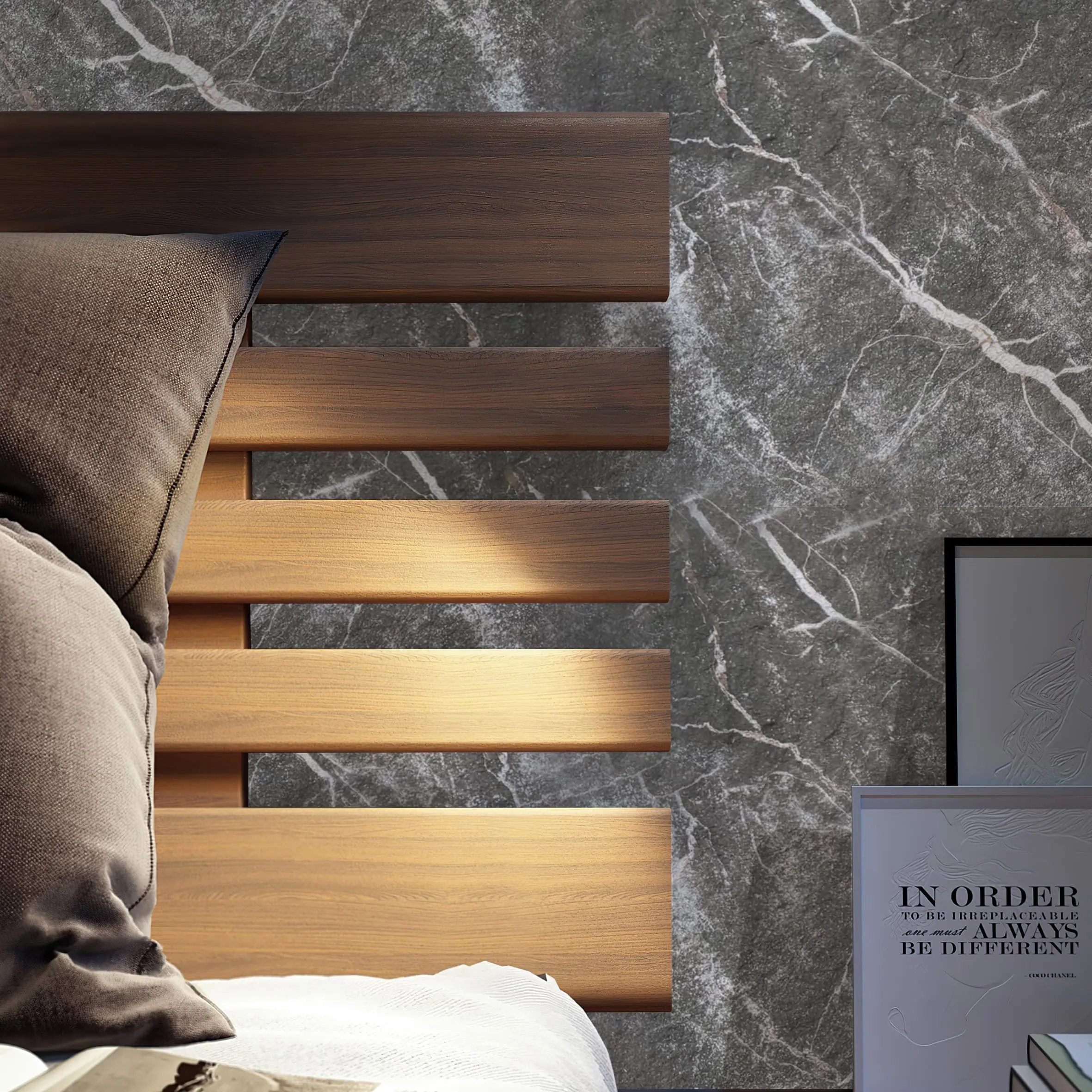
Curious how MCM panels stack up against Granite Portoro when it comes to sustainability? Let's break it down:
| Feature | Granite Portoro | MCM Panels (e.g., MCM Flexible Stone, MCM Big Slab Board Series) |
|---|---|---|
| Environmental Impact | High: Quarrying disrupts ecosystems; high carbon emissions from transportation and processing. | Low: Made from recycled materials; reduces waste by up to 80%; recyclable at end-of-life. |
| Weight | Heavy: ~200–300 lbs per slab; requires heavy machinery for installation. | Lightweight: ~8–15 lbs per panel; can be installed by 1–2 people with basic tools. |
| Durability | Prone to chipping, staining, and cracking; requires regular sealing. | Resistant to scratches, moisture, and UV rays; no sealing required. |
| Aesthetic Options | Limited to natural variations; difficult to customize colors or patterns. | Extensive: Over 50 finishes (e.g., travertine starry green, foamed aluminium alloy vintage gold, fair-faced concrete); customizable designs. |
| Installation Time | Slow: 1–2 slabs per day; requires curing time for adhesives. | Fast: Up to 10 panels per day; adhesive sets in hours, not days. |
The numbers speak for themselves. MCM panels aren't just a "greener alternative"—they're a better alternative, period. They save time, money, and headaches, all while reducing your project's carbon footprint.
Still not convinced? Let's look at some real-world examples of MCM panels replacing Granite Portoro and other traditional materials.
When Chef Elena Torres opened her farm-to-table restaurant in Portland, she wanted the interior to reflect her commitment to sustainability. "I loved the look of Granite Portoro for the bar top, but I couldn't justify the environmental impact," she says. Instead, she opted for the MCM big slab board series in dolomitic travertine (dark grey). "It has that same rich, textured look as natural stone, but it's made from recycled materials. Our customers often ask if it's real stone, and when we tell them it's MCM, they're shocked—then inspired to make greener choices in their own lives."
The bar top has now survived two years of heavy use—spills, scratches, and even a dropped wine bottle—and still looks brand new. "With Granite Portoro, I would have had to seal it every six months," Chef Elena adds. "This? I wipe it down with a damp cloth, and it's good as new."
Mark and Lisa Chen wanted to update their 1920s Chicago apartment, but the building's old walls couldn't support heavy materials like Granite Portoro. "We wanted an accent wall in the living room, but our contractor said traditional stone was out of the question," Lisa recalls. "Then he suggested MCM flexible stone in lunar peak silvery. It's lightweight, so it didn't strain the walls, and the silvery finish—with a subtle metallic sheen—makes the room feel bright and modern. We paired it with foamed aluminium alloy board (vintage gold) for the fireplace surround, and the whole space feels luxurious without being heavy."
Best of all? The installation took just one day. "We were expecting weeks of dust and noise," Mark laughs. "Instead, two guys showed up with a few panels, glued them to the wall, and were gone by lunch. We hosted a dinner party that weekend—our guests couldn't believe the wall was 'fake' stone."
As more homeowners and businesses prioritize sustainability, MCM panels are poised to become the go-to material for renovations and new builds. And it's not just about being green—advancements in technology are making MCM even more versatile. Take the MCM 3D printing series, for example. Designers can now 3D-print custom shapes and patterns, creating one-of-a-kind installations that were once impossible with traditional stone.
Then there's the focus on circularity. Many MCM manufacturers now offer take-back programs, where old panels are recycled into new ones. "We're moving away from the 'take-make-waste' model of construction," says sustainability expert Dr. James Lin. "MCM panels are part of that shift—they're designed to be recycled, not landfilled, which is crucial for a truly sustainable future."
And let's not forget about cost. While MCM panels were once seen as a premium option, their growing popularity has driven down prices, making them competitive with mid-range natural stones like Granite Portoro. When you factor in lower installation and maintenance costs, MCM often ends up being the more affordable choice in the long run.
At the end of the day, choosing materials for a renovation is about balance—beauty, budget, and values. Granite Portoro has long been a symbol of luxury, but in 2025, luxury means more than just a polished surface. It means making choices that honor the planet and future generations.
MCM panels—whether it's the flexibility of MCM flexible stone, the grandeur of the MCM big slab board series, or the sleekness of foamed aluminium alloy board—offer that balance. They're proof that you don't have to sacrifice style for sustainability. So the next time you're planning a project, ask yourself: Do I want a material that looks good, or one that does good? With MCM, you can have both.
After all, the most beautiful spaces aren't just pleasing to the eye—they're kind to the earth, too.
Recommend Products












