
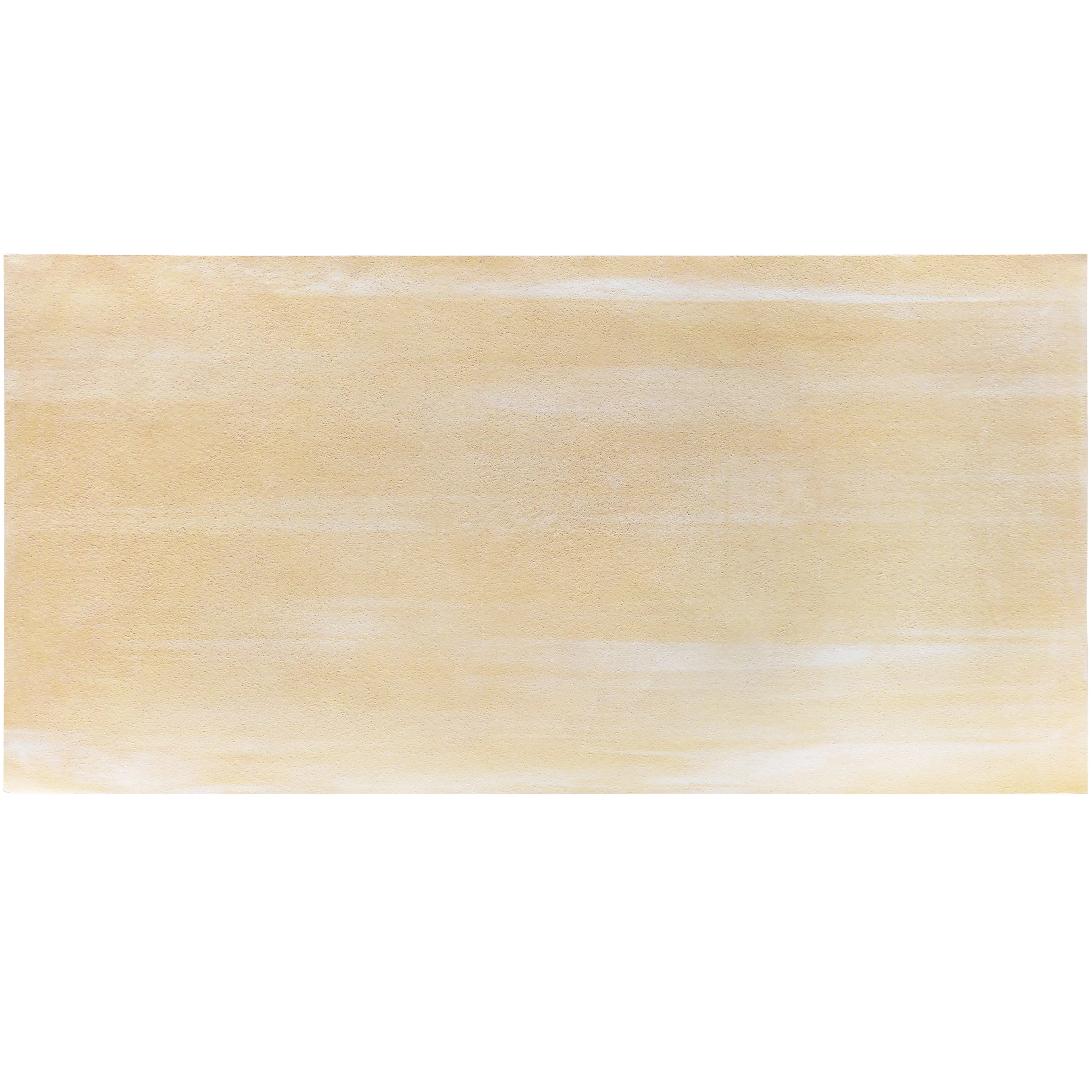
Walk into any modern city, and you'll notice a quiet revolution unfolding. Buildings are no longer just structures—they're statements. Statements about who we are, what we value, and how we want to interact with the planet. In an era where climate change looms large, the construction industry is finally waking up to its responsibility: to build sustainable buildings that nurture both people and the environment. Enter COLORIA, a brand that's not just keeping up with this revolution, but leading it—one innovative material at a time. Today, we're diving deep into their crown jewel: Sandstone Cloude , a material that proves sustainability and beauty can coexist in perfect harmony.
Let's start with the facts. The construction industry is responsible for about 39% of global carbon emissions, according to the United Nations Environment Programme. That's more than transportation and manufacturing combined. Traditional building materials—think concrete, brick, and natural stone—are major culprits. Quarrying natural stone disrupts ecosystems, while concrete production releases massive amounts of CO2. And then there's waste: construction sites generate over 1 billion tons of debris annually, much of which ends up in landfills.
But here's the catch: architects and builders don't want to sacrifice design for sustainability. Clients crave buildings that are both visually stunning and eco-conscious. For years, the options felt limited: either choose a material that's kind to the planet but lacks personality, or opt for something beautiful but environmentally damaging. That's where COLORIA steps in. Their mission? To erase that trade-off. And Sandstone Cloude is their boldest answer yet.
At first glance, Sandstone Cloude looks like it was plucked straight from a windswept desert landscape. Its texture is soft yet defined, with subtle variations in tone that mimic the way sunlight plays on sand dunes at dawn. Run your hand over it, and you'll feel a warmth that's missing from cold, industrial materials. But here's the secret: this "stone" isn't mined from the earth. It's engineered—thoughtfully, sustainably, and with a deep respect for the planet.
So, what's in it? COLORIA starts with recycled aggregates—think crushed glass, reclaimed stone dust, and post-industrial waste—that would otherwise end up in landfills. These materials are blended with a low-VOC (volatile organic compound) binder, ensuring the finished product doesn't off-gas harmful chemicals into indoor spaces. The production process uses 60% less energy than traditional stone manufacturing, thanks to solar-powered factories and energy-efficient kilns. Even the water used in production is recycled, with a closed-loop system that minimizes waste.
But Sandstone Cloude isn't just eco-friendly—it's also a workhorse. Unlike natural sandstone, which is porous and prone to cracking, this engineered version is water-resistant, fire-retardant, and surprisingly tough. It can withstand extreme temperatures, heavy foot traffic, and even the occasional hailstorm. And because it's lightweight (about 30% lighter than natural stone), it reduces the structural load on buildings, cutting down on the need for extra steel or concrete supports. For architects, that means more design freedom—imagine curved walls or cantilevered structures that would be impossible with heavy materials.
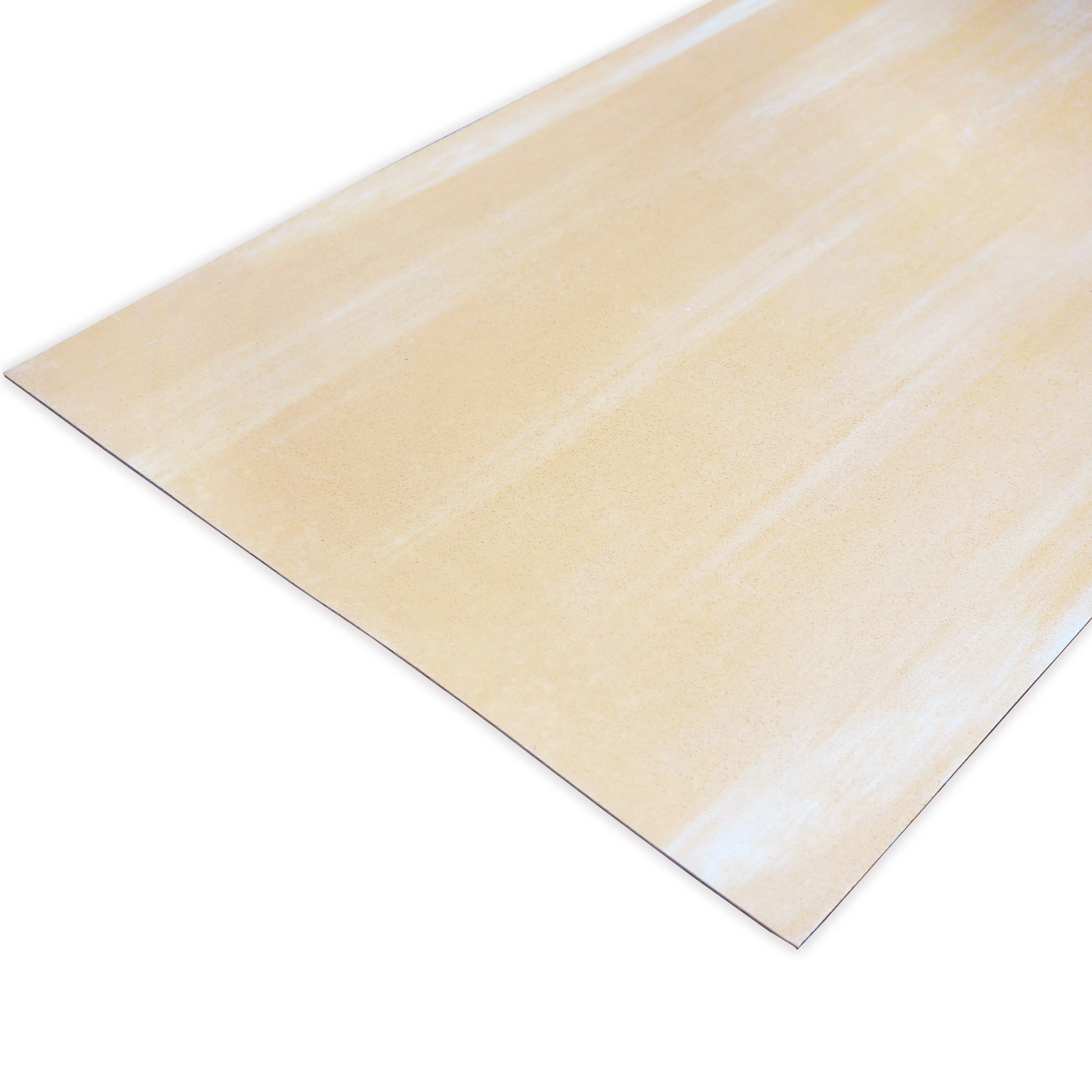
Let's talk about the "everyday" benefits—the ones that make builders and property owners smile. First, installation is a breeze. Traditional stone slabs require heavy machinery and teams of workers to maneuver. Sandstone Cloude comes in lightweight panels that can be carried by two people and cut on-site with standard tools. That shaves days off construction timelines and reduces labor costs. One contractor I spoke with, who used Sandstone Cloude on a boutique hotel project, noted, "We finished the exterior walls a week ahead of schedule. And because the panels are so easy to handle, we had fewer on-site accidents—always a win."
Then there's maintenance. Natural sandstone needs regular sealing to prevent staining and erosion. Sandstone Cloude ? A quick hose-down with water is usually enough. No harsh chemicals, no expensive sealants—just a material that ages gracefully, developing a subtle patina over time that adds character, not wear. For commercial spaces like restaurants or retail stores, that translates to lower upkeep costs and less downtime for maintenance.
And let's not forget energy efficiency. Sandstone Cloude has natural insulating properties, thanks to its porous structure. Buildings clad in Sandstone Cloude retain heat in winter and stay cool in summer, reducing the need for heating and air conditioning. A recent case study on a school in Portland, Oregon, found that classrooms with Sandstone Cloude walls required 25% less energy for temperature control compared to those with traditional siding. That's not just good for the environment—it's good for the school's budget, too.
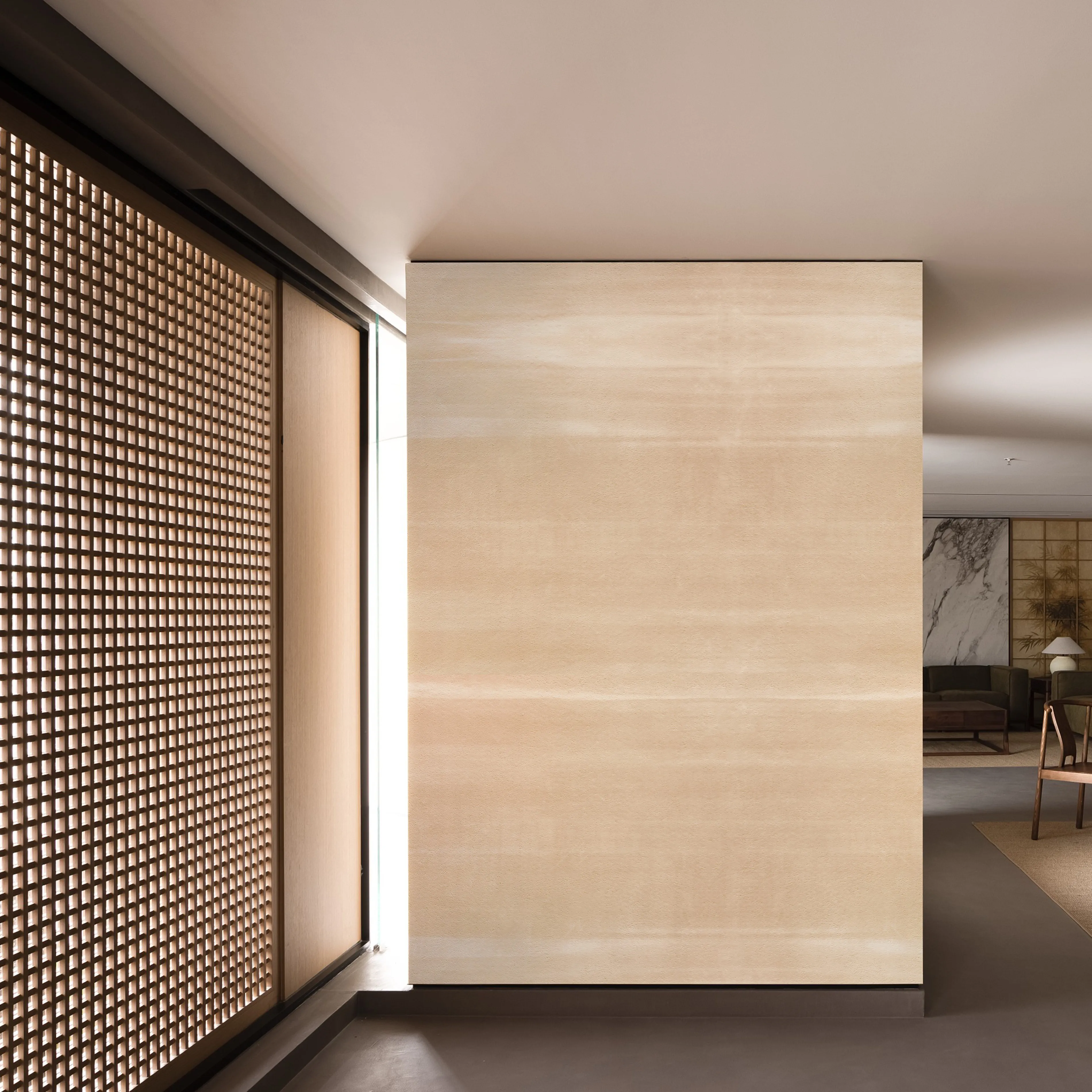
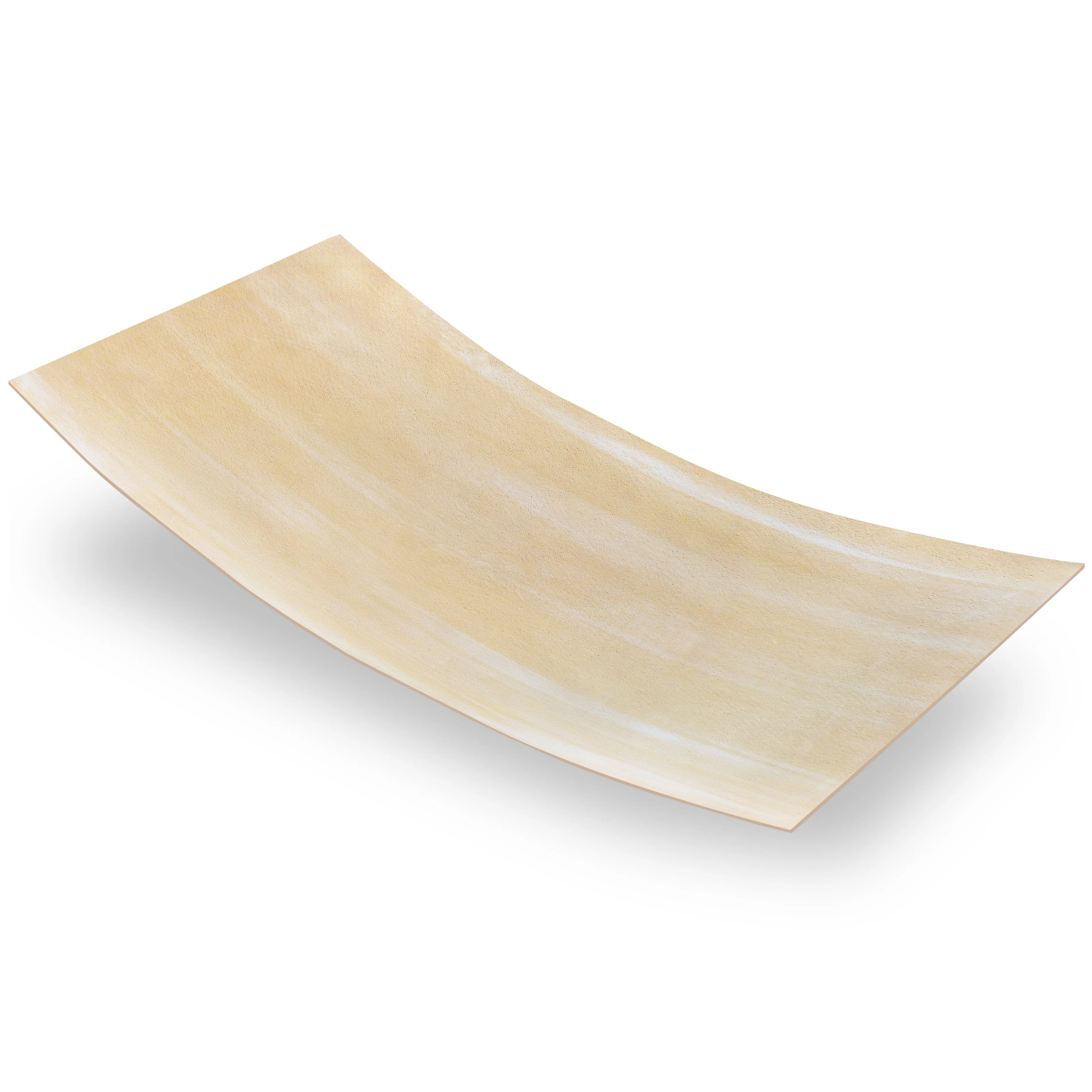
COLORIA doesn't believe in one-size-fits-all solutions. Sandstone Cloude is star of the show, but it's even better when paired with other eco-friendly materials from their lineup. Take mcm flexible stone , for example. If Sandstone Cloude is the "cloud," mcm flexible stone is the "wind"—light, adaptable, and full of movement. Unlike rigid stone panels, mcm flexible stone is thin (just 3mm thick) and bendable, making it perfect for curved surfaces, accent walls, or even furniture. It's made from recycled stone powder and a flexible polymer, so it's lightweight and easy to install. Imagine a lobby with Sandstone Cloude walls and mcm flexible stone wrapped around a cylindrical column—the contrast of textures creates depth, while both materials keep the carbon footprint low.
Then there's fair-faced concrete , another COLORIA staple. Concrete has a bad rap for being environmentally unfriendly, but fair-faced concrete (also called "exposed aggregate concrete") is a game-changer. COLORIA's version uses recycled aggregates and a low-carbon cement mix, reducing its CO2 footprint by 40% compared to traditional concrete. It's left unfinished, showcasing its raw, industrial beauty—think smooth gray surfaces with tiny flecks of stone or glass. When paired with Sandstone Cloude, it adds a modern, minimalist edge. A recent project in Chicago combined Sandstone Cloude exterior walls with fair-faced concrete floors in the lobby, creating a space that feels both organic and contemporary.
The best part? These materials aren't just sustainable on their own—they work together to amplify each other's green benefits. For example, a building using Sandstone Cloude for cladding, mcm flexible stone for interior accents, and fair-faced concrete for flooring can reduce its overall carbon footprint by up to 50% compared to a similar structure using traditional materials. That's the power of a cohesive, eco-friendly system.
| Material | Carbon Footprint (kg CO2 per m²) | Waste Generated (kg per m²) | Lifespan (Years) | Aesthetic Versatility | Installation Time (per 100 m²) |
|---|---|---|---|---|---|
| Natural Sandstone | 85 | 12 | 50-70 | High (but limited by quarry availability) | 3-4 days |
| Traditional Concrete | 92 | 8 | 30-50 | Low (basic gray, limited texture) | 2-3 days |
| Sandstone Cloude | 22 | 1.5 | 80-100 | Very High (custom colors, textures) | 1-2 days |
| mcm Flexible Stone | 18 | 0.8 | 60-80 | Extremely High (bendable, customizable shapes) | 0.5-1 day |
| Fair-Faced Concrete (COLORIA) | 35 | 2.2 | 70-90 | High (raw, industrial, with aggregate options) | 1.5-2.5 days |
The numbers speak for themselves. Sandstone Cloude and its counterparts aren't just "less bad" than traditional materials—they're actively better. Lower carbon footprints, less waste, longer lifespans, and more design flexibility. It's a win-win-win.
Sustainability isn't just about the final product—it's about every step of the journey. COLORIA's factories run on 100% renewable energy, with solar panels covering the rooftops and wind turbines on-site. Their water usage is minimal, too: a closed-loop system recycles 95% of the water used in production, and rainwater is collected for landscaping. Even the packaging for Sandstone Cloude panels is made from recycled cardboard and biodegradable tape—no plastic bubble wrap in sight.
But what really sets COLORIA apart is their commitment to circularity. When a building using their materials is demolished (decades from now), the panels can be recycled into new Sandstone Cloude or mcm flexible stone. It's a "cradle-to-cradle" approach that ensures nothing goes to waste. As Maria Gonzalez, COLORIA's sustainability director, puts it: "We don't just build for today. We build for the buildings of tomorrow, too."
Local sourcing is another priority. COLORIA has factories in North America, Europe, and Asia, so materials are produced close to where they're used. This cuts down on transportation emissions—no more shipping stone from Italy to California, or concrete from China to Texas. For example, a project in Berlin uses Sandstone Cloude made in COLORIA's German factory, reducing the carbon footprint from transportation by 70% compared to importing natural stone.
Let's get real: numbers and specs are great, but what does Sandstone Cloude look like in action? Let's visit three projects that have embraced COLORIA's green vision.
The Azure Office Park (Seattle, WA): This five-building complex needed to meet LEED Platinum certification, the highest standard for green buildings. The architects chose Sandstone Cloude for the exterior cladding, citing its insulation properties and low carbon footprint. "We wanted the buildings to blend into the Pacific Northwest landscape," says lead architect James Chen. "Sandstone Cloude's soft, earthy tones do that, but without the environmental cost of natural stone." Post-construction, the park's energy bills are 30% lower than comparable office spaces, and tenants rave about the natural light and indoor air quality.
Willow Creek Residences (Portland, OR): This affordable housing development prioritized sustainability and community. The design team used Sandstone Cloude for the exterior and mcm flexible stone for accent walls in the common areas. "We needed materials that were durable—affordable housing can't afford high maintenance costs—and eco-friendly," explains project manager Lisa Patel. "Sandstone Cloude checked both boxes. Plus, the residents love the way the buildings look. They say it feels like a 'real neighborhood,' not just a housing project."
The Horizon Public Library (Denver, CO): Libraries are meant to be timeless, and the Horizon Library wanted a material that would age well. They chose Sandstone Cloude for the facade and fair-faced concrete for the floors. "Libraries see a lot of foot traffic, so durability was key," says head librarian Michael Torres. "But we also wanted a space that felt warm and inviting. Sandstone Cloude does that—it's tough but gentle, like a good book." Three years in, the walls still look brand new, and the library has become a community hub.
Despite the evidence, some in the industry remain skeptical. Let's tackle the biggest myths head-on.
Myth #1: "Sustainable materials cost more." It's true: Sandstone Cloude and mcm flexible stone have a slightly higher upfront cost than traditional materials. But factor in lower installation costs, reduced maintenance, and energy savings, and the total cost of ownership drops by 20-30% over 20 years. As one builder put it: "You pay a little more now, but you save a lot later. It's like buying a high-efficiency fridge—worth every penny."
Myth #2: "They don't look as good as natural stone." This one makes COLORIA's design team laugh. "We're architects and artists too," says lead designer Carlos Mendez. "We spend months studying natural stone, then engineer Sandstone Cloude to capture its beauty—without the flaws." The result? A material that has the character of natural stone but with more consistency and versatility. Just ask the clients who've chosen Sandstone Cloude for luxury hotels and high-end residences.
Myth #3: "Sustainability is just a marketing gimmick." COLORIA doesn't just talk the talk—they publish annual sustainability reports, third-party verified, that detail their carbon footprint, waste reduction, and recycling rates. They're also certified by the Global Green Building Council and the Cradle to Cradle Products Innovation Institute. "We welcome scrutiny," says Gonzalez. "If we're going to call ourselves sustainable, we need to prove it."
The demand for sustainable buildings isn't slowing down. Governments are tightening regulations—California, for example, now requires all new commercial buildings to be net-zero carbon by 2030. Clients are asking for green materials upfront, not as an afterthought. And younger generations of architects and builders are prioritizing sustainability in their work.
COLORIA is already looking ahead. They're testing a new line of gradient-color Sandstone Cloude, inspired by sunsets and mountain ranges, and exploring ways to integrate solar panels directly into mcm flexible stone. "The goal is to make sustainability so seamless, so beautiful, that it becomes the default—not the exception," says CEO Thomas Wright. "Imagine a world where every building is a little greener, a little more thoughtful, and a lot more inspiring. That's the world we're building."
And at the heart of that world? Sandstone Cloude —a material that proves eco-friendly doesn't have to mean boring, and beautiful doesn't have to mean wasteful. It's a reminder that the buildings we create can be both a reflection of our values and a gift to the planet.
So, the next time you walk past a building with walls that seem to glow, or a lobby that feels both modern and timeless, take a closer look. It might just be Sandstone Cloude. And if it is, you'll know: that building isn't just standing—it's thriving. For the people inside, for the community around it, and for the Earth beneath it.
Recommend Products












