
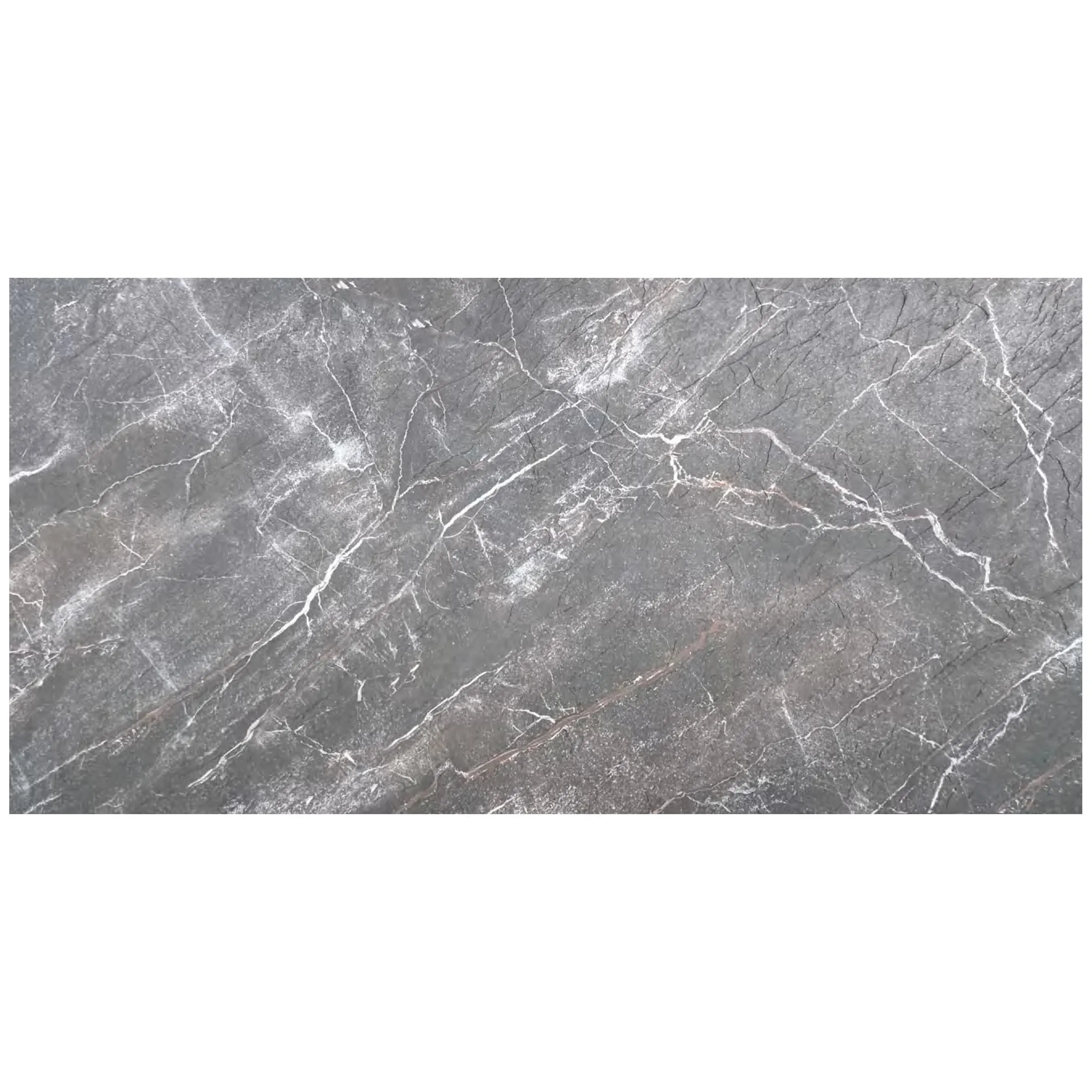
In the world of architecture and design, we're seeing a beautiful shift—one where aesthetics and responsibility walk hand in hand. Today's homeowners, architects, and builders aren't just asking, "Does this material look good?" They're asking, "What story does it tell about our planet?" It's a question that matters more than ever, as the buildings we create leave footprints that last far longer than their first impression. And when it comes to cladding and surfacing, few materials have sparked as much debate as natural stone. Take Slate Portoro, for example—with its deep, rich veins and timeless allure, it's long been a favorite for luxury spaces. But beneath that beauty lies a hidden cost: one that's measured in quarried mountains, carbon-heavy transport, and wasted resources. So, what if there was a way to get the same striking look, but without the environmental guilt? Enter MCM (Modified Composite Material)—a game-changer that's redefining what sustainable design can be. Let's dive into why MCM, from its flexible stone innovations to its project-ready board series, is quickly becoming the go-to for anyone who wants their spaces to look good and do good.
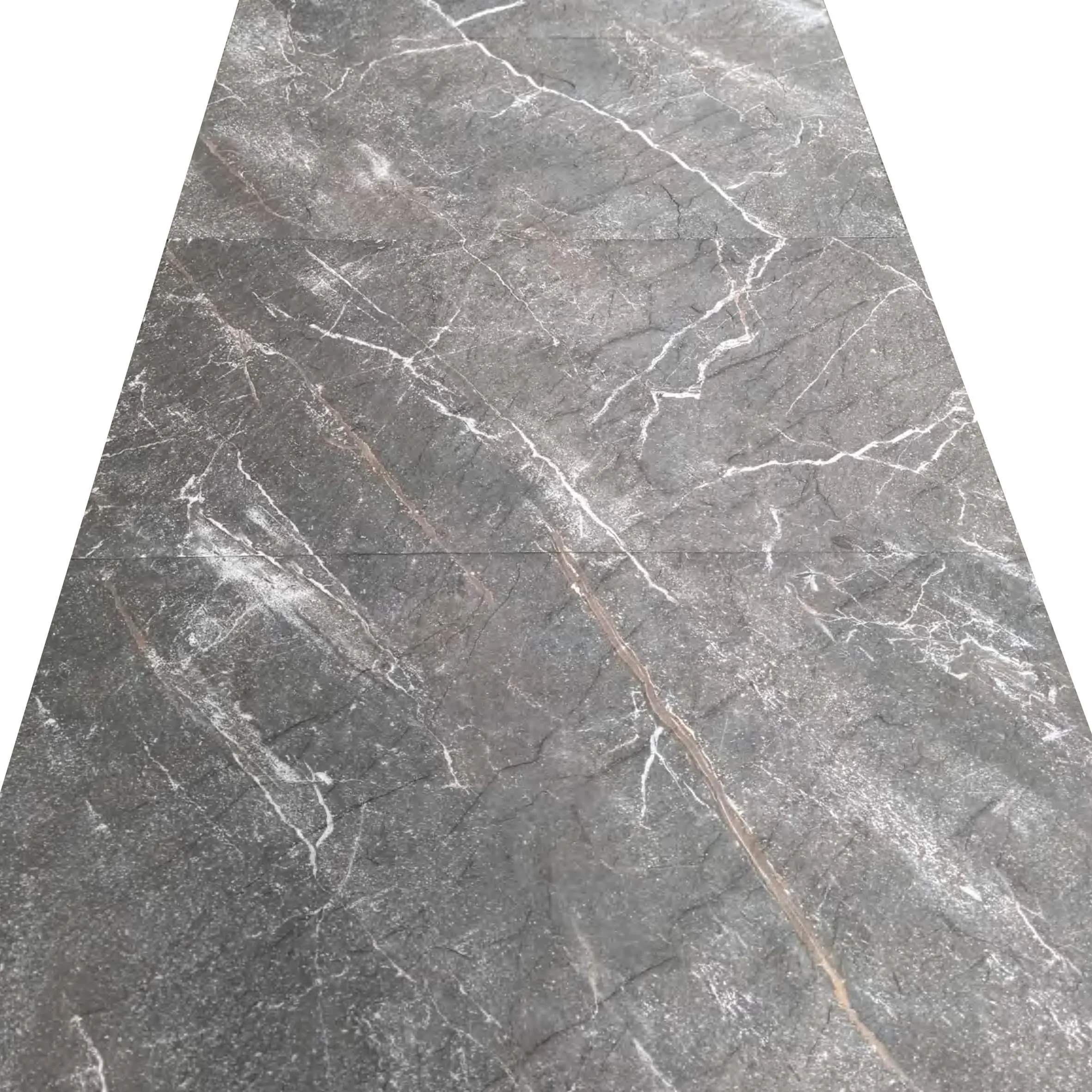
To understand why MCM is such a breakthrough, let's first talk about why traditional stones like Slate Portoro often fall short. Quarrying natural stone is an ancient practice, but that doesn't make it kind to the planet. Picture a quarry: massive machines tearing into rock faces, clearing forests to reach mineral deposits, and disrupting ecosystems that took decades to build. For every ton of usable stone extracted, up to 3 tons of waste is left behind—rock fragments that can't be used, piling up in landfills or scarring landscapes. Then there's the energy cost: cutting, polishing, and finishing stone requires heavy machinery and often harsh chemicals, from water-intensive cleaning to sealants that off-gas harmful VOCs.
Transportation adds another layer of impact. Slate Portoro, like many premium stones, is often sourced from specific regions—think Italy, Brazil, or India. Hauling these dense, heavy slabs across oceans and continents means burning fossil fuels, contributing to greenhouse gas emissions. Once on-site, installation is no breeze either: those heavy slabs require cranes, specialized labor, and extra structural support, adding even more to the project's carbon footprint. And here's the kicker: natural stone is porous and prone to cracking, meaning it often needs replacement sooner than expected—creating a cycle of extraction, waste, and repeat.
Don't get me wrong—there's a time and place for natural stone. But in an era where "sustainable" isn't just a buzzword but a necessity, we need materials that honor both our love for beauty and our duty to protect the planet. That's where MCM steps in.
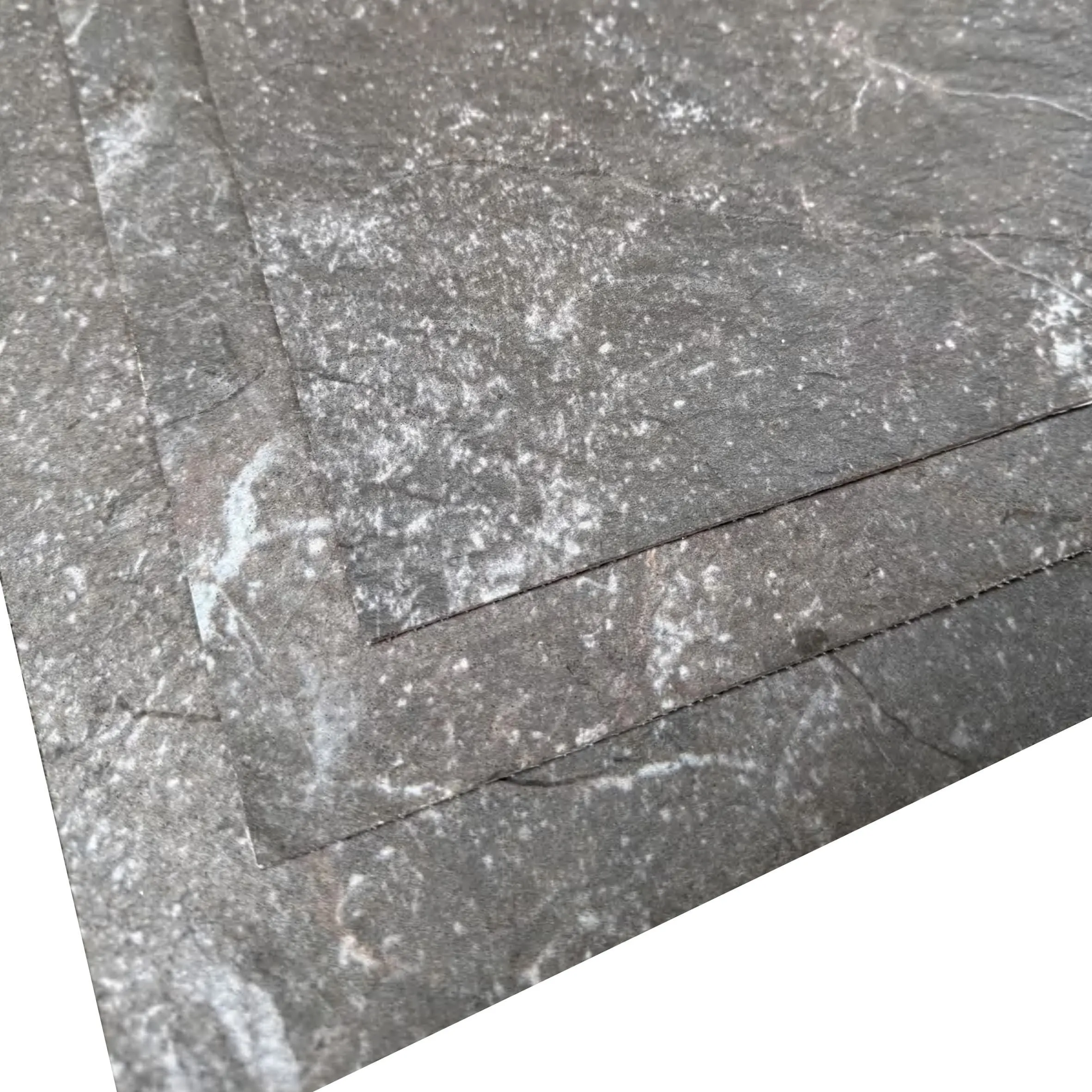
So, what exactly is MCM? At its core, it's a modified composite material—think of it as a clever blend of recycled polymers, natural mineral powders, and reinforcing fibers. The result? A material that looks and feels like natural stone but weighs a fraction of the real thing, bends without breaking, and is made with sustainability at every step. Let's break down why that matters.
First, the manufacturing process. Unlike quarrying, MCM production starts with recycling. Many MCM products incorporate post-consumer plastics, industrial byproducts, and even leftover stone dust from traditional quarries—materials that would otherwise end up in landfills. This not only reduces waste but also cuts down on the need for virgin resources. The production itself uses far less energy than stone quarrying or concrete manufacturing, with closed-loop systems that recycle water and minimize emissions. And because MCM is engineered to be lightweight (often 70% lighter than natural stone), transporting it is a breeze—meaning fewer trucks on the road and lower carbon emissions from point A to point B.
But MCM isn't just eco-friendly; it's also practical . Its flexibility makes installation faster and easier—no need for heavy machinery or reinforced walls. It's resistant to moisture, UV rays, and impact, so it lasts longer, reducing the need for replacements. And here's the best part: it comes in a staggering range of styles, from the earthy texture of travertine to the sleek look of fair-faced concrete. Let's take a closer look at some standout MCM lines that are making waves in sustainable design.
One of MCM's most innovative offerings is its flexible stone series—a product that lives up to its name. Imagine a thin, lightweight panel that can curve around columns, wrap over uneven surfaces, or even be used for custom 3D installations—all while mimicking the look of natural stone. That's MCM flexible stone in action. Unlike rigid Slate Portoro, which requires precise cutting and flat surfaces, flexible stone adapts to the space, reducing installation time and waste. It's perfect for everything from accent walls in a home theater to exterior cladding on a commercial building. And because it's made with recycled minerals and polymers, it checks all the boxes for green building certifications like LEED or BREEAM. For designers who crave creativity without compromise, this is a game-changer.
For large-scale projects—think office complexes, hotels, or retail spaces—consistency and efficiency are key. That's where the MCM project board series shines. Designed with contractors and architects in mind, these boards come in standardized sizes and a wide range of finishes, making them easy to plan, order, and install. Whether you're going for the industrial chic of fair-faced concrete or the warm, organic vibe of travertine (starry green)—a stunning option with subtle, star-like flecks that evoke a night sky—project boards deliver uniform beauty without the hassle of sourcing and matching natural stone. What's more, their lightweight nature means fewer workers on-site, less structural support needed, and lower shipping costs. It's sustainability that scales—no small feat in a world where construction projects often face tight deadlines and tighter budgets.
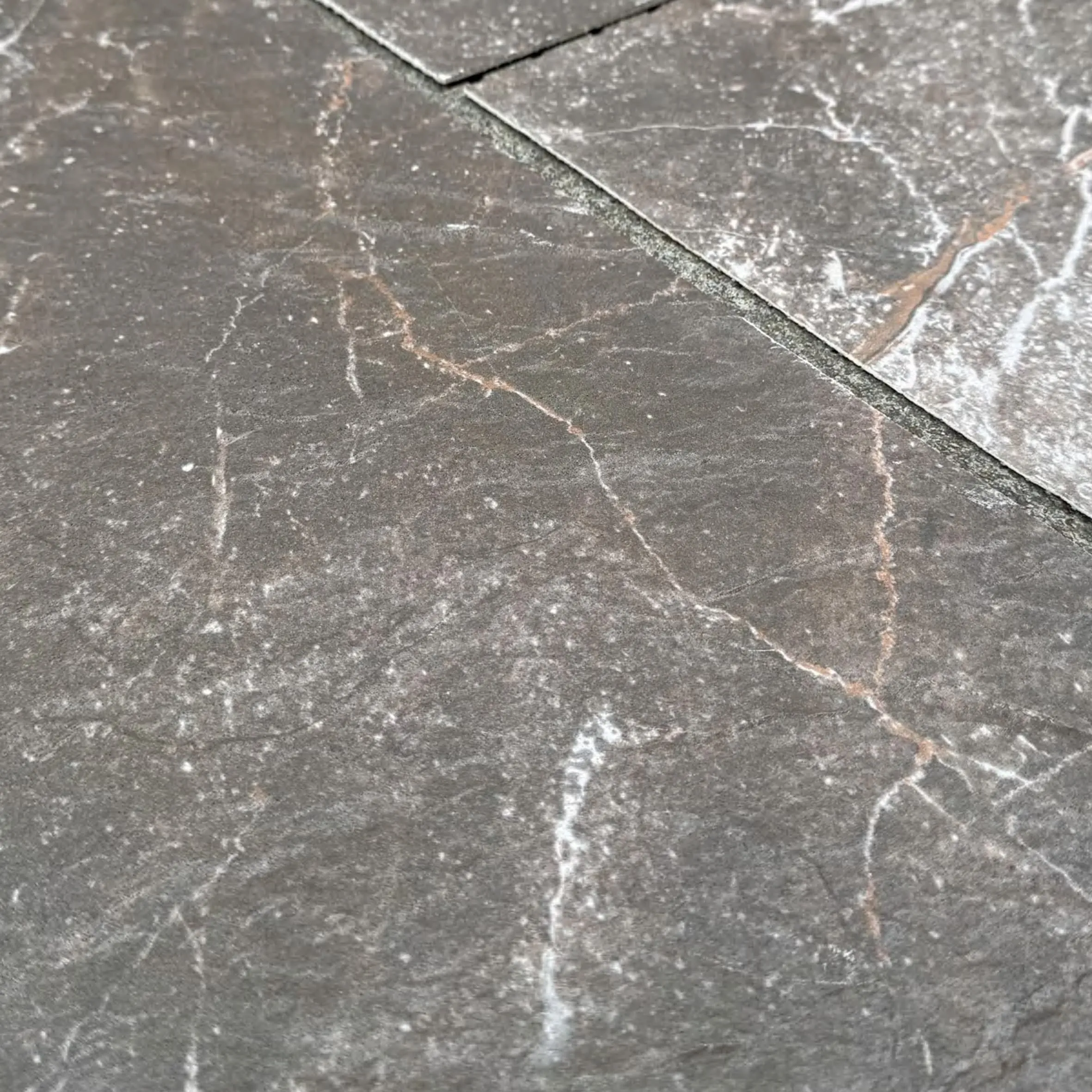
Still on the fence? Let's put it all in black and white. The table below compares Slate Portoro and MCM across key eco-friendly metrics, so you can see exactly where the green advantage lies:
| Criteria | Slate Portoro | MCM (e.g., Flexible Stone, Project Boards) |
|---|---|---|
| Material Sourcing | Requires quarrying virgin stone; disrupts ecosystems and depletes natural resources. | Uses 30-50% recycled materials (post-consumer plastics, industrial mineral waste, recycled fibers). |
| Carbon Footprint | High: Quarrying, heavy machinery, and long-distance transport contribute ~200-300 kg CO₂ per sq.m. | Low: Lightweight (reduces transport emissions) and energy-efficient manufacturing; ~50-70 kg CO₂ per sq.m. (60-75% lower). |
| Waste Generation | High: ~70% of quarried stone becomes waste (unusable fragments, cutting scraps). | Low: Manufacturing produces <5% waste; offcuts are recyclable back into the production process. |
| Durability & Longevity | Prone to cracking, staining, and weathering; may need replacement every 15-20 years. | Resistant to moisture, UV rays, and impact; lifespan of 30+ years with minimal maintenance. |
| Installation Efficiency | Heavy (80-100 kg/sq.m); requires cranes, specialized labor, and structural reinforcement. | Lightweight (6-8 kg/sq.m); can be installed with basic tools; reduces labor time by 40-50%. |
One of the joys of MCM is its ability to mimic not just stone, but a range of textures—including metals. Take the lunar peak silvery line, for example. With its soft, metallic sheen and subtle texture, it evokes the glow of moonlight on rock, adding a touch of modern elegance to any space. Unlike real metal cladding, which often requires mining and energy-heavy smelting, lunar peak silvery is made with recycled aluminum alloys and MCM's signature composite base. It's rust-resistant, fade-proof, and lightweight—perfect for exterior facades that need to stand up to harsh weather. Whether paired with wood accents for a warm-cool contrast or used alone for a futuristic vibe, it's proof that sustainability doesn't mean sacrificing style.
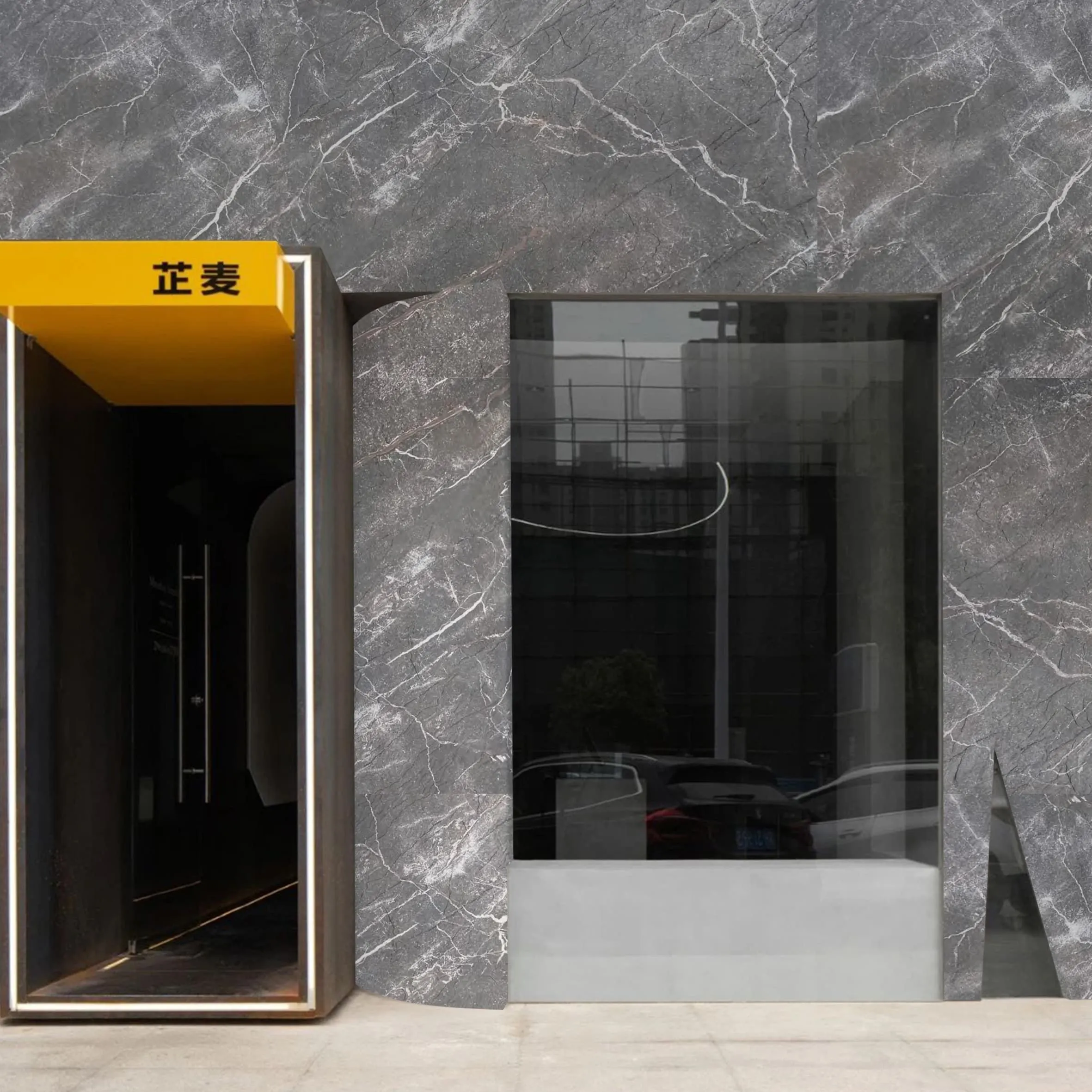
Numbers tell a story, but real projects tell it better. Let's look at a few examples where MCM has replaced traditional stone like Slate Portoro—and made a difference. In downtown Portland, a boutique hotel recently renovated its exterior using MCM project boards in travertine (starry green). The goal? To create a facade that felt organic and inviting, without the carbon cost of importing natural travertine. The result? A building that's become a local landmark, with guests often commenting on the "unique stone" that shimmers in the sunlight. Behind the scenes, the project team reported cutting installation time by 3 weeks and reducing transport emissions by 65% compared to using real stone.
Closer to home, a family in Colorado wanted to update their backyard patio with a material that could handle snow, rain, and kids' soccer balls—all while matching their home's mountain aesthetic. They chose MCM flexible stone in lunar peak silvery, and today, the patio looks as good as new, even after two harsh winters. "We loved the look of metal cladding, but we didn't love the idea of mining," says homeowner Maria. "MCM gave us the best of both worlds—something durable, beautiful, and guilt-free."
As we look ahead, it's clear that MCM isn't just a trend—it's a shift in how we think about materials. With innovations like 3D-printed MCM panels and even more recycled content in the pipeline, the possibilities are expanding every day. Imagine a world where every commercial building, every home, every public space uses materials that honor the planet. It's a world where "luxury" isn't measured by how rare a stone is, but by how responsibly it was made. And with MCM leading the charge, that world is closer than we think.
So, the next time you're planning a project—whether it's a small accent wall or a large-scale development—ask yourself: What footprint do I want to leave? With MCM, the answer is clear: one that's as beautiful as it is sustainable. Slate Portoro may have had its moment, but the future belongs to materials that work with the planet, not against it. And that future? It looks pretty good.
Recommend Products












