
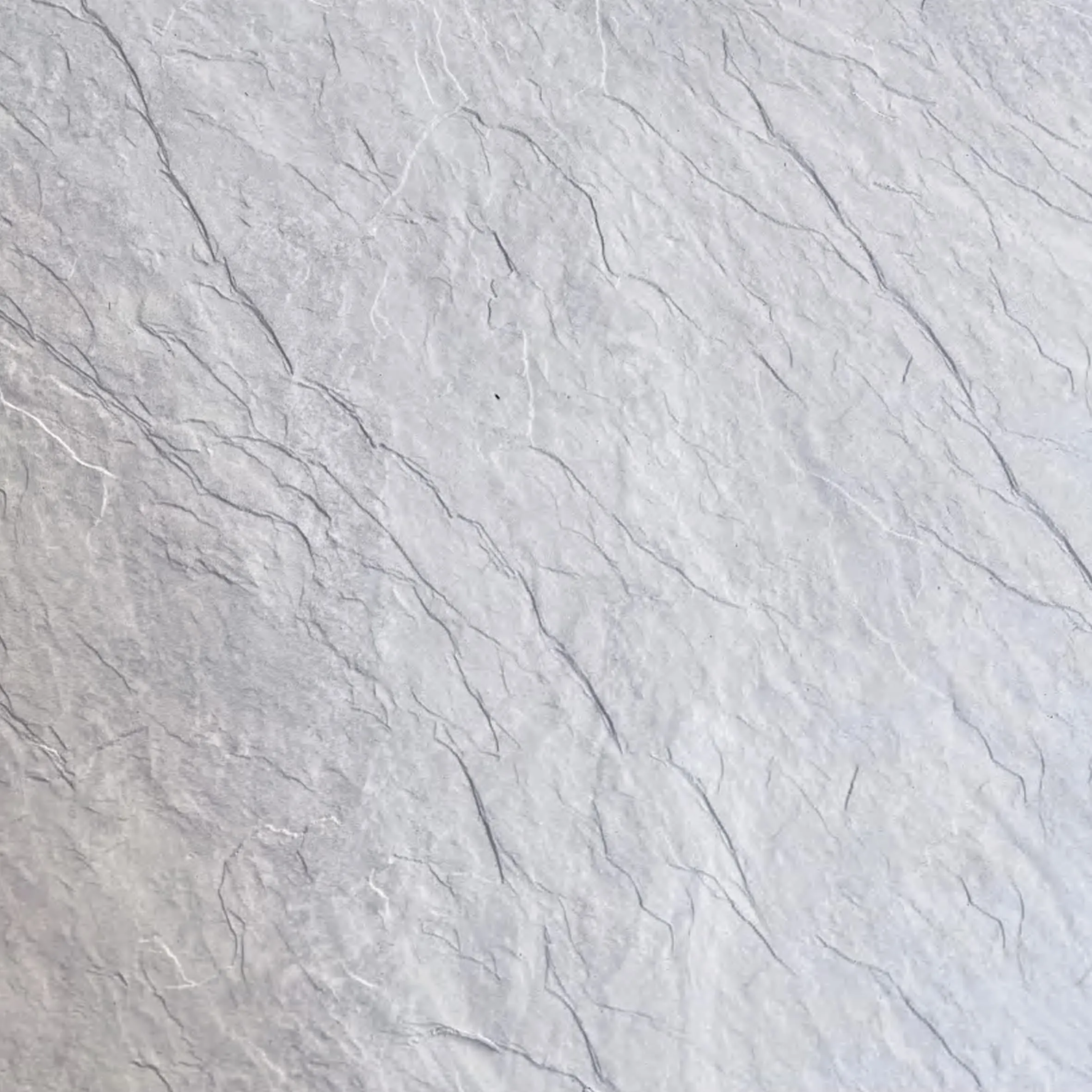
In an era where every decision we make echoes through the planet's future, the construction industry stands at a pivotal crossroads. We're no longer just building structures—we're crafting legacies, and the materials we choose today will define how those legacies age, both aesthetically and environmentally. Enter MCM flexible stone : a revolutionary category of building materials that marries the timeless beauty of natural stone with cutting-edge sustainability. Among its standout stars? Slate Veil White MCM —a material that doesn't just meet the demands of green building; it reimagines them.
Before diving into Slate Veil White, let's take a step back to understand the "why" behind MCM. Short for Modified Composite Material, MCM is the result of years of innovation aimed at solving a critical: how to preserve the elegance of natural materials like stone and wood while drastically reducing their environmental impact. Traditional stone cladding, for example, is heavy, resource-intensive to quarry, and often requires energy-heavy transportation. MCM flips the script by combining a thin layer of natural mineral aggregates (like slate, marble, or travertine) with a lightweight, high-strength composite backing. The result? A material that's up to 80% lighter than solid stone, yet just as durable—and infinitely more eco-friendly.
MCM flexible stone isn't just a material; it's a philosophy. It's about respecting nature's beauty without depleting its resources. And within this family, Slate Veil White emerges as a standout choice for architects and designers who refuse to compromise on either sustainability or style.
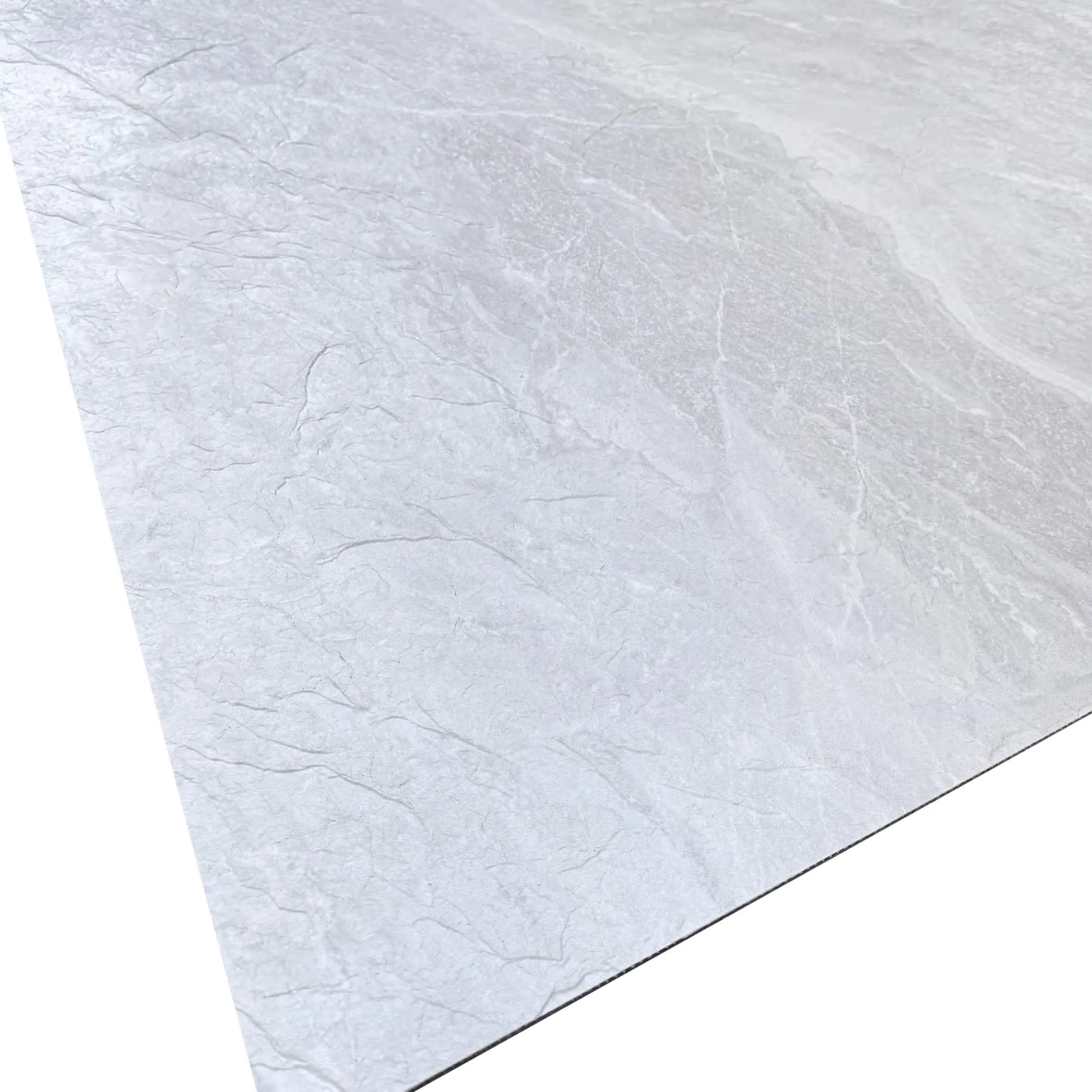
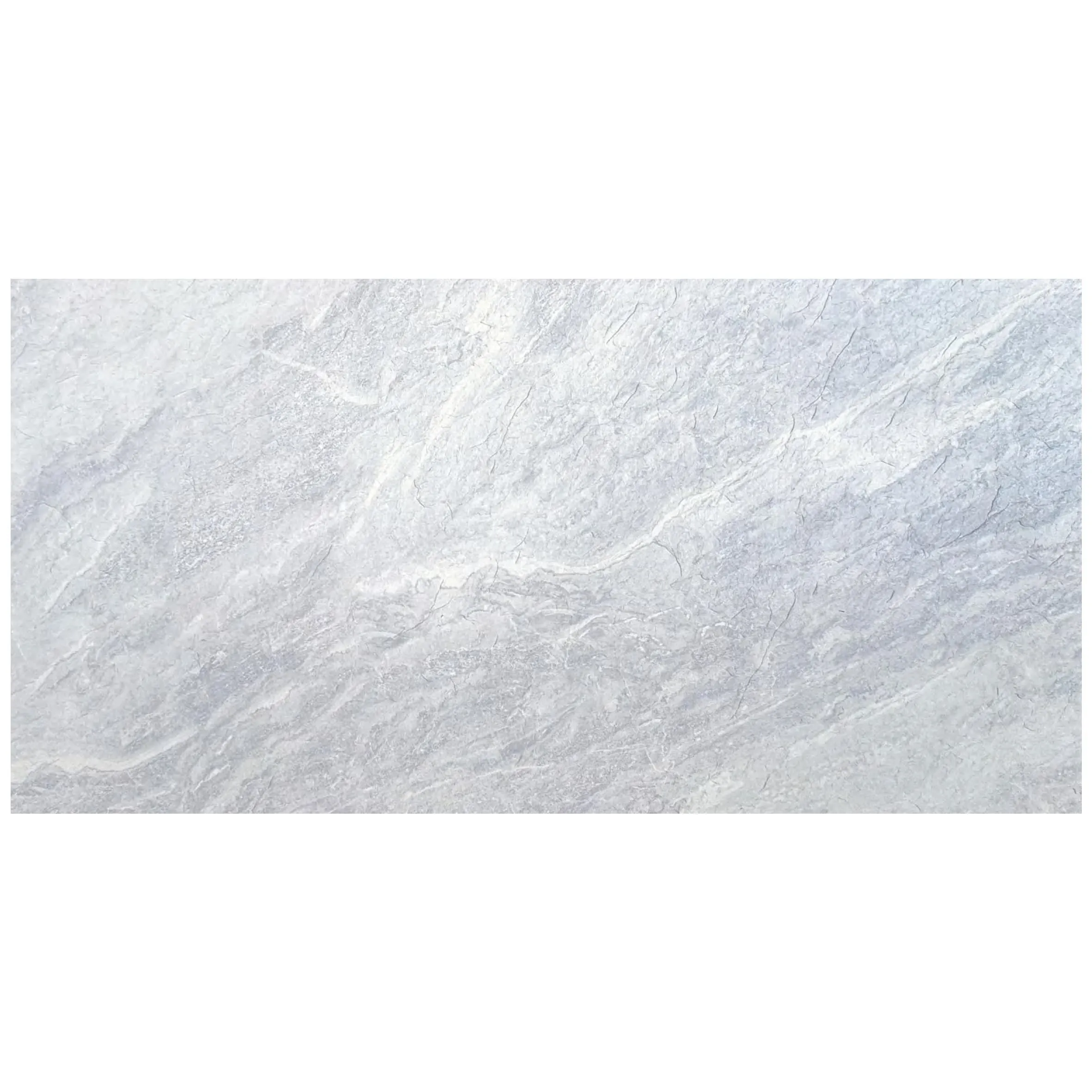
Picture this: a surface that mimics the soft, veined elegance of natural slate, but with a crisp, clean white base that feels both modern and timeless. That's Slate Veil White MCM. It's crafted by bonding fine slate particles with a polymer composite, creating a thin, flexible sheet that can be curved, cut, or layered to fit any design vision. What sets it apart? Its ability to capture the organic texture of slate—those subtle grooves, the delicate veining, the matte finish—without the weight or environmental cost of quarried stone.
Let's talk numbers—because sustainability isn't just a buzzword; it's measurable. Traditional slate extraction involves heavy machinery, which emits significant CO2, and often leaves behind scarred landscapes. Slate Veil White, by contrast, uses recycled slate particles from quarry waste, diverting tons of material from landfills. Its composite backing is also recyclable, ensuring that even at the end of its lifecycle, it doesn't become another environmental burden.
Then there's transportation. A standard sheet of Slate Veil White weighs just 4-5 kg per square meter, compared to 25-30 kg for solid slate. That means fewer trucks on the road, lower fuel consumption, and a smaller carbon footprint from factory to job site. For large-scale projects, this translates to thousands of dollars in savings—and a greener bottom line.
Sustainability means nothing if a material can't keep up with the demands of daily life. Slate Veil White doesn't just check the eco-box; it outperforms many traditional materials. Its composite core makes it resistant to cracks, chips, and fading—even in harsh climates. Whether it's facing the scorching sun of a desert resort or the freezing rains of a northern city, it retains its color and texture. Unlike fair-faced concrete , which can develop unsightly cracks over time, or wood-based products that warp with moisture, Slate Veil White stays true to its form for decades.
Installation is another win. Its flexibility means it can be applied to curved surfaces, columns, or even ceilings with minimal effort. No need for heavy lifting equipment or specialized crews—just lightweight sheets that can be cut on-site with standard tools. This not only speeds up construction but also reduces labor costs, making it a budget-friendly choice for green projects.
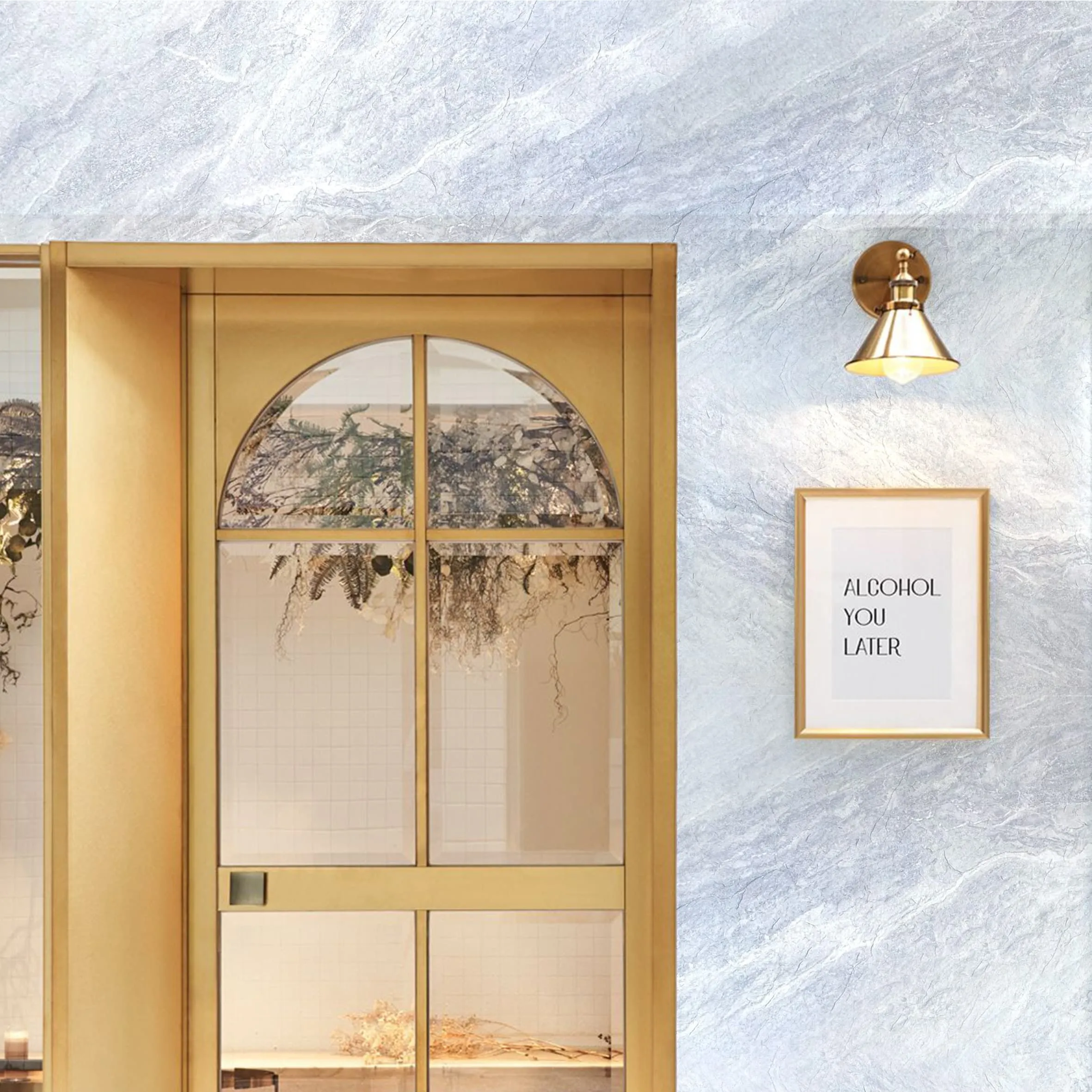
Sustainability and performance are essential, but for designers, the real magic is in the possibilities. Slate Veil White is a chameleon—it adapts to any aesthetic. Want a minimalist office lobby? Pair it with sleek foamed aluminium alloy board (vintage silver) for a modern, industrial look. Dreaming of a cozy residential interior? Layer it with warm wood grain board accents to create contrast. It works indoors and outdoors, on walls and ceilings, and even as furniture cladding. The white base acts as a blank canvas, letting other design elements—art, lighting, greenery—take center stage, while its natural texture adds depth and warmth.
Take, for example, a recent boutique hotel project in Portland. The designers wanted a facade that felt luxurious but eco-conscious. They chose Slate Veil White for the exterior, complemented by vertical gardens and foamed aluminium alloy accents. The result? A building that blends into the cityscape while standing out for its sustainability credentials. Guests often comment on how the white slate shimmers in the rain, its texture catching the light in a way that feels alive—a far cry from the cold sterility of some modern materials.
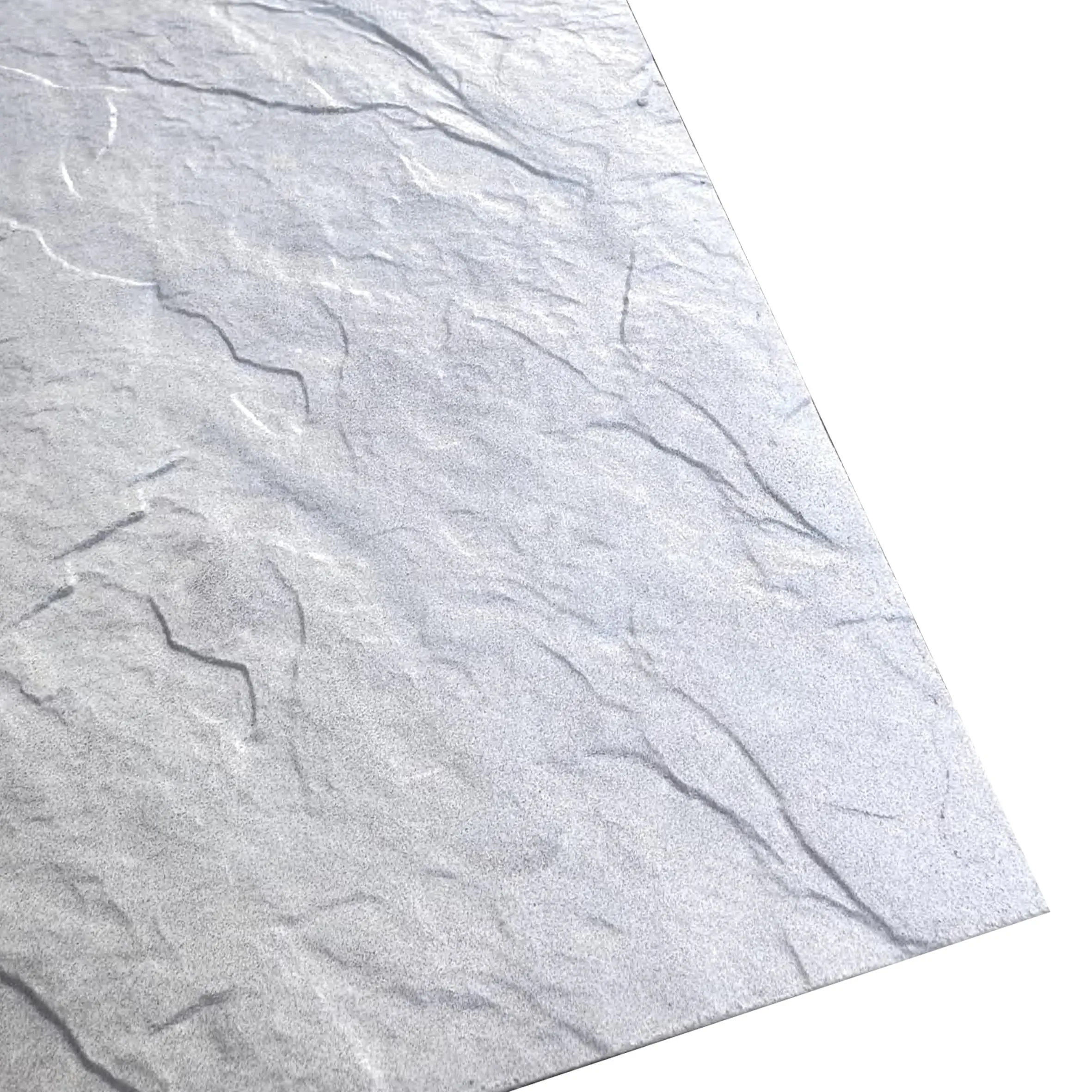
Curious how Slate Veil White measures up against other popular sustainable materials? Let's break it down:
| Feature | Slate Veil White MCM | Fair-Faced Concrete | Foamed Aluminium Alloy Board (Vintage Silver) |
|---|---|---|---|
| Weight (kg/m²) | 4-5 | 20-25 | 6-8 |
| CO2 Emissions (per m²) | Low (uses recycled materials) | Medium (high cement production emissions) | Medium (aluminium mining impact) |
| Design Flexibility | High (flexible, can curve and cut) | Low (rigid, limited shapes) | Medium (can be bent, but less texture) |
| Maintenance | Low (resistant to stains/fading) | High (prone to cracking, needs sealing) | Medium (prone to scratches) |
| Sustainability Score | ★★★★★ | ★★★☆☆ | ★★★☆☆ |
As the table shows, Slate Veil White outshines fair-faced concrete in weight and flexibility, and beats foamed aluminium in sustainability and texture. It's the rare material that doesn't force you to choose between "green" and "great design."
Talk is cheap—let's look at how Slate Veil White is making a difference on actual job sites. Take the "EcoVista Community Center" in Seattle, a LEED Platinum-certified project focused on reducing energy use and carbon emissions. The designers chose Slate Veil White for the interior walls and ceiling, pairing it with energy-efficient LED lighting to create a bright, airy space. Because of its lightweight nature, the building's foundation required less concrete, further cutting CO2 emissions. Post-construction, the center's energy bills are 30% lower than similar buildings, in part due to Slate Veil White's insulating properties (its composite core helps regulate temperature, reducing reliance on heating and cooling).
Then there's the "Riverside Residences" in Barcelona, a residential complex aiming to blend urban living with nature. The exterior balconies are clad in Slate Veil White, which reflects sunlight to keep apartments cool in summer. Unlike traditional stone, it doesn't absorb heat, reducing the urban heat island effect. Residents love how the white slate complements the building's green roofs and river views, creating a sense of calm amid the city's hustle.
At the end of the day, building sustainably isn't just about following regulations or earning certifications—it's about creating spaces that enhance quality of life while respecting the planet. Slate Veil White MCM does exactly that. It's a material that tells a story: of innovation, of respect for nature, and of design that doesn't compromise. It's for the architect who wants to push boundaries without pushing the Earth to its limits. For the developer who wants to build efficiently, affordably, and responsibly. For the homeowner who wants a beautiful space that they can feel good about.
As we move toward a future where green building is no longer optional but essential, materials like Slate Veil White will lead the way. They prove that sustainability and beauty aren't opposites—they're partners. And in that partnership, the possibilities are endless.
So, the next time you walk into a building and pause to admire its walls—take a closer look. If they're elegant, durable, and kind to the planet, there's a good chance you're looking at MCM flexible stone. And maybe, just maybe, it's Slate Veil White—quietly redefining what it means to build green.
Recommend Products












