
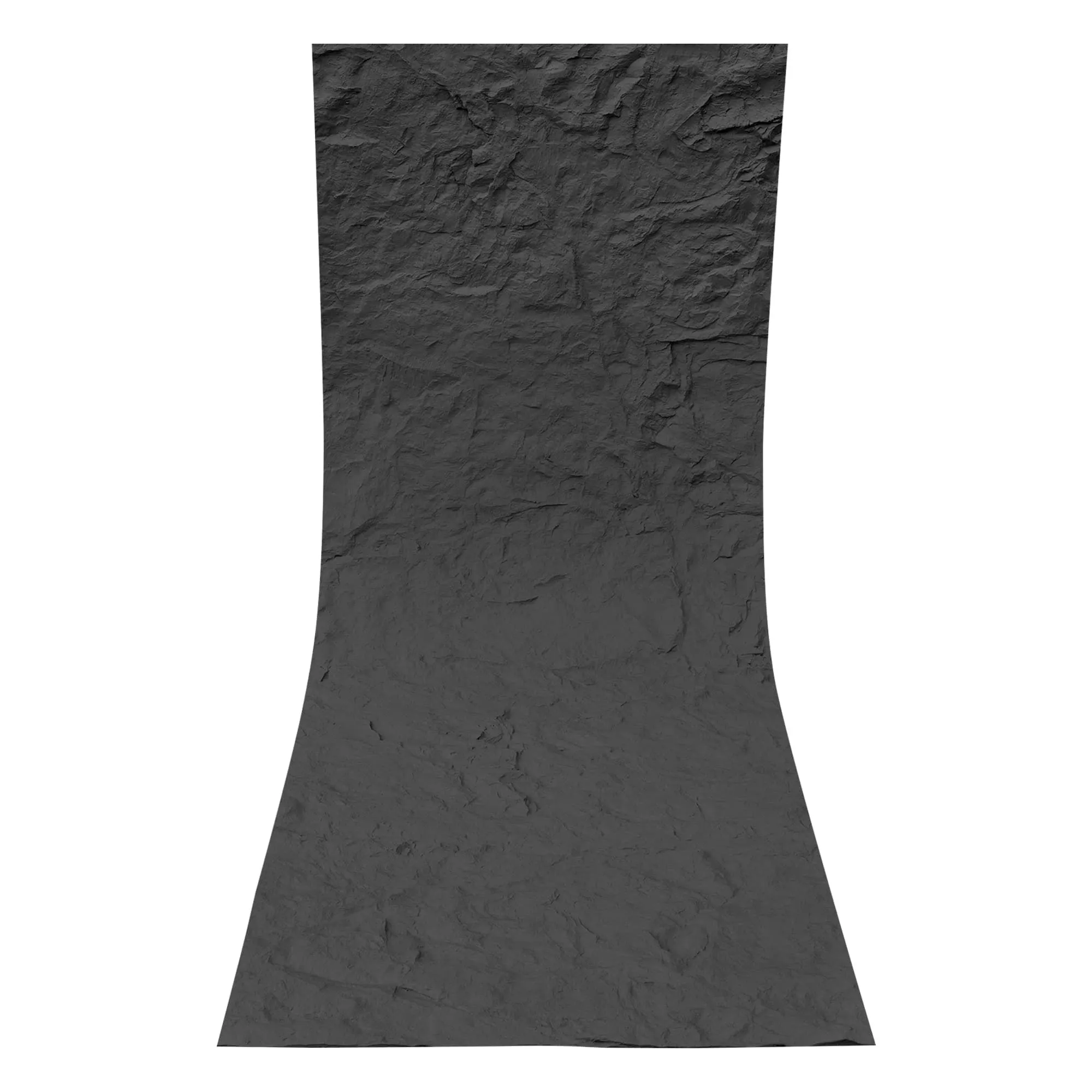
Let's start with a scene we've all heard of—maybe even lived. An architect, fresh off a win for a sleek, glass-walled office building, sits at her desk staring at blueprints for a new community center. The client wants "warmth, history, and a big nod to the planet." She's flipped through catalogs of marble that's quarried halfway across the world, concrete that leaves a carbon trail, and stone veneers that peel after five years. Sound familiar? The struggle to balance aesthetics with sustainability is real, and it's where so many designers hit a wall. But what if there was a material that didn't make you choose? Enter COLORIA's Vintage Black Boulder Slab—a material that feels like it's been pulled from a 19th-century castle wall, but was actually crafted with 21st-century green tech. Let's dive in.
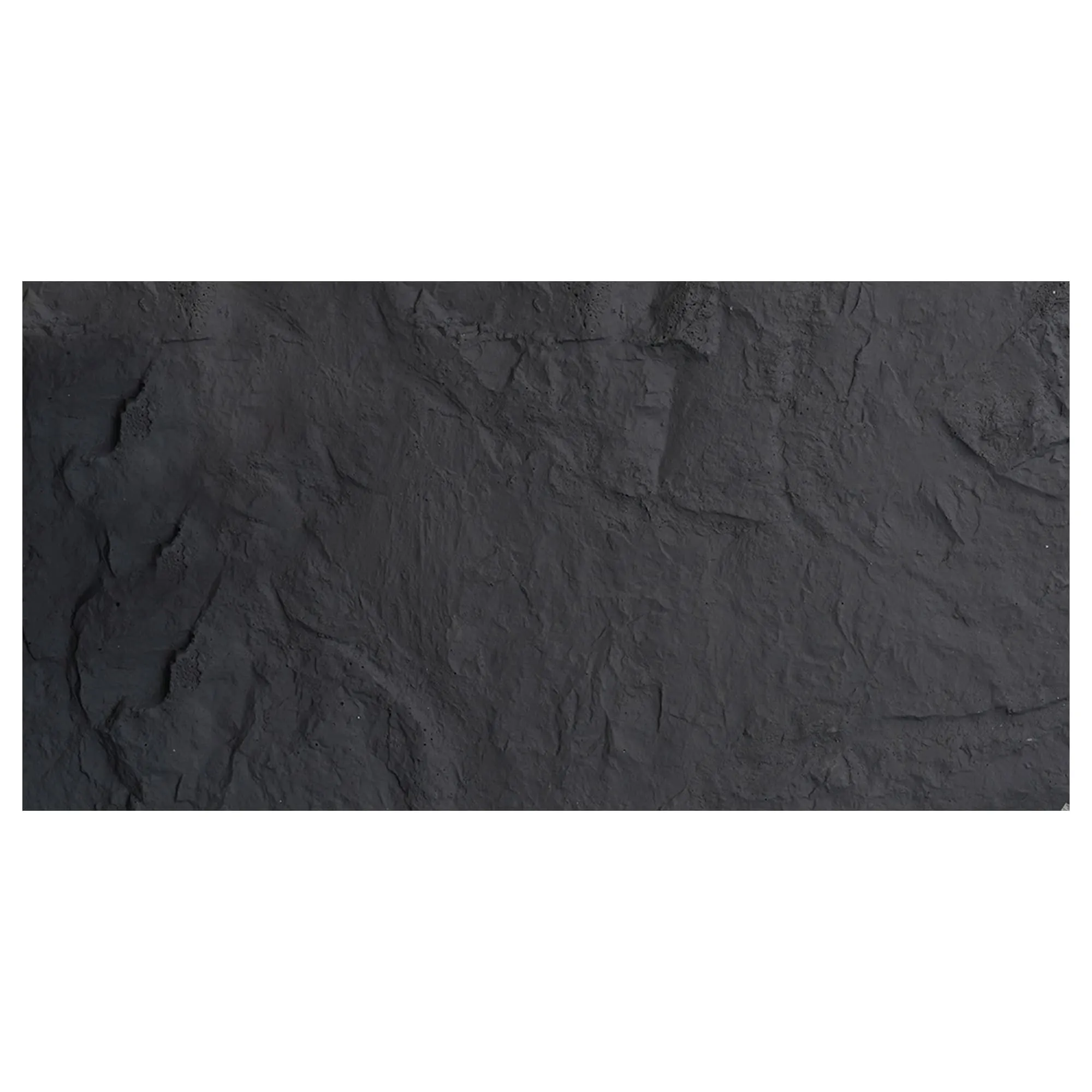
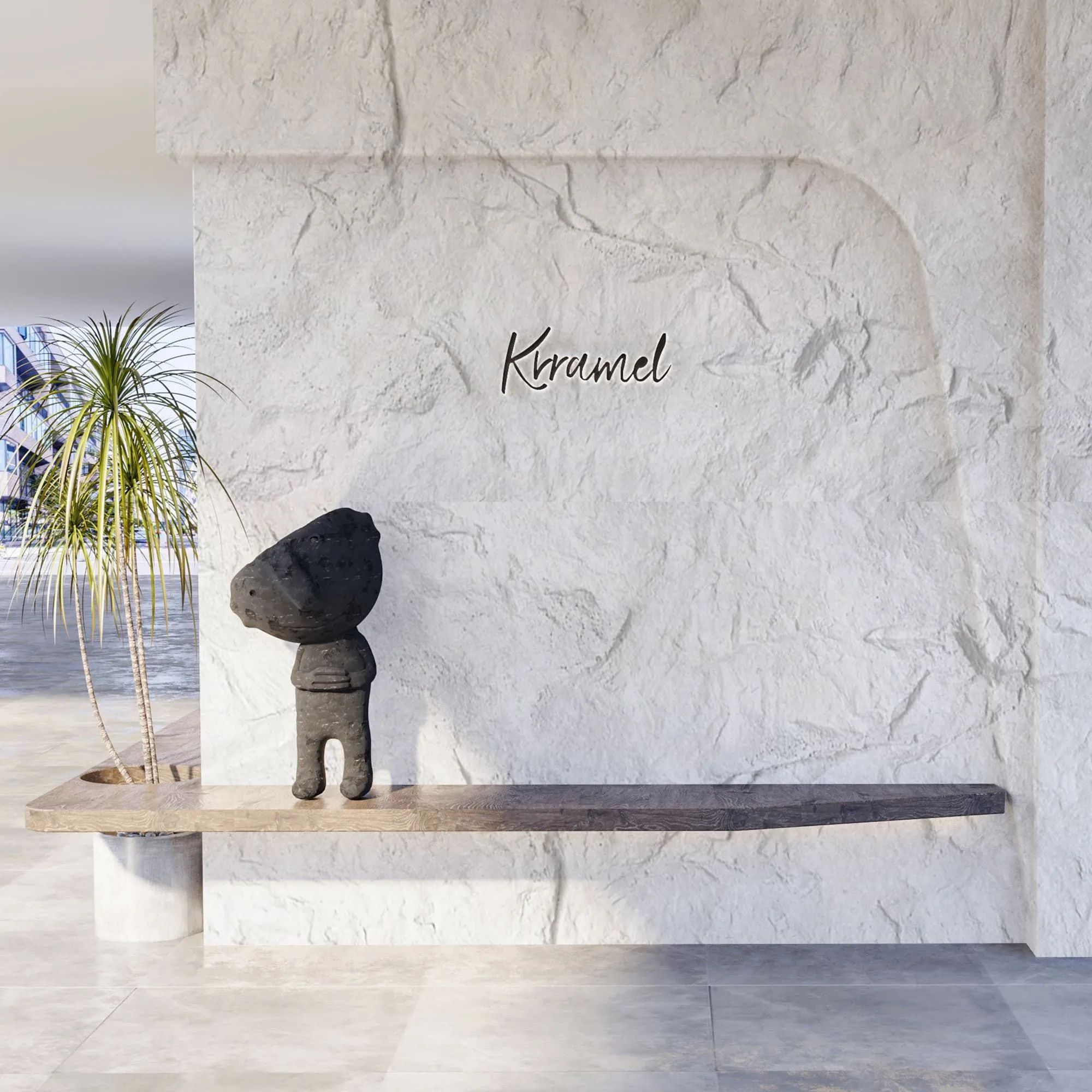
First things first: What even is this "Vintage Black Boulder Slab"? It's not your average building material, that's for sure. Part of COLORIA's broader boulder slab series, this particular slab is a masterclass in blending old-world charm with new-world responsibility. Picture this: a slab of stone that looks like it's been weathered by a hundred winters, its surface rippled with subtle textures and a deep, inky black hue that shifts with the light—sometimes matte, sometimes with a soft, vintage sheen. But here's the twist: that "ancient" look is intentional, and the material itself is anything but outdated.
Crafted using COLORIA's proprietary modified composite material (MCM) technology—think of it as the secret sauce behind their mcm flexible stone line—the Vintage Black Boulder Slab starts with a base of recycled stone aggregates. We're talking post-industrial waste: bits of granite, marble, and limestone that would've otherwise ended up in landfills. These are mixed with a low-VOC binder and natural pigments, then pressed into molds that mimic the irregular, organic shapes of boulders eroded over time. The "vintage black" color? It comes from iron oxide pigments sourced from sustainable mines, and the finishing process uses a heat-curing method that requires 60% less energy than traditional stone polishing. The result? A slab that's 30% lighter than natural stone (hello, easier installation and lower transportation emissions) but just as tough.
You might be wondering: Why lean into "vintage" when so much design is all about futuristic sleekness? According to Maria Gonzalez, COLORIA's lead designer, it's about storytelling. "Modern spaces often feel cold because they lack history," she explains. "Vintage Black Boulder Slab brings that history without the environmental cost of reusing actual old stone. The black color is intentional, too—it's a neutral that anchors a space, but it's not flat. There are flecks of gray and even subtle hints of gold in the texture, so it plays with light in a way that white or beige can't. It's bold but versatile, which is why we're seeing it in everything from minimalist cafes to rustic-chic homes."
Let's get real: "Eco-friendly" is thrown around so much these days that it's almost lost meaning. But the Vintage Black Boulder Slab isn't just greenwashing—it's green doing . Here's how:
At its core, this slab is a champion of circular design. COLORIA sources 35% of its raw materials from recycled content—specifically, stone waste from quarry operations and construction sites. Instead of letting those scraps pile up, they're crushed, cleaned, and integrated into the slab's composition. "We partnered with local quarries to set up collection programs," says James Chen, COLORIA's sustainability director. "It's a win-win: they save on disposal costs, and we get high-quality materials without digging new holes in the earth. Last year alone, we diverted 2,000 tons of stone waste from landfills using this process."
Production matters, too. COLORIA's manufacturing facility runs on 70% solar power, and their water usage is 45% lower than industry averages thanks to a closed-loop recycling system. Even the transportation of the slabs is optimized: because they're lighter than natural stone, a single truck can carry 50% more slabs, reducing the number of trips needed. "We calculated the carbon footprint of one slab from cradle to gate," Chen adds. "It's 2.3 kg of CO2 per square meter, compared to 8.1 kg for standard concrete and 12.5 kg for imported marble. That's a huge difference when you're building a whole facade."
Here's a truth that's often overlooked: The most sustainable material is the one that lasts. If a slab needs to be replaced every 10 years, all its eco-friendly production gains are wiped out by the waste of removal and replacement. The Vintage Black Boulder Slab? It's built to outlast the buildings it adorns. Testing shows it resists water absorption (no mold or mildew), stands up to freeze-thaw cycles (perfect for cold climates), and doesn't fade under UV rays. "We installed a sample on the exterior of our Berlin office five years ago," Gonzalez says. "It's been through snow, rain, and a heatwave, and it looks exactly the same. No cracks, no discoloration. That's durability that translates to less waste over time."
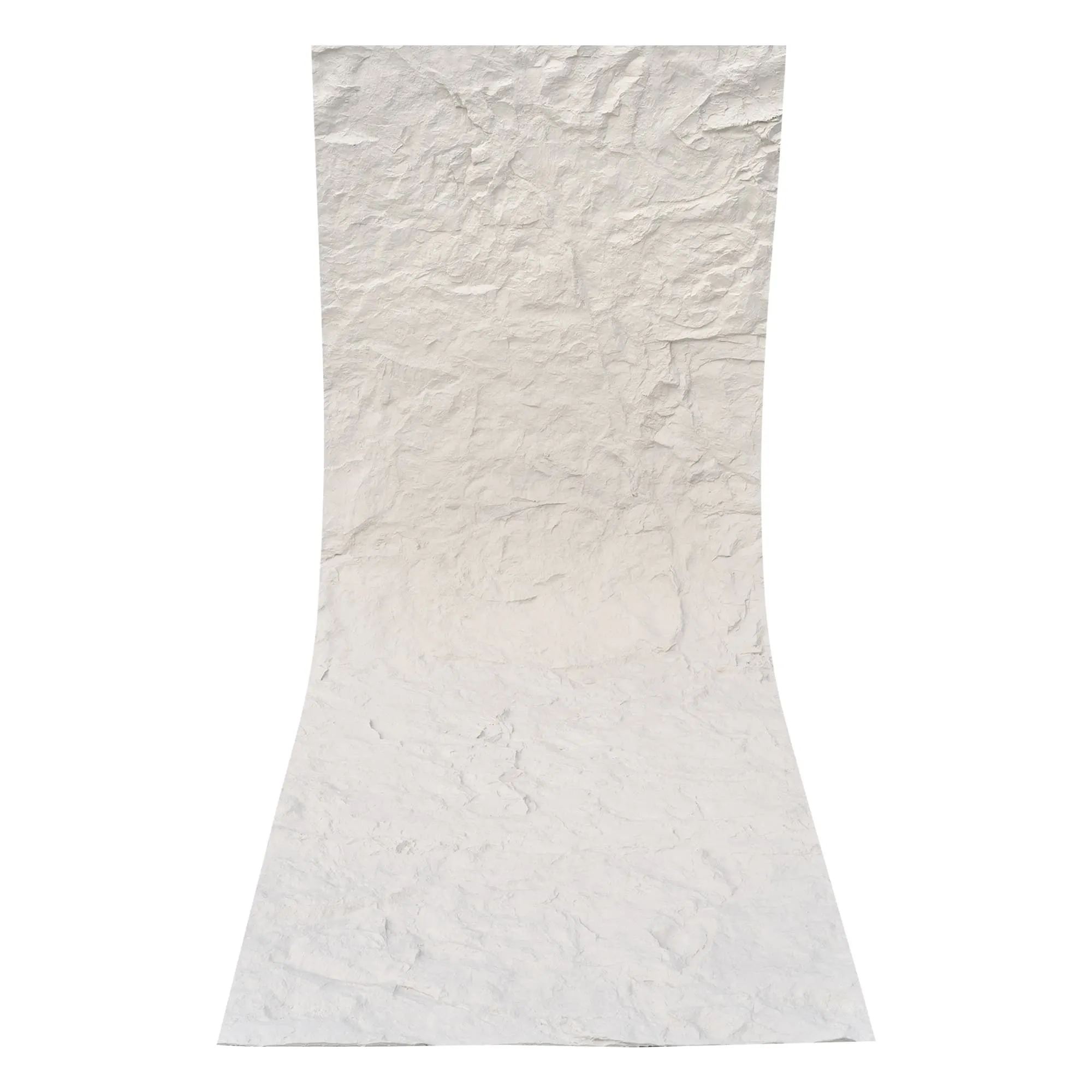
Numbers tell a story, but comparisons drive the point home. Let's see how the Vintage Black Boulder Slab holds up against three common alternatives: fair-faced concrete (a staple in modern design), Lunar Peak Black (another COLORIA product, known for its sleekness), and traditional natural marble.
| Material | Sustainability (Recycled Content / Carbon Footprint) | Durability (Lifespan / Weather Resistance) | Aesthetic (Texture / Versatility) | Common Applications |
|---|---|---|---|---|
| Vintage Black Boulder Slab | 35% recycled content; 2.3 kg CO2/sq.m | 50+ year lifespan; resistant to freeze-thaw, UV, and scratches | Vintage, weathered texture; deep black with subtle flecks; works in modern, rustic, and industrial designs | Exterior facades, accent walls, fireplace surrounds, outdoor patios |
| Fair-Faced Concrete | 5-10% recycled content; 8.1 kg CO2/sq.m | 30-40 year lifespan; prone to cracking in extreme weather | Smooth, uniform texture; limited color range (gray, off-white) | Industrial buildings, minimalist interiors, sidewalks |
| Lunar Peak Black | 20% recycled content; 3.1 kg CO2/sq.m | 40+ year lifespan; high UV resistance, less impact-resistant than boulder slab | Sleek, polished finish; solid black with metallic undertones | High-end retail, modern offices, feature walls |
| Traditional Natural Marble | 0% recycled content; 12.5 kg CO2/sq.m (due to quarrying/transport) | 20-25 year lifespan; porous (stains easily), fades in sunlight | Elegant, veined texture; classic look but limited to formal/traditional designs | Luxury interiors, countertops, historical building restorations (with high maintenance) |
The takeaway? The Vintage Black Boulder Slab isn't just "good for the environment"—it's better than alternatives in almost every category. It has more recycled content than fair-faced concrete, a lower carbon footprint than Lunar Peak Black, and lasts twice as long as natural marble. And aesthetically? It's the chameleon of the group, fitting into styles from industrial to bohemian.
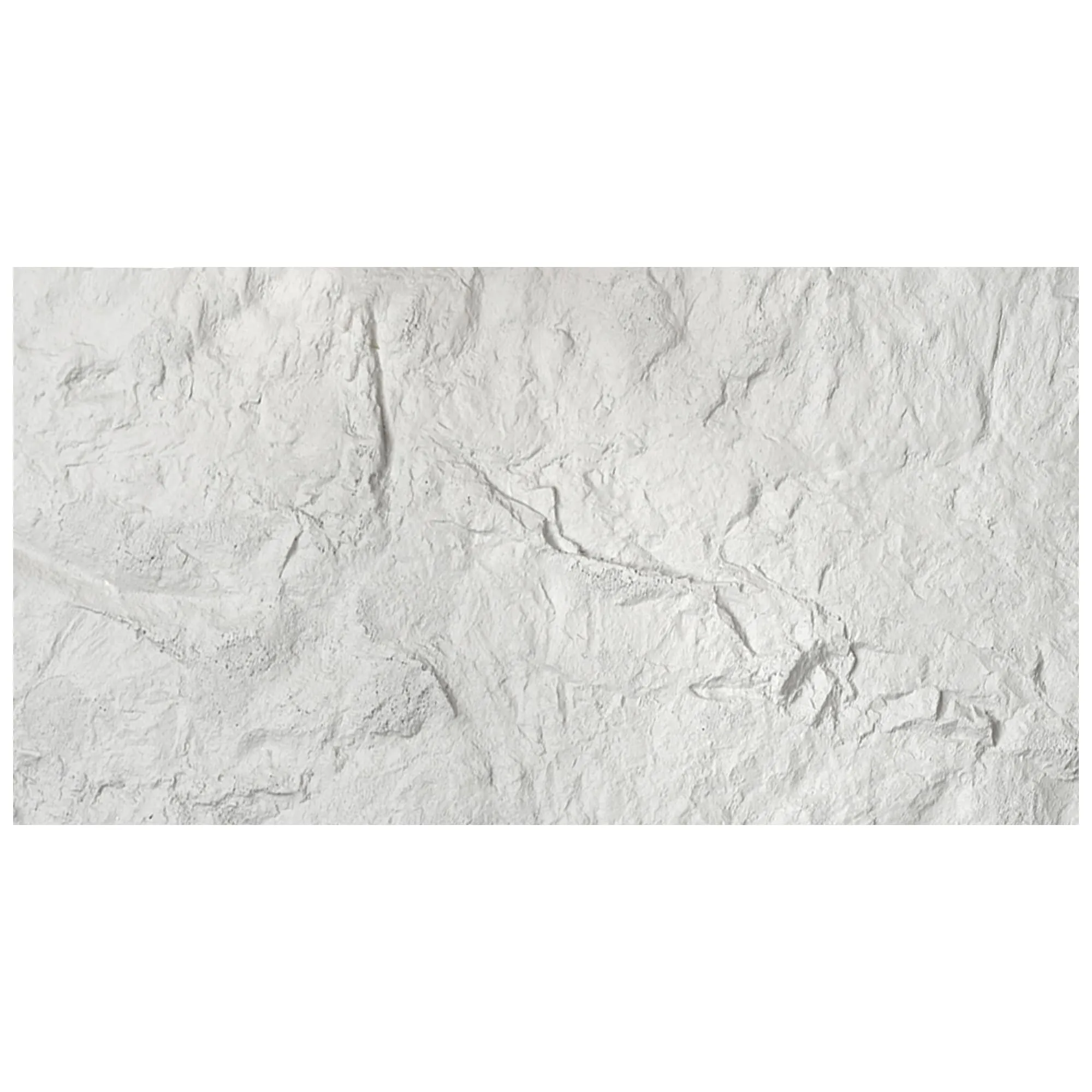
Enough specs—let's talk real projects. The Vintage Black Boulder Slab isn't just a lab experiment; it's already making waves in the design world. Here are three standout examples:
When the city of Portland wanted a community center that would be LEED Platinum certified, they turned to architect Clara Bennett (yes, the same one from our intro). The exterior? Vintage Black Boulder Slab. "We needed something that would age well but not require constant upkeep," Bennett says. "The slabs wrap around the main entrance, and they're paired with living plant walls. The contrast between the dark stone and greenery is stunning. Plus, because the slabs are lightweight, we didn't need to reinforce the foundation as much—saving on concrete and labor. Win-win."
For this cozy cafe in Austin's South Congress district, owner Mia Rodriguez wanted to evoke "a cabin in the woods, but in the middle of the city." The solution? Vintage Black Boulder Slab on the fireplace wall and bar front. "Natural stone would've been too heavy for the second-floor space, and fake stone looks… fake," Rodriguez laughs. "This stuff looks like it was pulled from a mountain, but it's light enough that we could install it ourselves with a few friends. And the best part? It doesn't absorb coffee spills. We've had it for two years, and it still looks brand new."
Public spaces need to be tough—and beautiful. The Riverwalk Pavilion, a covered seating area along Denver's Platte River, uses Vintage Black Boulder Slab for its columns and lower walls. "We get all four seasons here: snow, rain, intense sun," says project manager Jake Torres. "In the past, we've used concrete, but it cracks. Wood rots. This stone? It's been through two harsh winters, and there's not a scratch. Plus, at night, the black surface reflects the string lights, making the whole space feel magical. The community loves it."
The Vintage Black Boulder Slab isn't a one-off for COLORIA—it's part of a larger mission. "We started 15 years ago with a simple question: Why can't building materials be both beautiful and kind to the planet?" says CEO Elena Patel. "At the time, MCM technology was in its infancy, but we saw its potential. Today, our mcm flexible stone line is popular, but the boulder slab series—especially Vintage Black—is our pride and joy because it proves sustainability doesn't have to mean sacrificing character."
Patel explains that COLORIA invests 12% of its annual revenue into R&D, focusing on reducing the carbon footprint of production and increasing recycled content. "We're currently testing a version of the Vintage Black Slab with 50% recycled materials," she says. "And we're working on a zero-waste manufacturing process by 2030. The goal is to make 'eco-friendly' the default, not the premium option."
So, why this slab, in particular? According to Gonzalez, it was born from customer demand. "Designers kept asking for 'old stone with new benefits,'" she recalls. "They wanted the texture of reclaimed barnstone but the durability of modern materials. We spent two years tweaking the formula: adjusting the aggregate mix to get the right texture, testing pigments to find that perfect vintage black. It was challenging—too much recycled content made it brittle; too little, and it lost the eco edge. But when we finally nailed it, we knew we had something special. The first sample we sent out was to a designer in Milan, and she called back within an hour saying, 'I need this for my next hotel project.' That's when we knew we'd hit the mark."
At the end of the day, the Vintage Black Boulder Slab is more than a building material. It's a statement: that we don't have to choose between the past and the future, between beauty and responsibility. It's for the architect who wants her community center to tell a story, the cafe owner who refuses to compromise on charm, and the city planner who knows public spaces should last for generations.
COLORIA isn't just selling slabs—they're selling a vision. A vision where every building, whether it's a home, a school, or a skyscraper, is built with materials that honor the planet. And in a world where climate change is no longer a distant threat, that vision isn't just nice to have—it's necessary.
So, the next time you're staring at blueprints, wondering how to make your project both stunning and sustainable, remember: the answer might just be a slab of vintage black stone with a very modern heart. After all, the best designs aren't just built—they're built to last.
Recommend Products












