

In the world of architecture and design, a quiet but powerful revolution is underway. The stark, monolithic structures of the past are giving way to buildings that breathe, that flow, and that exist in harmony with their environment. This isn't just about aesthetics; it's a fundamental shift towards sustainability, a response to the urgent call for a healthier planet. At the heart of this movement are the materials we choose to build with. For too long, the industry has relied on resource-intensive, heavy, and inflexible options. But what if there was a material that combined the beauty of nature with the performance of advanced technology? A material that was light, flexible, and fundamentally green? This is the story of Modified Cementitious Material (MCM) and how COLORIA GROUP is pioneering its use to create the next generation of sustainable surfaces, like the dynamic and beautiful "wave panels" that are redefining design possibilities.
Before we dive into the specifics of this remarkable material, it's essential to understand the context of its creation. The term "green buildings" has moved from a niche concept to a global standard. But what does it truly mean? It's a holistic approach to design and construction that considers the entire lifecycle of a building, from the sourcing of raw materials to its eventual demolition or recycling. The goal is to minimize environmental impact while maximizing occupant health and well-being.
Traditional construction methods have a significant environmental footprint. The quarrying of natural stone, the firing of bricks and ceramics at extreme temperatures, and the production of cement all consume vast amounts of energy and water, releasing significant carbon emissions in the process. The sheer weight of these materials necessitates stronger, more resource-intensive structural supports, further adding to the environmental cost. Transportation of these heavy goods from quarries and factories, often across continents, compounds the problem.
"The architecture of the future is not about egotistical statements; it's about responsibility. It's about creating spaces that give back to the environment more than they take."
This growing awareness has fueled a demand for new solutions. Architects, developers, and homeowners are actively seeking eco-friendly building materials that can meet stringent environmental standards like LEED (Leadership in Energy and Environmental Design) and BREEAM (Building Research Establishment Environmental Assessment Method). These certifications are no longer just a badge of honor; they are becoming a market expectation, influencing property values and brand reputation. The ideal material for this new era must be sourced responsibly, produced with minimal energy, be lightweight to reduce transportation and structural load, offer long-term durability, and be safe for both the environment and the people who inhabit the buildings.
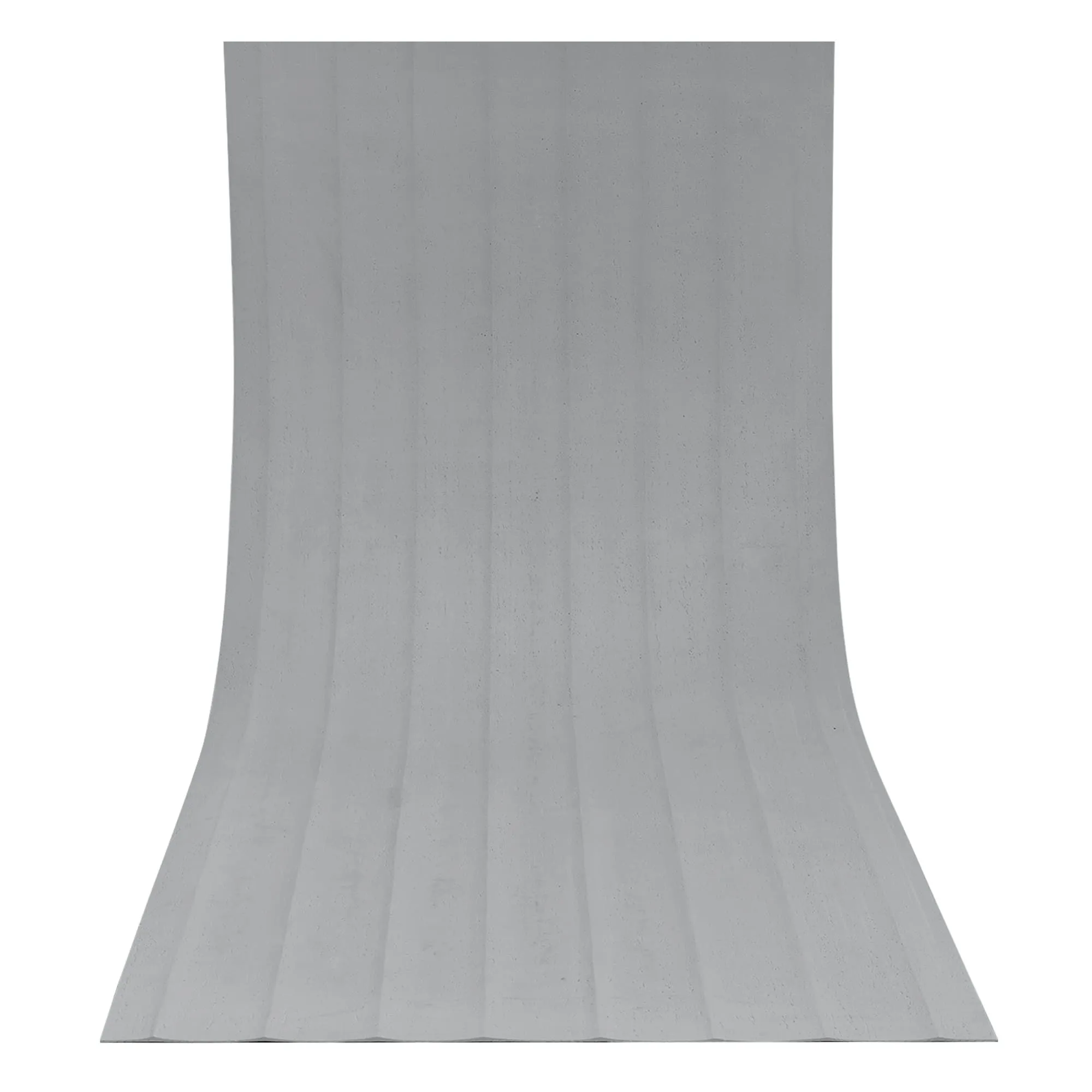
This is precisely where Modified Cementitious Material (MCM) enters the stage. Developed and perfected by COLORIA GROUP, MCM is not just another building product; it's a paradigm shift in material science. Forget what you think you know about cement. MCM is a revolutionary composite material made primarily from natural raw ingredients like common soil, clay, and mineral powders. The "modified" aspect is the key to its magic.
Through a proprietary, low-temperature unfired curing process, these natural components are transformed at a molecular level. Unlike traditional ceramics and tiles that are fired in kilns at over 1200°C, COLORIA GROUP's MCM is formed at temperatures below 100°C. This single difference has a monumental impact. The energy consumption is reduced by over 80%, leading to a drastically lower carbon footprint. There are no toxic fumes or wastewater discharged during production, making the entire manufacturing process clean and sustainable.
The result of this innovative process is a material with a unique combination of properties that outperform traditional materials in almost every respect:
| Feature | Traditional Materials (Stone, Ceramic) | COLORIA GROUP MCM |
|---|---|---|
| Weight | Heavy (20-80+ kg/m²) | Lightweight (4-8 kg/m²) |
| Flexibility | Rigid, cannot be bent | Flexible, can wrap around curves |
| Production Energy | High (fired at >1200°C) | Very Low (cured at <100°C) |
| Installation | Complex, requires heavy machinery, high labor cost | Simple, fast, lower labor cost |
| Application | Limited to flat surfaces | Versatile for flat, curved, and complex shapes |
| Environmental Impact | High carbon footprint, resource depletion | Low carbon footprint, uses common earth, recyclable |
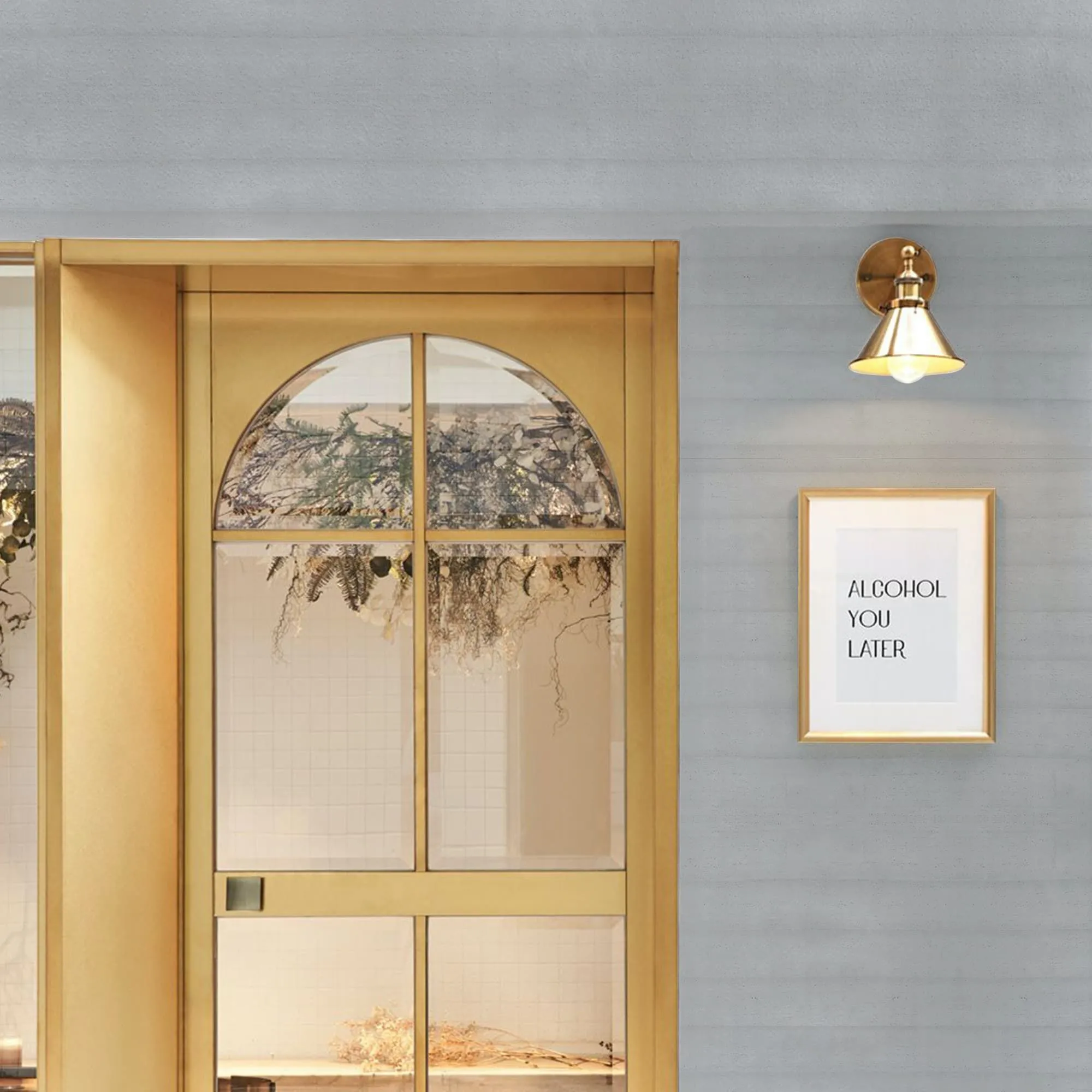
The title of this article mentions "Wave Panels," and this concept perfectly encapsulates the artistic potential unlocked by MCM. While not a single product, it represents an entire design philosophy that COLORIA GROUP enables. For centuries, architects have been constrained by the straight lines and flat planes of their materials. Creating fluid, organic forms was expensive, complex, and often structurally challenging. MCM shatters these limitations.
Imagine a building façade that ripples and flows like fabric in the wind. Picture an interior feature wall that mimics the gentle undulations of sand dunes or the rhythmic pattern of ocean waves. This is the power of the "wave panel" concept, brought to life by two key COLORIA GROUP product lines: the MCM 3D Printing Series and the MCM Flexible Stone .
This approach taps directly into the principles of biophilic design—the idea that humans have an innate tendency to connect with nature. By incorporating these natural, flowing forms into our built environment, we create spaces that are more calming, inspiring, and restorative. MCM allows designers to move beyond simple imitation (like a flat picture of wood) to genuine evocation, capturing the essence and form of nature in the very structure of the wall. The ultimate purpose of wall decoration is not just to cover a surface, but to create an atmosphere, and with MCM, the possibilities for creating unique, nature-inspired atmospheres are truly endless.
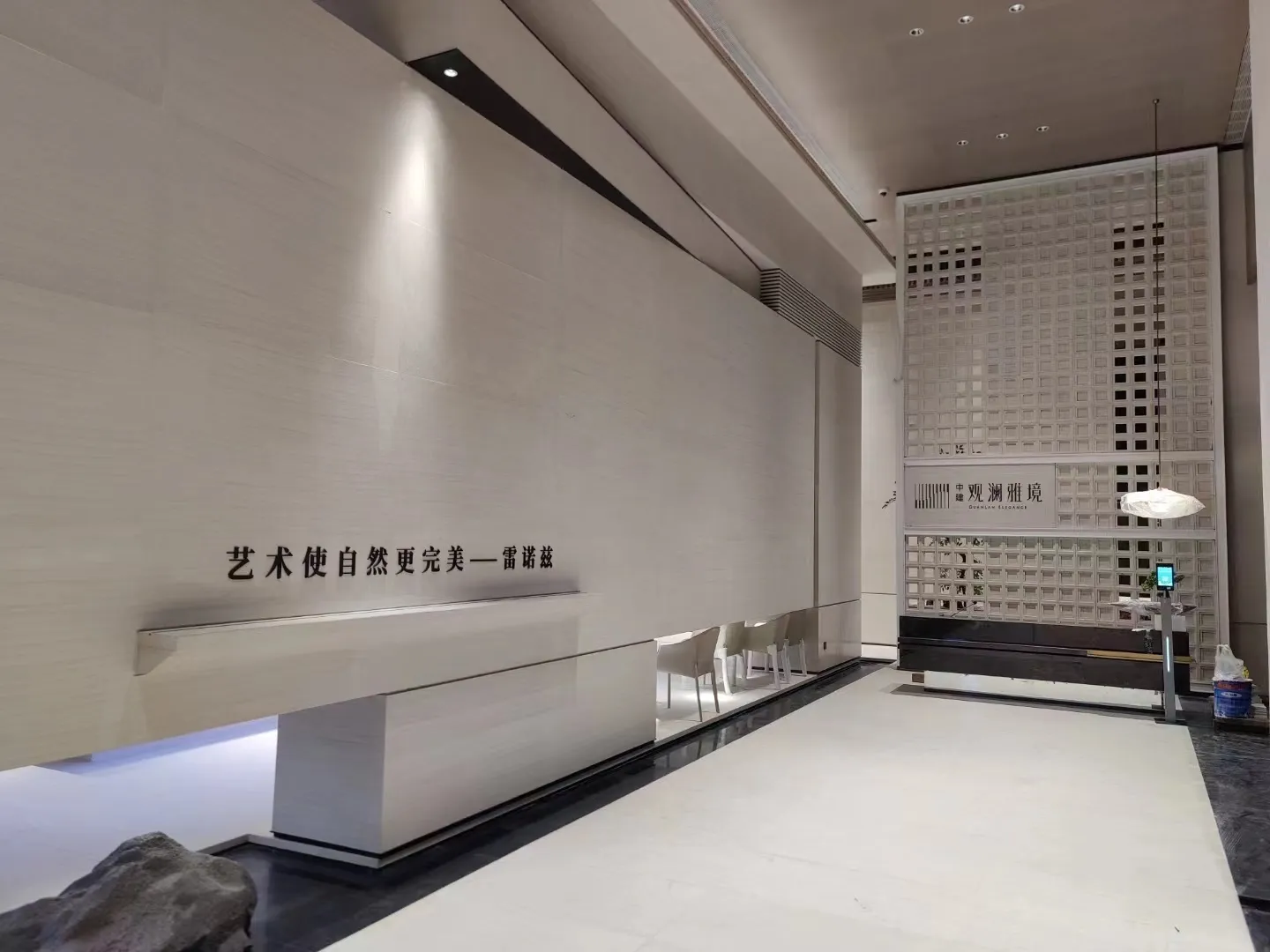
As a one-stop solution provider, COLORIA GROUP has developed a comprehensive range of MCM products, each tailored to specific architectural needs but all sharing the same core benefits of sustainability, performance, and design flexibility.
For projects demanding a grand, seamless, and monolithic appearance, the Big Slab Board Series is the ultimate choice. These large-format panels (up to 1.2m x 2.8m) create stunning, uninterrupted surfaces that exude modern luxury. Traditionally, achieving this look required immensely heavy and expensive slabs of natural marble or granite, posing significant logistical and structural challenges. The MCM Big Slab Boards offer the same breathtaking visual impact but at a fraction of the weight and cost. They are perfect for hotel lobbies, high-end retail storefronts, commercial building façades, and expansive interior feature walls, enabling a premium aesthetic with practical, eco-friendly execution.
The Project Board Series is the workhorse of the MCM family, engineered for performance and efficiency in large-scale commercial and residential developments. When consistency, durability, and speed of installation are paramount, this series delivers. Available in a wide array of standard textures and colors, these boards provide a reliable and cost-effective solution for developers and contractors. From cladding entire apartment complexes to finishing public infrastructure projects, the Project Board Series ensures a high-quality, long-lasting finish that meets both budget and timeline requirements, all while contributing to the project's overall sustainability goals.
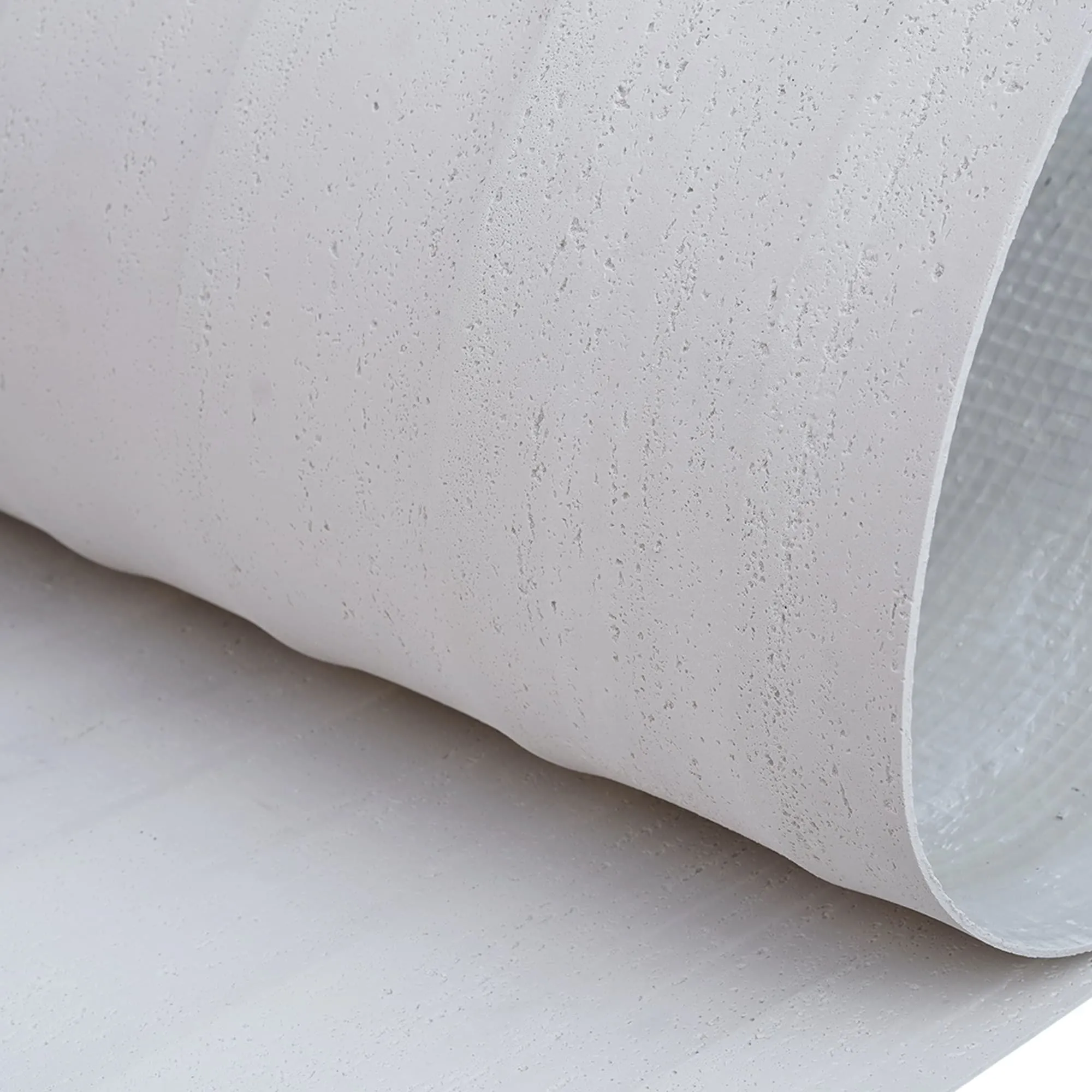
This is where MCM's most unique property truly shines. The MCM Flexible Stone is a game-changer for creative architecture. It looks, feels, and ages like real stone, but it can be bent around a tight radius, effortlessly cladding columns, wrapping around curved reception desks, and flowing over complex architectural details. This makes it an ideal solution for both new builds and renovations. In older buildings, it can be applied directly over existing, uneven surfaces without the need for demolition, adding a beautiful new skin without imposing dangerous weight on the old structure. Its versatility makes it a favorite among interior designers for statement wall decoration and unique furniture applications.
The pinnacle of customization, the 3D Printing Series empowers architects and designers to become true artists. This technology allows for the creation of bespoke textures, patterns, corporate logos, and intricate artistic reliefs directly into the surface of the MCM panel. This is the engine behind the "wave panel" concept. Do you want a wall that looks like windswept sand? Or a façade with a custom geometric pattern that plays with light and shadow? The 3D Printing Series makes it possible. It transforms walls from passive backdrops into active, expressive elements of the design narrative, offering a level of personalization that was previously unimaginable in exterior or interior cladding.
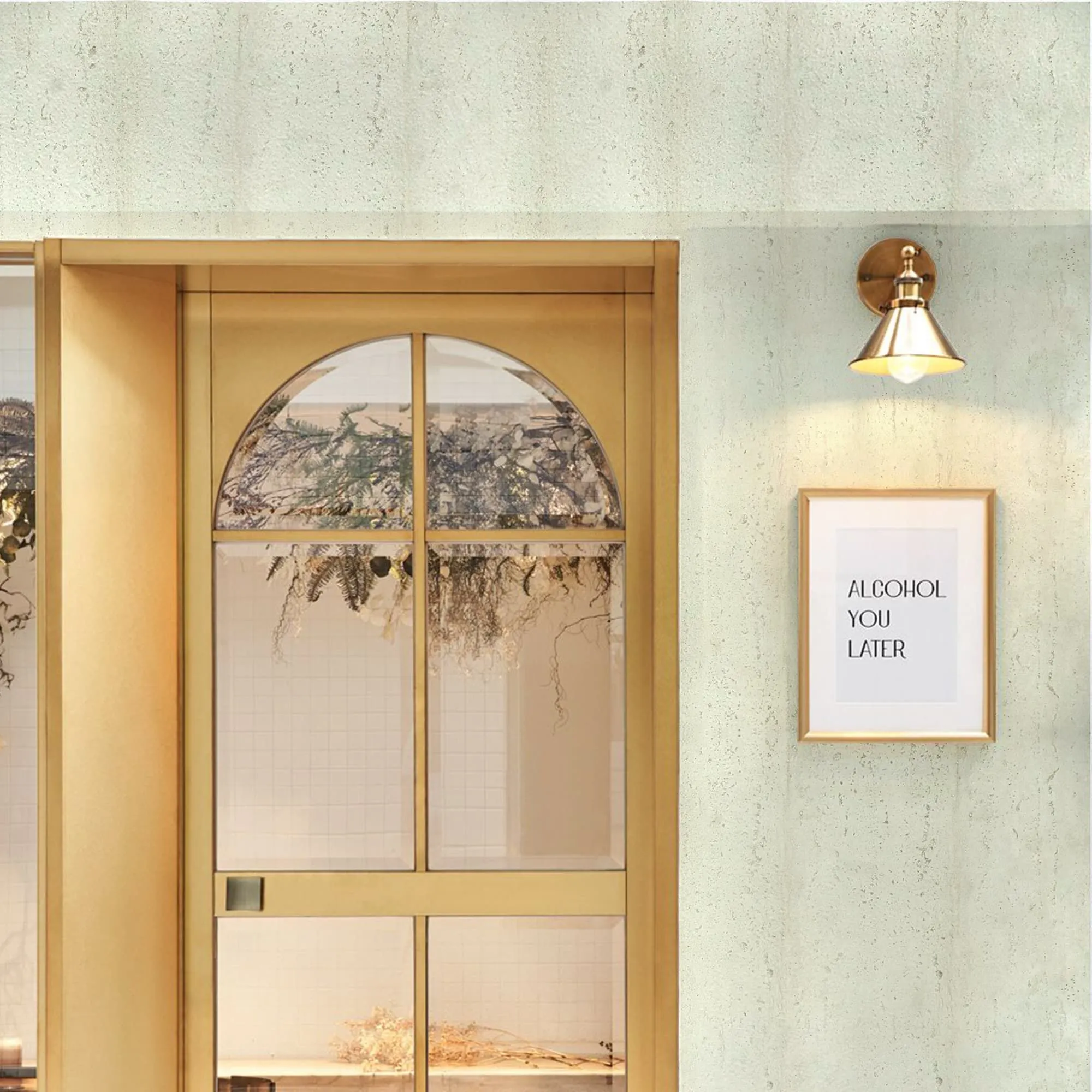
While the aesthetic and environmental benefits are compelling, the practical advantages of using COLORIA GROUP's MCM materials are what make them a truly intelligent choice for any project.
Simplified Installation: The lightweight nature of MCM translates directly to savings. It's easier and safer to handle on-site, requires fewer installers, and often eliminates the need for expensive cranes or heavy lifting equipment. Panels can be cut easily with a standard utility knife or ceramic blade. The speed of installation reduces labor costs and shortens project timelines, a critical factor in commercial construction.
Reduced Structural Costs: By choosing MCM over heavy stone or concrete panels, architects can design with less-imposing structural systems. This means less steel, less concrete, and a smaller foundation, resulting in significant material cost savings and a further reduction in the building's embodied carbon.
Long-Term Performance and Low Maintenance: COLORIA GROUP's MCM is built to last. Its resistance to the elements means it won't fade, crack, or degrade like some other materials. The surface is non-porous and easy to clean, requiring minimal maintenance over its long lifespan. This low total cost of ownership makes it a wise long-term investment.
Global Expertise, Local Focus: With decades of experience and a global business network, including a dedicated agency in demanding markets like Saudi Arabia, COLORIA GROUP operates as a true one-stop solution provider. We understand the unique challenges of different climates and building codes, offering expert consultation and support from the design phase through to project completion. This ensures that our clients not only get a superior material but also a reliable partner dedicated to their success.
The era of rigid, resource-depleting construction is drawing to a close. The future of architecture lies in materials that are intelligent, responsive, and responsible. It lies in creating green buildings that are not only efficient but also inspiring places to live and work.
COLORIA GROUP's MCM technology is at the forefront of this transformation. It proves that we don't have to choose between stunning design and environmental stewardship. With materials like the versatile MCM Flexible Stone and the fully customizable 3D Printing Series, we can have both. We can build soaring towers with a fraction of the weight, design interiors with the fluid grace of nature, and create dynamic "wave panels" that turn a simple wall into a work of art.
This is more than just a new type of cladding. It's a new way of thinking about surfaces, about form, and about our relationship with the built environment. It's a commitment to building a future that is not only more beautiful and more functional but also fundamentally more sustainable. And with COLORIA GROUP, that future is already here.
Recommend Products











