
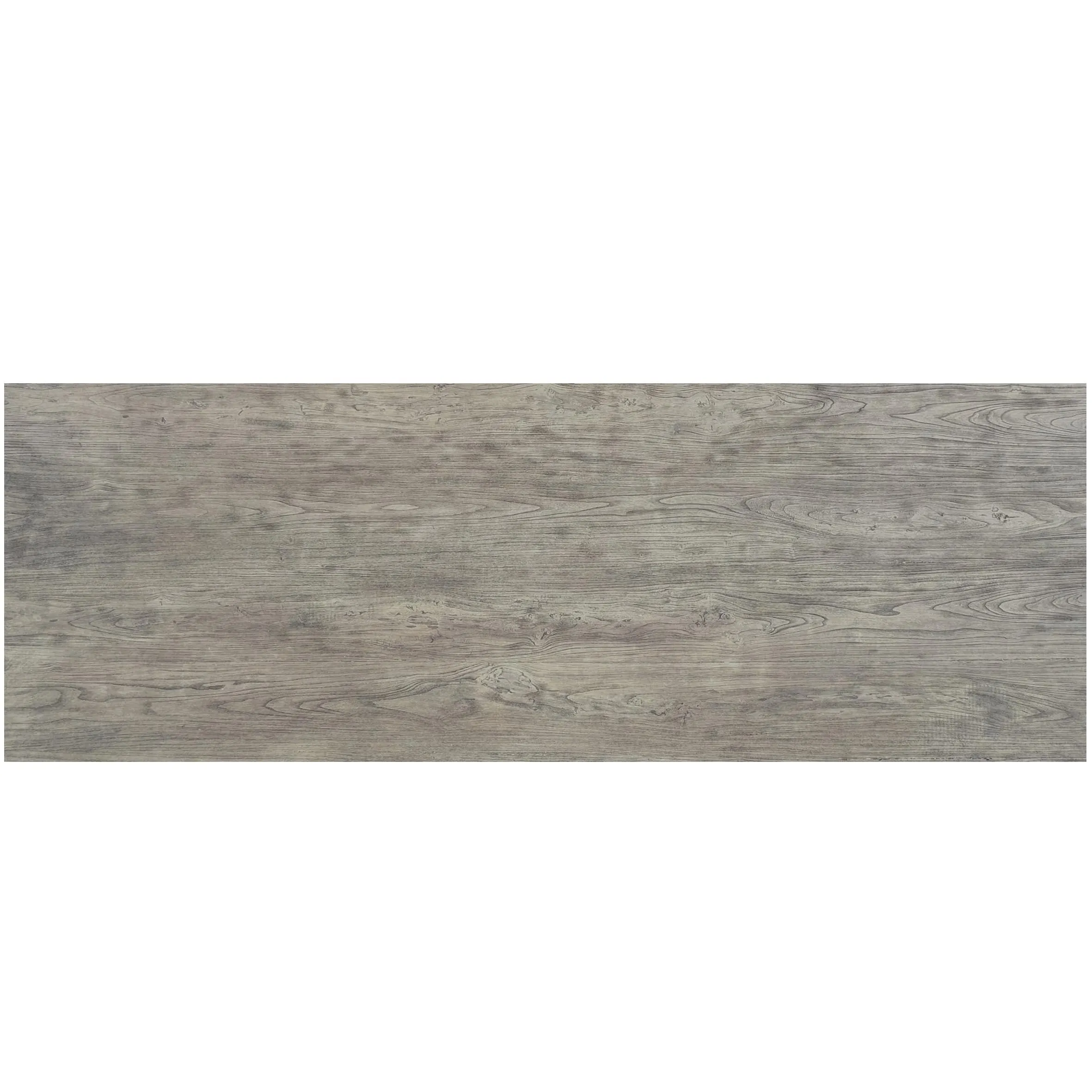
In a world where every choice we make echoes through the planet's ecosystems, the construction industry stands at a crossroads. We crave spaces that feel warm, authentic, and connected to nature—but not at the cost of clear-cut forests, depleted quarries, or carbon-heavy production lines. Enter MCM panels: a revolution in building materials that marries aesthetic versatility with a deep commitment to sustainability. Among their standout offerings, the wood grain board has emerged as a fan favorite, capturing the timeless beauty of wood without a single tree felled. But MCM's eco-friendly story doesn't end there. From lunar peak silvery metallic finishes to travertine (starry green) with its celestial patterns, these panels are redefining what it means to build responsibly. Let's dive into why MCM panels are becoming the go-to choice for designers, builders, and homeowners who refuse to compromise on either planet or style.
Sustainability in construction isn't just about checking boxes for green certifications anymore. It's about creating spaces that honor the earth's limits while enhancing human well-being. Traditional materials—think solid wood, natural stone, or virgin aluminum—often come with hidden environmental costs: deforestation, water pollution from quarrying, or high energy use in processing. For example, harvesting hardwood for cladding contributes to habitat loss, while transporting heavy stone slabs adds significant carbon emissions to a project's footprint. As consumers and regulators alike demand better, the industry has been scrambling for alternatives that deliver on durability, beauty, and eco-credentials. That's where MCM panels step in.
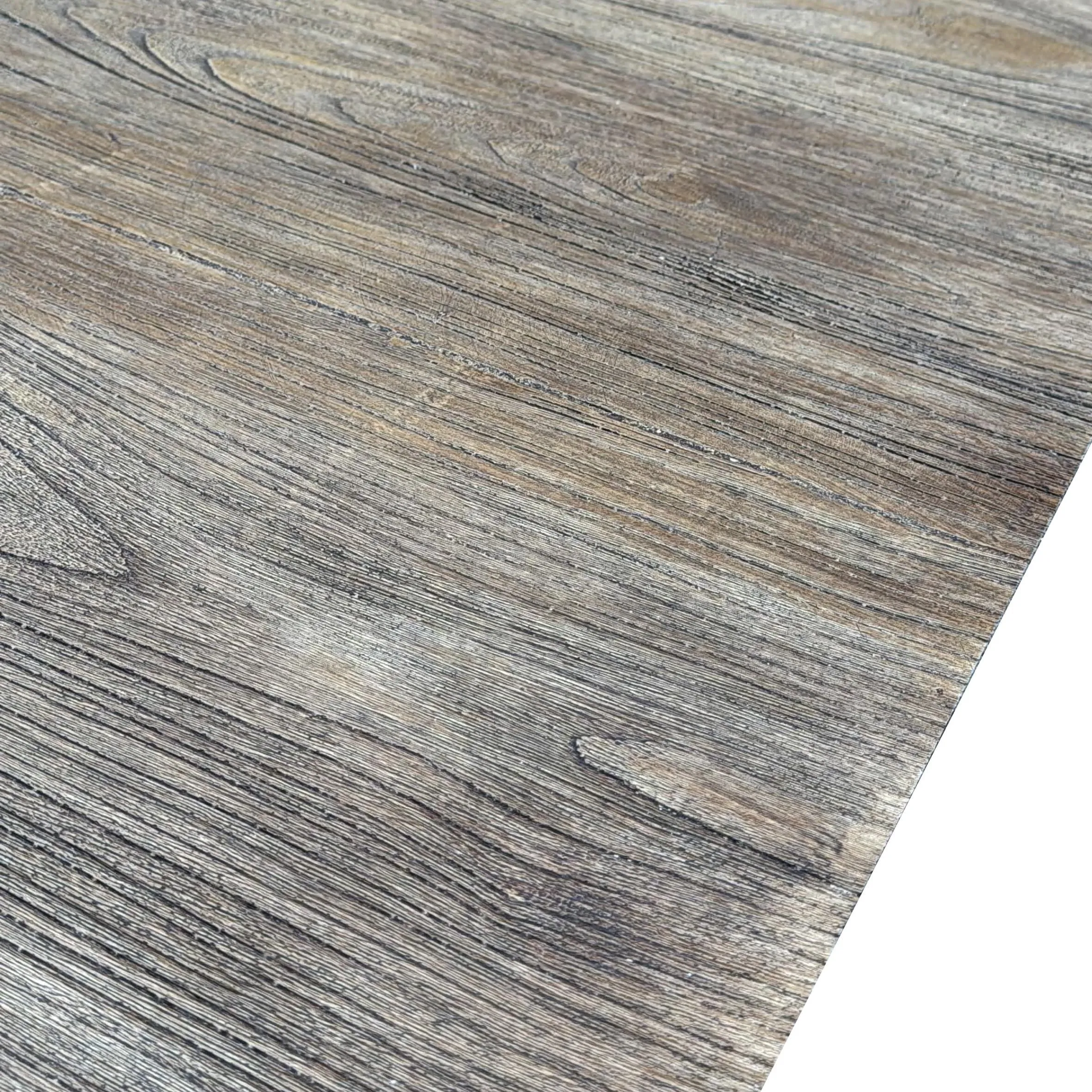
MCM stands for Modified Composite Material, and at its core, it's a clever fusion of recycled minerals, polymers, and natural fibers. Unlike traditional cladding materials, MCM panels are engineered to be lightweight, flexible, and incredibly durable—all while using resources mindfully. The magic lies in their production process: manufacturers blend recycled stone powder, bamboo fibers, and low-VOC resins, then compress and cure the mixture under controlled conditions. This results in panels that mimic the look and texture of natural materials but with a fraction of the environmental impact. Whether you're after the rustic charm of rough granite stone (medium grey) or the sleek modernity of foamed aluminium alloy board (vintage silver) , MCM has a texture, color, and finish to match—without stripping the earth bare.
MCM's sustainability isn't just marketing fluff—it's baked into every layer of their design and production. Here's how they stack up:
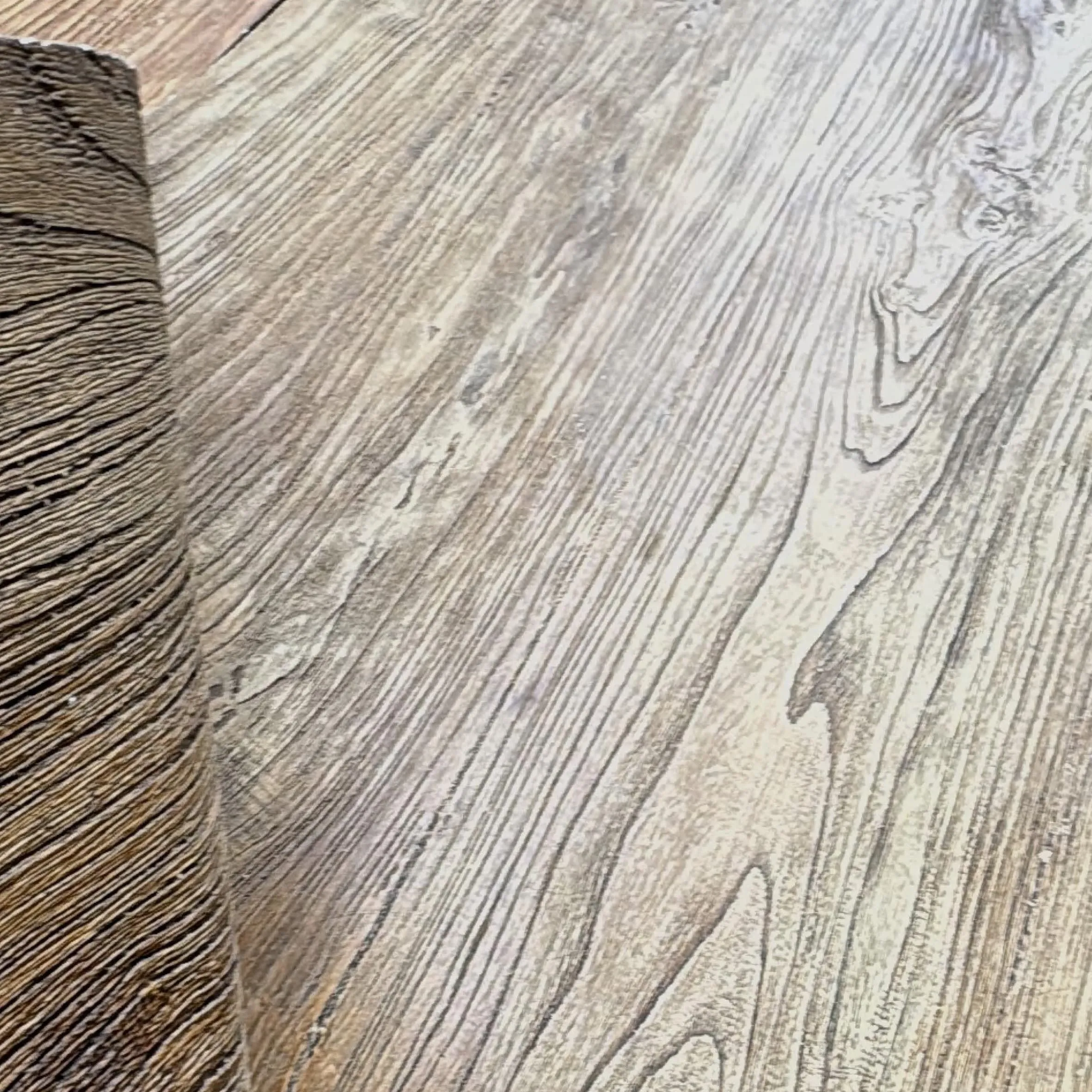
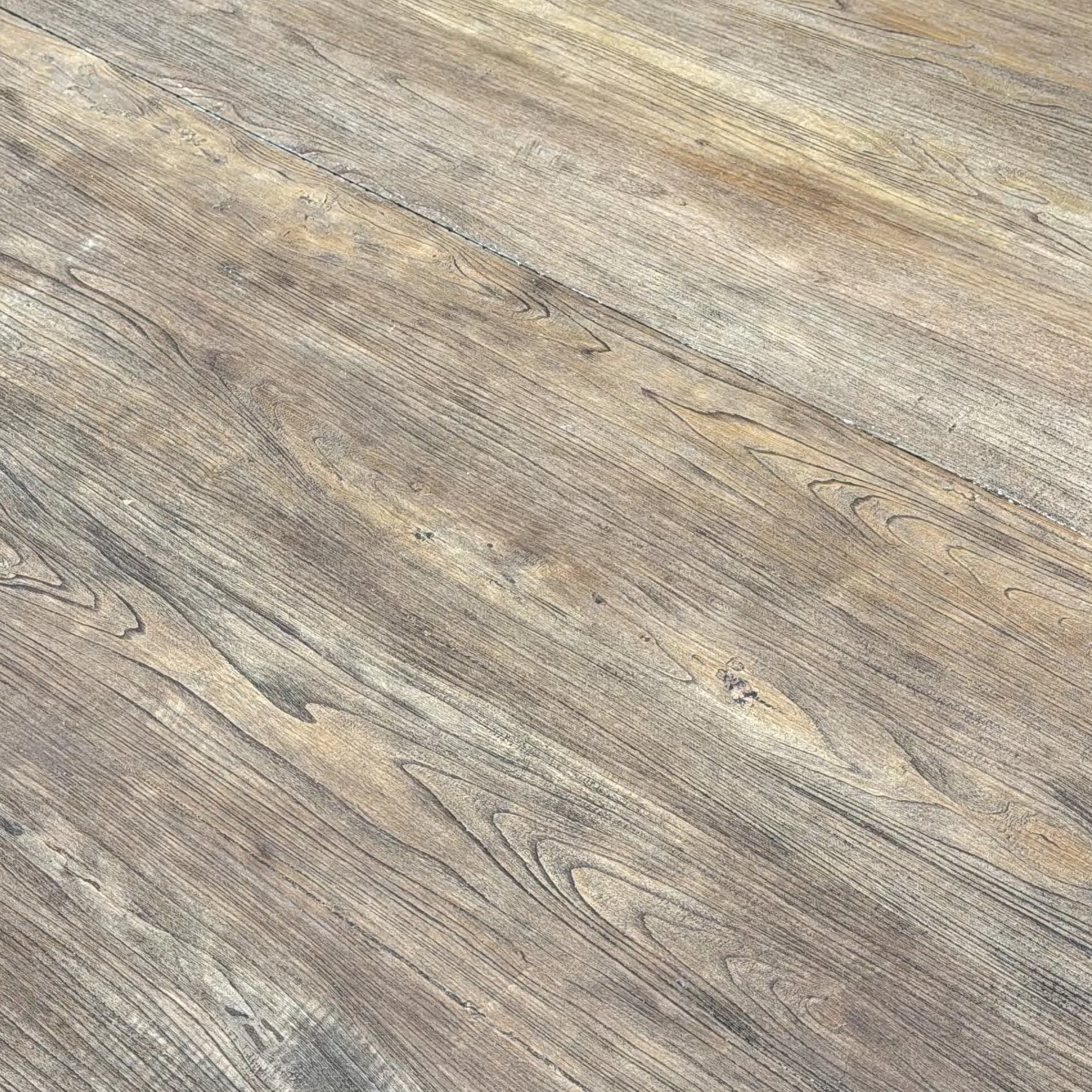
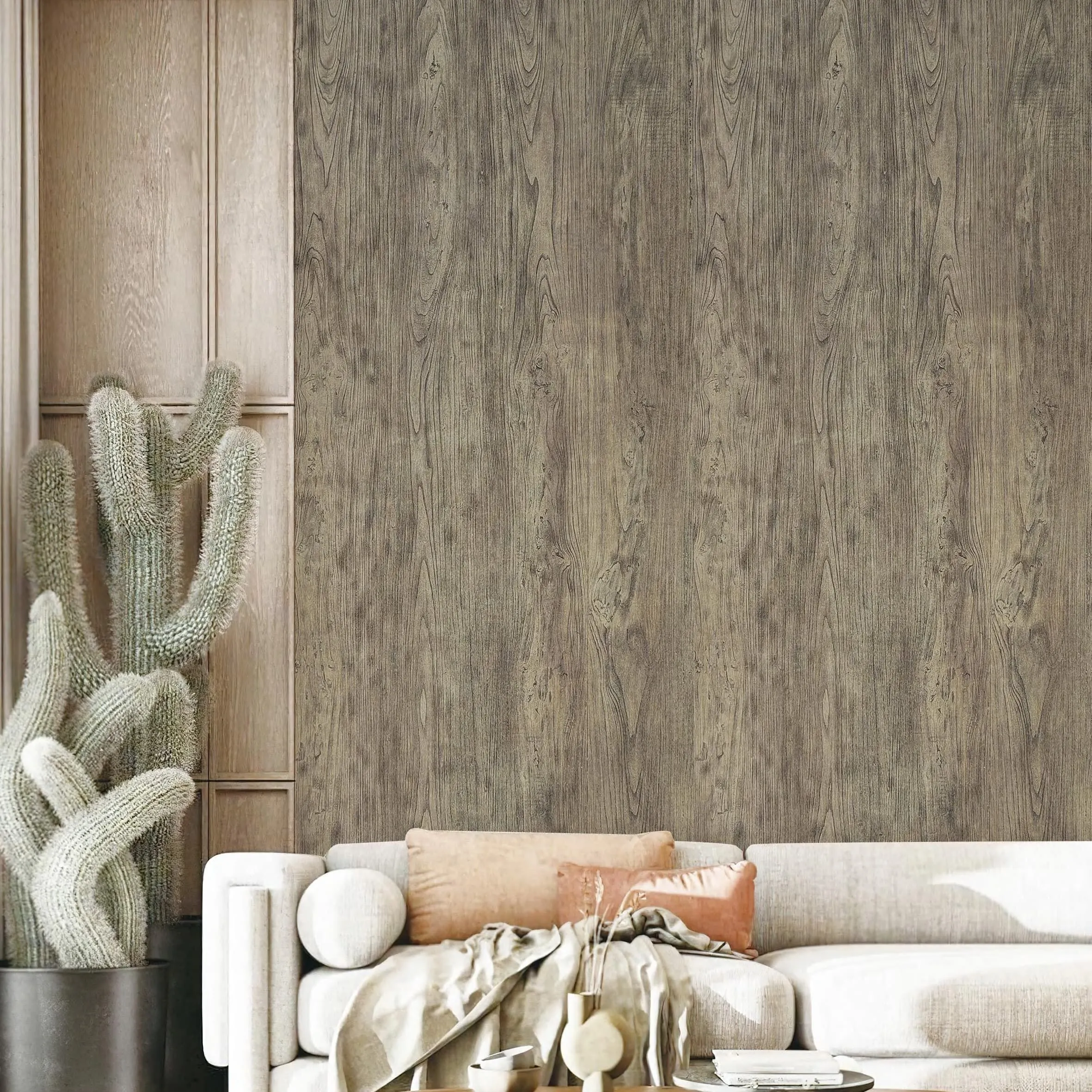
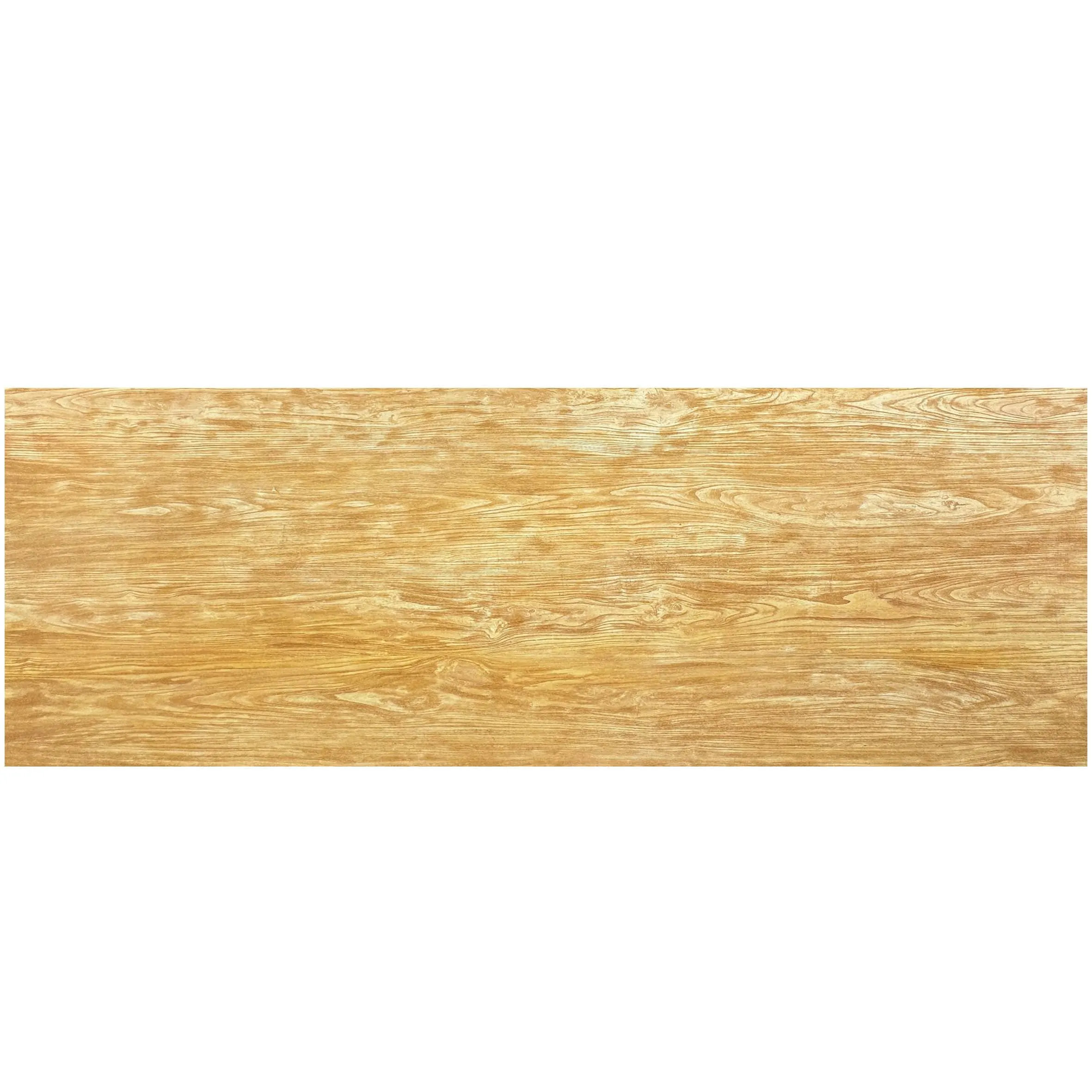
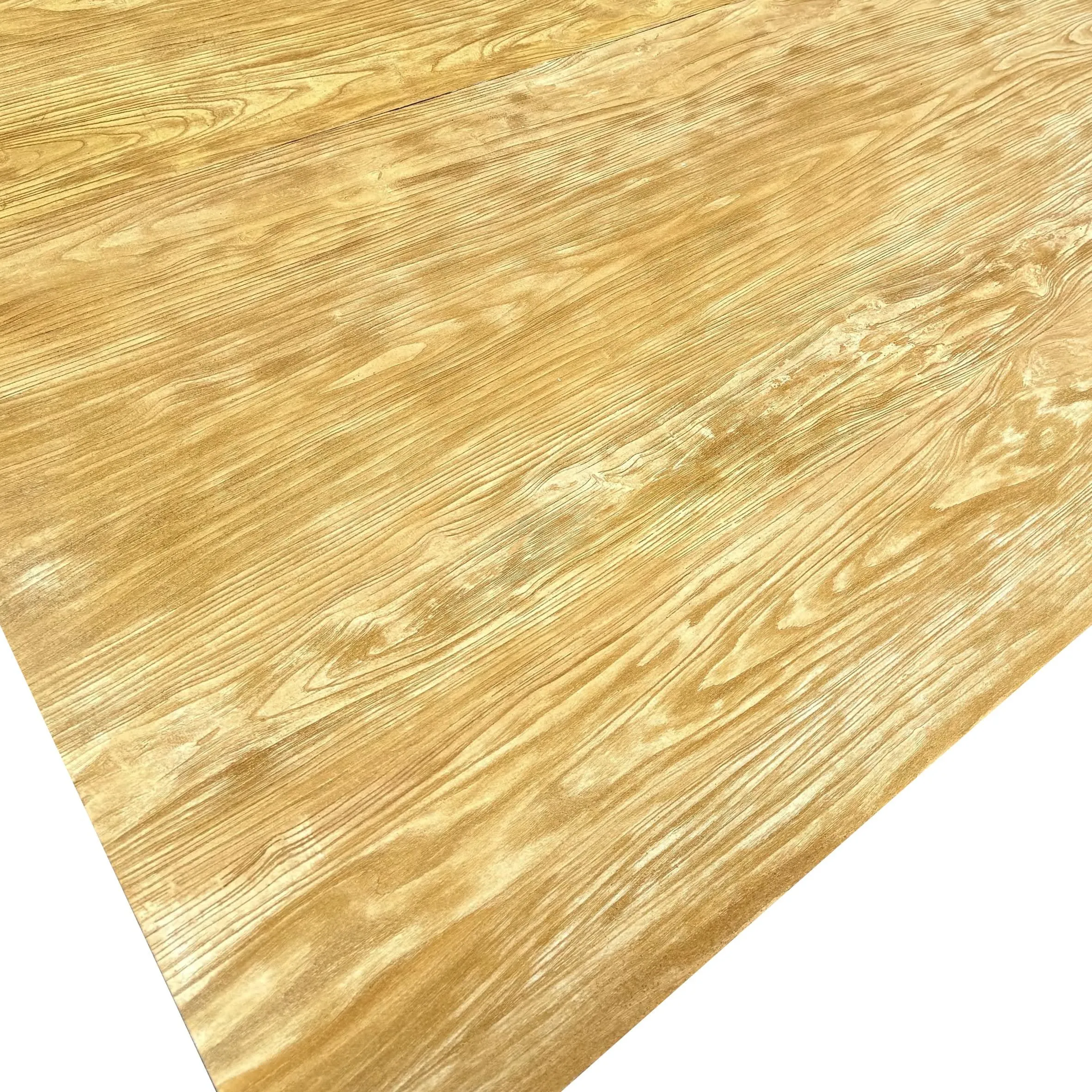
If there's one MCM product that captures the essence of sustainable design, it's the wood grain board . Walk into a room clad with these panels, and you'll swear you're touching reclaimed oak or weathered teak—until you learn the truth: no trees were harmed in the making of this wood-look wonder. The secret is in the precision engineering: manufacturers scan real wood grains, then replicate those intricate patterns onto the MCM surface using advanced printing and texturing techniques. The result? Panels with the warm, organic feel of wood, complete with knots, grains, and subtle color variations, but made from recycled bamboo fibers and mineral composites instead of timber.
For designers, this is a game-changer. Imagine a restaurant with a feature wall that looks like aged barn wood, but won't warp in humidity. Or a home office where the desk and shelving sport rich walnut tones, without contributing to deforestation. Wood grain board isn't just eco-friendly—it's practical. It resists termites, doesn't require staining or sealing, and holds up to heavy foot traffic, making it ideal for both residential and commercial spaces. And because it's flexible, it can be curved or shaped to fit unique architectural designs, from rounded columns to wavy accent walls. It's nature's beauty, reimagined for a world that can't afford to cut down another tree.
While wood grain board steals the spotlight, MCM's sustainability story spans dozens of product lines, each with its own unique charm and eco-credentials. Let's explore a few standouts:
For spaces that crave a touch of cosmic elegance, the lunar peak collection delivers. Available in silvery , golden , and black , these panels mimic the moon's cratered surface with a metallic sheen. What makes them sustainable? They're crafted using recycled aluminum powder, reducing the need for bauxite mining (a process notorious for habitat destruction). Plus, their lightweight nature means they're a breeze to install on high-rise exteriors, cutting down on construction time and energy use.
If you're after industrial-chic with a green twist, look no further than foamed aluminium alloy boards . With finishes like vintage silver , vintage gold , and gold , these panels offer the sleekness of metal without the environmental toll of solid aluminum. Foaming the aluminum creates a honeycomb structure that's 70% lighter than solid metal but just as strong, reducing transportation emissions. And since aluminum is infinitely recyclable, these panels can be repurposed at the end of their life, closing the loop on waste.
Travertine has long been prized for its porous, organic texture, but quarrying this natural stone depletes finite resources and disrupts ecosystems. MCM's travertine series reimagines this classic material with a sustainable twist. From vintage silver and vintage gold for a retro vibe to the starry line—think starry green , starry red , and starry blue with their speckled, galaxy-like patterns—these panels capture travertine's beauty using recycled stone powder and water-based inks. They're perfect for accent walls in hotels or lobbies, adding texture and color without the guilt.
For a connection to the earth's raw, primal energy, MCM's rammed earth board is unbeatable. Available in hues like white , middle , matcha green , and even gradient shades, these panels mimic the look of traditional rammed earth—without the massive resource use. Traditional rammed earth requires tons of soil and water; MCM's version uses recycled clay and mineral binders, cutting water consumption by 80% during production. It's a nod to ancient building wisdom, updated for a planet-conscious era.
Still wondering how MCM stacks up against traditional and other composite materials? Let's break it down with a quick comparison:
| Material | Environmental Impact | Durability | Installation Ease | Design Versatility |
|---|---|---|---|---|
| Solid Wood Cladding | High (deforestation, habitat loss) | Medium (prone to rot, pests) | Heavy, requires skilled labor | Limited (natural grain only) |
| Natural Stone Slabs | High (quarrying, heavy transport) | High (but brittle, prone to cracking) | Very heavy, requires structural support | Limited (natural color/patterns) |
| MCM Wood Grain Board | Low (recycled content, low energy production) | High (resists rot, pests, fading) | Lightweight, easy to cut/shape | High (custom grains, colors, textures) |
| MCM Foamed Aluminium Alloy | Low (recycled aluminum, low VOC) | Very High (dent-resistant, corrosion-proof) | Lightweight, quick installation | High (metallic finishes, custom colors) |
| Traditional Composite Panels | Medium (some recycled content, high VOCs) | Medium (prone to warping in heat) | Moderate (heavier than MCM) | Medium (limited textures) |
It's not just the sustainability factor that's winning over the industry—though that's a big part of it. MCM panels offer a trifecta of benefits that make them irresistible to professionals:
Take, for example, a recent boutique hotel project in Bali. The designers wanted to evoke the island's lush landscapes and rustic charm, but sourcing local stone would have depleted nearby quarries. Instead, they chose MCM's bali stone panels for the exterior and wood grain board for the interiors. The result? A space that feels authentically Balinese, with zero impact on the island's fragile ecosystem. Guests rave about the warm, natural vibe—and the hotel's sustainability credentials have become a key marketing point.
Sustainability in construction isn't about sacrifice—it's about innovation. MCM panels prove that we can have spaces that are beautiful, durable, and kind to the planet. From the wood grain board that lets us bring nature indoors without cutting trees to the lunar peak silvery panels that add cosmic flair with recycled materials, these products are more than building supplies—they're tools for change. As designers, builders, and homeowners, we hold the power to shape the built environment. With MCM panels, we're choosing to shape it into one that future generations will thank us for: a world where buildings don't just stand on the earth, but stand with it. So the next time you're planning a project, ask yourself: why settle for materials that take from the planet when you can choose ones that give back? MCM panels aren't just the future of construction—they're the future we deserve.
Recommend Products












