
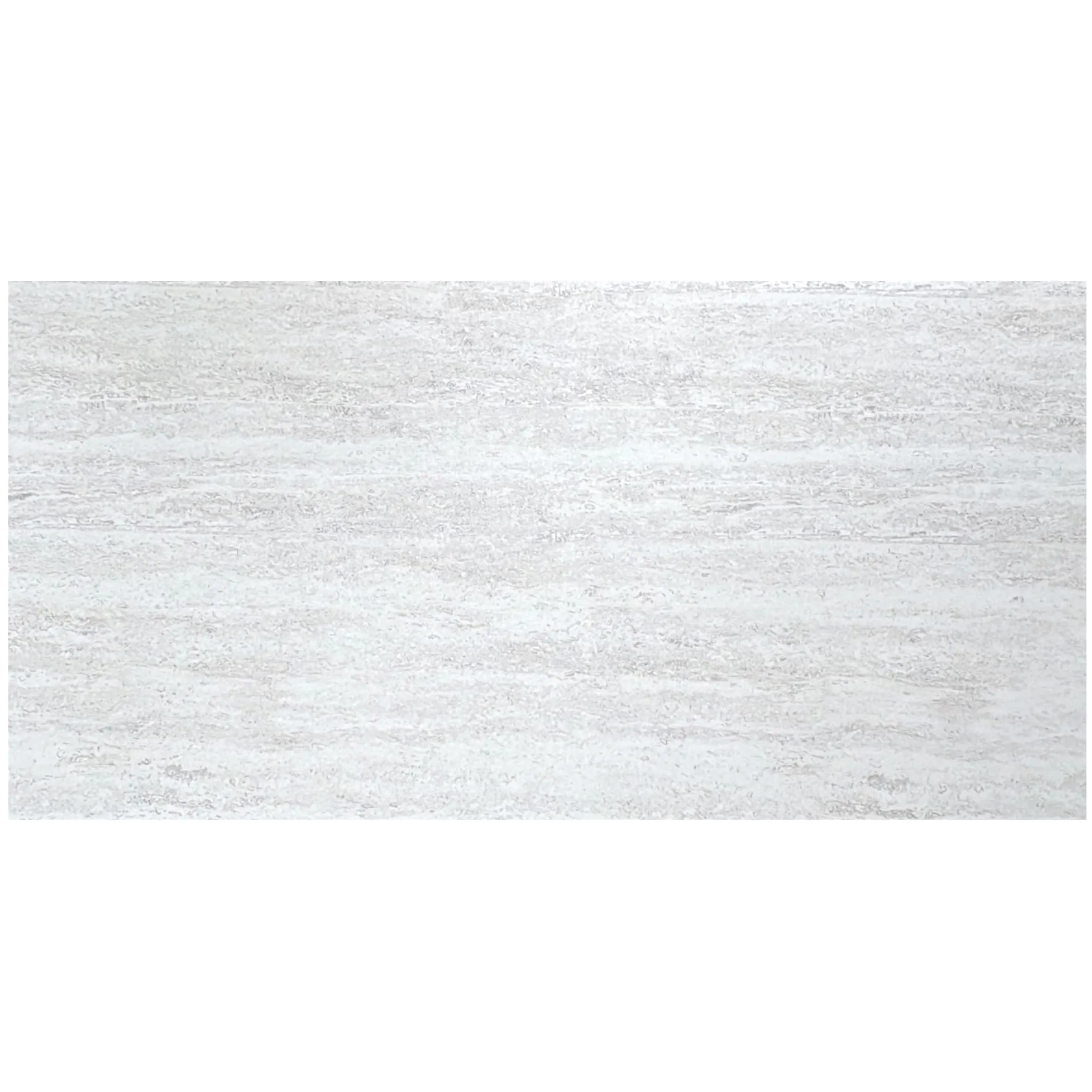
Educational buildings are more than just structures—they are the backdrop to countless "aha!" moments, quiet study sessions, and lively debates. They shape how students feel about learning, how teachers connect with their classes, and how communities come together around knowledge. In recent years, architects and designers have begun to recognize that the materials chosen for these spaces play a pivotal role in this dynamic. A well-chosen material doesn't just fill a wall or floor; it tells a story, evokes emotion, and even influences behavior. Today, we explore how four standout materials—Ethereal Shadow Travertine, Fair-faced Concrete, Lunar Peak Silvery, and Flexible Stone—are redefining educational design, blending style with the hardworking functionality schools demand.
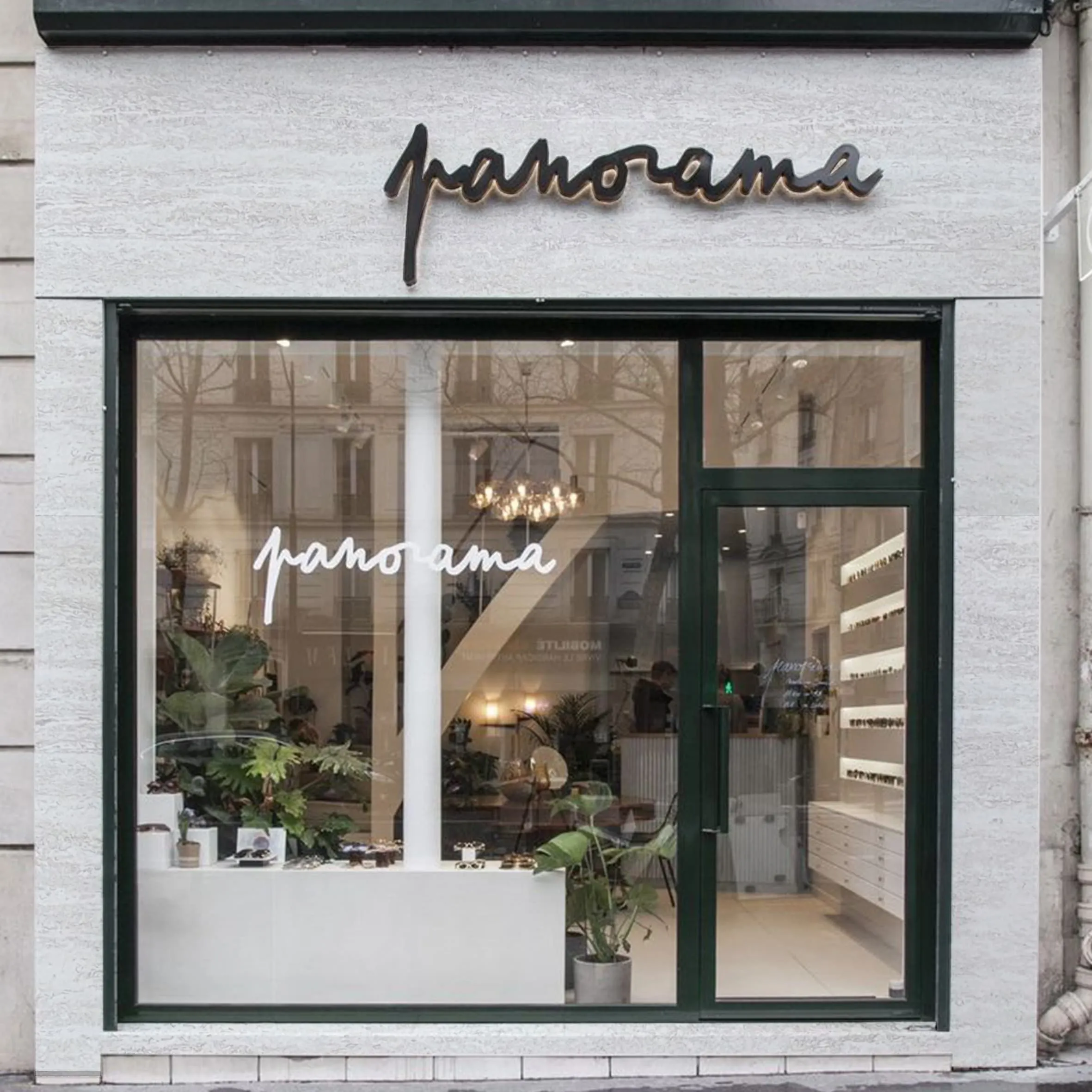
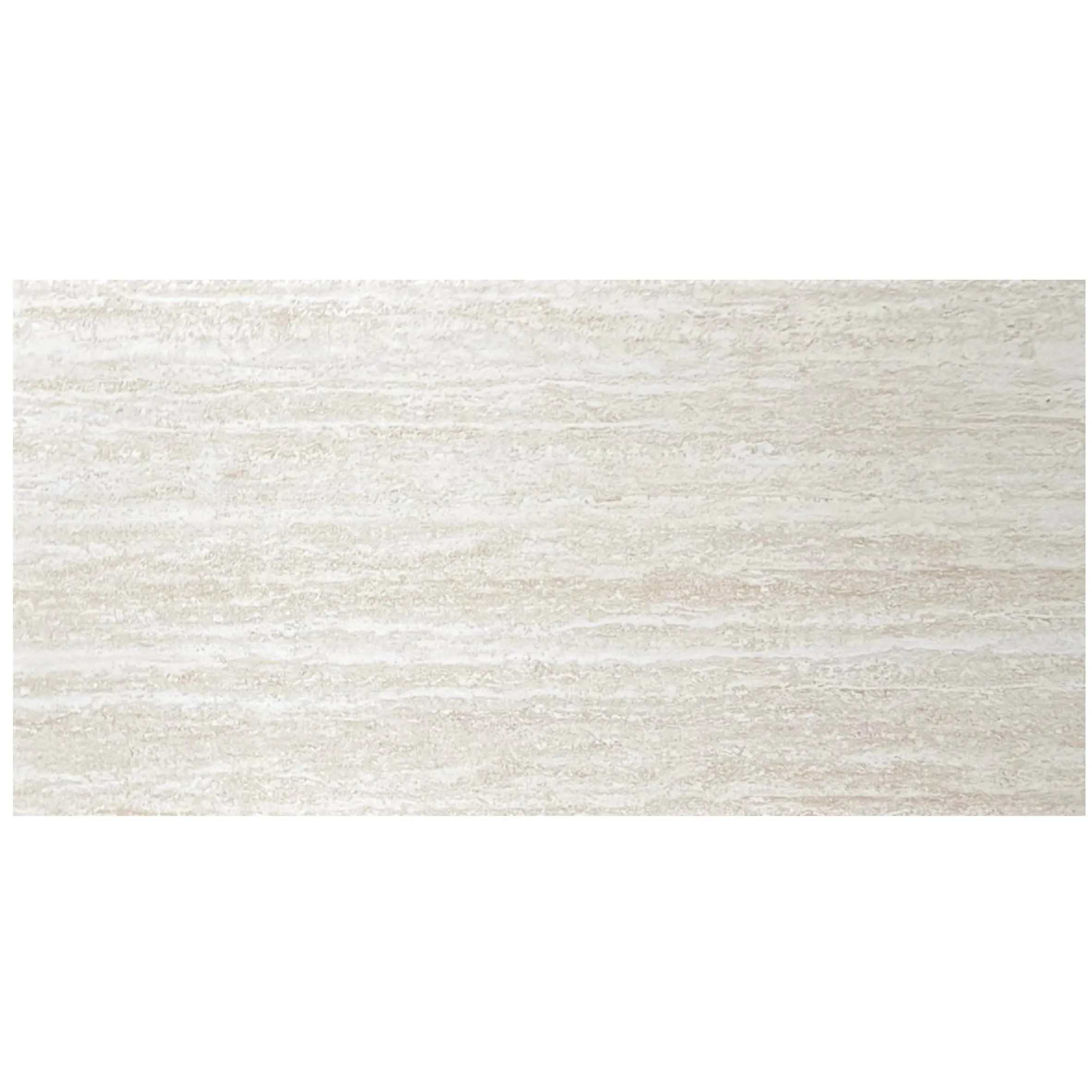
Step into a school hallway lined with Ethereal Shadow Travertine, and you'll immediately notice something different. Unlike the cold, uniform surfaces of generic tile, this stone feels alive. Its surface, marked by soft indentations and subtle veining, plays with light in a way that shifts throughout the day—warm golden hues at sunrise, cool grays at midday, and soft amber as the sun sets. It's as if the stone itself is breathing, creating a rhythm that mirrors the ebb and flow of a school day.
But Ethereal Shadow Travertine isn't just about beauty. In educational settings, durability is non-negotiable. This material stands up to the chaos of bustling students, backpacks dragging, and the occasional spilled science experiment. Its natural porosity is sealed during production, making it resistant to stains and easy to clean—no small feat in a space where 300 kids might pass through a hallway between classes.
Take, for example, the new wing of Lincoln High School in Portland. The architects chose Ethereal Shadow Travertine for the library's reading nook walls. "We wanted a space that felt both grand and intimate," says lead designer Maria Gonzalez. "The travertine's texture absorbs sound just enough to hush the noise without feeling sterile, and the way light filters through the skylights and plays on the stone? Students actually linger here now. They bring their books, sit on the floor, and stay. That's the magic of a material that doesn't just occupy space—it invites it."
Emotionally, Ethereal Shadow Travertine fosters calm. Its earthy tones and organic texture ground students, creating a sense of stability that helps them focus. In a world of screens and constant stimulation, having a tactile, natural surface to rest the eyes on can reduce anxiety—a small but powerful detail that makes a big difference in a teenager's ability to learn.
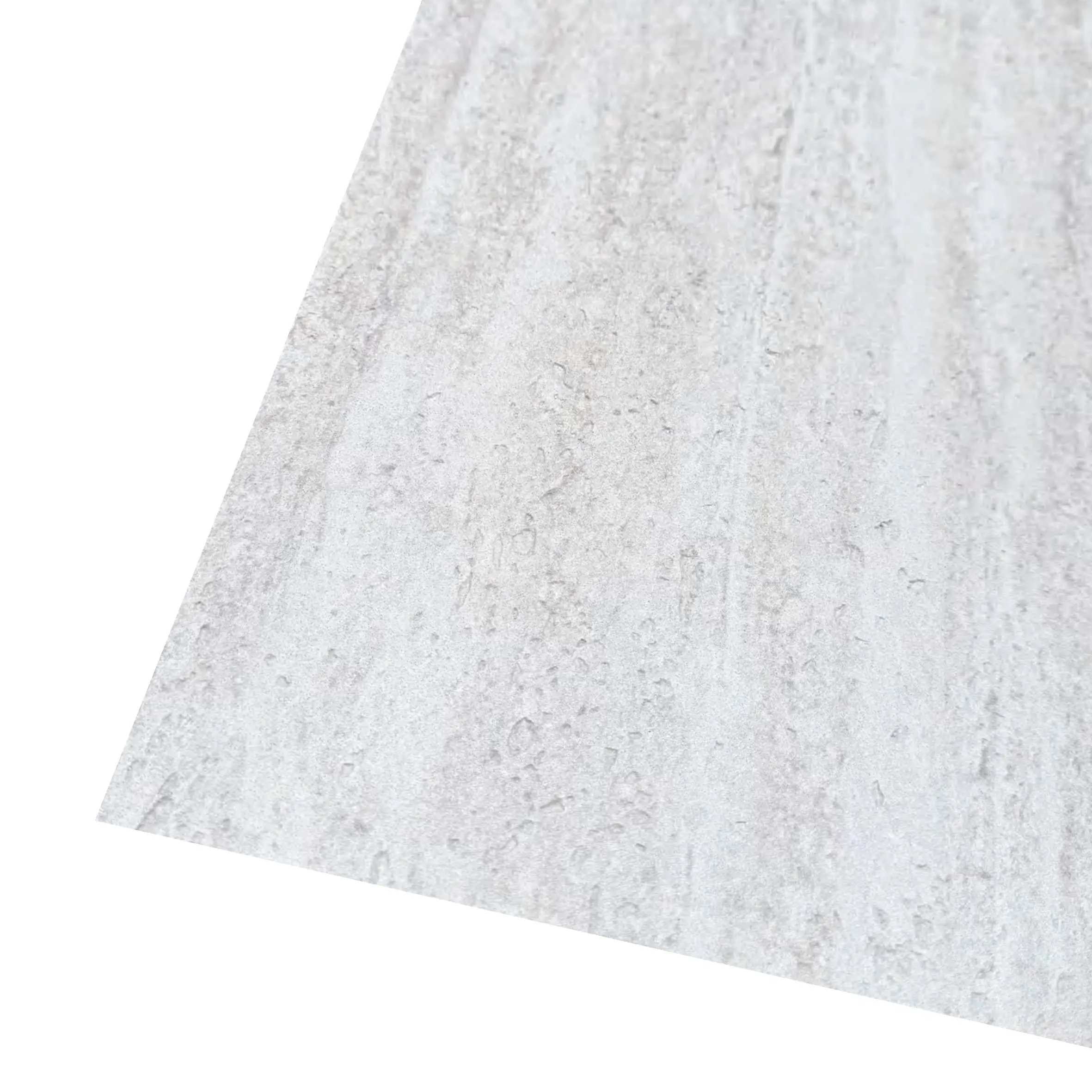
Fair-faced Concrete might sound like a contradiction—concrete, after all, is often associated with industrial warehouses or cold parking garages. But in educational design, this material has found a second life as a symbol of authenticity. Unlike polished concrete or painted surfaces, fair-faced concrete is left "as-cast," with the marks of the formwork visible, small imperfections celebrated. It's raw, honest, and unapologetically real—qualities that resonate in a space dedicated to growth and discovery.
At Innovation Middle School in Austin, the science wing features fair-faced concrete walls and lab countertops. "Science is about experimentation, about embracing the process—even the messy parts," explains principal Dr. James Carter. "The concrete feels like that. It's strong, but it's not perfect. You can see the lines where the formwork met, the tiny air bubbles. It sends a message to students: It's okay to be a work in progress. That's where innovation happens."
Functionally, fair-faced concrete is a dream. It requires minimal maintenance—no repainting, no refinishing—and it's fire-resistant, a critical safety feature in schools. Its thermal mass helps regulate temperature, keeping labs cool during Texas summers without overworking the AC. And unlike some materials that fade or wear, concrete ages gracefully, developing a patina over time that tells the story of the school's history.
Aesthetically, it pairs surprisingly well with warmer materials like wood or Ethereal Shadow Travertine. At Lincoln High, the auditorium features fair-faced concrete walls accented with travertine panels. The contrast is striking: the concrete's industrial edge balances the travertine's softness, creating a space that feels both modern and timeless. "We wanted the auditorium to feel like a blank canvas for student performances," Gonzalez adds. "The concrete backdrop lets the students—their talents, their energy—be the focus. It doesn't compete; it elevates."
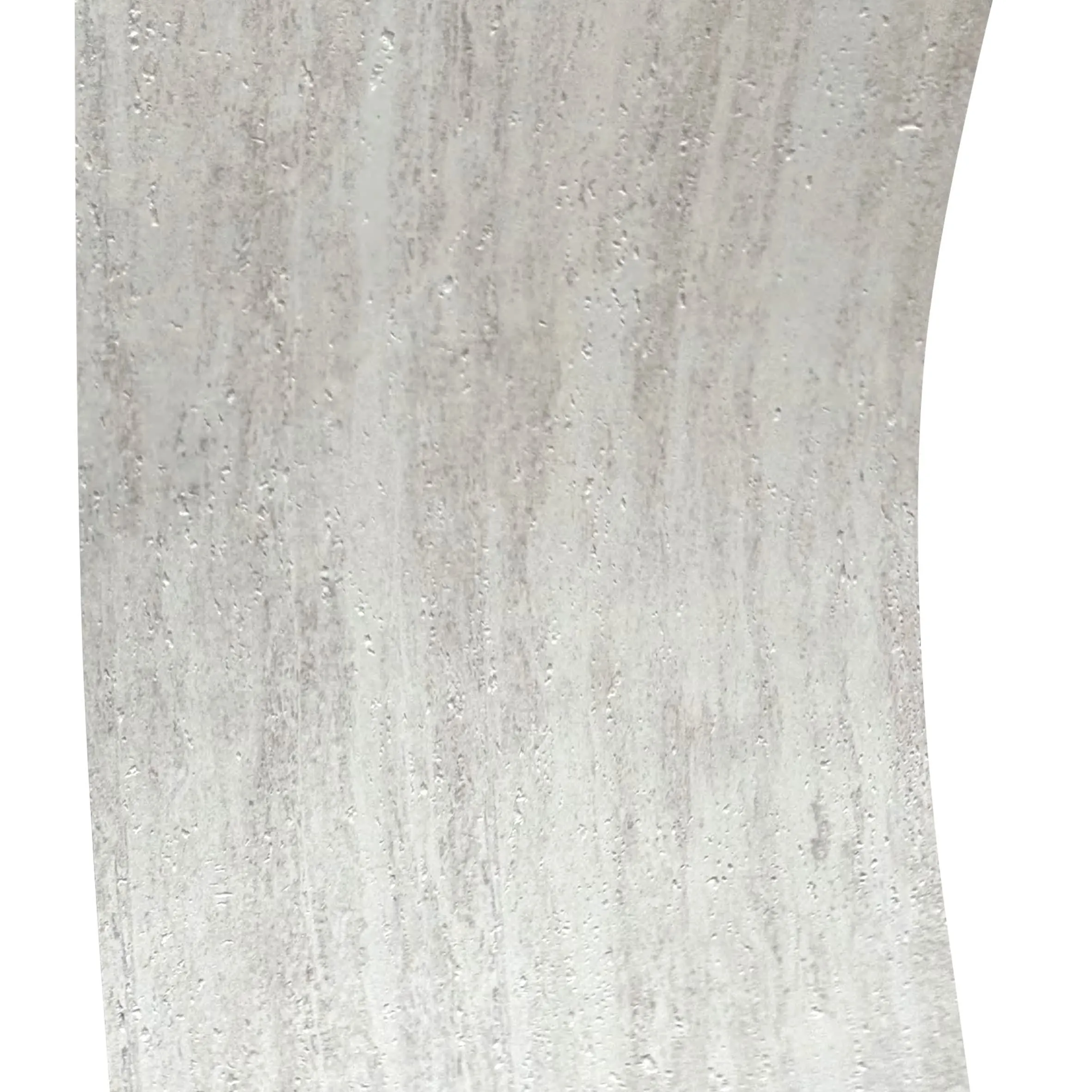
If Ethereal Shadow Travertine is grounded and earthy, Lunar Peak Silvery is its celestial counterpart. Named for its resemblance to moonlight on stone, this material shimmers with a soft, silvery luster that catches the eye without overwhelming. It's metallic but not gaudy, modern but not cold—think of the way the moon reflects sunlight: bright enough to guide, gentle enough to soothe.
At Horizon Elementary in Denver, Lunar Peak Silvery takes center stage in the school's central commons, a two-story space where students eat lunch, host assemblies, and collaborate on group projects. The walls here are clad in large panels of the material, which reflect light from the floor-to-ceiling windows. "We call it 'The Observatory' now," laughs art teacher Mr. Patel. "Kids will lie on the floor and point out 'craters' in the texture—little imperfections that look like moon rocks. It's sparked so many conversations about space, science, even poetry. One student wrote a haiku about it: 'Silver walls hum soft / Moonlight trapped in stone, I think / Learning feels like flight.' That's the power of a material that sparks imagination."
Durability-wise, Lunar Peak Silvery holds its own. Its aluminum composite core makes it lightweight, reducing strain on building structures, while the outer coating resists scratches and fading. It's also moisture-resistant, making it ideal for high-traffic areas like entryways or locker bays where rain boots and snow melt might otherwise damage walls.
What truly sets Lunar Peak Silvery apart, though, is its ability to transform a space's mood. In the morning, it glows with a cool, energizing light that helps students wake up and engage. In the afternoon, as the sun dips, it softens, creating a warm, almost magical atmosphere that makes the end of the school day feel like a gentle transition rather than a rush to leave. For younger students, it's a reminder of the stars they learn about in science class; for older ones, it's a quiet nudge to dream big.
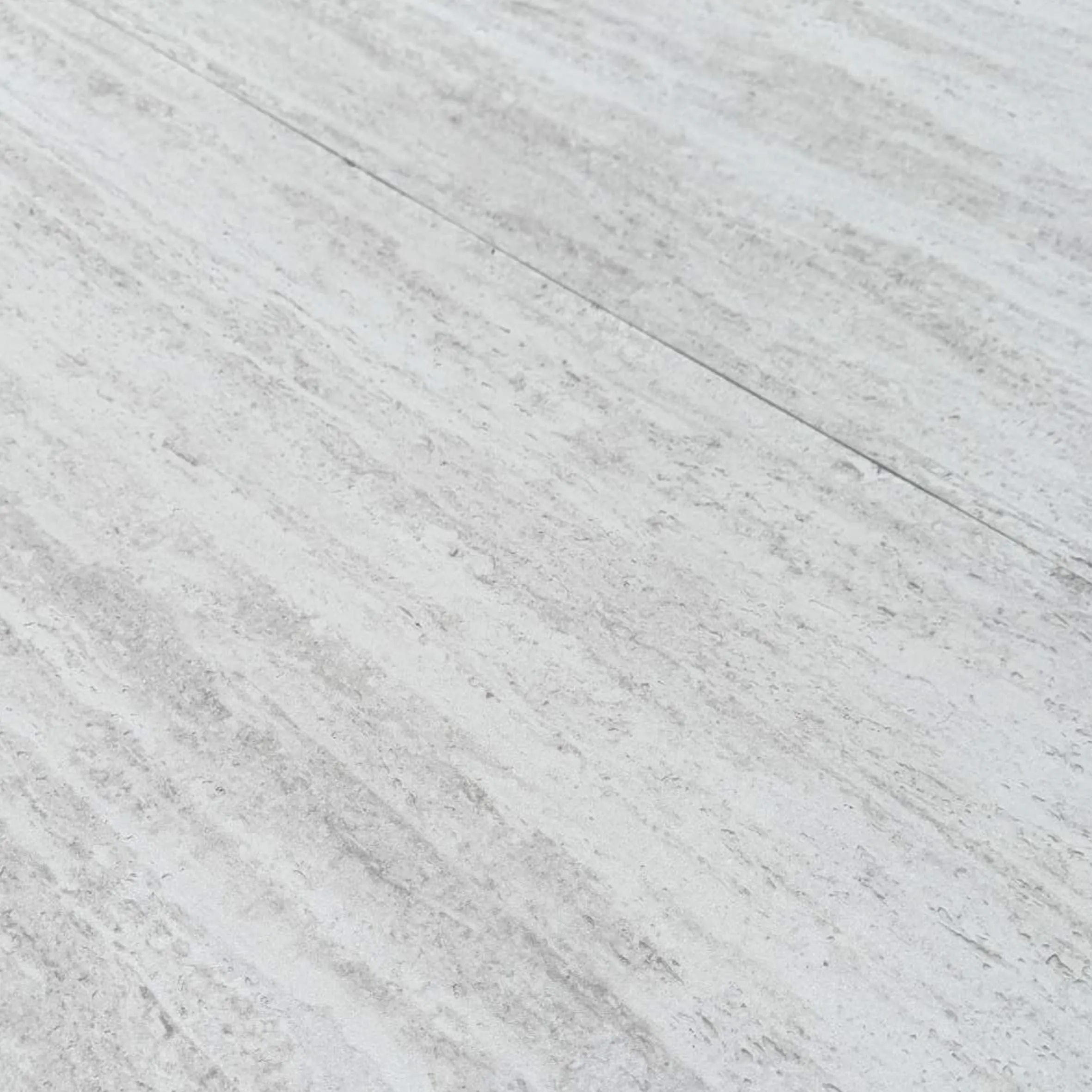
Flexible Stone is perhaps the most innovative of the bunch—and the most student-centric. As the name suggests, this material bends. It's made from a composite of natural stone particles and a flexible resin binder, allowing it to be shaped into curves, waves, or even custom designs. It's lightweight, easy to install, and can be cut on-site, making it perfect for dynamic, ever-changing educational environments.
At Creative Arts High in Chicago, the art department took flexibility to heart. With a grant from the school board, students worked with designers to create a "Mural Wall" in the hallway using Flexible Stone. Each student submitted a design, and the winning entries were etched into the stone panels, which were then curved into a wave-like pattern that spans 50 feet. "It's not just a wall anymore—it's a gallery, a timeline, a conversation starter," says art director Lisa Chen. "And because Flexible Stone is so durable, we can add to it every year. New students will contribute panels, and the wall will grow with the school. That's ownership. When kids see their work permanently displayed in stone, it changes how they see themselves—as creators, not just consumers."
Functionally, Flexible Stone solves a common problem in schools: the need for spaces that adapt. A classroom might be used for a lecture one day, a yoga session the next, and a parent-teacher meeting the third. Flexible Stone can be applied to movable partitions, creating walls that roll, fold, or curve to reconfigure a room in minutes. It's also cost-effective; because it's lighter than traditional stone, installation requires fewer labor hours, and its durability means it won't need replacement every few years.
Emotionally, Flexible Stone encourages creativity. Its adaptability sends a message: this space is yours to shape. In a world where so much of a student's day is structured—bell schedules, lesson plans, tests—having a material that bends to their ideas is empowering. It says, "Your voice matters. Your vision counts." And in a school, that's the most powerful lesson of all.
To better understand how these materials stack up in real-world educational settings, here's a breakdown of their key features, ideal uses, and emotional impacts:
| Material | Key Features | Ideal For | Emotional Impact |
|---|---|---|---|
| Ethereal Shadow Travertine | Natural texture, light-playing surface, durable, stain-resistant | Libraries, reading nooks, hallways | Calm, grounded focus; connection to nature |
| Fair-faced Concrete | Raw, honest aesthetic, low maintenance, fire-resistant | Science labs, auditoriums, countertops | Authenticity, resilience; celebration of "works in progress" |
| Lunar Peak Silvery | Soft silvery shimmer, lightweight, moisture-resistant | Commons areas, entryways, collaborative spaces | Wonder, curiosity; inspiration to "reach for the stars" |
| Flexible Stone | Bendable, customizable, lightweight, easy to install | Art rooms, movable partitions, student-designed spaces | Empowerment, creativity; sense of ownership |
Educational buildings are more than the sum of their parts, but those parts matter. Ethereal Shadow Travertine, Fair-faced Concrete, Lunar Peak Silvery, and Flexible Stone each bring something unique to the table: warmth, authenticity, wonder, and adaptability. Together, they create spaces that work as hard as the students and teachers inside them—spaces that are durable enough to withstand a school year's chaos, beautiful enough to inspire, and thoughtful enough to nurture the hearts and minds of the next generation.
As architect Frank Lloyd Wright once said, "Form follows function—but function never follows form." In the best educational designs, form and function dance. The materials we choose don't just serve a purpose; they tell students, "You are valued. This space is for you. Learn, grow, dream here." And in the end, that's the most important lesson a school can teach.
Recommend Products












