

Walk into any school built 50 years ago, and you'll likely be greeted by the same familiar elements: plain white walls, linoleum floors that squeak underfoot, and fluorescent lights that cast a harsh glow. These spaces were designed with one priority—functionality—yet decades of research now tell us that "just functional" isn't enough. The physical environment of a classroom, corridor, or library isn't just a backdrop to learning; it's an active participant. It influences focus, creativity, and even emotional well-being. Today's educators and architects are waking up to this truth, and they're turning to materials that do more than fill space—they tell stories, spark curiosity, and adapt to the needs of growing minds. Among these materials, one has quietly emerged as a standout for educational design: dark grey Muretto stone.
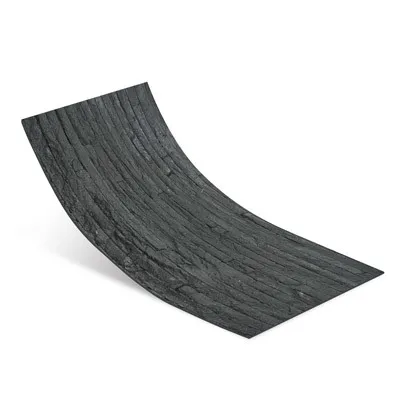
Gone are the days when schools prioritized "neutrality" in design, fearing that bold materials might distract. Modern educational philosophy recognizes that students—especially in an era of digital overload—crave connection to the physical world. They need spaces that feel grounded, real, and alive with texture. This is where material storytelling comes in: choosing surfaces that carry history, depth, and sensory appeal. Dark grey Muretto stone, with its weathered, almost hand-hewn finish, doesn't just cover a wall—it invites touch, sparks questions, and creates a sense of permanence in a world that often feels fleeting. It's a material that says, "This space was built to last, and so were you."

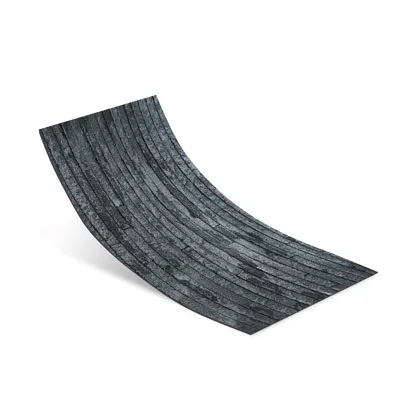
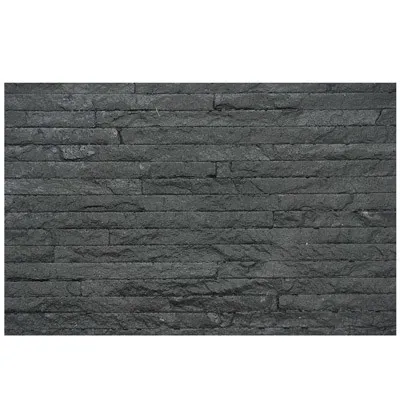
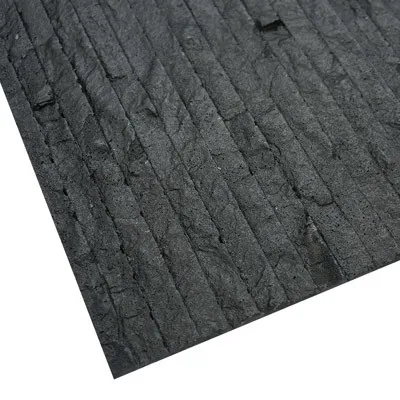
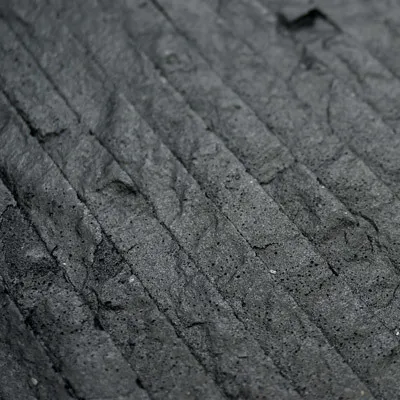
To understand why dark grey Muretto stone has become a favorite in educational design, we first need to know what it is. Muretto stone, at its core, is a reimagined take on traditional masonry—crafted to mimic the look of aged stone walls, yet engineered for modern durability. The dark grey variant, in particular, stands out for its depth: not a flat, lifeless grey, but a rich, nuanced hue with undertones that shift with light. Run your hand along its surface, and you'll feel the subtle ridges and valleys of its texture—rough enough to feel organic, smooth enough to be safe for busy hallways. It's a material that balances the raw beauty of nature with the precision of human craftsmanship, making it ideal for spaces that serve both play and study.
Unlike polished marble or glossy tiles, which can feel cold or sterile, dark grey Muretto stone has a warmth to it. Its color is calming without being monotonous, bold without being overwhelming. Think of it as the "neutral with character"—a backdrop that lets vibrant student artwork pop, yet holds its own as a design feature. It's no wonder that architects are choosing it for everything from classroom accent walls to entire library facades.
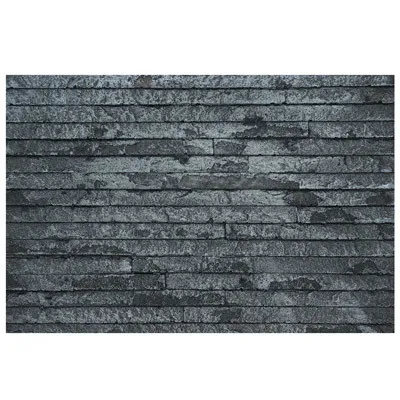
Grey is often dismissed as "boring," but in the context of education, its subtlety is its superpower. Dark grey, specifically, has been linked to feelings of focus and stability—two essential ingredients for learning. In a classroom where students are navigating complex concepts or creative projects, a dark grey Muretto wall doesn't compete for attention; it creates a visual anchor. It's the quiet confidence of a space that says, "You have my support—now go explore." Compare that to stark white walls, which can feel clinical, or bright colors, which may overstimulate. Dark grey Muretto hits the sweet spot: engaging enough to feel intentional, calm enough to foster concentration.
Modern schools are increasingly designed to connect students with nature—a trend rooted in studies showing that exposure to natural elements improves mental health and cognitive function. Dark grey Muretto stone plays into this beautifully. Its texture echoes the weathered rocks of a forest trail or the smooth stones of a riverbed, creating a subconscious link to the outdoors. Pair it with large windows, potted plants, or natural wood accents, and suddenly the classroom feels less like a box and more like a extension of the natural world. It's a small touch, but one that can make a big difference in how students perceive their environment: as a place of growth, not just instruction.
One of the most striking things about dark grey Muretto stone is its versatility. It seamlessly adapts to architectural styles, whether the school is a historic building in need of restoration or a sleek, contemporary structure. In older schools, it complements existing brick or stonework, adding a layer of continuity without feeling like a forced update. In new builds, it adds warmth to minimalist designs, preventing them from feeling too "cold." This adaptability makes it a favorite for renovation projects, where blending old and new is often a priority. For example, when Lincoln Middle School in Portland updated its 1920s-era auditorium, they chose dark grey Muretto stone for the stage backdrop. The result? A space that honors the building's history while feeling fresh and relevant for today's students.
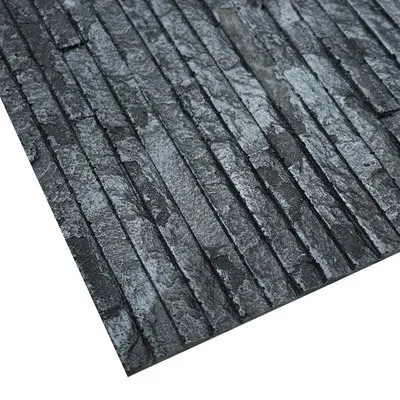
Dark grey Muretto stone is part of a larger family, which includes light grey and beige variants. Each has its own personality, and choosing between them depends on the mood a school wants to create. Let's break down how they differ:
| Muretto Variant | Primary Mood | Ideal For | Complementary Colors |
|---|---|---|---|
| Dark Grey | Calm focus, groundedness | Libraries, science labs, lecture halls | Warm wood tones, soft greens, crisp whites |
| Muretto stone (light grey) | Airy openness, brightness | Art rooms, early childhood spaces, cafeterias | Pastels, natural light, playful accents |
| Muretto stone (beige) | Warmth, nostalgia, comfort | Guidance offices, staff lounges, heritage buildings | Earthy browns, terracotta, muted golds |
For example, a kindergarten might opt for Muretto stone (beige) in its reading nook, creating a cozy, nest-like feel that helps young children feel safe. A high school science wing, on the other hand, could use dark grey Muretto to cultivate an atmosphere of seriousness and focus. And a middle school art studio might lean into Muretto stone (light grey) to keep the space bright and energizing, letting student creativity take center stage. The beauty of the Muretto family is that they can also be mixed: a corridor might feature dark grey on lower walls (resistant to scuffs) and light grey above, creating visual interest without chaos.
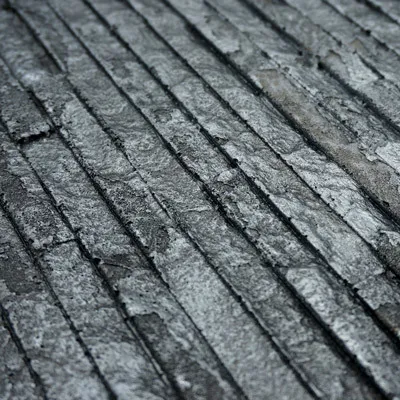
No material exists in isolation, especially in educational design. Dark grey Muretto stone truly shines when paired with other surfaces that enhance its strengths. Let's explore two of its most effective partnerships:
Fair-faced concrete—with its raw, unpolished finish—shares Muretto's love of texture and authenticity. Together, they create a look that's industrial yet inviting, modern yet rooted in tradition. Imagine a makerspace where dark grey Muretto lines the walls and fair-faced concrete forms the countertops. The combination feels robust and creative, perfect for hands-on learning. The key to this pairing is balance: Muretto's warmth softens concrete's coolness, while concrete adds a sleek contrast to Muretto's organic texture. It's a match made for spaces where students are encouraged to build, experiment, and get a little messy.
If there's a material that complements dark grey Muretto's earthiness, it's wood grain board. The warm, golden tones of wood and the deep, moody grey of Muretto create a sensory experience that feels both rustic and refined. Picture a school library: dark grey Muretto walls, wood grain board shelving, and large windows letting in natural light. The space feels like a cabin in the woods—cozy, quiet, and full of stories. Wood adds softness and warmth, while Muretto adds structure and depth. Together, they create an atmosphere that invites students to curl up with a book and stay awhile. It's also a practical pairing: wood grain board (especially when engineered for durability) stands up to heavy use, while Muretto resists scratches and stains. For younger students, this means a space that feels like home; for older students, a space that feels like a retreat from the chaos of daily life.
To see dark grey Muretto stone in action, look no further than Riverton High School, a public school in suburban Chicago that underwent a $12 million renovation in 2023. Prior to the update, the school's common areas were dominated by chipped paint, outdated tiles, and a general sense of neglect. "Students would avoid the hallways during free periods—they felt unwelcoming," says Principal Maria Gonzalez. "We needed a change that would make the school feel like a place students were proud to be in."
The design team, led by architect Lila Patel, proposed dark grey Muretto stone for the main corridor and library. "We wanted something that could handle heavy traffic but still felt warm," Patel explains. "Dark grey Muretto was the answer. It's durable, easy to clean, and the texture adds visual interest without requiring constant upkeep." The corridor, once a drab passageway, now features dark grey Muretto accent walls, paired with wood grain board benches and energy-efficient lighting. The library, previously a sterile space with white walls and metal shelves, now has Muretto-clad columns and a wood grain board circulation desk.
Teachers have noticed a difference too. "In the old library, students would rush in, grab a book, and leave," says English teacher Mr. Harris. "Now, they stay. They talk to each other. They collaborate on projects. The space feels alive. I think the Muretto walls have a lot to do with that—they make the room feel more intentional, like we value reading and learning enough to build something beautiful for it."
While its aesthetic appeal is undeniable, dark grey Muretto stone's popularity in schools isn't just about looks. It's a material that checks all the boxes for practical, high-traffic environments:
Schools are tough on materials. Backpacks scrape walls, desks get pushed around, and spills are inevitable. Dark grey Muretto stone is up to the challenge. Its engineered composition resists scratches, chips, and stains, making it ideal for hallways, classrooms, and even cafeterias. Unlike painted walls, which need repainting every few years, Muretto stone maintains its appearance with minimal maintenance—just an occasional wipe-down with mild soap and water. For budget-strapped school districts, this longevity translates to significant cost savings over time.
Safety is non-negotiable in schools, and dark grey Muretto stone delivers here too. Its textured surface provides grip, reducing the risk of slips in wet areas like entryways. It's also fire-resistant, adding an extra layer of protection in case of emergencies. And because it's non-toxic and low-VOC (volatile organic compounds), it contributes to better indoor air quality—a critical factor for students with allergies or asthma. Unlike some synthetic materials, Muretto stone doesn't off-gas harmful chemicals, making it a healthy choice for enclosed spaces.
Today's schools aren't just educating students—they're teaching them to care for the planet. Dark grey Muretto stone aligns with this mission. Many manufacturers use recycled materials in its production, and its durability means less waste over time (no need for frequent replacements). It's also energy-efficient: its density helps regulate temperature, keeping rooms cooler in summer and warmer in winter, which can lower heating and cooling costs. For schools aiming for LEED certification or other green building standards, Muretto stone is a valuable ally.
At the end of the day, the best measure of a school's design is how it impacts students. Dark grey Muretto stone, in subtle yet powerful ways, enhances the learning experience:
For students with ADHD or sensory processing disorders, the stone's calm color and tactile texture can be grounding. It provides a sensory anchor that helps reduce anxiety and improve focus. Teachers at Riverton High School reported that after the renovation, students in special education classes were better able to stay on task in the Muretto-clad rooms. "It's like the walls themselves are helping them regulate," one teacher noted.
For creative subjects like art and writing, dark grey Muretto stone's neutral backdrop encourages students to project their own ideas onto the space. Unlike busy wallpaper or bright paint, it doesn't impose a mood—it reflects the mood of the students using it. A group of 8th graders at Riverton, when asked to describe the new art room, used words like "inspiring," "calm," and "like a blank canvas." That's the magic of Muretto stone: it supports the work of the people in the space, rather than competing with it.
As schools continue to evolve—adapting to new teaching methods, technologies, and student needs—dark grey Muretto stone is poised to remain a staple of educational design. Its versatility makes it suitable for everything from traditional classrooms to flexible learning pods, makerspaces, and outdoor learning areas. Architects are even experimenting with custom shapes and patterns, using Muretto stone to create interactive walls that double as teaching tools (think: embedded math problems or historical timelines).
Perhaps most exciting is the potential for Muretto stone to bridge the gap between physical and digital learning. In a world where students spend so much time on screens, spaces with authentic, tactile materials like Muretto offer a much-needed counterbalance. They remind students that learning happens not just through pixels, but through touch, sight, and sound. Dark grey Muretto stone, with its rich texture and grounding presence, is more than a building material—it's a partner in education, helping to shape spaces that nurture curious, confident, and connected learners.
Educational design is about more than bricks and mortar. It's about creating spaces that inspire, protect, and empower the next generation. Dark grey Muretto stone, with its blend of beauty, durability, and heart, does exactly that. It's a material that tells a story of strength and resilience—a story that mirrors the journey of every student who walks through a school's doors. Whether paired with wood grain board in a library, fair-faced concrete in a makerspace, or standing alone as a statement wall, dark grey Muretto stone isn't just designing schools—it's helping to design futures. And in a world that needs more thoughtful, grounded, and creative learners, that's a legacy worth building.
Recommend Products












