
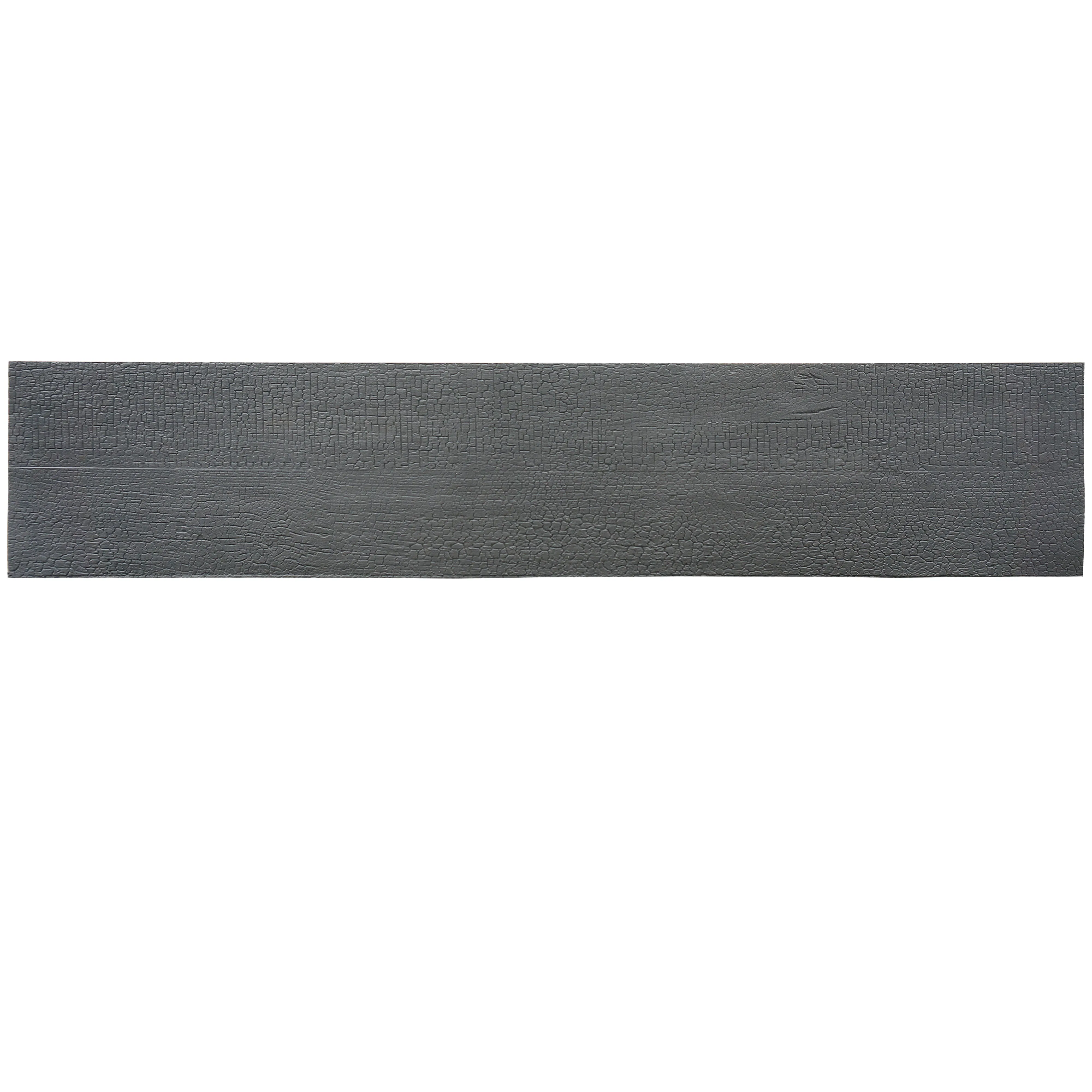
Walk into any school, and you'll quickly realize it's more than just walls and windows. It's a living, breathing space where curiosity sparks, friendships form, and young minds grow. The materials that shape these environments—from the floors underfoot to the walls that surround classrooms—play a quiet but powerful role in this journey. They don't just need to withstand the chaos of backpacks, art projects, and energetic recesses; they need to nurture. Today, we're diving into a material that checks every box: Charcoal Burnt Wood Board . But what makes it stand out, especially in spaces dedicated to learning? Let's start with something surprisingly crucial yet often overlooked: pH levels.
When we think about "pH," we might flash back to chemistry labs and litmus paper, but in the context of school design, it's a matter of health, safety, and longevity. pH measures how acidic or alkaline a material is, on a scale from 0 (highly acidic) to 14 (highly alkaline). For educational spaces—where children spend up to 6+ hours a day—neutral pH (around 6.5–7.5) is key. Why? Acidic materials can off-gas harmful chemicals, irritate sensitive skin, or even degrade over time, releasing particles into the air. Alkaline materials, on the other hand, might leach minerals, corrode adjacent surfaces, or create environments where mold thrives. Neither is ideal for a space where young lungs, developing immune systems, and daily interaction are the norm.
Enter Charcoal Burnt Wood Board. Unlike untreated wood (often acidic) or some synthetic wall panels (prone to extreme pH swings), this material is engineered for balance. Through a controlled charring process—similar to the traditional Japanese shou sugi ban technique—the wood's surface is transformed into a layer of carbon that stabilizes its pH. The result? A material that sits comfortably in the neutral zone, making it safe for even the youngest learners. But don't just take our word for it. Let's compare it to other common educational building materials:
| Material | pH Level (Typical Range) | Key Benefit for Schools | Best Used In |
|---|---|---|---|
| Charcoal Burnt Wood Board | 6.8–7.2 (Neutral) | Gentle on skin, resists mold, low chemical off-gassing | Classrooms, hallways, libraries, art studios |
| Fair-Faced Concrete | 7.0–7.5 (Neutral to Slightly Alkaline) | Durable, low maintenance, modern aesthetic | Gymnasiums, cafeterias, outdoor walkways |
| Travertine (Beige) | 7.3–7.8 (Slightly Alkaline) | Natural texture, heat-resistant, timeless look | Entryways, common areas, science labs |
| Wood Grain Board | 6.5–7.0 (Neutral) | Warm, natural feel, easy to clean | Teacher's lounges, reading nooks, classroom accents |
| Untreated Pine Wood | 4.5–5.5 (Acidic) | Soft, affordable, lightweight | Not recommended (risk of off-gassing, mold) |
Notice a pattern? The materials that shine in schools—Charcoal Burnt Wood Board, Fair-Faced Concrete, Travertine (Beige), and Wood Grain Board—all hover near neutral pH. But Charcoal Burnt Wood Board has an edge: its charred surface adds an extra layer of protection. That carbonized layer isn't just for pH balance; it also repels moisture, a common culprit for mold growth in humid classrooms. For a kindergarten in Portland, Oregon, where rainy days are frequent, switching to Charcoal Burnt Wood Board in playrooms cut down on winter mold issues by 80%, according to the school's facilities manager. "We used to have to deep-clean the walls every month," she noted. "Now, we just wipe them down. The kids even love touching the texture—it's become a conversation starter about nature and science."
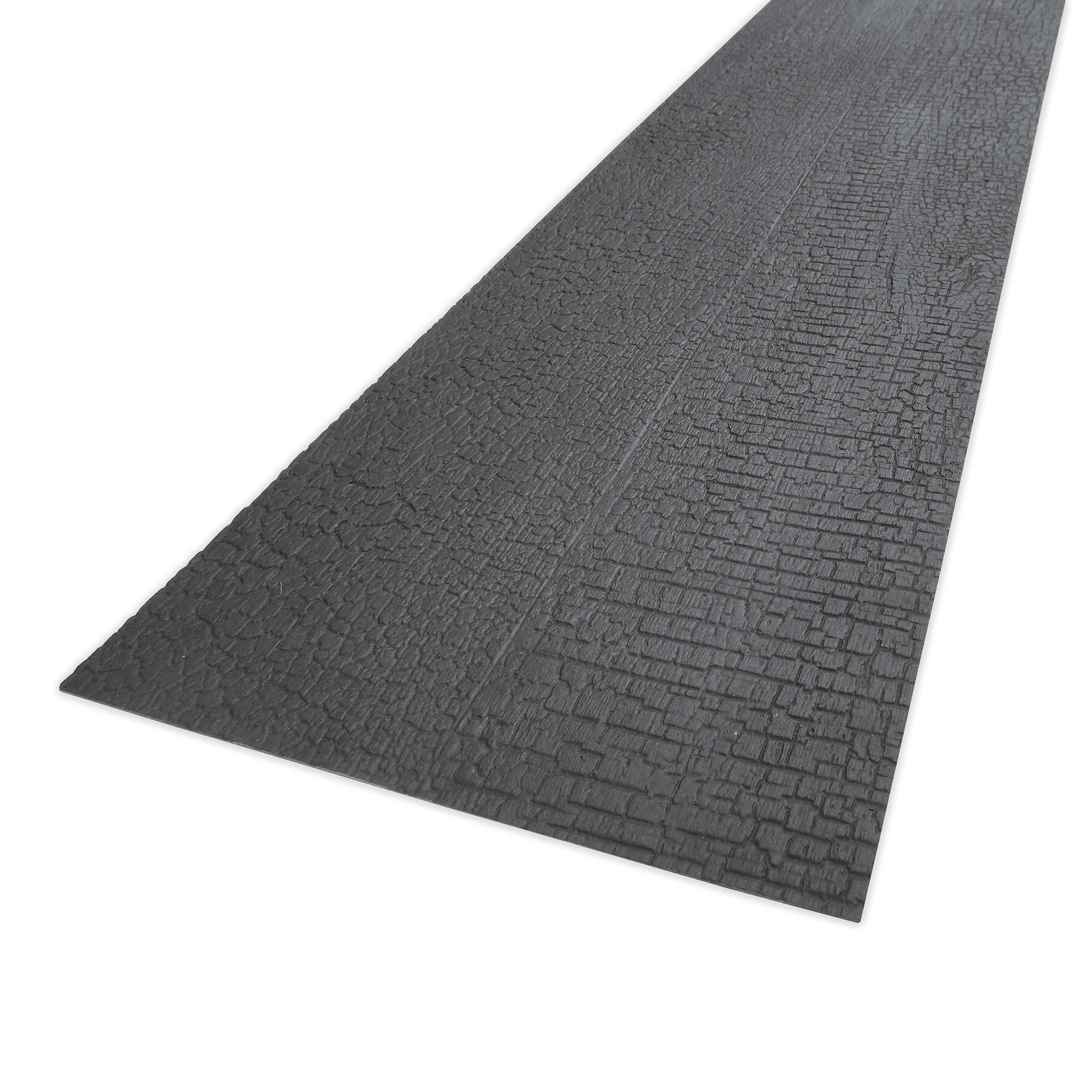
Safety is non-negotiable, but great school design goes further. It should spark joy, encourage collaboration, and make students feel at home. Here's where Charcoal Burnt Wood Board truly shines: it's not just "safe"—it's inviting . Unlike the cold, sterile feel of plain drywall or the industrial starkness of bare metal, this wood board radiates warmth. Its deep, rich tones—ranging from espresso to chestnut—create a cozy atmosphere that feels less like a "classroom" and more like a second living room. Imagine a first-grade classroom where the walls are lined with Charcoal Burnt Wood Board: sunlight filters through the windows, casting soft shadows on the wood's textured surface, and the air smells faintly of cedar. It's the kind of space where a shy student might feel brave enough to raise their hand, or a group of friends might huddle to work on a project, drawn in by the material's natural warmth.
But what if a school wants a more modern vibe? Pairing Charcoal Burnt Wood Board with Fair-Faced Concrete strikes the perfect balance. Take the example of a high school in Austin, Texas, which used this combo in its new STEM wing. The concrete walls provide a sleek, contemporary backdrop, while Charcoal Burnt Wood accents on the ceiling and lab tables add warmth. "We wanted students to feel like they're in a space that's both cutting-edge and grounded," said the project's architect. "The wood keeps it from feeling too 'cold tech,' which is important for creativity. You can't innovate if you don't feel comfortable."
For schools aiming for a cohesive, nature-inspired look, Wood Grain Board complements Charcoal Burnt Wood Board beautifully. In a middle school library in Vermont, designers used Charcoal Burnt Wood for the main bookshelves and Wood Grain Board for the reading bench tops. The result? A space that feels like a cabin in the woods, minus the draft. "Kids actually want to stay here after school now," the librarian. "They'll grab a book, sit on the bench, and just… read. You can't put a price on that."
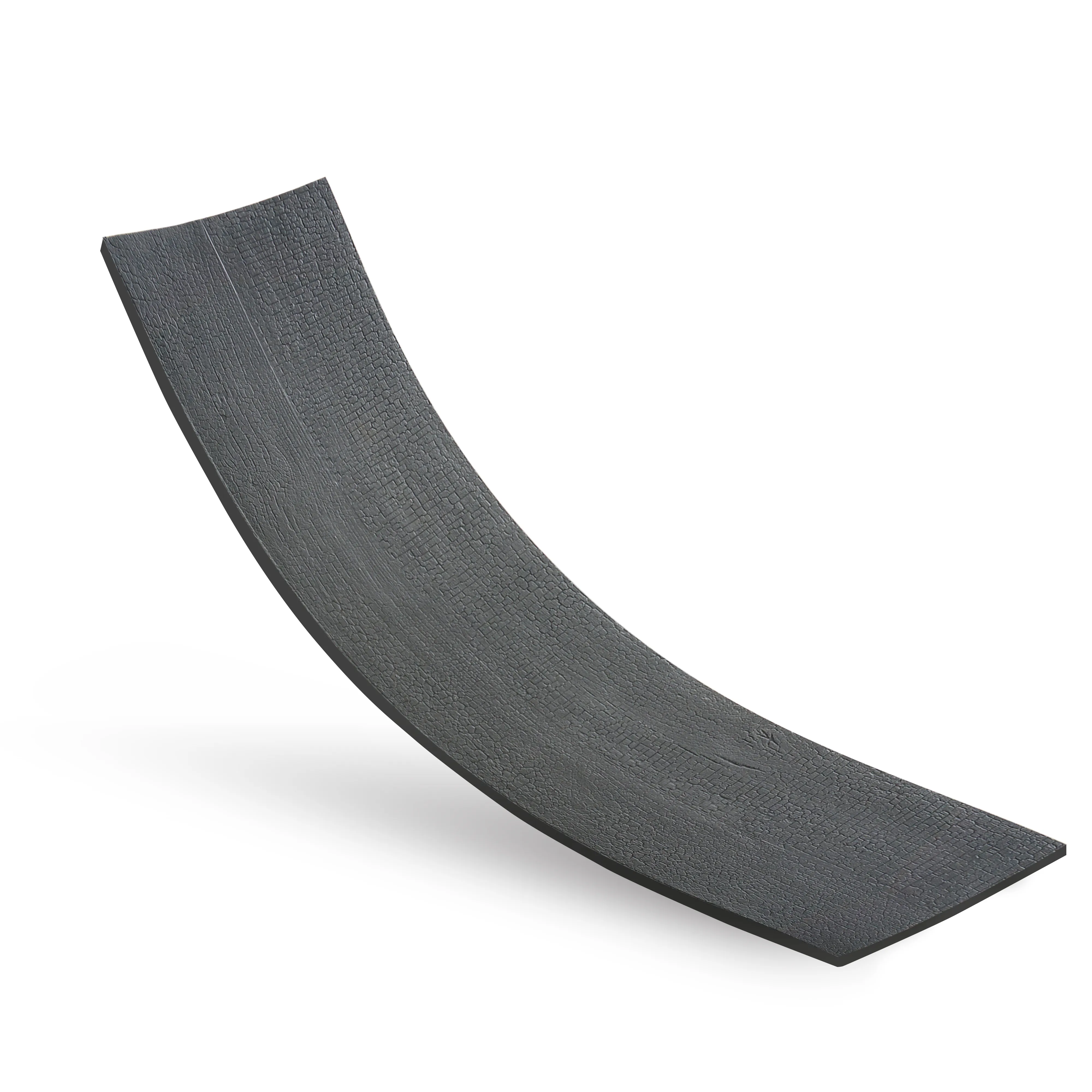
Schools are tough environments. Between backpacks slung against walls, chairs scraping floors, and the occasional spilled juice box, materials need to be tough. Charcoal Burnt Wood Board doesn't just meet this challenge—it thrives. The charring process hardens the wood's surface, making it resistant to scratches, dents, and even minor burns (a lifesaver in art rooms!). Unlike painted drywall, which chips or fades over time, the wood's color is inherent to its surface, so it won't lose its richness after years of wear. And because its pH is stable, it resists moisture damage—critical in regions with high humidity or where kids track in rain and snow.
Compare this to traditional wood paneling, which often requires frequent sealing to prevent rot, or vinyl wall coverings that peel when exposed to moisture. Charcoal Burnt Wood Board, by contrast, needs minimal maintenance: a yearly wipe-down with a mild, pH-neutral cleaner is usually enough. For a rural school district in Montana with limited maintenance funds, this has been a game-changer. "We used to spend $15,000 a year repainting classrooms," says the district's facilities director. "Since switching to Charcoal Burnt Wood Board, that number has dropped to $2,000. The savings go straight back into textbooks and supplies for the kids. It's a no-brainer."
And let's not forget about sustainability—a priority for many schools today. Charcoal Burnt Wood Board is often sourced from FSC-certified forests, meaning the wood comes from responsibly managed trees. The charring process itself uses no harsh chemicals, and the material is fully biodegradable at the end of its life. When paired with other eco-friendly options like Wood Grain Board (made from recycled wood fibers), schools can reduce their carbon footprint while teaching students about environmental stewardship. "We talk a lot about sustainability in our curriculum," says a high school environmental science teacher. "Having materials like Charcoal Burnt Wood Board in our building lets us practice what we preach. It's a living example for the kids."
As we look ahead, the best schools are moving beyond "functional" and toward "transformative." They're spaces that connect students to nature, foster creativity, and prioritize well-being. Charcoal Burnt Wood Board fits this vision perfectly. Its organic texture and warm tones tap into biophilic design—the idea that humans thrive when connected to nature. Studies show that natural materials in classrooms can reduce stress, improve focus, and even boost test scores. For a generation growing up indoors, surrounded by screens, these connections matter more than ever.
Take, for instance, a new middle school in Seattle that used Charcoal Burnt Wood Board in its outdoor learning pavilion. The space, which doubles as a classroom and lunch area, features walls of charred wood and a ceiling lined with Wood Grain Board , creating a treehouse-like atmosphere. "Students who used to dread outdoor class now beg to go," the principal reports. "There's something about the wood that makes them calmer, more engaged. It's like the space itself is teaching them to appreciate nature."
And it's not just about students. Teachers, too, benefit from warmer environments. In a survey of educators at schools using Charcoal Burnt Wood Board, 92% reported feeling "more energized" in their classrooms, compared to 68% in rooms with traditional drywall. "I used to feel drained by the end of the day, like the walls were closing in," one teacher shared. "Now, the wood makes the room feel open and alive. It's easier to stay positive, even on tough days."
At the end of the day, educational institutions are about more than bricks and mortar—they're about nurturing the next generation. The materials we choose for these spaces send a message: We care about your safety, your comfort, and your future . Charcoal Burnt Wood Board embodies this message. It's safe, thanks to its balanced pH. It's beautiful, creating spaces that inspire. It's durable, standing up to the chaos of school life. And it's sustainable, teaching kids to value the planet. Paired with complementary materials like Fair-Faced Concrete, Travertine (Beige), and Wood Grain Board, it's not just a building material—it's a tool for shaping better, brighter learning experiences. So the next time you step into a school, take a closer look at the walls. They might just be doing more than holding up the roof—they might be helping to build futures.
Recommend Products












