
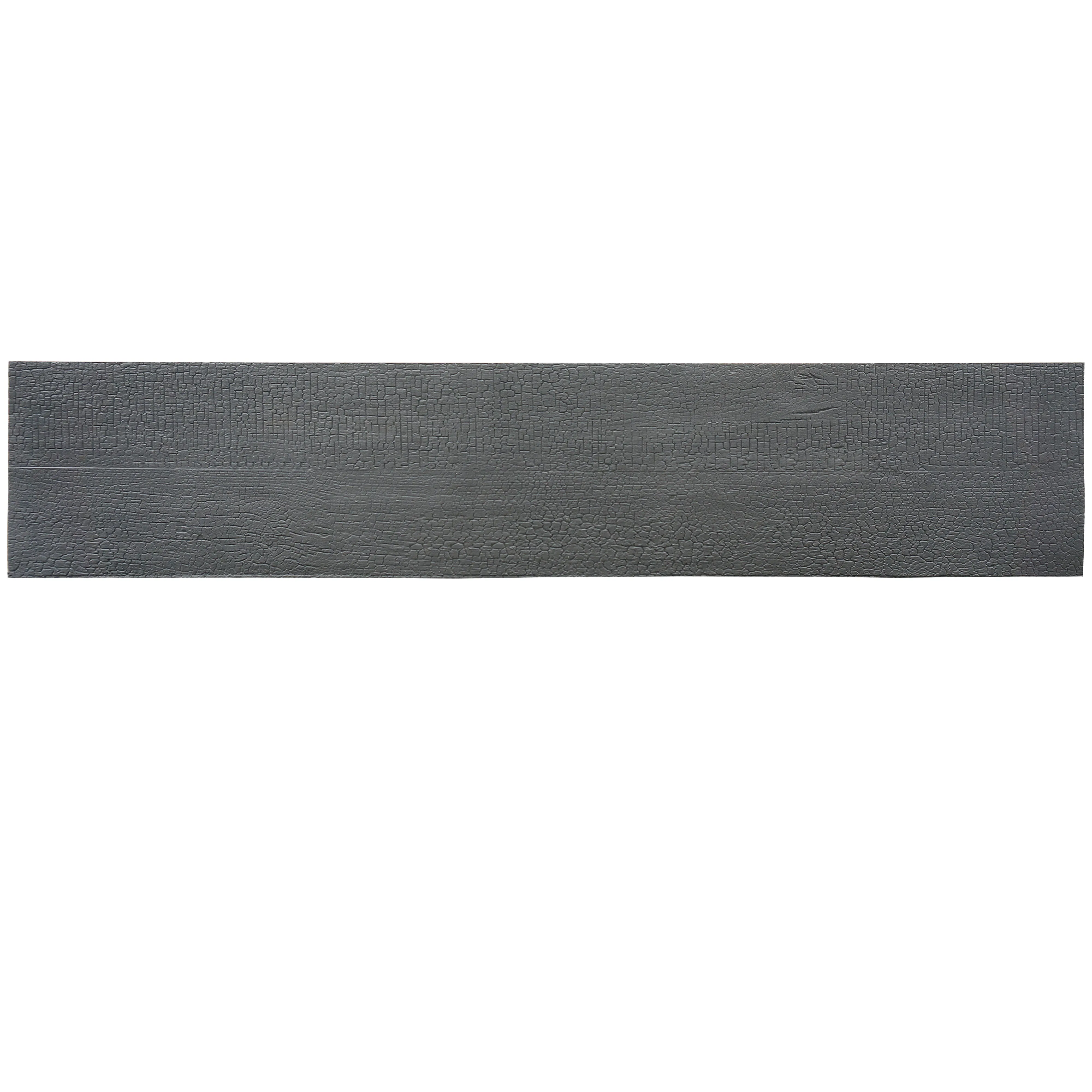
In an era where buildings don't just serve function but tell stories, the materials we choose have become silent narrators. Among the rising stars of sustainable construction, charcoal burnt wood board has carved a niche for itself—not just for its striking, charred aesthetic, but for its ability to blend tradition with modernity. As demand surges across continents, one question looms large for architects, builders, and suppliers alike: how do regional pH standards shape its adoption? Let's dive into the markets where this material is making waves, and the pH benchmarks that keep it anchored in durability and safety.
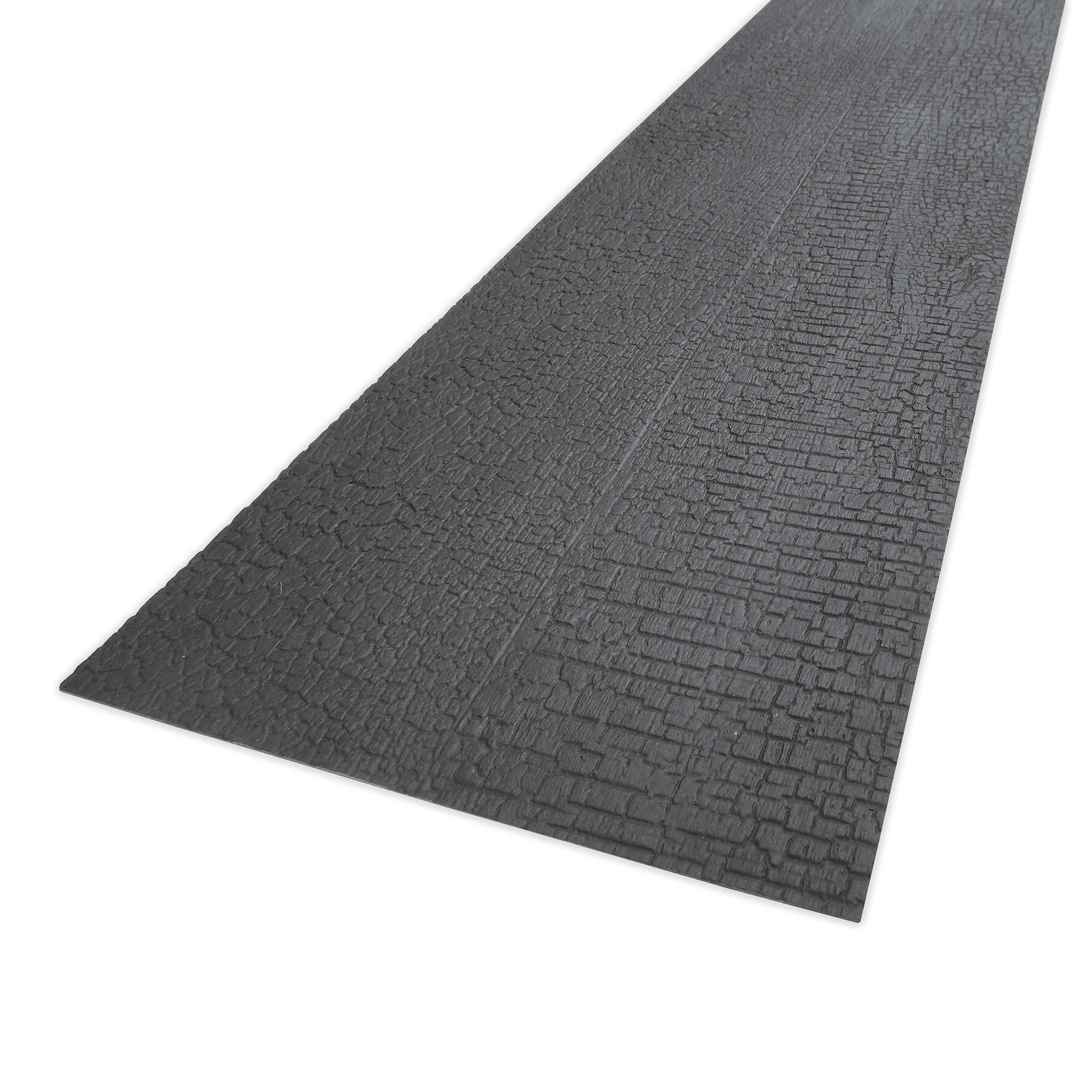
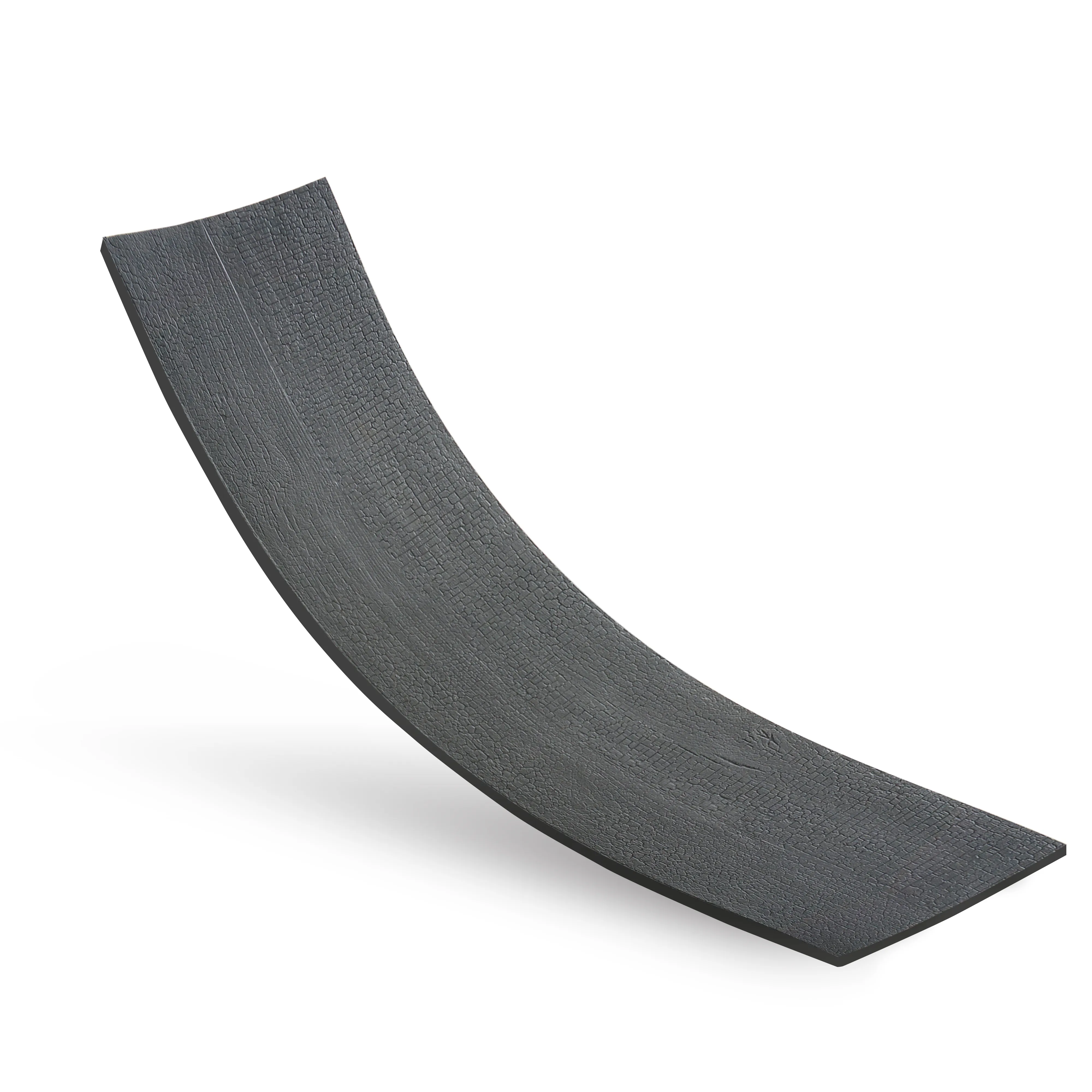
First, let's talk about why charcoal burnt wood board is turning heads. Imagine (oops, scratch that—let's explore ) a material born from ancient Japanese shou sugi ban techniques, where wood is charred to create a deep, textured finish. Today's version takes that heritage and adds modern engineering: resistance to rot, pests, and fire, all while using reclaimed or sustainably sourced timber. It's not just a cladding option; it's a statement. Unlike smooth wood grain board, which leans into natural patterns, charcoal burnt wood board wears its character like a well-tailored suit—bold, intentional, and full of depth.
But here's the catch: wood, even charred wood, is a living material at heart. Its chemical balance, measured by pH, dictates how well it holds up against the elements, interacts with adhesives, and coexists with neighboring materials like fair-faced concrete or bamboo mat board. Get the pH wrong, and you risk warping, discoloration, or even structural weakness. That's why understanding regional pH standards isn't just a box-ticking exercise—it's the key to unlocking this material's full potential in emerging markets.
pH isn't just a term from high school chemistry; it's the backbone of material longevity. For charcoal burnt wood board, a balanced pH (typically between 6.0 and 8.5) ensures it resists mold in humid climates, doesn't corrode metal fasteners, and plays nice with paints or sealants. Go too acidic (below 6.0), and the wood becomes brittle; too alkaline (above 8.5), and it might react with alkaline materials like lime-based mortars. In short, pH is the unsung hero that turns a beautiful material into a reliable one.
Let's zoom into the regions where charcoal burnt wood board is gaining traction, and the pH rules that guide its use.
In countries like Indonesia and Thailand, where humidity levels can hit 90% year-round, charcoal burnt wood board is becoming a favorite for resorts and eco-lodges. Here, the enemy isn't just rain—it's mold. Local standards, often aligned with ASEAN guidelines, lean toward a slightly acidic to neutral pH range (6.0–7.5). Why? A pH below 7.0 creates an environment less hospitable to mold spores, while staying above 6.0 prevents the wood from becoming too brittle in the heat. Builders here often pair it with bamboo mat board, a regional staple, and ensure both materials share similar pH levels to avoid chemical clashes. For example, a recent project in Bali used charcoal burnt wood board (pH 6.8) alongside bamboo mat board (pH 6.5) for a cohesive, nature-inspired facade that's stood strong through monsoon seasons.
Europe has long led the charge in green building, and charcoal burnt wood board fits right into its sustainability narrative. Here, standards like EN 12370 (for wood-based cladding) set the bar high, with pH benchmarks hovering between 6.5–8.0. The focus? Minimizing environmental impact. A neutral pH ensures the wood doesn't leach harmful chemicals into soil or water, aligning with the EU's strict Ecolabel criteria. What's interesting is how often it's paired with fair-faced concrete—a material known for its alkaline nature (pH 12–13). To avoid a chemical tug-of-war, builders opt for charcoal burnt wood board at the higher end of the pH range (7.5–8.0), creating a buffer against the concrete's alkalinity. It's a dance of balance, and one that's paying off in projects like Berlin's "Urban Forest" apartments, where the two materials coexist in harmony.
In the Middle East, where temperatures soar and sandstorms are a fact of life, charcoal burnt wood board is redefining desert architecture. Here, the priority is UV resistance and stability in dry heat, and pH plays a role here too. Local standards, such as those set by the Gulf Organization for Industrial Consulting (GOIC), often recommend a slightly alkaline pH (7.0–8.5). Why? Alkaline conditions help the wood retain moisture (critical in arid air) without becoming a breeding ground for pests. Projects like Dubai's "Oasis Tower" have embraced this, using charcoal burnt wood board (pH 8.0) alongside materials like lunar peak silvery cladding, creating a modern aesthetic that defies the harsh desert environment. The result? A facade that doesn't just look good but lasts —even under the relentless sun.
Across the Atlantic, North America is seeing a surge in charcoal burnt wood board for both residential and commercial spaces. Here, standards are split: ASTM D1037 governs indoor use (think accent walls in lofts), while ASTM E2250 covers outdoor cladding. For indoor applications, pH is stricter (6.0–7.0) to ensure low off-gassing and compatibility with paint. Outdoors, where exposure to rain and snow is a factor, the range widens (6.5–8.0) to combat rot. A standout example? The "Pacific Rim" restaurant in Seattle, which used indoor charcoal burnt wood board (pH 6.5) for its ceiling panels and outdoor cladding (pH 7.8) for its patio walls—proving that adaptability is key to winning over this market.
| Region | Governing Standard | pH Range for Charcoal Burnt Wood Board | Key Considerations |
|---|---|---|---|
| Southeast Asia | ASEAN Guidelines | 6.0–7.5 | Humidity resistance, mold prevention; paired with bamboo mat board |
| Europe | EN 12370 | 6.5–8.0 | Eco-label compliance, compatibility with fair-faced concrete |
| Middle East | GOIC Standards | 7.0–8.5 | UV stability, moisture retention in arid climates |
| North America | ASTM D1037 (Indoor); ASTM E2250 (Outdoor) | 6.0–7.0 (Indoor); 6.5–8.0 (Outdoor) | Low off-gassing (indoor); rot resistance (outdoor) |
As charcoal burnt wood board continues to spread its roots, one thing is clear: pH standards aren't barriers—they're bridges. By tailoring pH levels to regional needs, suppliers can unlock new opportunities. Imagine (again, no— envision ) a future where a single production line can adjust pH to meet ASEAN's 6.0–7.5 for Jakarta, EN's 6.5–8.0 for Paris, and GOIC's 7.0–8.5 for Riyadh. It's not just about selling a product; it's about speaking the language of each market.
And let's not forget the materials it pairs with. Whether it's the warmth of bamboo mat board in Asia, the industrial chic of fair-faced concrete in Europe, or the futuristic sheen of lunar peak silvery in the Middle East, charcoal burnt wood board thrives when its pH dances in step with its partners. It's a reminder that great design isn't just about individual materials—it's about the chemistry between them.
Charcoal burnt wood board isn't just a trend; it's a testament to how tradition and science can collide to create something extraordinary. As it ventures into emerging markets, pH standards will be its compass, guiding it through humidity, heat, and regulation. For builders and architects, understanding these benchmarks isn't just technical—it's creative. It's about knowing that a pH of 7.5 in Dubai isn't just a number; it's the difference between a facade that fades and one that becomes an icon.
So, here's to the charcoal burnt wood board: a material that doesn't just build structures, but bridges cultures, climates, and standards. And to the pH levels that keep it standing? They're not just specs—they're the quiet heroes writing the next chapter in global construction.
Recommend Products












