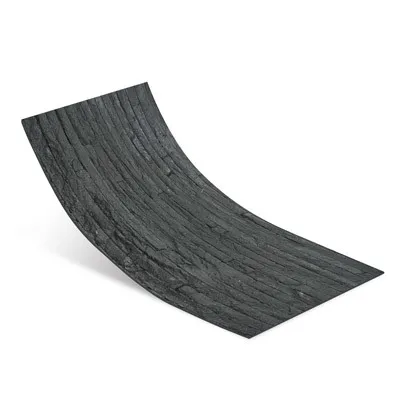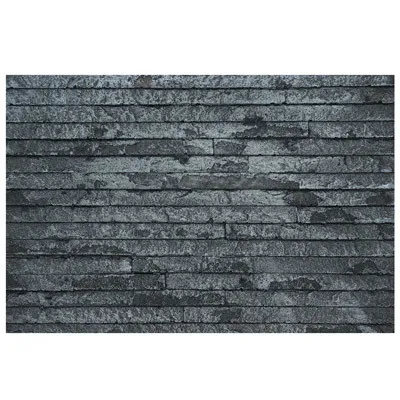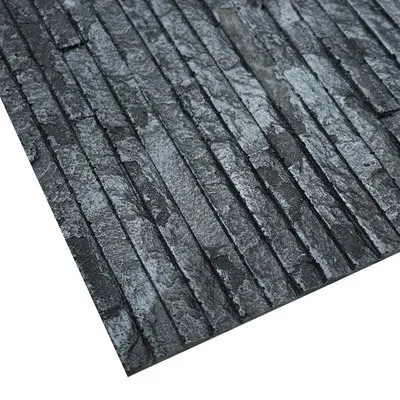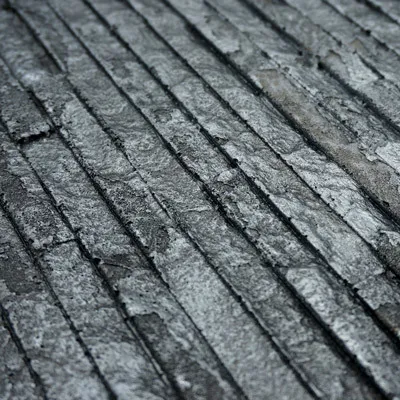
Walk into a boutique hotel lobby, a trendy restaurant, or even a modern home office, and you might find your hand drifting toward a wall—drawn not by curiosity, but by texture. That rough-yet-smooth surface, the deep, moody hue that shifts from charcoal to slate under different lights, the subtle veins that tell a story older than any human structure. Chances are, you're touching Dark Grey Muretto Stone. It's a material that's become synonymous with "industrial chic," a bridge between raw nature and contemporary design. Architects love it for its versatility; homeowners adore it for the warmth it brings to cold, modern spaces. But here's the thing: every time we build with stone, we're not just shaping walls—we're shaping the planet, too. And Dark Grey Muretto Stone, for all its beauty, carries a secret weight: an environmental impact that often stays buried, like the quarries from which it's born.
Before we dive into that, let's get to know this material a little better. Dark Grey Muretto Stone is a type of sedimentary rock, formed over millennia by layers of compressed minerals, organic matter, and time. Its name, "Muretto," hints at its Italian roots—think of sunlit villas in Tuscany, where stone walls have stood for centuries, weathered but unyielding. Today, it's not just for historic homes; it's in skyscraper facades, retail storefronts, and even outdoor patios. Its appeal lies in its duality: it's rugged enough to withstand the elements, yet refined enough to elevate a minimalist interior. But to truly understand Dark Grey Muretto Stone, we need to start at the beginning—where it comes from, and what it takes to bring it from the earth to our walls.