
Walk through any modern city, and you'll likely be surrounded by the timeless elegance of natural stone. From the polished floors of luxury hotels to the rugged facades of heritage buildings, stone has long been a cornerstone of architecture—celebrated for its durability, beauty, and connection to the earth. But behind that beauty lies a hidden cost: the environmental toll of extracting stones like dolomitic stone from the planet. As we strive for more sustainable building practices, it's time to shine a light on the impact of traditional mining and explore the innovative alternatives that let us build beautifully without breaking the planet.
Dolomitic stone, a type of sedimentary rock rich in dolomite mineral (calcium magnesium carbonate), is prized for its versatility. You'll find it in everything from kitchen countertops that withstand hot pans to exterior cladding that ages gracefully, and even in decorative elements that add texture to minimalist spaces. Its neutral tones—think soft greys, warm beiges, and subtle veining—make it a favorite among designers aiming for a blend of sophistication and naturalness. But like many natural resources, its extraction comes with significant environmental consequences.
Mining dolomitic stone isn't just about digging a hole in the ground. It's a process that ripples through ecosystems, communities, and the planet. Let's break down the key impacts:
Deforestation and Habitat Loss: Quarries often carve into natural landscapes, clearing forests, meadows, or wetlands to access stone deposits. This destruction displaces wildlife, from birds and insects to larger mammals, and fragments habitats, making it harder for species to thrive. In some cases, entire ecosystems—like the karst regions where dolomitic stone is commonly found—are irreparably damaged, losing their ability to support biodiversity or regulate water cycles.
Water Pollution and Scarcity: Mining disrupts local water systems in two ways. First, the process of extracting and cutting stone generates massive amounts of sediment, which washes into rivers and streams, clouding the water and smothering aquatic life. Second, quarries often require large volumes of water for dust control and stone processing, depleting local water sources and leaving communities downstream with less access to clean water. Chemicals used in stone treatment, like sealants and polishers, can also leach into groundwater, posing risks to human health.
Carbon Footprint and Energy Use: From blasting rock to transporting heavy slabs across the globe, traditional stone mining is energy-intensive. A single truck carrying dolomitic stone can emit tons of CO2, and processing the stone—cutting, polishing, and finishing—requires electricity, often from fossil fuels. The result? A material that, despite its natural origins, leaves a significant carbon trail before it even reaches a building site.
Waste and Landfill Burden: Mining is inherently wasteful. For every ton of usable dolomitic stone extracted, up to three tons of waste rock and debris are left behind, piling up in quarries or being dumped in landfills. Even during processing, offcuts and broken pieces are often discarded, contributing to the 1.8 billion tons of construction waste generated globally each year.
The good news? The building industry is evolving, and today's innovators are creating materials that mimic the beauty of natural stone without the environmental harm. These alternatives aren't just "eco-friendly"—they're durable, versatile, and often more cost-effective in the long run. Let's explore five standout options that are redefining sustainable construction.
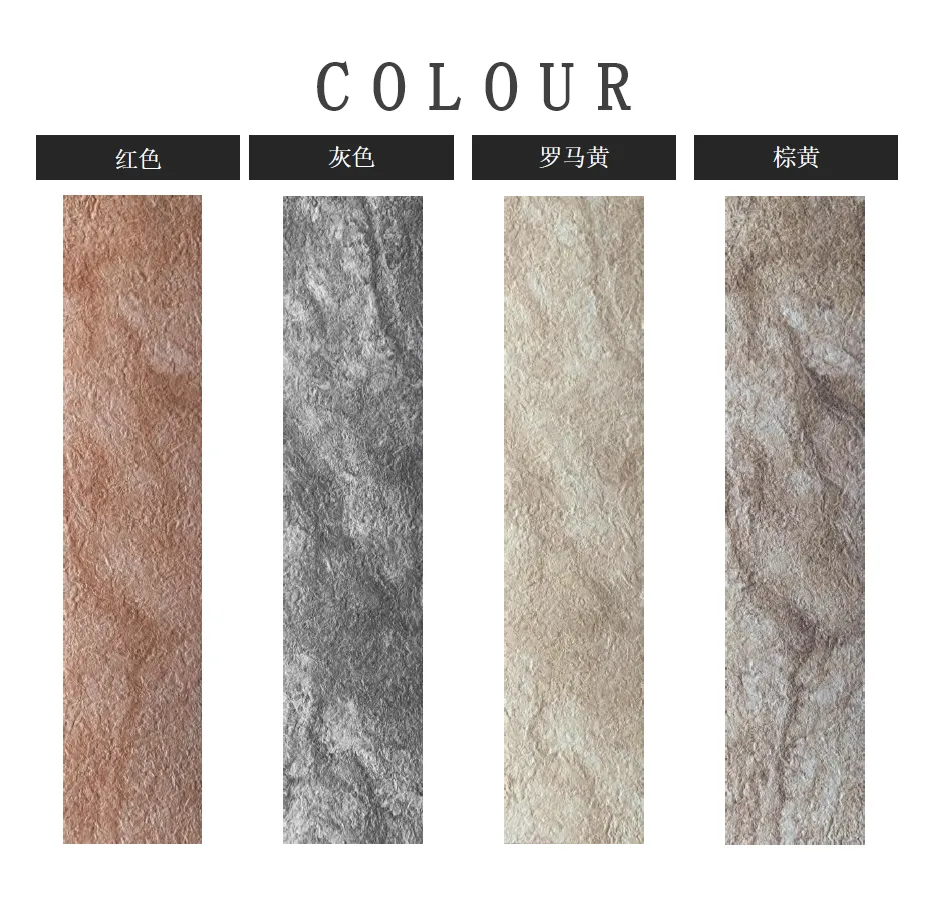
Imagine a material that looks and feels like natural stone but weighs 70% less and uses a fraction of the raw materials. That's MCM flexible stone in a nutshell. Short for "Modified Composite Material," MCM is a game-changer: it combines a ultra-thin layer of natural stone (often just 1-3mm thick) with a lightweight, flexible backing made from recycled polymers or fiberglass. This design means less stone is extracted from quarries, and the reduced weight cuts transportation emissions by up to 50% compared to traditional stone slabs.
But MCM isn't just about sustainability—it's about creativity. Its flexibility lets it bend around curves, wrap columns, or even be applied to uneven surfaces, opening up design possibilities that rigid stone can't match. Architects love it for feature walls, accent panels, and even furniture, where its natural texture adds warmth without the bulk. And because it's resistant to moisture, mold, and UV rays, it lasts for decades, making it a durable choice for both indoor and outdoor use.
For projects that demand a sleek, modern look with industrial edge, foamed aluminium alloy board (vintage silver) is a standout. Made by injecting gas into molten aluminium alloy, this material is 80% lighter than solid aluminium but just as strong. What's more, it's often crafted from recycled aluminium—reducing the need for bauxite mining, which is notoriously destructive to rainforests.
The "vintage silver" finish adds a soft, weathered charm that pairs beautifully with wood, concrete, or glass, making it ideal for facades, ceiling panels, or decorative screens. And unlike stone, it doesn't require sealing or heavy maintenance; a quick wipe with a damp cloth keeps it looking fresh. Its thermal and acoustic insulation properties also make buildings more energy-efficient, lowering heating and cooling costs over time. It's a material that proves sustainability and style can go hand in hand.
Concrete often gets a bad rap for being "cold" or "industrial," but fair-faced concrete is here to change that. This material skips the polished finish of traditional concrete, instead embracing its natural texture—think subtle variations in color, tiny air bubbles, and the of wooden molds. The result? A warm, organic look that rivals stone, but with a fraction of the environmental impact.
Fair-faced concrete's sustainability lies in its simplicity. It requires minimal processing: no cutting, no polishing, just casting and curing. This reduces energy use and waste, and because it's often made with locally sourced aggregates (like recycled crushed stone), it cuts transportation emissions. Its thermal mass also helps regulate indoor temperatures, keeping spaces cool in summer and warm in winter—slashing reliance on HVAC systems. From residential homes to cultural centers, it's a material that celebrates imperfection, proving that "natural" doesn't have to mean "extracted."
For designers craving the warmth of wood but wary of deforestation, wood grain board is a revelation. Made by compressing recycled wood fibers, bamboo, or agricultural waste (like rice husks) with eco-friendly resins, this material mimics the look of oak, maple, or teak with stunning accuracy—down to the knots, grains, and subtle color variations. But unlike solid wood, it doesn't require cutting down mature trees, and it's often certified by organizations like the Forest Stewardship Council (FSC) to ensure responsible sourcing.
Wood grain board is also surprisingly tough. It resists warping, rotting, and insect damage, making it perfect for flooring, cabinetry, or wall paneling in high-moisture areas like bathrooms or kitchens. And because it's available in large sheets, it reduces installation time and waste compared to traditional wood planks. It's a material that lets us bring the outdoors in, without harming the forests that make our planet breathe.
When sustainability meets cutting-edge technology, you get 3D art concrete board . Using 3D printing technology, manufacturers can create intricate patterns—from geometric grids to organic waves—directly in the concrete, eliminating the need for molds and reducing waste by up to 90% compared to traditional casting methods. It's like sculpting with concrete, but with pinpoint precision.
But 3D art concrete board isn't just about looks. It's often mixed with recycled materials, like crushed glass or fly ash (a byproduct of coal power plants), diverting waste from landfills. Its lightweight design also reduces structural load, meaning buildings require less steel and concrete in their frames—further lowering their carbon footprint. Architects are using it for statement walls, staircases, and even outdoor sculptures, where its texture and depth create visual interest that natural stone can't replicate.
| Aspect | Traditional Dolomitic Stone Mining | MCM Flexible Stone | Foamed Aluminium Alloy Board | Fair-Faced Concrete |
|---|---|---|---|---|
| Carbon Footprint | High (extraction, transport, processing) | Low (70% lighter, less stone extraction) | Very Low (recycled materials, minimal processing) | Low (local sourcing, minimal finishing) |
| Waste Generation | High (3 tons of waste per 1 ton of stone) | Low (thin stone layer reduces offcuts) | Very Low (recyclable, minimal production waste) | Low (no polishing/ cutting waste) |
| Habitat Impact | Severe (deforestation, quarrying disruption) | Low (reduced stone extraction) | Very Low (recycled aluminium reduces mining) | Low (local aggregates, no habitat destruction) |
| Durability | High (50+ years) | High (30+ years, moisture/ UV resistant) | Very High (50+ years, corrosion-resistant) | High (50+ years, low maintenance) |
| Aesthetic Versatility | Limited (rigid, uniform texture) | High (flexible, curves and uneven surfaces) | Medium (modern, industrial finishes) | High (natural texture, moldable patterns) |
Choosing materials like MCM flexible stone or foamed aluminium alloy board isn't just good for the environment—it's good for business, too. Green buildings often qualify for certifications like LEED or BREEAM, which boost property values and attract eco-conscious tenants. They also save money over time: lower energy bills, reduced maintenance costs, and longer lifespans mean less spending on repairs or replacements.
But perhaps the biggest benefit is intangible: these materials let us build with intention. They tell a story of responsibility—a commitment to leaving the planet better than we found it. In a world where climate change is reshaping our cities, that story matters. It turns buildings from mere structures into statements of hope, proving that progress and preservation can coexist.
Dolomitic stone has long been a symbol of strength and beauty in architecture, but its cost to the planet is too high to ignore. Today's sustainable alternatives—from MCM flexible stone to 3D art concrete board—show us that we don't have to sacrifice aesthetics for sustainability. These materials are proof that innovation can replicate the warmth, texture, and durability of natural stone while protecting the ecosystems we all depend on.
As builders, designers, and homeowners, we hold the power to shape the future of our built environment. By choosing materials that honor the planet, we're not just building structures—we're building legacies. Legacies of buildings that inspire, endure, and leave room for the earth to thrive. After all, the most beautiful spaces aren't just those that look good—they're those that do good, too.
Recommend Products












