
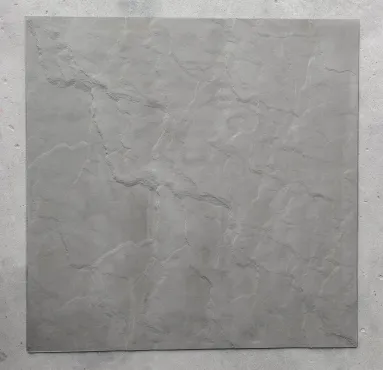
When you choose a material for your building's facade or interior walls, you're making a statement. You're looking for beauty, durability, and a finish that stands the test of time. That's where Epoch Stone Flexible Stone by COLORIA GROUP truly shines. It's more than just a surface; it's an investment in lasting elegance and cutting-edge technology. This revolutionary material brings the timeless beauty of natural stone without its traditional drawbacks, offering unparalleled design freedom for architects, designers, and homeowners alike.
But like any premium investment, a little care goes a long way in preserving its pristine condition and ensuring its performance for decades to come. The great news is that maintaining Epoch Stone is remarkably simple. Its inherent durability and advanced composition mean you won't be spending your weekends on intensive upkeep. This guide is your ultimate resource for everything you need to know about caring for your Epoch Stone surfaces. We'll walk you through simple routines, deep cleaning techniques, and troubleshooting tips, empowering you to keep your walls looking as stunning as the day they were installed.
Before we dive into the 'how-to' of maintenance, let's take a moment to appreciate the 'what'. What exactly is this innovative material that's changing the face of modern construction? Understanding its unique properties is the first step to caring for it correctly.
Epoch Stone is a premier example of MCM Flexible Stone , a groundbreaking product developed by COLORIA GROUP. The 'MCM' stands for Modified Cementitious Material . Unlike heavy, brittle traditional stone or ceramic, MCM is crafted from a unique blend of natural mineral powders, quartz sands, and other inorganic materials, all bound together by a modified polymer. This composite is shaped and cured through a low-energy, non-fired process, making it an outstanding choice for environmentally conscious projects. This is the future of green building materials .
COLORIA GROUP, as a one-stop solution provider with decades of experience in the building materials sector, has perfected this technology to deliver a product that is not only beautiful and versatile but also sustainable and easy to live with. Knowing that your walls are made from such a resilient and thoughtfully engineered material makes the simple maintenance steps we're about to cover even more rewarding.
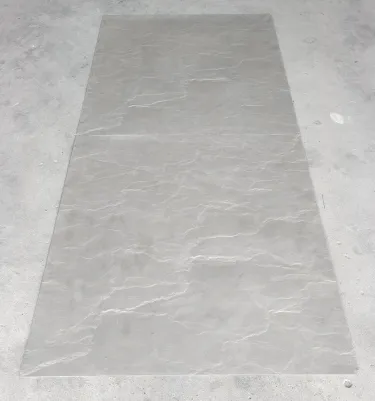
The secret to long-term, low-effort maintenance begins before you even start cleaning. A high-quality installation and a few preventative measures will save you countless hours down the road and are crucial for the longevity of your Epoch Stone surfaces.
The performance of any cladding or wall finish is only as good as its installation. We can't stress this enough. Always ensure that your Epoch Stone is installed by qualified professionals who follow COLORIA GROUP's specific guidelines. This includes:
Once the installation is complete and the adhesive and grout have fully cured (as per the manufacturer's instructions), a simple initial clean is required. This involves wiping down the surface with a damp cloth or sponge to remove any light dust or haziness from the grouting process. Avoid using any harsh chemicals or acidic cleaners at this stage.
A Note on Sealants: Epoch Stone Flexible Stone is inherently water-resistant and stain-resistant. For most standard applications, a sealant is not strictly necessary. However, in high-traffic areas, kitchens (as backsplashes), or in environments with high levels of pollution or potential for staining (like commercial exteriors in dense urban areas), applying a high-quality, breathable, penetrating sealant is a wise preventative measure. This creates an invisible shield that makes cleaning even easier and provides an extra layer of defense against oil and tough stains. Always use a sealant specifically approved for MCM products and test it on a spare piece or an inconspicuous area first.
Get into the habit of visually inspecting your walls every few months, and especially after severe weather like heavy rainstorms or high winds. Look for any potential issues like dirt accumulation in corners, early signs of organic growth in constantly damp and shaded areas, or any damage to grout joints. Catching these things early is the essence of preventative maintenance.
This is where the low-maintenance nature of Epoch Stone truly becomes apparent. For the vast majority of its life, all your surfaces will need is a simple, gentle clean to remove the dust and grime of daily life.
The frequency depends entirely on the location and exposure of the surface.
The keyword here is 'gentle'. You don't need an arsenal of harsh chemicals or abrasive tools.
Follow these simple steps for a perfect, gentle clean every time.
Occasionally, you may encounter more stubborn dirt or specific types of stains that routine cleaning can't handle. Don't worry, the robust nature of Epoch Stone MCM Flexible Stone means that even these can be managed effectively with the right approach.
For large exterior surfaces, a pressure washer can be a useful tool for deep cleaning, but it must be used with extreme caution. Improper use can damage the surface of the material or, more likely, the grout joints. If you choose to use a pressure washer, follow these rules without exception:
When in doubt, it's always safer to use a soft brush and garden hose.
The key to stain removal is to act as quickly as possible and to use the right cleaner for the specific type of stain. Always, always test any cleaning agent on a small, hidden area first to ensure it doesn't cause any discoloration.
Golden Rule of Stain Removal: Always start with the gentlest method first (water and a cloth). Only escalate to stronger cleaners if necessary. After using any chemical cleaner, rinse the area thoroughly with clean water.
Here is a comprehensive table to guide you through removing common stains from your Epoch Stone surfaces.
| Stain Type | Recommended Cleaning Agent | Method |
|---|---|---|
| Organic Stains (Algae, Moss, Mildew, Lichen, Leaf Stains, Bird Droppings) | 1. pH-neutral soap and water.2. Diluted solution of household bleach (1 part bleach to 10 parts water).3. Specialized commercial algae/mildew remover. | First, try scrubbing with soap and water. If that fails, apply the diluted bleach solution or commercial cleaner with a sprayer or sponge. Let it sit for 10-15 minutes (but don't let it dry), then gently scrub with a soft brush. Rinse the area thoroughly with clean water. |
| Oil & Grease (Food, Cooking Oil, Motor Oil, Suntan Lotion) | 1. Commercial degreaser for stone/masonry.2. Poultice (a paste made of an absorbent material like baking soda or diatomaceous earth mixed with a solvent). | For fresh spills, blot immediately to absorb as much as possible. Apply the degreaser according to its instructions. For set-in stains, a poultice is very effective. Mix the powder with a solvent (like acetone or a commercial degreaser) to form a thick paste. Apply it to the stain, cover with plastic wrap, and tape the edges. Let it sit for 24-48 hours to draw the oil out. Scrape off the dried paste and clean the area. |
| Rust (from metal furniture, fixtures, or mineral-rich water) | Commercial rust remover specifically formulated for masonry and stone. | Rust stains are difficult. Do not use household products which can make it worse. Purchase a non-acidic, pH-neutral rust remover gel. Apply it thickly to the stain, let it work for the time specified by the manufacturer (it may change color as it lifts the rust). Scrape it off and rinse thoroughly. Repeat if necessary. |
| Efflorescence (White, powdery mineral salt deposits) | 1. Stiff, non-metallic brush (dry).2. Water and a brush.3. Specialized efflorescence remover (last resort). | This is caused by water migrating through the masonry and depositing salts on the surface. First, try to remove it by dry-brushing with a stiff nylon brush. If that doesn't work, scrub with water and a brush. If the problem is persistent, it indicates an underlying moisture issue that should be addressed. Acidic cleaners should be avoided as they can etch the surface. |
| Paint & Graffiti | 1. Latex paint: specific latex paint removers.2. Oil-based paint/spray paint: Graffiti remover for sensitive surfaces. | Act quickly. For latex paint, use a designated remover and a plastic scraper. For graffiti, use a gel-based remover that clings to the surface. Apply, let it dissolve the paint, and then wipe/scrub off. These solvents can be harsh, so test in a hidden spot first and ensure good ventilation. Rinse thoroughly afterward. |
| Beverages (Wine, Coffee, Juice) | 1. pH-neutral soap and water.2. Diluted hydrogen peroxide (for light-colored stone only). | Blot fresh spills immediately. Clean with soap and water. For stubborn stains on lighter colored Epoch Stone, you can apply a cloth soaked in a diluted solution of hydrogen peroxide directly to the stain. Let it sit for a short time, then rinse very well. |
Epoch Stone is exceptionally tough, but in the real world, accidents can happen. A stray piece of furniture, an errant tool, or an unexpected impact could potentially cause minor damage. The good news is that small repairs are often straightforward.
One of the major advantages of Epoch Stone is its through-body color. Unlike a ceramic tile with a printed surface, the color and pattern run all the way through the material. This means that minor scratches are much less visible than they would be on other materials.
For light scuffs, a simple cleaning with a pH-neutral cleaner and a soft brush is often all that's needed to remove the mark. For a slightly deeper scratch, you can try gently rubbing the area with the textured side of a spare piece of the same MCM Flexible Stone material. This can sometimes blend the scratch back into the surrounding texture. Using sandpaper is generally not recommended as it can alter the texture, but if you must, use a very fine-grit (600+) wet-and-dry paper, use it wet, and apply only the lightest pressure on a test area first.
If a corner or edge suffers a small chip, it can be easily repaired using color-matched repair compounds or grouts available from COLORIA GROUP. The process is similar to repairing a chip in a countertop:
The grout joints are an integral part of the wall system. During your regular inspections, pay attention to the grout. Look for any cracks, voids, or areas where the grout may be crumbling. Damaged grout on an exterior wall can provide a pathway for water to get behind the panels, which can lead to bigger problems. If you find small areas of damaged grout, you can carefully rake out the old grout and re-grout the joint using the recommended product, ensuring a continuous, weatherproof seal.
Your Epoch Stone wall is a long-term feature of your property. The simple maintenance routines we've discussed are your key to ensuring it remains a source of pride for years, even decades.
Think of maintenance not as a chore, but as a way to connect with and preserve the value and beauty of your investment. By following this guide, you're not just cleaning a wall; you're caring for a sophisticated piece of material science that enhances your living or working space. The durability of the Modified Cementitious Material means that your efforts will be rewarded with a facade that resists fading, cracking, and aging, looking vibrant and contemporary for an exceptionally long time.
This commitment to longevity and performance is at the core of the COLORIA GROUP philosophy. With a presence in markets from Asia to our dedicated agency in Saudi Arabia, we understand the demands that different climates place on building materials . Epoch Stone was engineered to excel in all of them. Its inherent resistance to heat, cold, and moisture, combined with these simple maintenance tips, guarantees a high-performance, aesthetically pleasing finish you can rely on.
In conclusion, Epoch Stone Flexible Stone is designed for beauty, engineered for performance, and built for life. Its low-maintenance requirements are a testament to its quality. By embracing a simple philosophy of preventative care, gentle routine cleaning, and prompt attention to any specific issues, you ensure that your architectural vision remains as striking and impressive as the day it was realized. You chose a superior material; now, with this knowledge, you can give it the superior care it deserves.
Recommend Products












