
In the ever-evolving world of architecture and design, material choices play a pivotal role in defining not just the aesthetics but also the functionality, sustainability, and longevity of a structure. For centuries, rigid cladding materials like natural stone, ceramic tiles, and precast concrete have been the go-to options for both interior and exterior finishes. Their robustness, classic appeal, and perceived durability have made them mainstays in residential and commercial projects alike. However, as design sensibilities shift, environmental concerns grow, and construction techniques advance, a new contender has emerged: flexible stone. Epoch Stone Flexible Stone, in particular, represents a significant leap forward in this category, offering a compelling alternative that often outperforms its rigid counterparts in a multitude of scenarios.
This article delves deep into the comparison between traditional rigid cladding and the innovative Epoch Stone Flexible Stone, helping architects, designers, contractors, and project owners understand when to choose flexibility . We'll explore the unique properties of flexible stone, its advantages in various applications, and how it aligns with modern construction demands, especially for those seeking advanced architectural solutions that prioritize aesthetics, performance, and eco-friendliness.
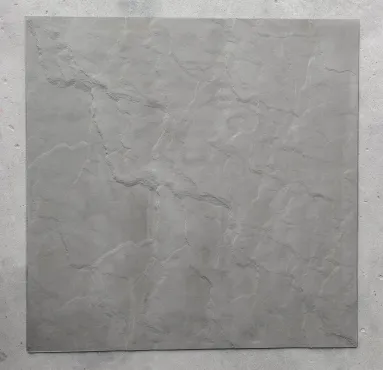
Before we pit them against each other, let's first get a clear picture of what Epoch Stone Flexible Stone truly is. Part of the broader MCM (Modified Cementitious Material) series, Epoch Stone Flexible Stone is an innovative building material that redefines what's possible with surface finishes. Unlike traditional stone which is quarried, cut, and polished, our flexible stone is manufactured using a unique process that transforms natural aggregates, mineral powders, and a polymer binder into a surprisingly lightweight, thin, and pliable sheet.
This isn't just about mimicry; it's about enhancement. Epoch Stone Flexible Stone captures the authentic look and feel of natural stone, wood, brick, or even leather, but without the inherent limitations of those materials. The key to its revolutionary properties lies in its formulation, making it an advanced type of MCM materials . This composition allows for unparalleled flexibility, making it adaptable to curved surfaces, intricate designs, and challenging architectural elements where rigid materials simply cannot go or would require immense effort and cost. Its core attributes make it a leading choice among contemporary eco-friendly building materials .
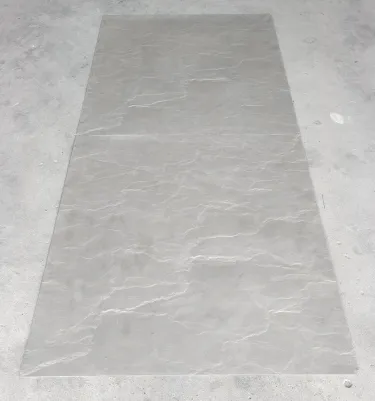
Before we fully embrace the future, it's important to acknowledge the merits of traditional rigid cladding. Materials like granite, marble, porcelain tiles, and large format concrete panels have dominated the construction industry for good reason. They offer:
Rigid cladding remains an excellent choice for projects where absolute solidity and a very specific, often traditional, aesthetic are paramount, and budget and structural limitations are less of a concern. For instance, grand lobbies, monumental facades, or flooring in high-traffic areas where maximum impact resistance is required might still lean towards traditional rigid materials.
Now, let's get to the core of the matter. When do you opt for the established path, and when does flexibility become your greatest asset? The comparison is multifaceted, touching upon design, installation, performance, cost, and environmental impact. Our goal is to provide a comprehensive overview to inform your decision-making for interior and exterior finishes .
Rigid Cladding: Traditional materials offer a classic, often opulent look. However, their rigidity limits their application to flat or gently curved surfaces. Achieving complex geometries requires intricate cutting, multiple pieces, and extensive grouting, which can interrupt the visual flow and add significant cost and waste. The range of textures is defined by the stone's natural properties or the tile's manufacturing process.
Epoch Stone Flexible Stone: This is where flexibility truly shines. Imagine wrapping a column in a seamless stone texture, creating curved feature walls without visible joints, or applying a realistic wood grain finish to an archway. Epoch Stone Flexible Stone allows for unprecedented design freedom. Its ability to conform to almost any shape means continuous surfaces, minimal seams, and the realization of complex architectural visions that were previously impossible or prohibitively expensive. The advanced manufacturing process also allows for an extensive range of textures and colors, from rugged slate to smooth marble, rough concrete to warm wood, offering unparalleled customization to match any design palette. It provides an authentic aesthetic without the weight and rigidity.
Rigid Cladding: Installation of rigid cladding is notoriously labor-intensive, time-consuming, and often requires specialized equipment and highly skilled masons. The weight of the materials necessitates robust substructures, adding to engineering and material costs. Cutting natural stone produces significant dust and waste, and precise alignment of heavy pieces is a challenge. Breakage during transport and installation is also a common and costly issue.
Epoch Stone Flexible Stone: The difference here is dramatic. Epoch Stone Flexible Stone is incredibly lightweight, reducing the need for heavy machinery and reinforced structures. Its thin profile and flexibility make it easy to cut with standard tools (like scissors or utility knives) and adhere to almost any substrate using a specialized adhesive. This significantly reduces installation time, labor costs, and project timelines. The minimal waste generation and reduced need for specialized skills further contribute to overall cost savings. Its ease of handling also translates to less breakage and faster progress on-site. For large-scale projects, these efficiencies can lead to substantial budget and schedule benefits.
Rigid Cladding: The substantial weight of natural stone, porcelain, or concrete panels places immense demands on a building's structure. This often requires heavier foundations, stronger load-bearing walls, and more complex engineering, increasing both material costs and construction time. For renovation projects, adding rigid cladding might even necessitate structural reinforcement, which is a major undertaking.
Epoch Stone Flexible Stone: Being dramatically lighter (often less than 5 kg per square meter compared to 30-50 kg for rigid stone), Epoch Stone Flexible Stone minimizes structural load. This is a critical advantage, especially for high-rise buildings, renovation projects where existing structures have limited load-bearing capacity, or even modular and prefabricated construction. Reduced weight means less material used in the supporting structure, less fuel for transportation, and easier handling on-site, contributing to a safer and more efficient construction process. This is particularly relevant when considering large-scale architectural solutions .
Rigid Cladding: While inherently durable, rigid materials can be prone to cracking under extreme impact or thermal expansion/contraction if not properly installed with expansion joints. Grout lines in tiles are susceptible to staining, mold growth, and deterioration over time, requiring regular cleaning and re-grouting. Natural stone often requires sealing to protect against stains and moisture.
Epoch Stone Flexible Stone: Epoch Stone Flexible Stone is engineered for impressive durability. Its inherent flexibility helps it withstand impacts better than brittle rigid materials, absorbing rather than cracking. It is highly resistant to UV rays, extreme temperatures, frost, and chemicals. The lack of extensive grout lines (or very thin ones) reduces maintenance burdens significantly. Furthermore, its breathable nature helps prevent moisture entrapment, reducing the risk of mold and efflorescence. It's a low-maintenance solution designed for long-term performance in various climates, making it an ideal choice for durable exterior finishes .
Rigid Cladding: Natural stone quarrying can be environmentally disruptive, involving significant energy consumption, habitat destruction, and waste generation. Transportation of heavy materials over long distances contributes to carbon emissions. Manufacturing of ceramic tiles and concrete also consumes substantial energy.
Epoch Stone Flexible Stone: Our commitment to sustainability is at the core of Epoch Stone Flexible Stone. As part of our MCM series, it's designed to be an eco-friendly building material .
Choosing Epoch Stone Flexible Stone is not just a design decision; it's a responsible choice for the planet.
Rigid Cladding: The weight and brittleness of rigid cladding materials pose certain safety risks during installation. Heavy lifting equipment is often required, and the risk of falling pieces or injuries from sharp edges is higher. In seismic zones, rigid cladding can be more susceptible to detachment or shattering.
Epoch Stone Flexible Stone: Its lightweight and flexible nature inherently makes it safer to handle and install. Workers face fewer risks associated with heavy lifting, and the material is less likely to break or cause injury during application. In the event of an earthquake, its flexibility allows it to move with the building structure to a certain extent, reducing the risk of falling debris compared to rigid, heavy panels. This enhanced safety extends throughout the building's lifecycle.
Given its impressive array of advantages, Epoch Stone Flexible Stone is an outstanding choice for a wide variety of projects, offering superior architectural solutions .
To make the decision even clearer, here's a concise comparison of Epoch Stone Flexible Stone and rigid cladding across various critical factors:
| Feature | Epoch Stone Flexible Stone | Rigid Cladding (e.g., Natural Stone, Porcelain) |
|---|---|---|
| Material Composition | Modified Cementitious Material (MCM) – Natural aggregates, mineral powders, polymer binder. | Natural stone (granite, marble), ceramic/porcelain, concrete, glass. |
| Flexibility | Highly flexible, conforms to curved and irregular surfaces. | Rigid, limited to flat or gently curved surfaces; prone to cracking on bending. |
| Weight | Extremely lightweight (approx. 3-6 kg/sqm). Reduces structural load. | Very heavy (approx. 30-80 kg/sqm). Requires significant structural support. |
| Thickness | Very thin (1-5 mm). Ideal for overlays and space-saving. | Thicker (5-30 mm or more). Adds bulk and weight. |
| Installation | Fast, easy, less labor-intensive. Can be cut with simple tools. Adhered with adhesive. Minimal waste. | Slow, labor-intensive, requires specialized tools and skilled labor. Extensive cutting, grouting, and securing. Significant waste. |
| Design Freedom | Exceptional. Enables seamless applications on complex shapes, curves, and unique designs. Wide range of textures/colors. Supports customization . | Limited to flat or simple forms. Difficult and costly for curves. Visuals dictated by natural patterns or manufacturing molds. |
| Durability & Resistance | High resistance to impact, abrasion, UV, weather, moisture. Breathable. Less prone to cracking due to flexibility. | Durable against wear, but brittle to impact. Grout lines can degrade. Some natural stones require sealing. |
| Maintenance | Low. Fewer grout lines, easy to clean. Long-lasting. | Moderate to High. Grout cleaning, sealing for natural stone, potential for re-grouting. |
| Environmental Impact | Low carbon footprint. Made from natural/recycled materials, low energy consumption in production, reduced transportation emissions. Eco-friendly building materials . | Higher carbon footprint. Quarrying, high energy production (tiles/concrete), heavy transport, significant waste. |
| Cost (Materials + Installation) | Often more cost-effective due to lower material costs, significantly reduced installation labor, and less structural reinforcement needed. | Generally higher due to material cost, high labor cost, and need for robust structural support. |
| Ideal Applications | Exterior facades (especially renovations, high-rises), interior feature walls, curved surfaces, columns, ceilings, overlays, modular construction, custom artistic designs. Seeking versatile architectural solutions . | Traditional grand facades, monumental structures, high-impact flooring (specific types), where extreme rigidity and mass are desired. |
The choice between Epoch Stone Flexible Stone and rigid cladding is not always about one being definitively "better" than the other, but rather about selecting the most appropriate solution for specific project demands and design aspirations. However, for a growing number of modern architectural challenges, the advantages of flexibility, lightweight design, sustainability, and ease of installation make Epoch Stone Flexible Stone a superior and often more economical choice.
Our company, a one-stop solution provider with decades of experience in architectural materials, has always been at the forefront of innovation. We understand the nuances of both traditional and cutting-edge materials, and our commitment to high-quality MCM materials like Epoch Stone Flexible Stone is a testament to our belief in sustainable, high-performance solutions for both residential and commercial projects. With a global presence, including a strong agency in Saudi Arabia, we are equipped to support projects of any scale, anywhere.
The architectural landscape is continually evolving, driven by demands for greater efficiency, aesthetic versatility, and environmental responsibility. Rigid cladding materials have served us well for generations, establishing benchmarks for durability and classic beauty. Yet, Epoch Stone Flexible Stone represents a new paradigm, offering solutions to contemporary construction challenges that rigid materials cannot address as effectively or economically.
When your project calls for:
Then, the choice is clear: it's time to choose flexibility. Epoch Stone Flexible Stone is not just a product; it's an invitation to innovate, to design without boundaries, and to build responsibly for the future. It allows you to achieve the authentic look and feel of premium natural materials with the performance benefits of advanced engineering. By integrating Epoch Stone Flexible Stone into your next project, you're not just selecting a material; you're choosing a smarter, more sustainable, and infinitely more creative path forward.
Recommend Products












