
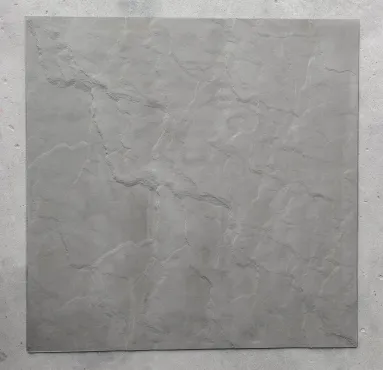
When we think about designing schools, universities, or libraries, our minds often jump to classrooms, technology, and learning spaces. But what about the very walls that enclose these environments? The physical structure of an educational facility does more than just provide shelter; it plays a crucial role in student safety, well-being, and even inspiration. The choice of building materials, especially for wall cladding, is a foundational decision that impacts everything from fire safety and air quality to long-term maintenance budgets and the overall learning atmosphere.
For decades, architects and administrators have navigated a complex trade-off between cost, durability, and aesthetics. Traditional materials often force a compromise on one front to satisfy another. Today, however, a new generation of materials is rewriting the rules. Enter Epoch Stone by COLORIA GROUP, a revolutionary product line rooted in advanced Modified Cementitious Material (MCM) technology. It's not just another wall panel; it's a comprehensive system designed to meet the unique, multifaceted demands of modern educational environments. This article delves into why Epoch Stone is rapidly becoming the gold standard for safe, durable, and inspiring cladding solutions in schools and universities worldwide.
Safety is, without question, the non-negotiable cornerstone of any educational institution. This extends beyond security protocols to the very fabric of the building itself. The materials chosen for walls, both inside and out, must create a fundamentally secure and healthy space for students, faculty, and staff. Epoch Stone was engineered with this principle at its core, addressing safety on three critical fronts: fire resistance, physical resilience, and occupant health.
The threat of fire is a primary concern in any public building, but it takes on a heightened sense of urgency in a school filled with children. Building codes rightly impose strict standards for fire safety, and materials play a leading role. Many conventional wall coverings, from certain types of wood paneling to vinyls and laminates, can contribute to flame spread and release toxic smoke when burned.
Epoch Stone provides a powerful countermeasure. Derived from natural inorganic materials like soil and mineral powders, it boasts a Class A fire rating—the highest classification available. This means it is non-combustible and will not contribute to the spread of a fire. In the event of an emergency, this property is invaluable. It helps to contain the fire, preventing it from rapidly engulfing a hallway or room, which in turn provides precious extra time for safe evacuation. Furthermore, because it does not contain plastics or volatile chemicals, Epoch Stone does not release the dense, toxic smoke that is often more dangerous than the flames themselves. Choosing a Class A rated material is not just about meeting code; it's about making a proactive choice to maximize life safety.
School hallways are not quiet, orderly places. They are bustling with energy, with students rushing to class, leaning against walls, and the occasional stray backpack or sports equipment making contact. The wall cladding in these high-traffic areas must be exceptionally tough. Brittle materials like some tiles can crack or shatter upon impact, creating sharp, hazardous edges. Softer materials, like painted drywall, are easily dented, scratched, and scuffed, quickly leading to a worn-out, neglected appearance.
Epoch Stone offers a unique blend of hardness and flexibility. Its composite structure provides impressive impact resistance, shrugging off the daily bumps and scrapes that are inevitable in a school setting. Unlike rigid stone or ceramic, it has a degree of give that allows it to absorb impacts without fracturing. This durability ensures the walls remain not only intact but also safe, free from dangerous sharp edges or broken pieces. This is particularly important in areas for younger children, such as kindergartens and elementary schools, where physical interaction with the environment is a constant. The material's resilience means a safer space and a building that retains its pristine look for years, reflecting a culture of care and quality.
A less visible but equally critical aspect of safety is indoor air quality. Many common building materials, including paints, adhesives, carpets, and laminates, release Volatile Organic Compounds (VOCs) into the air. These chemicals can cause a range of health issues, from headaches and dizziness to more serious respiratory problems and allergic reactions. For children, whose bodies are still developing, long-term exposure to poor indoor air quality can have significant negative health consequences.
Epoch Stone is a champion of healthy interiors. It is manufactured through a low-energy process using natural, non-toxic components. The final product is completely free of VOCs, formaldehyde, heavy metals, and other harmful substances. When you specify Epoch Stone for interior walls, you are ensuring that the learning environment is not silently contributing to health problems. It creates a space where students and teachers can breathe clean air, helping to improve focus, reduce absenteeism due to illness, and foster a genuine sense of well-being.
Educational facilities are long-term investments for the community. They are expected to serve generations of students, and their construction must reflect this enduring purpose. The concept of "durability" in this context goes beyond mere strength; it encompasses resistance to environmental factors, ease of maintenance, and overall lifecycle cost. A material that looks good on day one but requires constant repair and replacement becomes a financial burden. Epoch Stone is engineered for longevity, representing a truly smart, sustainable investment.
For exterior applications, a building's facade is its primary shield against the elements. It must endure relentless sun exposure, driving rain, freeze-thaw cycles, and wind. Many materials struggle under this constant assault. Painted surfaces fade and peel due to UV radiation. Stucco can crack and allow water intrusion, leading to mold and structural issues. Some metal panels can dent or corrode over time.
Epoch Stone's mineral-based composition makes it exceptionally stable and resistant to these environmental stressors. Its colors are integrated throughout the material, not just applied as a surface coat, making it highly resistant to fading from UV exposure. Its low water absorption rate prevents damage from freezing and thawing, a critical feature in colder climates. The material is dimensionally stable, meaning it won't warp or buckle with temperature changes. This robust performance ensures the school building maintains its protective function and aesthetic appeal for decades, safeguarding the structure and preserving the institution's image of quality and permanence.
Maintenance budgets for schools are perpetually tight. Every dollar spent on repainting a faded wall or repairing a damaged facade is a dollar that can't be used for educational resources or programs. Therefore, selecting low-maintenance materials is not a matter of convenience; it's a critical financial strategy.
This is where Epoch Stone truly shines. Its dense, non-porous surface is naturally resistant to dirt accumulation and staining. It doesn't require periodic painting or sealing like wood or concrete. In most cases, rainwater is sufficient to keep exterior surfaces clean. For interior walls, its hard-wearing surface resists the scuffs and marks that plague painted drywall, and can be easily wiped clean with simple water and mild detergent. Furthermore, its inherent resistance to graffiti—pens and paints don't easily bond to the surface and can often be removed without a trace—is a huge advantage for public-facing school buildings. This drastic reduction in cleaning, repair, and repainting cycles translates into substantial operational savings over the life of the building.
To put the advantages of Epoch Stone into perspective, it's helpful to compare it directly with other common materials used in educational construction. The following table provides a summary across key performance indicators.
| Feature | COLORIA Epoch Stone | Natural Stone | Brick Veneer | Stucco / EIFS | Metal Panels |
|---|---|---|---|---|---|
| Fire Safety | Excellent (Class A, Non-combustible) | Excellent (Non-combustible) | Excellent (Non-combustible) | Poor to Good (Foam core can be flammable) | Good (Non-combustible, but can transfer heat) |
| Impact Resistance | Very Good (Resilient and flexible) | Good to Poor (Can be brittle and shatter) | Good (Can chip or crack) | Poor (Easily dented and punctured) | Fair (Prone to denting) |
| Weather Resistance | Excellent (UV stable, low water absorption) | Good (Can be porous, may stain) | Very Good (Requires proper mortar joints) | Fair to Good (Prone to cracking and water issues) | Good (Finish can fade or chalk) |
| Maintenance | Very Low (Self-cleaning properties, easy to wash) | Low to Medium (May require sealing) | Low (Mortar may need repointing over time) | Medium to High (Requires frequent cleaning and crack repair) | Low (May need repainting after 15-20 years) |
| Design Flexibility | Excellent (Flexible, large formats, 3D printing, custom) | Poor (Heavy, rigid, limited to quarried forms) | Fair (Limited to modular brick shapes) | Good (Can be shaped, but texture is limited) | Good (Can be bent, limited textures) |
| Weight | Very Low (Lightweight, reduces structural load) | Very High (Requires significant structural support) | High (Requires brick ledge support) | Low | Low |
| Lifecycle Cost | Low (Slightly higher initial cost, very low maintenance) | High (High material and installation cost) | Medium (Moderate installation and potential repair costs) | High (Low initial cost, high maintenance and repair costs) | Medium (Moderate initial cost, potential refinishing cost) |
An educational building should be more than a functional container; it should be an environment that inspires curiosity, encourages collaboration, and instills a sense of pride. The aesthetic quality of a school has a proven psychological impact on students' attitudes towards learning. Drab, monotonous, institutional-looking environments can feel oppressive, whereas thoughtful, dynamic, and visually engaging architecture can elevate the entire educational experience. Epoch Stone by COLORIA GROUP unshackles architects from the constraints of traditional materials, offering an unprecedented palette for creating these inspiring spaces.
Modern architectural design often incorporates fluid lines, organic shapes, and dramatic curves. Realizing these designs with rigid materials like natural stone, brick, or concrete is often prohibitively expensive and technically complex. This is where the MCM Flexible Stone series becomes a game-changer. As its name suggests, this material is remarkably pliable, allowing it to be effortlessly wrapped around curved facades, large-diameter columns, and complex architectural details.
Imagine a school entrance that sweeps in a welcoming curve, or an interior atrium with undulating walls that mimic natural forms. With MCM Flexible Stone , these concepts are not only possible but practical. Its lightweight nature—a fraction of the weight of traditional stone—simplifies installation and reduces the need for heavy-duty structural support. This makes it an ideal solution for both new construction and for renovating and modernizing existing buildings, allowing for dramatic transformations without costly structural overhauls.
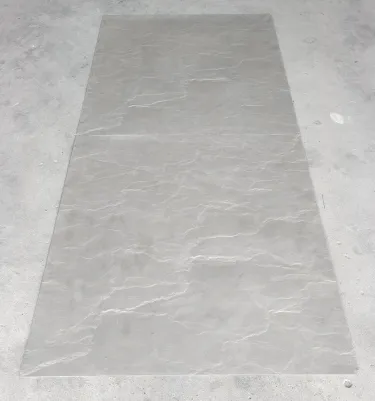
For projects aiming for a bold, contemporary, and seamless aesthetic, the MCM Big Slab Board Series offers a powerful tool. These large-format panels, available in substantial sizes, can be used to clad vast exterior and interior surfaces with minimal joints. The effect is one of monolithic elegance and scale, perfect for auditoriums, library facades, and main lobby areas.
The reduction in grout or joint lines has practical benefits as well. It creates a visually cleaner, more unified surface that is easier to maintain, as there are fewer places for dirt and mildew to accumulate. The MCM Big Slab Board Series can replicate the majestic appearance of large-cut travertine, granite, or marble, but without the immense weight, cost, and installation challenges associated with real stone slabs. This allows institutions to achieve a high-end, monumental look that is aligned with a responsible budget.
Perhaps the most exciting innovation within the Epoch Stone family is the MCM 3D Printing Series. This technology moves beyond simple color and texture to allow for the creation of completely custom, three-dimensional patterns directly on the material's surface. The possibilities for educational settings are boundless and inspiring.
This level of customization allows each educational facility to develop a unique architectural language that reflects its specific mission and character. It's an opportunity to create a landmark building that truly connects with its students and the surrounding community.
Educational institutions have a unique responsibility to be leaders in environmental stewardship. The lessons taught in the classroom about sustainability and responsibility should be reflected in the school's own practices, including how its buildings are constructed and maintained. Choosing green building materials is a powerful, tangible way to demonstrate this commitment. Epoch Stone is an inherently sustainable choice, from its production to its performance over its long life.
The journey to sustainability begins with production. Traditional materials can have a heavy environmental toll. Quarrying natural stone is energy-intensive and permanently scars landscapes. Firing bricks and ceramic tiles requires enormous kilns that consume vast amounts of fossil fuels. In contrast, the manufacturing process for Epoch Stone, based on Modified Cementitious Material technology, is remarkably efficient. It cures at a low temperature, drastically reducing energy consumption and carbon emissions compared to high-heat processes. The primary raw materials are natural soils and mineral powders, which are abundant and often sourced responsibly.
The lightweight nature of all Epoch Stone products, from the flexible series to the large slab boards, is a significant, if often overlooked, sustainability feature. First, it dramatically reduces the carbon footprint associated with transportation. Shipping lighter materials from the factory to the construction site requires less fuel. Second, it lessens the "dead load" on the building's structure. This means that the foundational and structural support systems can be designed more efficiently, saving massive amounts of concrete and steel—materials with very high embodied energy. For renovation projects, this lightweight advantage is even more pronounced, as it allows for new facades to be applied without needing to reinforce the entire existing structure.
Durability itself is a cornerstone of sustainability. A material that needs to be replaced every 15-20 years contributes to a cycle of consumption and waste. Epoch Stone's exceptional durability, with a design life of 50 years or more, means fewer resources are consumed over the building's lifespan. This long-term performance minimizes waste sent to landfills and reduces the environmental impact associated with manufacturing and installing replacement materials.
The selection of a building material for an educational facility is a decision with far-reaching consequences. It is an investment that affects student safety, the health of the indoor environment, the school's long-term financial stability, and the very atmosphere of learning. Epoch Stone by COLORIA GROUP offers a holistic solution that addresses every one of these critical aspects with excellence.
By providing an unparalleled combination of Class A fire safety, robust physical durability, and a zero-VOC composition, it creates a secure and healthy foundation. Its incredible resistance to weather and wear, coupled with its low-maintenance nature, ensures that the building remains a proud asset for decades with minimal ongoing cost. Through a revolutionary suite of products—including the versatile MCM Flexible Stone , the grand MCM Big Slab Board Series , and the endlessly creative 3D Printing Series—it empowers architects to design spaces that are not just functional, but truly inspiring.
Ultimately, choosing innovative cladding solutions like Epoch Stone is about more than just constructing a building. It's about investing in the well-being and potential of every student who walks its halls. It is a commitment to safety, a vote for long-term fiscal responsibility, and a statement that the learning environment itself matters. By building with materials that are safe, durable, beautiful, and sustainable, we create educational facilities that are not only prepared for the future, but actively help to shape it.
Recommend Products












