
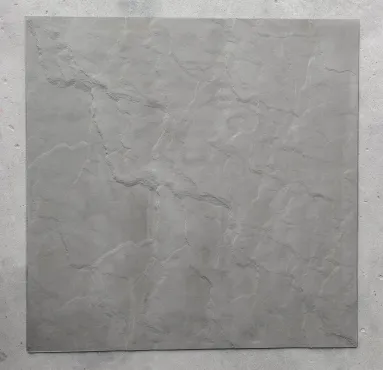
When it comes to decorating our homes and commercial spaces, the choices we make for interior walls can significantly impact the overall aesthetics, functionality, and even the long-term value of a property. Two popular options frequently debated are traditional ceramic tiles and the innovative Epoch Stone . While ceramic tiles have been a staple for decades, Epoch Stone, representing our advanced Modified Cementitious Material (MCM) products, is rapidly gaining traction as a superior alternative. But which one truly stands out for your interior wall projects? Let's dive deep into a comprehensive comparison to help you make an informed decision.
Before we pit these two materials against each other, it's essential to understand what each brings to the table.
Ceramic tiles are a classic choice, made from clay, feldspar, and other natural minerals, fired at high temperatures. They come in a vast array of colors, patterns, and sizes, often glazed for protection and aesthetic appeal. They're well-known for their durability and resistance to water, making them popular in bathrooms and kitchens.
Epoch Stone isn't just another tile; it's a revolutionary Modified Cementitious Material (MCM) . Developed with decades of industry experience, our MCM products are engineered from natural mineral powders and plant fibers, combined with advanced polymers. The result is a lightweight, flexible, and incredibly durable material that mimics the look and feel of natural stone, wood, brick, and even leather, without the associated environmental impact or high costs. Our core product series, including MCM Big Slab Board Series , MCM Project Board Series , MCM 3D Printing Series , and especially our MCM Flexible Stone , showcases the versatility and innovation of this material. Epoch Stone is designed to offer a one-stop solution provider for high-quality interior and exterior decoration materials, emphasizing customizable wall solutions and sustainable building materials .
Epoch Stone (MCM) in a nutshell: It's a game-changer for interior wall decoration , offering aesthetic flexibility and performance benefits far beyond traditional materials. Its inherent properties make it an ideal choice for both residential and commercial projects seeking modern, eco-friendly, and high-performance finishes.
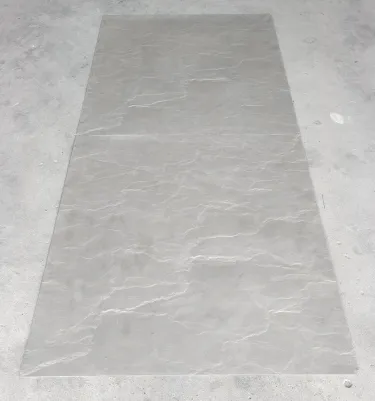
Now, let's get down to the nitty-gritty and compare these two materials across several key categories that matter most for interior wall applications.
Ceramic Tiles: Offer a broad range of colors, patterns, and finishes. Digital printing has expanded possibilities, but they are often limited by grout lines, which can break up continuous patterns and sometimes become a design constraint. Achieving a seamless, natural look can be challenging.
Epoch Stone: This is where Epoch Stone truly shines. Its ability to authentically replicate natural textures like stone, wood, and brick is unparalleled. Our MCM Flexible Stone is particularly impressive in this regard, offering the tactile feel of natural materials without the weight or installation complexity. Furthermore, our MCM Big Slab Board Series allows for expansive, virtually seamless designs, minimizing grout lines for a cleaner, more contemporary finish. The MCM 3D Printing Series takes customization to an entirely new level, enabling bespoke textures and patterns that are simply impossible with ceramic tiles. If you're looking for truly customizable wall solutions , Epoch Stone is the clear winner.
Epoch Stone Advantage: Unrivaled aesthetic realism, extensive customization options, seamless large-format designs, and the ability to replicate diverse natural materials.
Ceramic Tiles: Generally durable and hard-wearing, especially against scratches and impacts. However, they can chip or crack if subjected to heavy impact, and replacing individual damaged tiles can be a tedious process, especially if exact matches are hard to find over time.
Epoch Stone: Designed for long-term performance, Epoch Stone products exhibit excellent resilience. They are highly resistant to impact, scratches, and UV fading, ensuring their beauty lasts for years. Their flexible nature, particularly our Flexible Stone , makes them less prone to cracking than rigid ceramic tiles under structural movement or minor impacts. This makes them exceptionally suitable for high-traffic areas and public spaces in both residential and commercial projects .
Ceramic Tiles: Known for being heavy, which can increase structural load and require robust wall preparation. Installation is labor-intensive, requires specialized tools (cutters, mixers), and involves messy grout work. The process can be time-consuming and expensive.
Epoch Stone: Here's another major differentiator. Epoch Stone is incredibly lightweight – often just 1/20th the weight of traditional stone or ceramic. This significantly reduces structural load, simplifies logistics, and lowers shipping costs. Installation is much faster, cleaner, and less labor-intensive. It can often be applied directly over existing surfaces, reducing demolition waste and project timelines. Its flexibility allows for application on curved surfaces, which is nearly impossible with rigid ceramic tiles. This ease of installation is a huge plus, especially for large-scale building materials projects.
Epoch Stone Advantage: Ultra-lightweight, faster and cleaner installation, reduced labor costs, and adaptability to complex architectural forms.
Ceramic Tiles: Generally easy to wipe clean. However, grout lines can be a notorious challenge. They tend to collect dirt, grime, and mildew, requiring regular scrubbing and sometimes re-grouting, which can detract from the overall appearance and hygiene.
Epoch Stone: Epoch Stone features a non-porous, smooth (or textured, but sealed) surface that resists dirt and stains. It's exceptionally easy to clean with just a damp cloth and mild detergent. Minimal grout lines, especially with our MCM Big Slab Board Series , mean fewer areas for grime to accumulate, ensuring a consistently pristine look with minimal effort. This makes it an excellent choice for hygienic environments and busy commercial settings.
Ceramic Tiles: The production of ceramic tiles is energy-intensive, requiring high-temperature kilns. Mining of raw materials can have environmental consequences. While durable, disposal can add to landfill waste.
Epoch Stone: Our Modified Cementitious Material (MCM) is a true leader in sustainable building materials . It's produced using natural, abundant mineral powders and plant fibers, with significantly lower energy consumption compared to traditional ceramics. The manufacturing process generates minimal waste, and the products themselves are non-toxic, free of VOCs, and often recyclable. Its lightweight nature also reduces carbon emissions associated with transportation. For projects aiming for green certifications or simply a smaller environmental footprint, Epoch Stone is the responsible choice. This commitment to eco-friendliness aligns perfectly with global demands for responsible construction.
Epoch Stone Advantage: Lower carbon footprint, minimal waste production, non-toxic, and supports sustainable construction practices.
Ceramic Tiles: Excellent fire resistance and waterproof properties are major strengths. However, they are non-breathable, which can trap moisture behind them if not properly installed, leading to potential issues in certain climates or applications.
Epoch Stone: Beyond aesthetics and sustainability, Epoch Stone excels in performance. It boasts superior fire retardancy, crucial for safety in any building. While highly water-resistant, our MCM materials are also breathable , allowing walls to manage moisture effectively. This feature prevents dampness buildup and contributes to healthier indoor environments, a significant advantage over non-breathable ceramic tiles, especially in humid regions. Its excellent insulation properties also contribute to energy efficiency.
Ceramic Tiles: Often have a lower initial material cost per square foot, making them seem budget-friendly at first glance. However, installation costs can be high due to labor intensity, tools, and mortar. Repair costs can also add up if replacements are needed.
Epoch Stone: While the initial material cost might be comparable to or slightly higher than some basic ceramic tiles, the significant savings come from the installation process . Reduced labor, faster project completion, lighter structural requirements, and less waste all translate into lower overall project costs. Furthermore, its superior durability and minimal maintenance requirements mean lower long-term ownership costs. When considering the total cost of ownership (TCO), Epoch Stone often emerges as the more economical choice for large or complex interior wall decoration projects.
While Epoch Stone clearly offers many advantages, it's worth noting specific scenarios where each material traditionally excels or is best suited.
As a dedicated one-stop solution provider in the building materials sector, COLORIA GROUP is committed to delivering unparalleled quality and service. With decades of industry experience and a strong presence in the global market, particularly through our agency in Saudi Arabia, we understand the diverse needs of both residential and commercial projects . Our Epoch Stone Modified Cementitious Material (MCM) products are at the forefront of this commitment, offering a sustainable, versatile, and high-performance alternative to traditional options like ceramic tiles. We don't just sell materials; we provide comprehensive solutions that elevate your projects.
Our expertise extends beyond the product itself. We offer support and guidance to architects, designers, and contractors, ensuring that the right Epoch Stone solution is chosen and implemented for every unique project, whether it's a small residential remodel or a large-scale commercial project in the global market .
| Feature | Epoch Stone (MCM) | Ceramic Tiles |
|---|---|---|
| Material Composition | Epoch Stone (MCM)"> Natural mineral powders, plant fibers, polymers (Modified Cementitious Material) | Clay, feldspar, natural minerals, fired at high temperatures |
| Weight | Epoch Stone (MCM)"> Ultra-lightweight (approx. 1/20th of traditional stone/ceramic) | Heavy, adds significant structural load |
| Flexibility | Epoch Stone (MCM)"> High flexibility (especially Flexible Stone), can be applied on curved surfaces | Rigid, prone to cracking under movement, difficult on curves |
| Aesthetic Variety | Epoch Stone (MCM)"> Authentically replicates stone, wood, brick, leather; extensive textures, colors, customizable wall solutions , 3D printing capabilities, large slabs for seamless looks. Ideal for interior wall decoration . | Wide range of colors/patterns, but often limited by visible grout lines and rigid forms. |
| Installation Difficulty | Epoch Stone (MCM)"> Fast, clean, less labor-intensive; can be applied over existing surfaces; no heavy machinery. | Labor-intensive, messy (grout), requires specialized tools and surface preparation. |
| Durability | Epoch Stone (MCM)"> High resistance to impact, scratches, UV fading, cracking (due to flexibility). | Durable, but can chip/crack under heavy impact; grout is susceptible to wear. |
| Maintenance | Epoch Stone (MCM)"> Very easy to clean, non-porous, minimal grout lines, resists dirt/stains. | Easy to wipe, but grout lines collect dirt, grime, mildew; requires regular scrubbing. |
| Environmental Impact | Epoch Stone (MCM)"> Low energy consumption, minimal waste, non-toxic, recyclable, sustainable building materials . | Energy-intensive production, raw material extraction impact, landfill waste. |
| Fire Resistance | Epoch Stone (MCM)"> Superior fire retardancy. | Excellent fire resistance. |
| Water & Breathability | Epoch Stone (MCM)"> Highly water-resistant, yet breathable; prevents moisture buildup. | Waterproof, but non-breathable; can trap moisture. |
| Thermal Insulation | Epoch Stone (MCM)"> Good thermal insulation properties. | Poor thermal insulation. |
| Cost (Total Project) | Epoch Stone (MCM)"> Potentially higher material cost, but significantly lower installation and long-term maintenance costs, leading to lower TCO. | Often lower initial material cost, but higher installation labor and potential repair costs. |
| Applications | Epoch Stone (MCM)"> Interior & exterior walls, floors, ceilings, furniture, diverse residential and commercial projects , high-end designs, renovations. As a one-stop solution provider , we cater to all your building materials needs. | Floors, walls, particularly bathrooms, kitchens, and wet areas. |
When considering interior wall decoration , the choice between Epoch Stone (our advanced Modified Cementitious Material ) and traditional ceramic tiles becomes clear once you look beyond superficial initial costs. While ceramic tiles have served us well, Epoch Stone represents the future of sustainable building materials . It offers superior aesthetic flexibility, lightweight and easy installation, enhanced durability, effortless maintenance, and a significantly smaller environmental footprint. For architects, designers, and homeowners seeking high-performance, beautiful, and customizable wall solutions that truly stand the test of time, Epoch Stone is not just an option – it's the smarter, more modern choice for your next residential or commercial project . Trust COLORIA GROUP, your one-stop solution provider , to bring innovation and excellence to your spaces.
Recommend Products












