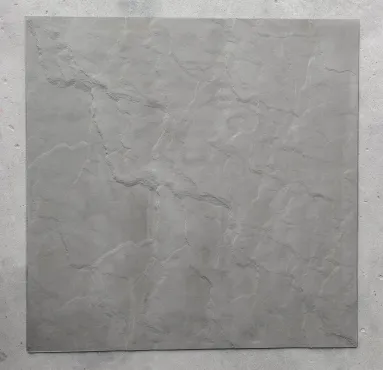
Hey contractors, let's talk about building materials. We all know that choosing the right material for a project isn't just about aesthetics; it's about durability, ease of installation, long-term cost, and ultimately, client satisfaction. In today's competitive market, staying ahead means understanding the nuances of new and traditional options. Today, we're diving deep into a head-to-head battle: the well-established fiber cement versus the innovative Epoch Stone. As a
one-stop solution provider
in architectural materials, we've seen how crucial these choices are, especially for modern
residential and commercial projects
.
Fiber cement has been a go-to for many years, admired for its resilience and versatility. But a new player, Epoch Stone, is quickly gaining traction, offering exciting possibilities, particularly with its core as a
Modified Cementitious Material (MCM)
. This isn't just another product; it's a game-changer for
interior and exterior decoration
that contractors need to understand. Let's break down what each material brings to the table, and why Epoch Stone might be the material you've been looking for to elevate your next project.
Understanding the Contenders: What Are We Working With?
Fiber Cement: The Dependable Workhorse
Fiber cement has earned its reputation through decades of reliable performance. It's essentially a composite material made of cement, sand, cellulose fibers, and water. When combined, these ingredients create incredibly durable and stable boards that can mimic the look of wood, stone, or brick siding without the associated maintenance issues. Think of it as a robust, low-maintenance alternative to traditional cladding materials.
Its primary applications include exterior siding, soffit, and trim boards. It's popular because it resists rot, pests, fire, and harsh weather conditions – pretty much everything nature can throw at it. For many contractors, fiber cement has become a default choice for its proven track record and widespread availability.
-
Composition:
Cement, sand, cellulose fibers, water.
-
Typical Forms:
Siding planks, flat panels, trim.
-
Key Strengths:
Excellent durability, fire resistance, pest resistance, low maintenance compared to wood.
-
Common Uses:
Exterior siding, soffits, fascia, and interior wet areas like bathrooms.
Epoch Stone: The Innovative Challenger (MCM Technology)
Now, let's talk about Epoch Stone. This isn't your grandfather's cement product. Epoch Stone is fundamentally a
Modified Cementitious Material (MCM)
, which is a significant leap forward in material science. MCM technology involves a unique blend of natural aggregates, minerals, and a polymer matrix, processed at low temperatures. The result is a material that's incredibly flexible, lightweight, and versatile, yet retains the strength and durability you'd expect from high-quality construction materials.
What makes Epoch Stone stand out is its ability to mimic virtually any natural material – stone, wood, brick, leather – with astonishing realism, all while being significantly lighter and more flexible. This opens up a world of possibilities for design and application that traditional materials, including fiber cement, simply can't match. It's revolutionizing both
interior and exterior decoration
.
-
Composition:
Modified Cementitious Material (MCM) – natural aggregates, minerals, polymer matrix.
-
Typical Forms:
Large slabs, project-specific boards, flexible sheets (mimicking stone, wood, etc.), and even 3D printable versions.
-
Key Strengths:
Extremely lightweight, high flexibility, wide design versatility, eco-friendly production, excellent durability, customization.
-
Common Uses:
Interior feature walls, exterior cladding, flooring, ceiling decoration, custom architectural elements, furniture surfaces.
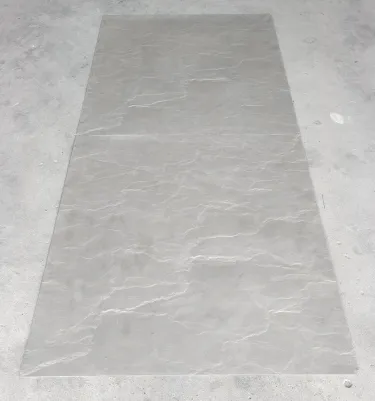
The Head-to-Head Comparison: What Matters to You?
As contractors, you're looking for practical answers. Let's pit Epoch Stone against fiber cement across the metrics that truly impact your projects and your bottom line.
1. Weight and Handling: A Contractor's Back Saver
-
Fiber Cement:
It's known to be quite heavy. Standard fiber cement siding can weigh around 2.5 to 3 pounds per square foot. This weight requires more manpower for handling, specialized cutting tools, and sometimes even structural reinforcements for large panels, adding to labor costs and installation time. Cutting fiber cement also creates silica dust, necessitating specific safety precautions like respirators and proper ventilation.
-
Epoch Stone (MCM):
This is where Epoch Stone truly shines. It's incredibly lightweight, often weighing just 0.5 to 1 pound per square foot, depending on the thickness and series (e.g., Epoch Stone Flexible Stone). This dramatic weight reduction means easier transportation, quicker handling on-site, and less fatigue for your crew. Installation is often simpler, requiring fewer hands and less specialized equipment, significantly cutting down on labor costs and time. Its flexibility also means fewer breakages during transport and installation.
Verdict:
For sheer ease of handling and reduced physical strain, Epoch Stone is the clear winner, leading to more efficient and safer installations.
2. Design Flexibility and Aesthetics: Unleashing Creativity
Clients today want unique, eye-catching designs. How do these materials stack up?
-
Fiber Cement:
Offers a good range of textures and colors, often mimicking wood grain, stucco, or smooth finishes. It provides a clean, modern, or traditional look, and its paintability allows for a broad color palette. However, its rigid nature limits its application to flat or gently curved surfaces. Achieving intricate patterns or textures beyond standard reliefs can be challenging or impossible.
-
Epoch Stone (MCM):
This material is a designer's dream. With our MCM technology, Epoch Stone can replicate almost any material – natural stone, rustic brick, polished concrete, exotic wood grains, even fabric or leather textures – with unparalleled realism and feel. The
MCM Big Slab Board Series
offers massive panels for seamless designs, while
MCM Flexible Stone
can conform to curved surfaces, pillars, and complex architectural details. Furthermore, the
MCM 3D Printing Series
opens up entirely new possibilities for bespoke textures and intricate designs that are simply unattainable with fiber cement. This allows for truly customized solutions, meeting the most demanding client specifications.
Verdict:
Epoch Stone offers vastly superior design flexibility and aesthetic potential, making it ideal for projects where
customization
and unique finishes are paramount. It allows you to transform an ordinary space into something extraordinary.
3. Durability and Longevity: Building to Last
No one wants callbacks. Longevity is key for satisfied clients.
-
Fiber Cement:
Highly durable. It's resistant to rot, insects, fire, and extreme weather. It won't warp, crack, or delaminate under normal conditions. With proper installation and maintenance (e.g., regular painting), it can easily last 30-50 years. However, impacts can cause chipping or cracking, and the painted surface will eventually require repainting.
-
Epoch Stone (MCM):
Offers exceptional durability. It's UV resistant, waterproof, fire-retardant, and highly resistant to fading, scratching, and impact. Because its color and texture are integral to the material, it often doesn't require repainting, reducing long-term maintenance. The flexibility of many Epoch Stone products also makes them less prone to cracking from minor impacts or building movement compared to rigid materials. We're talking about a material designed for resilience in diverse environments, from the scorching sun of Saudi Arabia to temperate climates, leveraging our
decades of industry experience
.
Verdict:
Both are durable, but Epoch Stone's integrated color, inherent flexibility, and resistance to fading often translate to lower long-term maintenance and potentially greater resistance to impact and environmental degradation.
4. Installation Process: Time is Money
Efficiency on the job site directly impacts your profit margins.
-
Fiber Cement:
Installation can be labor-intensive. It requires specialized tools (e.g., fiber cement shears or diamond-tipped blades) to cut, and generates a lot of fine silica dust, demanding strict safety protocols. The weight necessitates careful handling, and precise alignment is critical for aesthetic appeal. Sealing and painting (if using primed boards) add extra steps and drying time.
-
Epoch Stone (MCM):
The installation process for Epoch Stone is remarkably streamlined. Its lightweight nature means easier lifting and positioning. Depending on the product series, it can often be cut with standard carpentry tools (e.g., utility knives for flexible options, circular saws for rigid boards, with significantly less dust compared to fiber cement). Adhesion is typically achieved with specialized polymer-modified mortars or adhesives, eliminating the need for extensive nailing in many cases. The flexibility of products like
MCM Flexible Stone
allows for faster installation around corners and curves without needing multiple cuts or special corner pieces, drastically reducing waste and installation time. For large-scale projects, the
MCM Project Board Series
is designed for rapid deployment.
Verdict:
Epoch Stone generally offers a faster, cleaner, and less labor-intensive installation, translating into significant time and cost savings for contractors.
5. Cost-Effectiveness: Beyond the Sticker Price
Initial material cost is one thing, but true cost-effectiveness considers the entire lifecycle of a project.
-
Fiber Cement:
The upfront material cost for fiber cement can be moderate to high, but it's often seen as a good long-term investment due to its durability. However, contractors must factor in higher labor costs due to weight and specialized cutting, safety equipment for dust, potential for breakage, and the ongoing cost of repainting every 10-15 years.
-
Epoch Stone (MCM):
While the initial material cost for Epoch Stone can sometimes be comparable to, or slightly higher than, premium fiber cement options (depending on the specific series and finish), the savings quickly add up elsewhere. Lower labor costs from faster, easier installation, reduced waste, no need for specialized heavy lifting equipment, and minimal long-term maintenance (no repainting required for most finishes) make Epoch Stone a highly cost-effective choice in the long run. Its exceptional durability and aesthetic appeal also add significant property value. When we position ourselves as a
one-stop solution provider
, we're thinking about your total project cost and efficiency.
Verdict:
Epoch Stone often provides a better overall cost-effectiveness due to lower installation costs and reduced long-term maintenance, delivering greater value over the lifespan of the building.
6. Environmental Impact: Building Greener
Sustainability is no longer a niche concern; it's a mainstream demand from clients and regulators.
-
Fiber Cement:
Contains natural raw materials. However, its manufacturing process is energy-intensive due to the high temperatures required for curing cement. The fine silica dust generated during cutting is a health hazard, and disposal requires care. It's a durable product, which is positive for sustainability, but its end-of-life recycling options can be limited.
-
Epoch Stone (MCM):
This is another area where Epoch Stone truly excels. Our MCM products are inherently
green and eco-friendly
. The manufacturing process uses natural mineral powders and aggregates, often recycled, and operates at very low temperatures, significantly reducing energy consumption and carbon footprint compared to traditional cement or ceramic production. It produces minimal waste, and many products are recyclable. Furthermore, being lightweight, it reduces transportation emissions. Epoch Stone is designed to contribute positively to LEED and other green building certifications.
Verdict:
Epoch Stone leads in environmental friendliness, offering a significantly lower carbon footprint in manufacturing and transportation, and better end-of-life considerations, aligning perfectly with modern sustainable building practices.
Detailed Application Scenarios: Where Each Shines
Let's consider specific project types and how each material performs.
Exterior Cladding for New Construction
-
Fiber Cement:
A solid choice for straightforward residential and commercial exteriors where a traditional siding look or a clean panel aesthetic is desired. It performs well in varied climates and offers good protection.
-
Epoch Stone (MCM):
Ideal for projects aiming for high-impact aesthetics, unique textures, or large-format, seamless designs. Its lighter weight can simplify structural requirements for large buildings, and its flexibility makes it perfect for complex architectural facades, including curved walls or intricate patterns. The
MCM Big Slab Board Series
is particularly effective here, offering faster installation over large areas and minimizing visible joints.
Renovation and Remodeling Projects
-
Fiber Cement:
Good for replacing existing siding or updating a home's exterior where the original substrate can support its weight, and a conventional look is desired.
-
Epoch Stone (MCM):
A superior choice for renovations, especially where weight is a concern on existing structures, or where a dramatic aesthetic transformation is sought without extensive structural modification. The lightweight nature and ability to adhere to various substrates make it incredibly versatile for existing buildings. The
MCM Flexible Stone
can be applied directly over existing surfaces, dramatically reducing demolition waste and labor.
Interior Feature Walls and Architectural Accents
-
Fiber Cement:
Can be used for certain interior applications, especially in wet areas due to its moisture resistance. However, its limited aesthetic range and difficulty in intricate cutting make it less suitable for highly decorative feature walls.
-
Epoch Stone (MCM):
This is an area where Epoch Stone truly shines for
interior and exterior decoration
. Its ability to mimic any material, coupled with its lightweight and flexibility, makes it perfect for stunning interior feature walls, reception desks, columns, and even ceiling applications. Imagine a beautiful stone-look wall without the weight or installation hassle of real stone! The 3D printing capabilities allow for custom logos, patterns, or intricate designs that create truly unique interior spaces.
Commercial and High-Traffic Environments
-
Fiber Cement:
Durable enough for commercial exteriors, offering good impact resistance against minor bumps.
-
Epoch Stone (MCM):
Excellent for commercial applications. Its high durability, scratch resistance, and ability to withstand heavy traffic (e.g., for flooring applications or high-contact wall surfaces) make it a smart choice. Its low maintenance further appeals to commercial property owners looking to reduce operational costs. It's particularly well-suited for high-end retail, hospitality, and corporate spaces demanding both aesthetics and resilience.
Key Considerations for Contractors
Before making a final decision, here are some actionable points for you to consider:
-
Labor Availability and Skill Set:
Do you have a crew trained in handling heavy, rigid materials and dealing with silica dust? Or would your team benefit from an easier-to-install, lighter product like Epoch Stone? Epoch Stone typically requires less specialized training for basic installation, though mastery of its more advanced applications (like seamless large slabs or complex 3D printed elements) will yield the best results.
-
Project Aesthetics and Client Vision:
If your client is looking for a standard, durable exterior, fiber cement might suffice. But if they dream of a unique, high-end, or architecturally complex design, Epoch Stone's
customization
and flexibility will be your best friend. It allows you to deliver on ambitious visions without compromising on practicality.
-
Budget Allocation:
Look beyond the per-square-foot material cost. Factor in total installation time, labor hours, equipment rental, safety gear, waste disposal, and long-term maintenance. When these are considered, Epoch Stone often presents a more compelling long-term financial picture.
-
Sustainability Goals:
If your project has green building requirements or your client prioritizes eco-friendly materials, Epoch Stone's low-energy production and natural composition will be a significant advantage.
-
Supplier Support:
As a
one-stop solution provider
, we offer comprehensive support for Epoch Stone – from technical specifications and installation guides to design assistance and project management insights. This kind of partnership can be invaluable on complex projects.
A Look at Specific Epoch Stone Product Series
To further illustrate the versatility of Epoch Stone (MCM), let's quickly touch upon a few key product series designed to meet diverse project needs:
Imagine covering vast wall areas with minimal joints. This series offers large-format panels, significantly speeding up installation and creating expansive, seamless aesthetics. Perfect for modern commercial facades, large public spaces, or feature walls where grandeur and efficiency are key. It dramatically reduces the visual clutter of grout lines and elevates the perceived quality of the finish.
Developed with the contractor in mind, this series focuses on efficiency and versatility for large-scale construction. These boards are optimized for quick and straightforward installation, balancing durability with ease of application, making them a preferred choice for residential developments and large commercial builds. They are rigorously tested to ensure consistent quality and performance across extensive projects.
This is where Epoch Stone truly enters the realm of bespoke architecture. This series allows for the creation of intricate, custom three-dimensional patterns, textures, and even logos directly onto the MCM material. It's ideal for adding unique branding, artistic elements, or highly specific architectural details that differentiate a project from all others. The possibilities for
customization
are limitless, empowering architects and designers to bring truly unique visions to life.
One of our most revolutionary products, Epoch Stone Flexible Stone, is incredibly thin and pliable, yet boasts the authentic look and feel of natural stone. It can be easily bent and molded to fit curved surfaces, columns, and intricate architectural elements without cracking or excessive cutting. This eliminates the need for heavy machinery and extensive masonry work, making stone aesthetics accessible for virtually any surface, both indoors and out. It's perfect for challenging installations where traditional stone would be impossible or prohibitively expensive.
The Future of Building: Why Epoch Stone is Gaining Momentum
The construction industry is constantly evolving. Clients are demanding more from their materials: better performance, greater sustainability, and unparalleled aesthetics. While fiber cement remains a viable and reliable option for many applications, Epoch Stone, with its advanced
Modified Cementitious Material (MCM)
technology, is addressing these growing demands head-on.
It's not just about offering an alternative; it's about providing a superior solution for a wider range of challenges. From the rapid pace of urban development to the increasing focus on
green and eco-friendly
construction practices, Epoch Stone is positioned as a forward-thinking material that helps contractors deliver exceptional quality and innovation. Our global reach, including our strong presence in
Saudi Arabia
, highlights the material's adaptability and appeal across diverse markets and climates.
Embracing materials like Epoch Stone means equipping your business with the tools to offer more compelling designs, complete projects more efficiently, reduce your environmental footprint, and ultimately, exceed client expectations. It means being able to confidently tackle a broader spectrum of
residential and commercial projects
, knowing you have a reliable, versatile, and high-performance material at your disposal.
Conclusion: Making the Right Choice for Your Next Project
Both fiber cement and Epoch Stone are excellent materials with distinct advantages. Fiber cement is a proven, robust choice for traditional applications where durability and a familiar aesthetic are key. It's dependable and has a strong track record.
However, for contractors looking to push boundaries, optimize efficiency, embrace sustainable practices, and deliver truly stunning, custom designs, Epoch Stone offers a compelling and often superior alternative. Its lightweight nature, incredible design flexibility through its
Modified Cementitious Material (MCM)
technology, ease of installation, and environmental benefits make it a powerful choice for modern construction.
As you plan your next
interior and exterior decoration
project, we encourage you to look closely at Epoch Stone. Consider its potential to reduce labor costs, accelerate timelines, and unlock new creative possibilities for your clients. We believe that once you experience the benefits of working with Epoch Stone, you'll see why it's quickly becoming the material of choice for innovative contractors worldwide. Partner with us, your dedicated
one-stop solution provider
, and let's build something extraordinary together.