
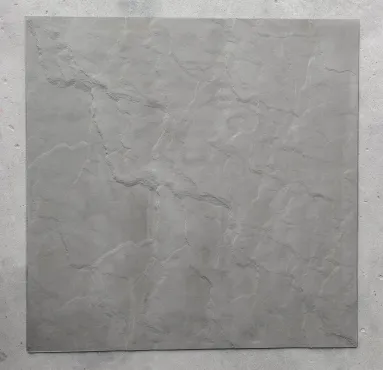
In the ever-evolving landscape of modern architecture, designers, developers, and homeowners alike constantly grapple with a fundamental dilemma: how to create structures that are both visually stunning and sustainably responsible. For decades, glass facades have dominated the architectural scene, synonymous with sleek modernity, expansive views, and a seemingly limitless connection to the outside world. Yet, as our understanding of environmental impact and long-term operational costs deepens, the inherent challenges of all-glass buildings become increasingly apparent. This is where innovation steps in, offering compelling alternatives that promise to redefine the very essence of facade design. Our company, COLORIA GROUP, through its cutting-edge Epoch Stone products, is at the forefront of this revolution, providing **one-stop solution provider** for high-quality internal and external decorative materials that marries breathtaking aesthetics with exceptional performance.
This article delves into a comprehensive comparison between traditional glass facades and Epoch Stone, exploring how the latter, leveraging advanced **Modified Cementitious Material (MCM)** technology, offers a superior balance of beauty, durability, and most importantly, energy efficiency. We'll unpack the pros and cons, examine the environmental footprint, and highlight why Epoch Stone is rapidly becoming the preferred choice for forward-thinking residential and commercial projects worldwide.
There's no denying the visual impact of a building clad entirely in glass. It radiates sophistication, transparency, and a perception of openness. Architects have long been drawn to its ability to create light-filled interiors, offering occupants panoramic views and a dynamic interplay with the sky and surrounding urban environment. From towering skyscrapers to minimalist homes, glass has been the material of choice for making bold architectural statements.
Despite its aesthetic allure, glass comes with a significant set of challenges, particularly when considering long-term sustainability and operational efficiency.
These challenges are not mere inconveniences; they represent fundamental issues that modern architecture must address. As the global push for sustainable building practices intensifies, materials that offer both beauty and brawn in terms of performance are becoming indispensable.
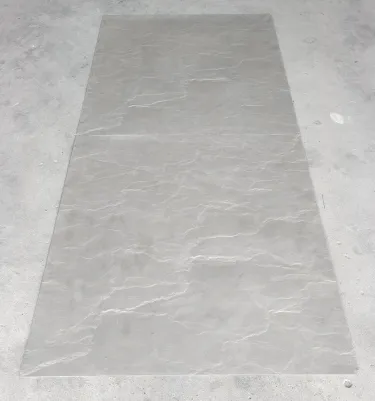
Enter Epoch Stone, COLORIA GROUP's groundbreaking line of architectural materials that redefines what's possible for building envelopes. Far from being just another cladding material, Epoch Stone is a sophisticated **Modified Cementitious Material (MCM)**, engineered to provide an unparalleled combination of aesthetic versatility, structural integrity, and sustainable performance. It's designed to meet the demands of contemporary architecture, offering **customized solutions** that truly resonate with an architect's vision while exceeding stringent environmental standards.
At its core, Epoch Stone is crafted from MCM, a revolutionary material composed primarily of natural minerals, inorganic substances, and a small percentage of polymer compounds. This unique composition allows it to be incredibly flexible, lightweight, and durable, mimicking the look and feel of traditional materials like stone, wood, brick, and leather, but without their inherent drawbacks. The manufacturing process is incredibly efficient, requiring minimal energy and resources compared to traditional materials, making it a truly **green building material**.
To truly appreciate the advantages of Epoch Stone, let's put it side-by-side with glass facades across several critical parameters.
| Feature | Glass Facades | Epoch Stone (MCM) |
|---|---|---|
| Aesthetics | Sleek, transparent, modern. Limited texture/color variation unless specialized treatments are used. | Highly versatile, mimics natural stone, wood, brick. Rich textures, diverse colors, custom designs possible with **MCM 3D Printing Series**. |
| Energy Efficiency | Poor insulator, high solar heat gain/loss, leads to high HVAC costs. Significant impact on building's **energy efficiency**. | Excellent thermal insulation, reduces heat transfer significantly, lowers heating/cooling costs. Boosts overall building **energy efficiency**. |
| Weight | Heavy, requires robust structural support. | Extremely lightweight, reduces structural load and associated costs. Facilitates easier handling and installation. |
| Durability | Prone to scratching, breakage (impact), high maintenance for pristine look. | Highly durable, resistant to weathering, UV, impact, frost. Long lifespan, low maintenance. |
| Maintenance | Frequent, specialized cleaning required, especially for large surfaces. | Minimal maintenance; easy to clean, retains appearance over time. |
| Privacy | Low privacy unless treated with films or coverings, which negate transparency. | High privacy. Offers solid, opaque surfaces. |
| Environmental Impact | High embodied energy in production, contributes to urban heat island effect, bird collisions. | Low embodied energy, made from natural minerals, recyclable, reduces operational energy consumption, a true **green building material**. |
| Installation | Complex, requires specialized lifting equipment for large panels, sensitive to frame alignment. | Faster, easier installation due to lightweight and flexibility. Especially with **Flexible Stone** and large slab series. |
| Cost (Initial) | Can be high for specialized or high-performance glass. Framing systems add significantly. | Generally competitive, can be lower than natural stone or high-end glass. Long-term savings make it more economical. |
| Cost (Long-term) | Very high due to HVAC demands, cleaning, and potential repairs. | Significantly lower due to superior **energy efficiency** and minimal maintenance. |
| Customization | Limited to glass type, tint, and coatings. | Extensive customization in texture, color, size, and form factor. **Customized solutions** are a core offering. |
The table starkly highlights that while glass offers a specific aesthetic, it often comes at a steep price, both financially and environmentally. Epoch Stone, on the other hand, provides a holistic solution that doesn't force a compromise between beauty and planetary responsibility.
Imagine a commercial complex in a scorching desert climate, like that found in Saudi Arabia, where COLORIA GROUP has established a strong presence through its agency. A glass facade would demand enormous energy consumption for cooling, creating a financial burden and an unsustainable operational model. replace that with an Epoch Stone facade, perhaps utilizing the MCM Big Slab Board Series replicating the grandeur of local sandstone. The building immediately becomes a sanctuary, naturally cooler, requiring significantly less air conditioning. The operational savings over decades are immense, and the aesthetic blends seamlessly with the regional architectural heritage.
Consider a residential development aiming for LEED certification. Incorporating Epoch Stone as a primary facade material directly contributes to achieving these certifications due to its inherent qualities as a **green building material**. Architects can design facades that are not just beautiful but actively contribute to a building's performance metrics. The availability of **customized solutions** means that every project can have a unique identity, whether it's a sleek, modern look with large format panels or a more traditional, earthy feel with **Flexible Stone** imitating brickwork.
Even for renovation projects, Epoch Stone offers a transformative solution. Its lightweight nature allows it to be installed over existing structures without significant reinforcement, breathing new life into old buildings, improving their thermal performance, and enhancing their curb appeal. The MCM Project Board Series is specifically designed for such large-scale applications, ensuring efficiency and cost-effectiveness.
The architectural world is at an inflection point. The romanticized ideal of the all-glass building is giving way to a more nuanced understanding of material science and environmental responsibility. Clients are no longer just asking for "pretty"; they are demanding "pretty AND sustainable." They want "aesthetics AND **energy efficiency**." They need "creativity AND practicality." This is precisely the space where Epoch Stone excels.
COLORIA GROUP, with its decades of industry experience, understands these shifting paradigms. We don't just sell materials; we offer a partnership in achieving architectural excellence and environmental stewardship. Our commitment to innovation, evident in our extensive range of **Modified Cementitious Material (MCM)** products, ensures that our clients have access to the best facade solutions on the market. From the grand scale of the MCM Big Slab Board Series to the intricate detailing possible with MCM 3D Printing Series, we empower architects and developers to realize their most ambitious visions.
The shift from purely aesthetic considerations to a balanced approach that includes performance, sustainability, and operational costs is not a trend; it's the new standard. Glass facades will undoubtedly continue to have their place, particularly when specific design objectives (like maximum transparency) outweigh other concerns. However, for the vast majority of projects, especially those committed to sustainability and long-term value, materials like Epoch Stone represent the intelligent choice.
The global market, especially in regions with extreme climates, is increasingly recognizing the imperative for high-performance envelopes. Our presence in strategic locations like Saudi Arabia underscores our dedication to bringing these advanced solutions to where they are most needed, addressing specific regional challenges with tailored products and expertise.
Moreover, the demand for **customized solutions** is ever-growing. Architects desire materials that can adapt to unique design visions, not limit them. Epoch Stone's ability to be customized in terms of color, texture, and form ensures that each project can possess a distinct character, avoiding the monotonous repetition sometimes seen with generic materials. This means every building can tell its own story, reflecting the local culture, environment, or the specific brand identity of a commercial establishment.
The flexibility of our product lines, particularly our **Flexible Stone**, also means that designers are no longer constrained by the rigid forms of traditional materials. Curves, organic shapes, and intricate details that were once prohibitively expensive or structurally challenging are now easily achievable, opening up new frontiers in architectural expression. This level of adaptability makes Epoch Stone a preferred material for avant-garde designs as much as for classic, timeless structures.
In conclusion, as we look to build a more sustainable future, the materials we choose for our buildings will play a pivotal role. Epoch Stone, a testament to the power of **Modified Cementitious Material (MCM)** technology, offers a compelling narrative of innovation, performance, and environmental consciousness. It stands as a beacon for a new epoch in architectural design, where balancing aesthetics with **energy efficiency** isn't a challenge but a triumphant achievement. For any project aiming for both visual grandeur and a lighter environmental footprint, Epoch Stone is not just a material; it's the intelligent choice for a sustainable tomorrow. COLORIA GROUP is proud to lead the way in providing these transformative **green building materials** to the world.
Recommend Products












