
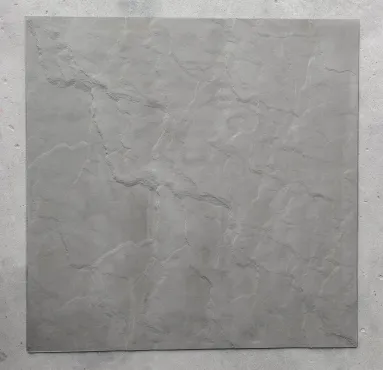
Choosing the right material for your interior and exterior surfaces is a monumental decision, impacting not just the aesthetics but also the longevity and maintenance of your residential or commercial project. In today's market, two prominent contenders often come up in discussions about surface coverings: traditional porcelain tiles and the innovative Epoch Stone. While both offer distinct advantages, the critical factors of water resistance and durability are paramount, especially in high-traffic areas, wet environments, or challenging climates. This comprehensive guide will delve deep into these aspects, giving you a clear picture of how these materials stack up against each other, helping you make an informed choice for your next endeavor.
COLORIA GROUP, as a one-stop solution provider for architectural materials, understands the nuances of modern construction. Our expertise, honed over decades, allows us to bring cutting-edge materials like Epoch Stone, derived from our advanced MCM (Modified Cementitious Material) series, to the forefront. We believe in empowering our clients with knowledge, ensuring their projects are not just beautiful, but also robust and sustainable.
Porcelain tiles have long been a go-to choice for homeowners and developers alike, renowned for their hard-wearing properties and sleek appearance. But what exactly are they, and where do their strengths lie, particularly regarding water resistance and durability?
Porcelain tiles are a type of ceramic tile, but they are denser, less porous, and harder than typical ceramic tiles. This superior quality stems from their manufacturing process: they are made from a refined clay mix, often including feldspar and quartz, fired at extremely high temperatures (up to 1200°C or 2200°F). This intense heat vitrifies the material, meaning it becomes glass-like, forming a very hard and impervious surface.
The inherent low porosity of porcelain tiles is their major selling point when it comes to water resistance. With a water absorption rate typically less than 0.5%, they are classified as impervious, making them an excellent choice for bathrooms, kitchens, laundries, and even exterior applications where moisture is a constant concern.
Beyond water resistance, porcelain tiles are celebrated for their impressive durability, capable of withstanding significant wear and tear.
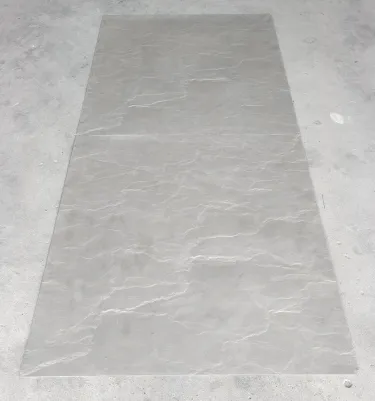
Now, let's shift our focus to the innovative Epoch Stone, a flagship product from our MCM Flexible Stone series. This material represents a paradigm shift in architectural surface coverings, offering a blend of aesthetics, performance, and sustainability that challenges traditional norms.
Epoch Stone is a sophisticated derivative of Modified Cementitious Material (MCM). Unlike conventional ceramics or natural stone, MCM products are formulated from a mix of natural minerals, clays, sand, and recycled materials, often with a small percentage of cement, modified with proprietary polymers. The manufacturing process is low-temperature and low-energy, yielding incredibly thin, lightweight, and flexible sheets that can convincingly replicate the look and feel of natural stone, wood, brick, and leather. Our MCM flexible stone, or Epoch Stone, offers unparalleled versatility for both interior and exterior architectural applications.
When it comes to moisture management, Epoch Stone offers a distinct approach compared to the impermeable nature of porcelain.
Durability is where Epoch Stone truly shines, offering a unique blend of resilience that porcelain tiles cannot match due to their rigid nature.
Let's put these two materials side-by-side to highlight their distinct characteristics in the areas of water resistance and durability.
| Feature | Epoch Stone (MCM Flexible Stone) | Porcelain Tiles |
|---|---|---|
| Water Absorption | Epoch Stone (MCM Flexible Stone)"> Low (inherently water-repellent, breathable; can be sealed for enhanced impermeability) | Extremely Low (< 0.5%, impervious) |
| Moisture Management | Epoch Stone (MCM Flexible Stone)"> Breathable, prevents moisture entrapment in substrate. Surface sheds water. | Non-breathable, relies on perfect sealing of grout lines for full protection. |
| Impact Resistance | Epoch Stone (MCM Flexible Stone)"> Excellent (flexible nature absorbs shocks, highly resistant to chipping/cracking) | Good (hard surface, but brittle; susceptible to cracking/chipping from sharp impacts) |
| Abrasion Resistance | Epoch Stone (MCM Flexible Stone)"> Very Good (engineered for high-traffic, durable surface) | Excellent (vitrified surface is highly scratch and wear resistant) |
| Freeze-Thaw Resistance | Epoch Stone (MCM Flexible Stone)"> Excellent (flexible, accommodates thermal expansion/contraction) | Excellent (low porosity prevents water absorption that leads to ice expansion) |
| Stain Resistance | Epoch Stone (MCM Flexible Stone)"> Very Good (surface treatment and density; easily cleaned; can be sealed for extra protection) | Excellent (non-porous surface resists most stains) |
| Installation Complexity | Epoch Stone (MCM Flexible Stone)"> Relatively simple, lightweight, fewer seams, less subfloor prep, minimal special tools. Allows for customization on site for curves. | More complex, heavy, requires perfectly flat subfloor, specialized cutting tools, and precise grouting. |
| Maintenance | Epoch Stone (MCM Flexible Stone)"> Easy to clean, periodic sealing might be beneficial for heavily wet areas. | Easy to clean; grout lines require more attention to prevent staining and mold. |
| Aesthetic Versatility | Epoch Stone (MCM Flexible Stone)"> High degree of customization , mimics natural materials like stone, wood, brick, leather. Seamless appearance for large areas. | Wide range of designs and finishes, but always has visible grout lines. |
| Environmental Impact | Epoch Stone (MCM Flexible Stone)"> Low carbon footprint, low energy production, often uses recycled content, eco-friendly . | High energy consumption in production, quarrying of raw materials. |
While water resistance and durability are key, several other factors can sway your decision between Epoch Stone and porcelain tiles.
The installation process significantly differs. Porcelain tiles are heavy, require specific adhesives, and precise cuts, often demanding professional expertise, especially for large format tiles. The necessity for perfectly level subfloors and meticulous grouting adds to both time and cost. On the other hand, Epoch Stone's lightweight and flexible nature simplifies installation dramatically. It can be easily cut with standard tools, adhered to various substrates, and its ability to conform to curved surfaces opens up architectural possibilities that are simply unachievable with rigid tiles. This ease of installation contributes to project efficiency and overall cost-effectiveness.
Porcelain tiles offer a vast array of designs, from polished to matte, mimicking natural stone or abstract patterns. However, they are fundamentally limited by their rigid, planar form and the inherent presence of grout lines. Epoch Stone, or our MCM flexible stone , truly excels in customization . Its ability to replicate textures with remarkable realism – be it the ruggedness of slate, the warmth of wood, or the subtle veins of marble – without the weight or installation complexity, is a huge advantage. Furthermore, its flexibility allows for seamless applications on complex geometries, curved walls, and artistic installations, providing architects and designers with unparalleled freedom to bring their visions to life. This means you can achieve highly unique and bespoke looks, differentiating your project from the ordinary.
In an era where sustainability is non-negotiable, the eco-friendly credentials of building materials are increasingly vital. The production of porcelain tiles is energy-intensive due to the high firing temperatures, contributing to a larger carbon footprint. Epoch Stone, as part of our MCM series, offers a much greener alternative. Its low-temperature manufacturing process significantly reduces energy consumption. Moreover, it often incorporates recycled materials and is free from harmful VOCs, making it a healthier choice for indoor environments and a responsible choice for the planet. COLORIA GROUP is committed to providing materials that not only perform but also align with global sustainability goals.
Considering long-term value, both materials offer good longevity. Porcelain tiles, if installed correctly with proper grout, can last for decades with minimal maintenance beyond regular cleaning. However, chip or crack repair can be challenging and often noticeable. Epoch Stone, with its superior impact resistance and flexibility, significantly reduces the likelihood of damage requiring repair. Should a section need attention, its modular nature can make replacement straightforward. The lightweight aspect also contributes to long-term structural integrity by reducing static loads. Easy cleaning and reduced grout-related issues mean less intensive maintenance over the material's lifespan, translating into lower operational costs for facilities managers and homeowners alike.
The initial material cost can vary widely for both, depending on the specific design, finish, and brand. However, it's crucial to look beyond the per-square-foot material price. Installation costs for porcelain, especially large format or complex patterns, can be substantial due to labor, specialized tools, and subfloor preparation. Epoch Stone's quicker, simpler installation can often lead to significant savings in labor and overall project duration, potentially making it a more economical choice in the total project cost equation, despite what the raw material price might suggest. Furthermore, the reduced likelihood of damage and simpler repair processes mean lower lifetime ownership costs.
At COLORIA GROUP, we don't just sell materials; we provide a complete, one-stop solution for your architectural needs. Our commitment extends from providing high-quality MCM products like Epoch Stone to offering comprehensive support, leveraging our decades of industry experience. Whether you're working on a residential renovation or a large-scale commercial development, our team is equipped to guide you through material selection, design integration, and technical specifications. Our global presence, especially our strong foothold with agency networks in Saudi Arabia, ensures that we can deliver world-class solutions and support wherever your project takes you. We believe in building lasting relationships through consistent quality and unparalleled service, ensuring that every project not only meets but exceeds expectations.
In the enduring debate of architectural materials, both Epoch Stone (MCM Flexible Stone) and porcelain tiles present compelling cases regarding water resistance and durability. Porcelain tiles stand firm on their imperviousness and hardness, making them a tried-and-true option for many applications. However, their rigidity, weight, and dependence on perfect grout lines introduce certain limitations.
Epoch Stone emerges as a revolutionary alternative, redefining durability through flexibility and lightweight design. Its unique breathable water resistance, exceptional impact resistance, vast customization potential, and eco-friendly profile position it as a superior choice for modern projects that demand innovation, sustainability, and aesthetic versatility. For architects and designers seeking materials that offer both cutting-edge performance and design freedom, especially in scenarios requiring lightweight solutions, curved applications, or a reduced environmental impact, our MCM flexible stone series, Epoch Stone, provides an unbeatable advantage.
Ultimately, the best choice depends on the specific demands of your project, your aesthetic vision, and your priorities for installation, maintenance, and environmental impact. By understanding the intricate details of each material's water resistance and durability, alongside other crucial factors, you are now better equipped to make a decision that will ensure the beauty and resilience of your project for years to come. Explore the possibilities with COLORIA GROUP and discover how Epoch Stone can transform your next architectural endeavor.
Recommend Products












