Choosing the right material for building exteriors and interiors is one of the most critical decisions in any construction or renovation project. It's not just about aesthetics; it's profoundly about performance, safety, and long-term value. Architects, builders, and homeowners alike constantly weigh options, balancing visual appeal with practical considerations such as durability, maintenance, and perhaps most crucially, safety. For `residential and commercial projects`, the materials selected directly impact the building's integrity, its occupants' well-being, and its environmental footprint over many decades.
Today, we're diving deep into a fascinating comparison:
Epoch Stone, a revolutionary `MCM (Modified Cementitious Material)` product by COLORIA GROUP, against traditional wood cladding. While wood offers a classic, warm aesthetic,
Epoch Stone presents a modern, high-performance alternative, particularly when it comes to two paramount concerns: fire resistance and longevity. Let's unpack the science, the benefits, and the real-world implications of each.
Understanding Epoch Stone: The Power of Modified Cementitious Material
Before we pit these two materials against each other, let's get acquainted with
Epoch Stone. This isn't your grandfather's traditional stone; it's a testament to modern material science.
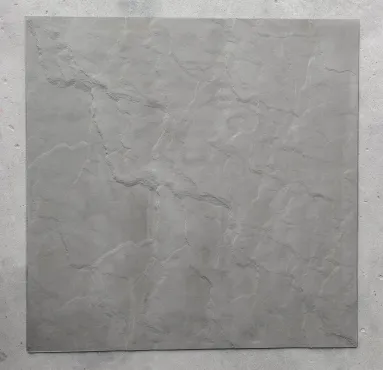
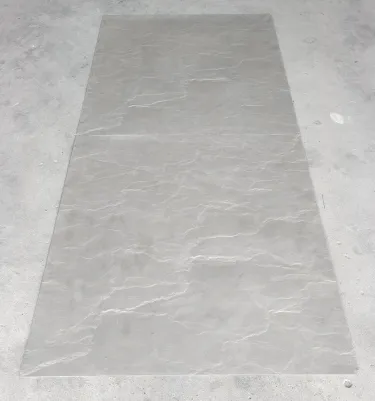
Epoch Stone is a prime example of `MCM (Modified Cementitious Material)`, a cutting-edge composite that redefines what's possible in architectural finishes. It's created using a special blend of inorganic mineral powders, carefully selected polymer emulsions, and other additives, processed at low temperatures to form thin, lightweight, and incredibly flexible sheets. The result is a material that beautifully mimics the look and feel of natural stone, wood, brick, or leather, but with vastly superior performance characteristics.
One of its most appealing forms is `
Flexible Stone`, a product that offers the aesthetic appeal of natural stone without the weight, rigidity, or complex installation. This innovation allows for creative freedom in design, enabling the application of stone textures to curved surfaces or areas where heavy materials would be impractical.
Epoch Stone is a flagship product series from COLORIA GROUP, crafted to meet the stringent demands of contemporary building.
The Essence of Wood Cladding: Timeless Appeal
On the other side of our comparison is wood cladding. For centuries, wood has been a staple in construction, revered for its natural beauty, warmth, and versatility. From rustic cabins to sleek modern homes, wood brings an organic touch that few materials can replicate. It can be stained, painted, or left natural to weather gracefully, offering a wide range of aesthetic possibilities for both `interior and exterior decoration`. Common wood types used for cladding include cedar, redwood, pine, larch, and increasingly, thermally modified woods.
The appeal of wood is undeniable. Its inherent texture, grain patterns, and varied hues provide a connection to nature that many seek in their living and working spaces. It can be installed horizontally, vertically, or diagonally, creating diverse architectural expressions. However, this natural beauty comes with its own set of challenges, particularly concerning its inherent properties related to durability and safety, which we will explore in detail.
Fire Resistance: A Matter of Life and Safety
When we talk about building materials, fire resistance isn't just a technical specification; it's a fundamental aspect of life safety. The ability of a material to resist ignition, slow the spread of flames, and maintain its structural integrity during a fire event is paramount. It provides precious minutes for occupants to evacuate and for emergency services to respond.
Epoch Stone's Fire Resistance: Engineered for Safety
Here's where
Epoch Stone truly shines. As an `MCM (Modified Cementitious Material)`, its core composition is inherently non-combustible. Unlike organic materials that ignite and fuel fires,
Epoch Stone is made predominantly from mineral components. This fundamental characteristic means it doesn't contribute to the fire load of a building.
**Non-Combustible Nature:**
Epoch Stone is classified as an A-class fire-rated material, often achieving A1 non-combustible ratings according to international standards (e.g., EN 13501-1). This is the highest possible rating, indicating that the material will not ignite, will not propagate flames, and will not produce significant smoke or flaming droplets when exposed to fire.
**Smoke and Toxicity:** Beyond preventing flame spread,
Epoch Stone's mineral composition means it produces very little to no toxic smoke when exposed to high temperatures. In a fire, smoke inhalation is often a greater danger than the flames themselves. Materials that limit smoke production significantly enhance evacuation safety.
**Structural Integrity:** Even under extreme heat,
Epoch Stone tends to remain stable. While it may char or discolor on the surface, it will not rapidly disintegrate or delaminate in a way that would expose underlying combustible structures or compromise the building envelope's integrity. This can help compartmentalize fires and protect structural elements for longer periods.
This superior fire resistance makes
Epoch Stone an ideal choice for high-rise buildings, public spaces, schools, hospitals, and any structure where occupant safety is a top priority. Its use can reduce insurance premiums and, more importantly, provide peace of mind to developers, building owners, and residents. In the face of increasing awareness of fire safety regulations and the devastating consequences of building fires, specifying materials like
Epoch Stone is a responsible and forward-thinking decision.
Wood Cladding's Fire Performance: A Complex Picture
Wood, by its very nature, is a combustible material. This is a fundamental difference when comparing it to
Epoch Stone. While wood can be used safely in construction, its fire performance requires careful consideration and often additional treatments or design strategies.
**Combustibility:** Wood ignites and burns, contributing to the spread of fire. The rate at which it burns depends on the species, density, thickness, and moisture content. Thin wood cladding can ignite relatively quickly and contribute to rapid flame spread across a façade if not properly managed.
**Charring Effect:** Denser, thicker pieces of wood can form a protective char layer on their surface when exposed to fire. This char layer can insulate the unburnt wood beneath, slowing down the rate of combustion and allowing large timber elements to maintain structural integrity for a surprisingly long time. However, this "mass timber" effect is less applicable to typical, thinner cladding boards.
**Flame Spread and Smoke:** Untreated wood cladding typically has a much lower fire rating than
Epoch Stone. It can contribute to significant flame spread and produce substantial amounts of smoke, which can obscure visibility and be toxic.
**Fire Retardant Treatments:** To improve fire performance, wood cladding can be treated with fire retardant chemicals. These treatments can either be impregnated into the wood or applied as a surface coating. While effective, they can add significantly to the cost, require reapplication over time (especially for exterior use), and may alter the wood's natural appearance or performance in other ways. The effectiveness of these treatments can also diminish over time due to weathering or UV exposure.
Designing with wood cladding in fire-sensitive applications often requires careful attention to building codes, fire breaks, cavity barriers, and potentially sprinkler systems to mitigate the risks. While advancements in fire-retardant technologies have made wood safer, it still cannot fundamentally alter wood's combustible nature in the way a mineral-based material like
Epoch Stone performs.
Longevity: Building for the Future
Beyond immediate safety, the long-term performance of building materials is crucial. Longevity encompasses a material's ability to withstand environmental stressors, resist degradation, and maintain its aesthetic and functional properties over decades without excessive maintenance or premature replacement. This directly impacts the building's lifecycle cost, its sustainability profile, and its overall appeal.
Epoch Stone's Durability: A Legacy of Resilience
Epoch Stone is engineered for the long haul, designed to endure the harshest environmental conditions and maintain its pristine appearance for many years. Its composite nature provides a distinct advantage in terms of durability and resistance to various forms of degradation.
**Weather Resistance:**
Epoch Stone exhibits excellent resistance to a wide range of weather conditions. It can withstand intense UV radiation without significant fading or deterioration, unlike many organic materials. It's also highly resistant to moisture absorption, preventing issues like swelling, warping, or rotting that plague other materials. Freeze-thaw cycles, a common cause of material breakdown in temperate climates, have minimal impact on
Epoch Stone due to its low water absorption and stable composition.
**Impact and Abrasion Resistance:** Despite its flexibility,
Epoch Stone is surprisingly tough. It offers good resistance to minor impacts and abrasion, making it suitable for high-traffic areas or building facades that might encounter everyday wear and tear.
**Resistance to Pests, Rot, and Decay:** Being an inorganic material,
Epoch Stone is inherently immune to biological attacks. Termites, fungi, mold, and rot, which can severely compromise the longevity of organic materials like wood, simply have no effect on
Epoch Stone. This eliminates the need for chemical treatments against pests or fungicides, contributing to a healthier indoor and outdoor environment.
**Color Stability:** The pigmentation in
Epoch Stone is typically integrated throughout the material or applied with highly stable mineral pigments, resulting in excellent color retention. This means the vibrant or subtle hues chosen for your project will remain true for decades, reducing the need for costly repainting or recoating.
**Low Maintenance:** One of the most significant advantages for long-term ownership is the minimal maintenance
Epoch Stone requires. A simple wash with water and a mild detergent is usually sufficient to keep it looking new. This drastically reduces the labor and material costs associated with upkeep over the building's lifespan.
**Sustainable Longevity:** From a `green and environmentally friendly` perspective, a material's longevity is a key indicator of its sustainability. By lasting longer and requiring less frequent replacement,
Epoch Stone reduces waste generation and conserves resources that would otherwise be used for manufacturing replacement materials. This contributes to a lower lifecycle environmental impact for the building.
COLORIA GROUP's decades of experience in the architectural materials industry reinforce the reliability of such advanced materials, providing confidence in their long-term performance.
Wood Cladding's Longevity: A Commitment to Care
Wood cladding, while beautiful, demands a higher level of ongoing care to achieve satisfactory longevity. Its organic nature makes it susceptible to a range of environmental and biological threats.
**Weathering and UV Degradation:** Natural wood, if left untreated, will weather and change color over time due to UV radiation and moisture cycles. This "silvering" effect is sometimes desired, but can also lead to uneven discoloration, surface checking, and eventually, degradation if not properly managed. Exposure to consistent moisture without proper drying can lead to rot and decay.
**Pest Infestation:** Wood is a food source for various pests, including termites, carpenter ants, and wood-boring beetles. Protecting against these requires either naturally resistant wood species, pressure treatments, or ongoing pest control measures.
**Fungal Decay and Mold:** High humidity and moisture levels can lead to the growth of mold, mildew, and wood-destroying fungi. These can not only degrade the wood structurally but also pose health risks. Proper ventilation, detailing, and protective coatings are essential to prevent this.
**Dimensional Instability:** Wood is a hygroscopic material, meaning it absorbs and releases moisture from the environment. This leads to dimensional changes – swelling when wet and shrinking when dry. Over time, these cycles can cause warping, twisting, cracking, and splitting of the cladding boards, compromising aesthetic and weatherproofing performance.
**Maintenance Requirements:** To ensure longevity and maintain its appearance, wood cladding typically requires regular maintenance. This can include periodic cleaning, re-sealing, re-staining, or repainting every few years, depending on the wood type, exposure, and chosen finish. Without this consistent care, wood cladding can quickly deteriorate, leading to costly repairs or premature replacement.
**Lifespan Variability:** The lifespan of wood cladding can vary significantly, from 15-20 years for less durable, untreated softwoods in exposed conditions, to 50+ years for highly durable species or well-maintained, treated woods in protected environments.
While wood can last a long time with diligent care, its inherent vulnerabilities mean that its longevity is more dependent on continuous human intervention compared to the intrinsic resilience of
Epoch Stone.
Beyond Fire and Longevity: Other Key Considerations
While fire resistance and longevity are paramount, other factors often influence the choice between
Epoch Stone and wood cladding. Understanding these additional aspects provides a more holistic comparison.
Aesthetics and Design Versatility
**
Epoch Stone:** Offers incredible design flexibility. As a `
Flexible Stone`, it can mimic a vast array of natural textures – stone, brick, wood grain, leather – in virtually any color. Its ability to conform to curved surfaces opens up architectural possibilities not feasible with rigid materials. This means you can achieve the warm look of wood, the ruggedness of stone, or the sleekness of concrete, all with the superior performance of MCM. This versatility makes it suitable for diverse `interior and exterior decoration` schemes, from traditional to ultra-modern.
**Wood Cladding:** Provides a unique, natural aesthetic with inherent variations in grain and color. The warmth and organic feel are unmatched for those specifically seeking a natural wood look. However, the range of "looks" is limited to what natural wood species offer, and achieving non-wood appearances is impossible.
Environmental Impact and Sustainability
**
Epoch Stone:** COLORIA GROUP emphasizes the `green and environmentally friendly` aspects of its MCM products.
-
**Low Energy Production:** Manufactured at low temperatures, significantly reducing energy consumption compared to traditional ceramics or baked bricks.
-
**Reduced Raw Material Use:** Uses less raw material than quarried stone or conventional concrete, and often incorporates recycled content.
-
**Lightweight:** Its lightweight nature reduces transportation costs and carbon emissions during shipping, as well as structural requirements for the building.
-
**Durability & Longevity:** As discussed, its long lifespan and low maintenance reduce replacement cycles and associated environmental burdens.
-
**Non-Toxic:** Does not off-gas harmful VOCs, contributing to better indoor air quality.
**Wood Cladding:**
-
**Renewable Resource:** Wood is a renewable resource, especially when sourced from sustainably managed forests (FSC certified, etc.).
-
**Carbon Sequestration:** Trees absorb carbon dioxide as they grow, storing it in the wood product.
-
**Processing Energy:** Energy required for milling, drying, and treating wood varies but can be substantial.
-
**Maintenance Impact:** Chemicals used in treatments, stains, and paints for maintenance can have environmental impacts.
-
**Deforestation Concerns:** If not sourced responsibly, wood harvesting can contribute to deforestation and habitat loss.
Installation and Cost
**
Epoch Stone:**
-
**Installation:** Lightweight and flexible, making it easier and faster to install than heavy natural stone or rigid tiles. It can often be adhered directly to various substrates, reducing substructure requirements. Reduced installation time translates to lower labor costs.
-
**Cost:** Initial cost can be competitive with mid-to-high-end wood cladding or significantly less than natural stone. The long-term savings from minimal maintenance and extended lifespan make it highly cost-effective over the building's life cycle.
**Wood Cladding:**
-
**Installation:** Installation can be labor-intensive, requiring precise cutting, fitting, and fastening. Specific detailing is needed to allow for wood movement and moisture management.
-
**Cost:** Initial material cost varies widely depending on wood species and treatment. Installation costs can be significant. More importantly, the long-term maintenance costs (cleaning, sealing, repainting, repair of warped/rotted boards) can add up substantially over the decades, often eclipsing initial savings.
Comparative Summary: Epoch Stone vs. Wood Cladding
|
Feature
|
Epoch Stone (`MCM Flexible Stone`)
|
Wood Cladding
|
|
**Fire Resistance**
|
**Excellent (A1 Non-Combustible)**. Inherently mineral-based, will not ignite or spread flames, minimal smoke production. Critical for `residential and commercial projects`.
|
**Poor to Moderate**. Combustible, contributes to fire load. Can be improved with fire retardant treatments, but effectiveness may degrade. Produces smoke.
|
|
**Longevity**
|
**Superior (50+ years).** Highly resistant to UV, moisture, freeze-thaw, pests, rot. Maintains aesthetic and structural integrity for decades with minimal maintenance.
|
**Variable (15-50 years).** Susceptible to weathering, pests, rot, and dimensional instability. Requires significant ongoing maintenance to achieve longer lifespans.
|
|
**Maintenance**
|
**Very Low.** Simple cleaning, no need for repainting, re-sealing, or pest treatments.
|
**High.** Regular cleaning, re-sealing/re-staining/repainting (every 3-7 years), pest control, and potential repairs.
|
|
**Aesthetics**
|
Highly versatile; can mimic stone, wood, brick, leather in various colors. Ideal for diverse `interior and exterior decoration`.
|
Natural, warm, organic aesthetic. Limited to wood grain patterns and natural colors (or paint/stains).
|
|
**Environmental Impact**
|
`Green and environmentally friendly`: Low energy production, lightweight, long lifespan reduces waste, non-toxic.
|
Renewable resource, carbon sequestration. Concerns if not sustainably sourced. Treatment chemicals and frequent maintenance can have impacts.
|
|
**Installation**
|
Lightweight and flexible, easier and faster installation, reduced labor costs.
|
Can be labor-intensive, requires careful detailing for movement and moisture.
|
|
**Cost (Lifecycle)**
|
Higher initial cost than basic wood, but significantly lower long-term cost due to minimal maintenance and long lifespan.
|
Lower initial material cost for some species, but high long-term costs due to intensive maintenance and potential early replacement.
|
*Note: The specific performance characteristics can vary depending on the exact product formulation, wood species, and application conditions. This table provides a general comparison based on typical material properties.*
Conclusion: Making the Right Choice for Your Project
The decision between
Epoch Stone and wood cladding is not merely a matter of preference; it's a strategic choice that impacts the safety, longevity, and sustainability of your building. While wood cladding offers undeniable natural charm,
Epoch Stone, as an advanced `MCM (Modified Cementitious Material)`, presents a compelling case as a superior high-performance solution, especially when fire resistance and long-term durability are top priorities.
For projects where safety is paramount, where `interior and exterior decoration` must stand the test of time, and where a `green and environmentally friendly` approach to building is desired,
Epoch Stone offers a robust and intelligent alternative. Its A1 non-combustible rating provides unmatched peace of mind, while its extraordinary resistance to weathering, pests, and decay ensures a beautiful, low-maintenance facade for generations. The global reach of COLORIA GROUP, with decades of industry expertise and a presence even in markets like Saudi Arabia, underscores their commitment to providing these high-quality, reliable solutions worldwide.
Ultimately, the best material is the one that aligns most closely with your project's specific demands, budget, and long-term vision. However, for those seeking a modern material that excels in safety, durability, and aesthetics without the demanding upkeep,
Epoch Stone emerges as a clear frontrunner, promising not just a beautiful surface, but a resilient investment in the future of your `residential and commercial projects`.