
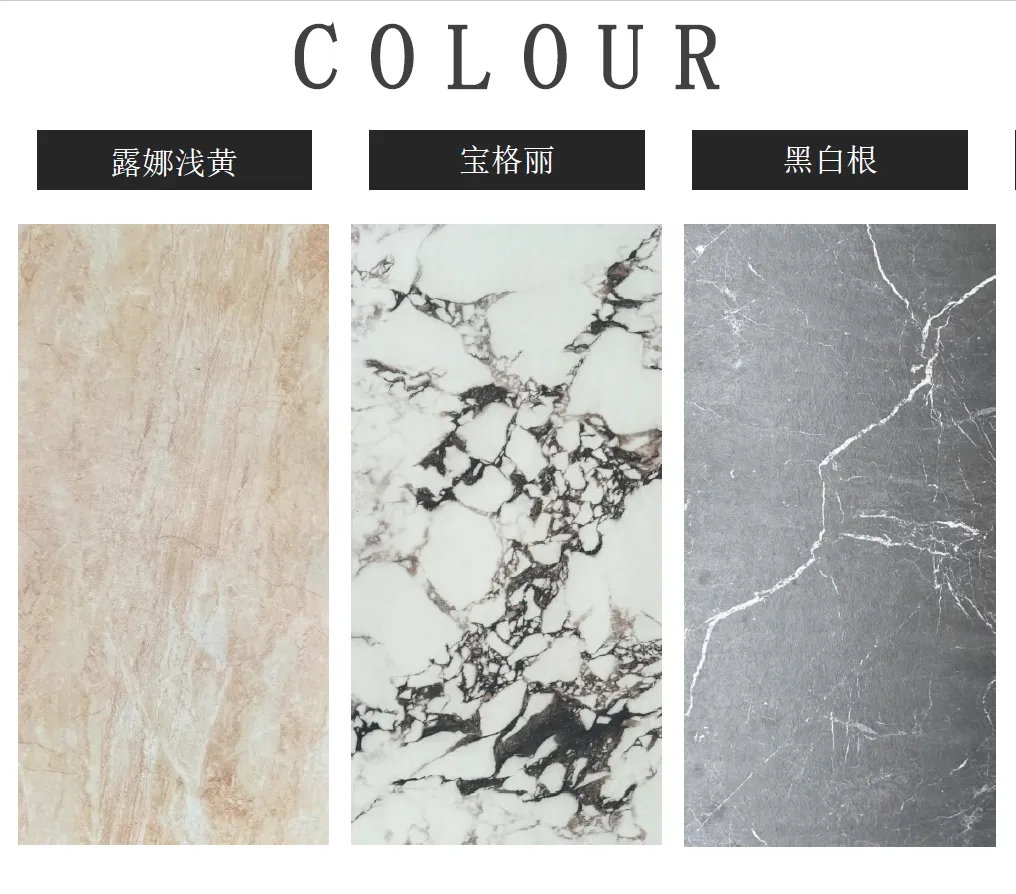
Walk into any modern commercial space or high-end residential project today, and chances are you'll spot the distinct textures of MCM marble series products. From the soft veining of travertine (starry green) to the industrial edge of fair-faced concrete , and the sleek sheen of vintage silver foamed aluminium alloy board , MCM materials have redefined architectural design. But here's the thing I've learned after 15 years in the trade: even the most stunning MCM panels—whether it's a MCM flexible stone accent wall or a massive MCM big slab board series facade—will fall flat without the right tools. This guide isn't just about listing gadgets; it's about arming you with the knowledge to make your next installation smooth, precise, and proud-worthy.
I once watched a rookie crew botch a lunar peak silvery feature wall because they eyeballed measurements instead of breaking out the tape. Spoiler: the panels didn't line up, and the client refused to pay until we fixed it. Don't be that crew. Measuring and marking tools aren't "optional"—they're the foundation of every successful install.
Digital Tape Measure : Ditch the clunky analog versions for a digital tape with a backlit screen. When you're dealing with MCM big slab board series panels (some over 4ft wide), a 30ft digital tape with laser accuracy ensures you don't miss by even 1/8 inch. Pro tip: Look for one with a "hold" function—your arms will thank you when measuring ceiling heights solo.
Carpenter's Square (12" x 18") : Angles matter, especially with geometric designs. Whether you're installing square line stone or curved round line stone , a heavy-duty aluminum square keeps corners sharp. I keep two on-site—one for marking, one for double-checking (trust me, squares warp over time).
Laser Level with Tripod : For wave panels or ripple boards , a laser level isn't a luxury—it's a necessity. The weaving (khaki) panels I installed last month? Their undulating pattern needed a dead-straight reference line to avoid looking chaotic. A self-leveling laser (I swear by DeWalt's green beam) cuts setup time in half and keeps the entire crew on the same page.
Chalk Line Reel & Water-Soluble Chalk : When marking cuts on porous materials like travertine (beige) or historical pathfinders stone , regular chalk stains. Opt for water-soluble chalk instead—it wipes off with a damp cloth, leaving your panels spotless.
MCM materials are a mixed bag: MCM flexible stone bends like thick cardboard, while fair-faced concrete is as tough as traditional concrete. Cutting them requires tools that match their personalities. Here's how to avoid shattered panels and ragged edges.
| MCM Material | Best Cutting Tool | Blade/Accessory | Pro Tip |
|---|---|---|---|
| MCM Flexible Stone | Jigsaw with orbital action | Fine-tooth bi-metal blade (10-14 TPI) | Use a scrap wood backing to prevent tear-out on the backside |
| Travertine (starry green) | Wet tile saw | Diamond-tipped continuous rim blade | Keep water flowing—dry cutting causes dust and chips the starry flecks |
| Vintage silver foamed aluminium alloy board | Circular saw | Carbide-tipped metal-cutting blade | Clamp the panel tight—foamed aluminium flexes mid-cut, ruining edges |
| Fair-faced concrete | Angle grinder with cut-off wheel | 12" diamond segmented blade | Go slow—concrete heats up fast, and overheating warps the blade |
Honorable Mention: Tile Nipper For intricate cuts—like notching travertine (starry red) around outlets—a pair of carbide-tipped tile nippers is irreplaceable. Just nibble small bits at a time; aggressive squeezing leads to cracks.
You could have the best adhesive money buys, but if the wall's dirty or uneven, your MCM flexible stone will peel faster than a sunburn. Surface prep is where pros separate themselves from amateurs.
Angle Grinder with Cup Wheel : Rough surfaces? No problem. A 4.5" angle grinder with a diamond cup wheel smooths out bumpy drywall, old mortar, or even rough granite stone (medium grey) backer boards. I used this last month to prep a wall for rammed earth board (matcha green) —the difference in adhesion was night and day.
Wire Brush Attachment : Vintage gold foamed aluminium alloy board and rust square line stone often arrive with factory residue or light oxidation. A wire brush (attached to the angle grinder) blasts away grime without scratching the finish. Pro move: Follow with a microfiber cloth dampened with isopropyl alcohol for a squeaky-clean surface.
Self-Leveling Compound Kit : When installing large MCM big slab board series panels, even a 1/4" dip in the wall will show. Mix up a self-leveling compound (I prefer Ardex) and trowel it on—let it dry 24 hours, and you've got a perfectly flat canvas.
Adhesive application is a art. Too little, and panels slide; too much, and goop oozes out, ruining the finish. Here's how to master it, no matter the MCM material.
Notched Trowels: Size Matters : For MCM flexible stone and thin weaving (beige) panels, a 3/16" V-notch trowel spreads adhesive evenly without excess. For heavy boulder slab (vintage black) or fair-faced concrete , step up to a 1/2" square-notch trowel—you need that extra adhesive to support the weight.
Adhesive Gun (Caulk-Style) : When working with small mosaic pieces like rust mosaic stone or intricate thread designs, a caulk-style adhesive gun gives pinpoint control. Load it with a high-quality construction adhesive (like Loctite PL Premium) and squeeze gently—no mess, no waste.
Notched Spreader (For Vertical Installs) : Installing travertine (starry blue) on a ceiling? A notched spreader with a "V" profile ensures adhesive stays put, even when gravity tries to pull it down. Trust me, I've cleaned enough ceiling adhesive drips to know.
MCM big slab board series panels weigh 50-80 lbs each. Trying to manhandle them alone is a recipe for strained backs and cracked panels. Invest in these tools, and you'll work smarter, not harder.
Vacuum Suction Lifters : A pair of 4-inch vacuum lifters (with a locking mechanism!) will change your life. Attach them to travertine (vintage gold) or lunar peak black slabs, flip a switch, and the vacuum holds tight. I've lifted slabs solo using these—game-changer.
Panel Support Clamps : When setting wave panels or ripple board (grey) in place, support clamps keep them level while the adhesive sets. Adjustable to any height, they're like having an extra pair of hands.
The difference between "good" and "great" installations? The finishing touches. These tools ensure your work looks professional long after the job's done.
Grout Float (Rubber) : For mosaic travertine or rust mosaic stone , a rubber grout float presses grout into gaps without scratching the surface. Hold it at a 45-degree angle and work in small sections—wipe excess with a damp sponge before it dries.
Polishing Pads (Wet/Dry) : Travertine (starry orange) and golden travertine (white golden) shine brightest with a little buffing. Attach a 4-inch polishing pad to the angle grinder, spritz with water, and go from 400-grit to 2000-grit for a mirror finish.
Caulk Gun with Color-Matched Caulk : Seal edges around foamed aluminium alloy board (gold) or fair-faced concrete with caulk that matches the panel color. I keep a dozen tubes on hand—nothing ruins a clean install like bright white caulk on a vintage black boulder slab .
Dull blades and rusty tools slow you down and ruin materials. Spend 10 minutes after each job maintaining your gear, and they'll last for years.
Diamond Blade Cleaner : Soak cutting blades in a blade cleaner solution (or white vinegar, in a pinch) to dissolve concrete and stone buildup. A clean blade cuts faster and stays sharper longer.
Lubricate Moving Parts : Jigsaws, angle grinders, and drills need love too. A drop of 3-in-1 oil on pivot points and gears prevents rust and keeps tools running smoothly.
Storage Organizer : I use a rolling tool chest with labeled drawers—no more digging for that 3/16" notched trowel when you're in a hurry. Plus, it keeps tools dry on rainy job sites (looking at you, gobi panel installs in the desert).
At the end of the day, MCM marble series installations are about more than materials—they're about craftsmanship. With the right tools, you'll turn travertine (starry green) slabs into art, foamed aluminium alloy board (vintage silver) into statement pieces, and MCM flexible stone into walls that tell stories. So gear up, stay safe, and remember: the best tool in your box is patience. Now go make that client say, "Wow."
Recommend Products












