
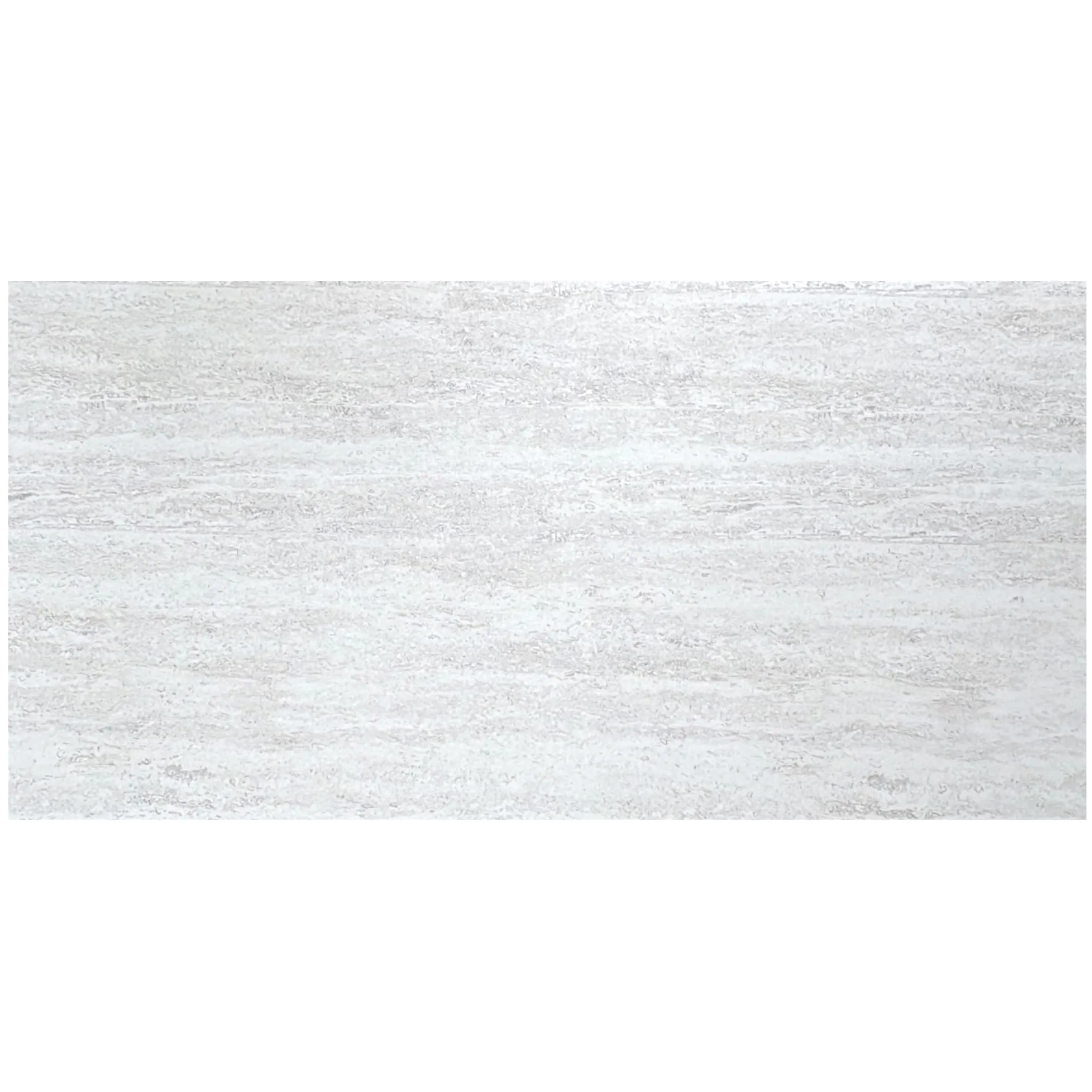
Picture this: You walk into a café on a rainy afternoon, craving a quiet corner to read. But instead of the soft murmur of conversation, your ears are hit with a wall of sound—clinking cups, laughter bouncing off the walls, the espresso machine's roar echoing like thunder. You leave, disappointed, realizing that even the most beautifully designed spaces can feel uninviting if they're acoustically chaotic. In our fast-paced world, where open offices, bustling restaurants, and compact city homes are the norm, noise has become the silent disruptor of comfort. We spend so much time choosing colors, textures, and furniture to make spaces look "right," but what if the key to truly harmonious design lies in how a space sounds ? Enter materials like Ethereal Shadow Travertine—a stone that doesn't just please the eye, but calms the ear. Let's dive into how this remarkable material, alongside other innovative options like MCM Flexible Stone and Rammed Earth Board, is redefining acoustic comfort in modern spaces.
Noise isn't just an annoyance—it's a health hazard. Studies show that prolonged exposure to high noise levels increases stress, disrupts sleep, and even impairs cognitive function. Yet, many of our favorite spaces are designed with little thought to acoustics. Smooth marble walls, glossy concrete floors, and glass partitions might look sleek, but they act like sound mirrors, bouncing noise around instead of absorbing it. The result? A living room where your kids' laughter feels twice as loud, a home office where the neighbor's TV seeps through the walls, or a restaurant where you have to shout to be heard across the table.
The solution isn't to avoid beautiful materials—it's to choose materials that work with sound, not against it. Enter Ethereal Shadow Travertine, a material that marries aesthetic elegance with acoustic intelligence. But before we get to its magic, let's understand why some surfaces silence noise while others amplify it.
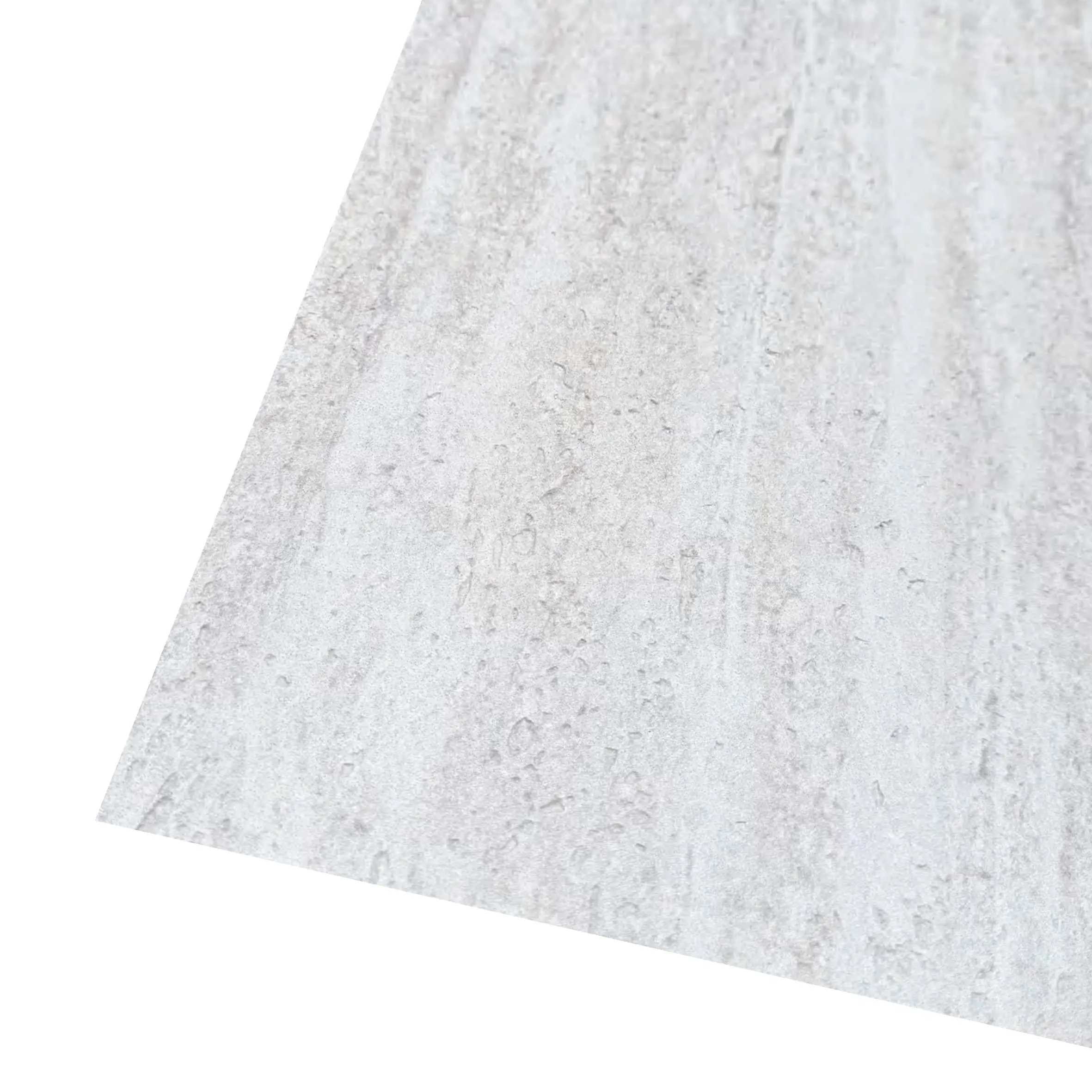
Sound travels in waves, and when those waves hit a surface, one of three things happens: they're reflected (think of a echo in a empty room), absorbed (soaked up, like a sponge), or diffused (scattered in different directions). Hard, smooth surfaces—like polished marble or glass—reflect most sound waves, creating that "bouncy" echo effect. Soft, porous materials—like fabric or foam—absorb them, but they often lack durability or visual appeal. The sweet spot? Textured, semi-porous surfaces that balance absorption and diffusion. These surfaces break up sound waves, preventing them from bouncing back as a single, loud echo and instead scattering them into softer, less intrusive vibrations.
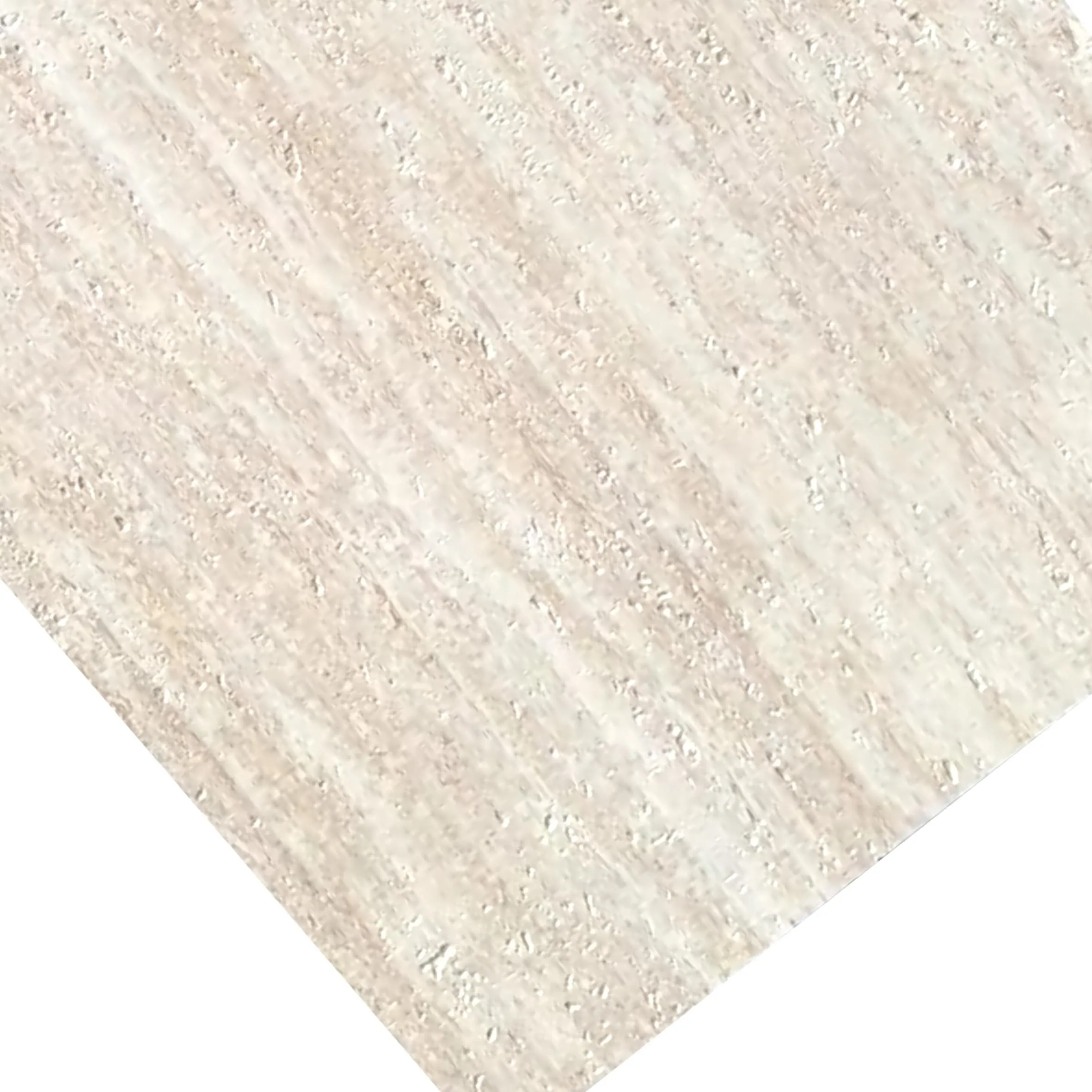
This is where materials like Ethereal Shadow Travertine shine. Unlike uniform stones, it has a naturally pitted, uneven surface—think tiny valleys and peaks—that disrupts sound waves. Its porous structure acts like a series of tiny traps, catching and dampening noise before it can ricochet. It's the acoustic equivalent of a gentle hand on a loudspeaker, turning chaos into calm.
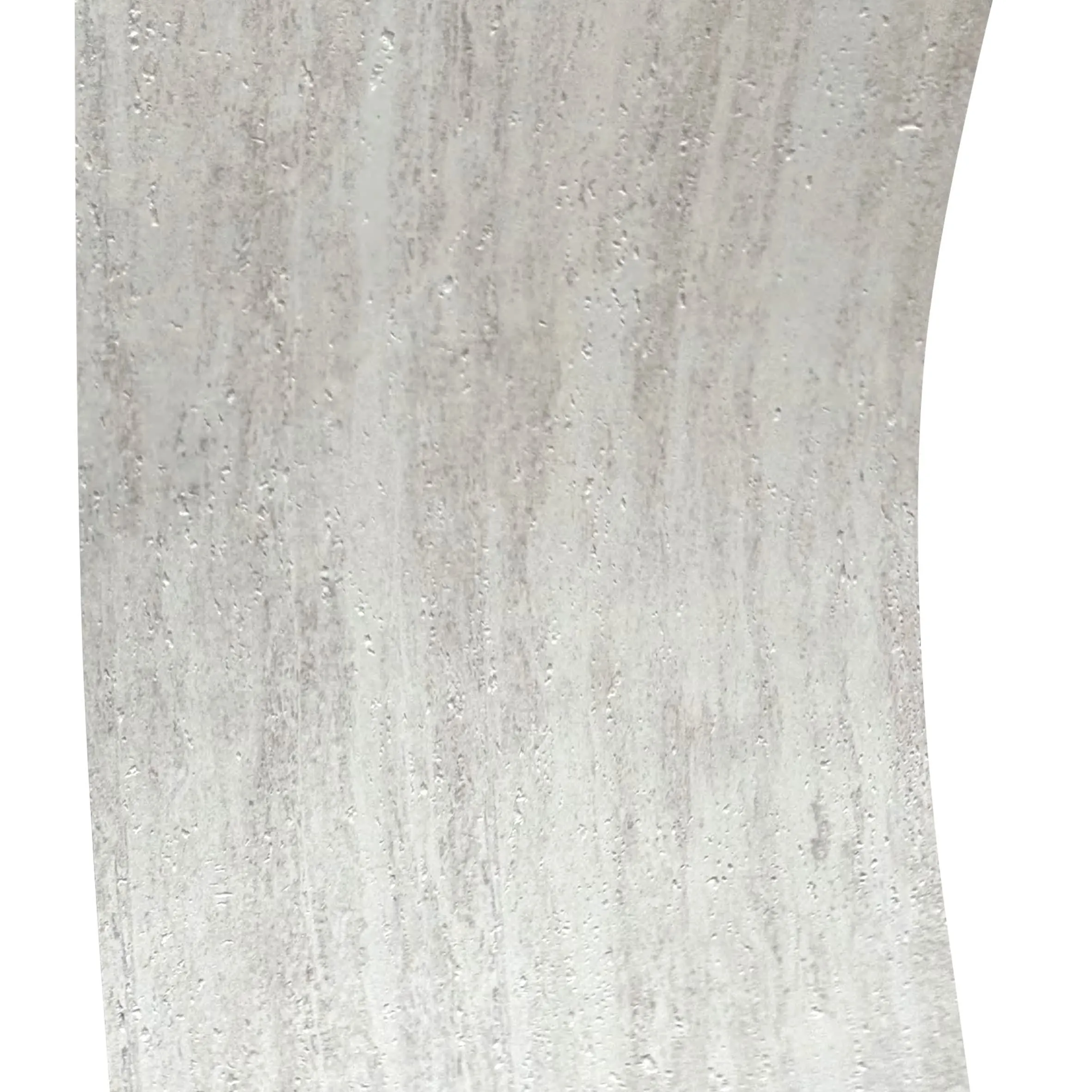
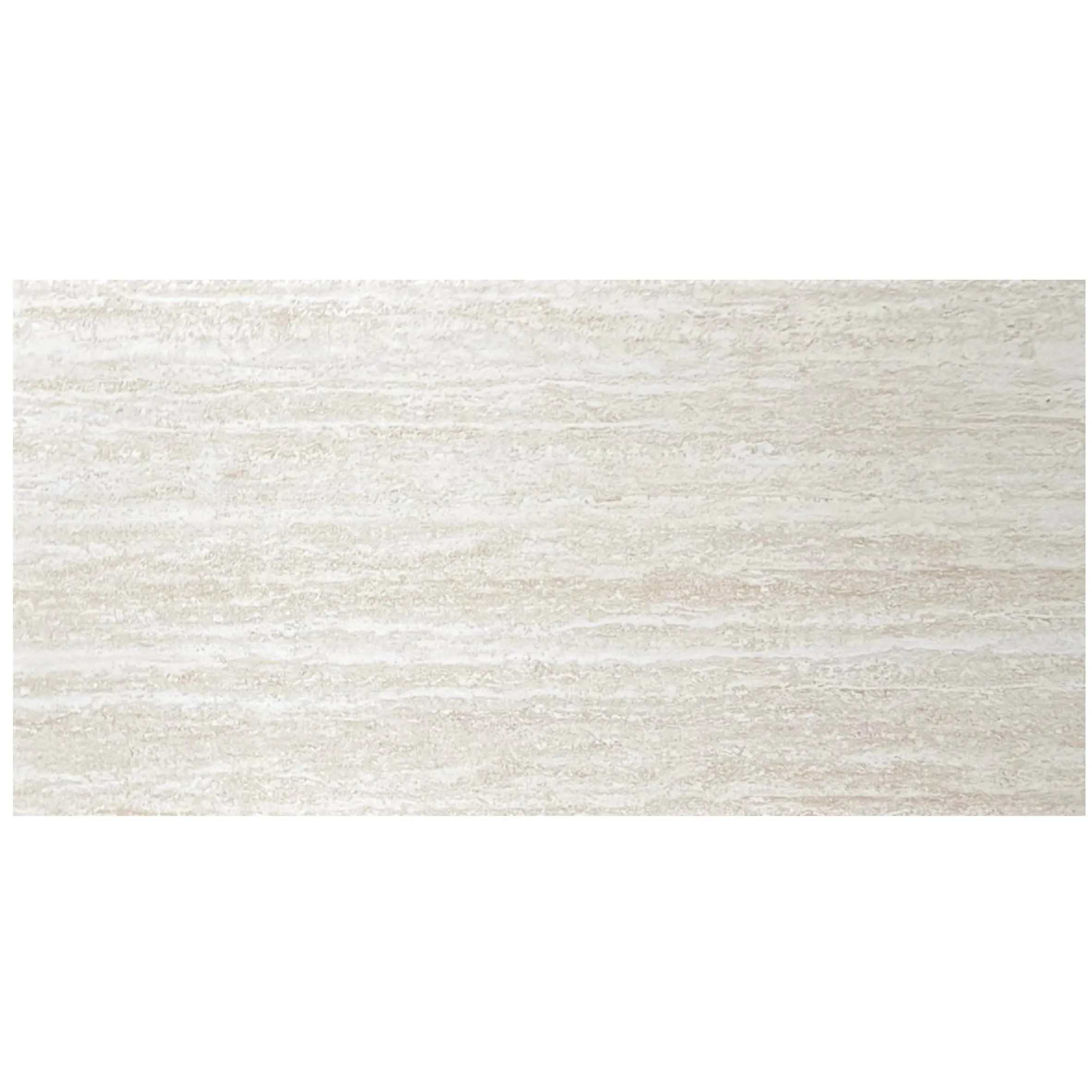
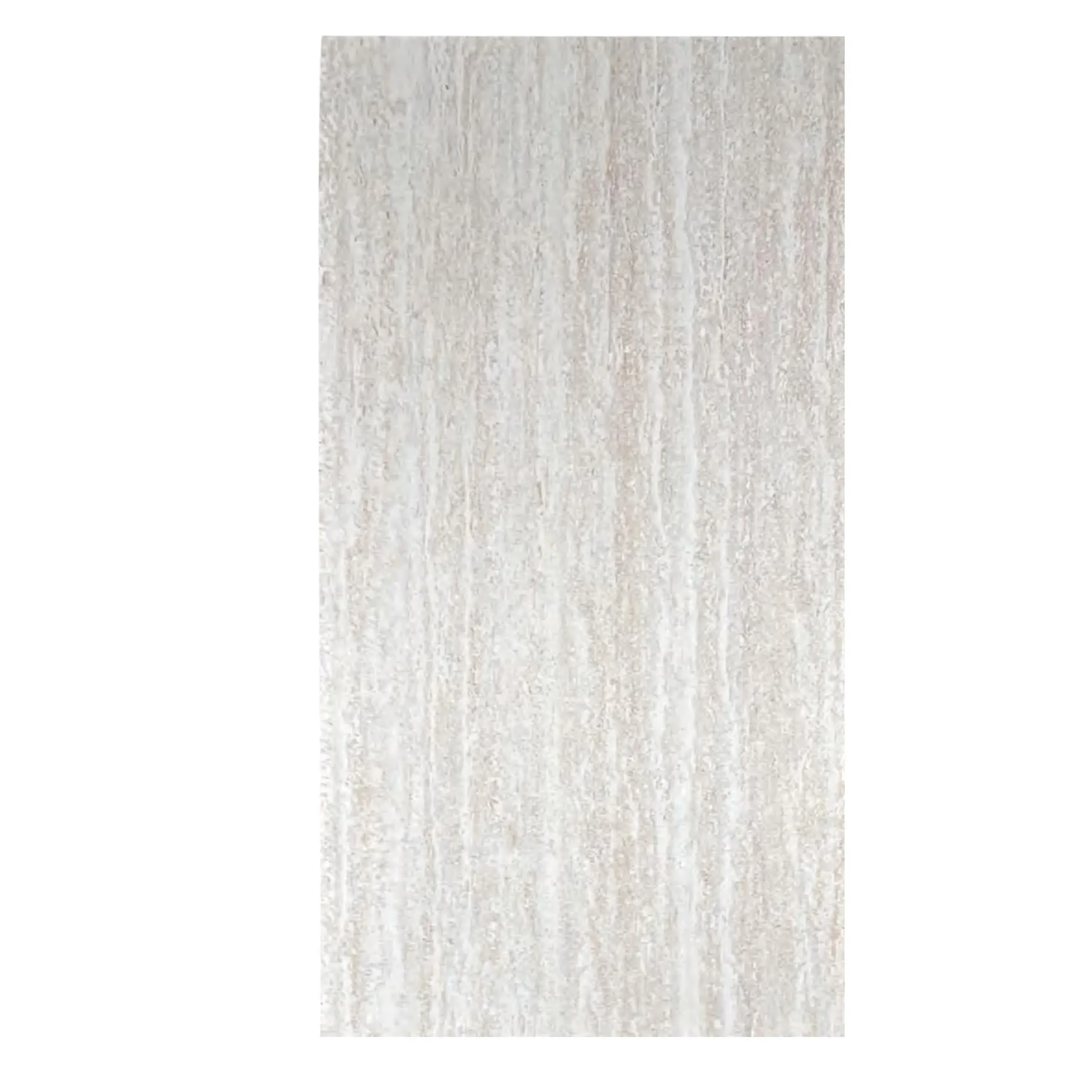
Let's start with the basics: What is Ethereal Shadow Travertine? Part of MCM's innovative line of building materials, it's a type of travertine—a sedimentary stone formed by mineral-rich water depositing calcium carbonate over time—with a unique twist. Its surface is characterized by delicate, shadowy veining and a slightly rough texture, giving it an otherworldly, almost misty appearance (hence the "ethereal" in its name). Designers love it for its ability to add depth to walls, backsplashes, or feature panels; it pairs equally well with minimalist modern decor and rustic, earthy themes. But its true genius lies in how that texture works acoustically .
The Acoustic Edge: Ethereal Shadow Travertine's porous structure is no accident. Those tiny holes and irregularities aren't just for show—they're sound absorbers. When sound waves hit the stone, they seep into these pores, where friction converts the sound energy into heat (a process called "viscous absorption"). The result? Less echo, softer ambient noise, and a space that feels "breathable" acoustically. In tests, Ethereal Shadow Travertine has shown a Noise Reduction Coefficient (NRC) of around 0.4–0.5 (on a scale of 0 to 1, where 1 is perfect absorption), making it significantly more effective than smooth marble (NRC 0.1–0.2) or glossy ceramic tiles (NRC 0.05–0.1).
Take a hotel lobby, for example. Traditional lobbies often use polished stone floors and marble walls, which turn the sound of rolling suitcases, chatter, and footsteps into a cacophony. Swap those marble walls for Ethereal Shadow Travertine panels, and suddenly the space feels calmer. The sound of a guest checking in doesn't echo across the room; it fades gently, creating a sense of intimacy even in a large, open area. It's the difference between standing in a canyon and standing in a forest—both are beautiful, but one feels overwhelming, and the other feels nurturing.
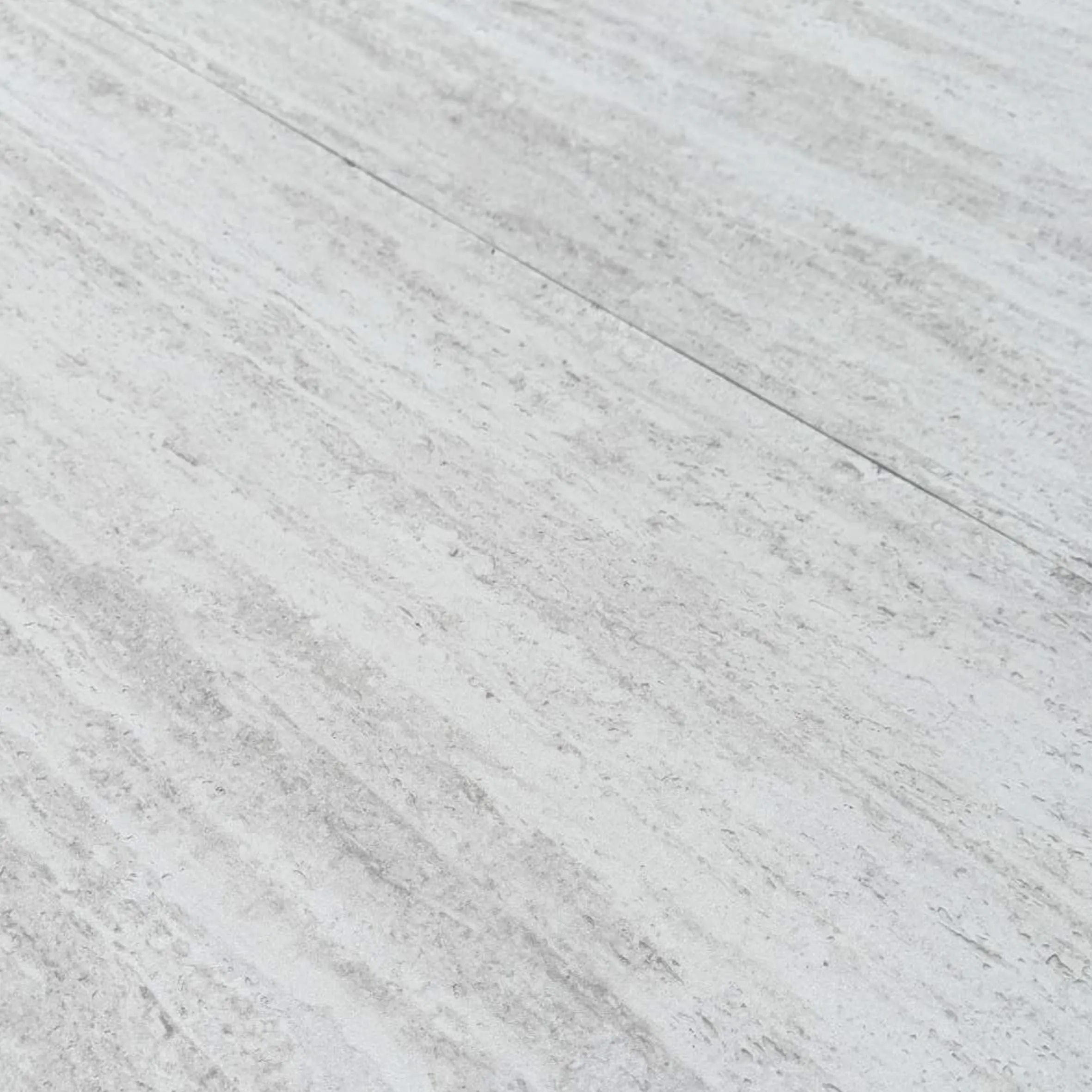
Ethereal Shadow Travertine is a standout, but it's not alone in the fight against noise. MCM's range includes other materials that excel at acoustic performance, each with its own personality and strengths. Let's meet a few key players:
MCM Flexible Stone lives up to its name—it's lightweight, bendable, and can be shaped into curves, waves, or custom patterns. While its flexibility makes it a designer favorite for unique installations (think curved accent walls or ceiling panels), it's also a secret acoustic weapon. By molding the stone into uneven, wave-like surfaces, designers can create "diffusion zones" that scatter sound waves in multiple directions, preventing them from piling up into echo. Imagine a home theater with MCM Flexible Stone panels shaped like gentle hills on the walls—instead of the sound bouncing straight back at you, it's spread evenly, making dialogue clearer and music richer. It's like adding a conductor to an orchestra of sound, ensuring every note is heard without chaos.
There's something inherently calming about Rammed Earth Board. Made by compressing layers of earth, clay, and natural binders, it has a raw, organic texture that feels like a piece of the outdoors brought inside. But beyond its earthy charm, it's a acoustic powerhouse. The dense, layered structure acts like a sound barrier, blocking noise from outside while absorbing echoes from within. A bedroom with Rammed Earth Board walls (say, the soft Matcha Green or warm Gradient B variant) feels like a sanctuary—traffic noise from the street is muffled, and the room's natural reverb is reduced to a gentle hum. It's the kind of material that makes you want to sigh and say, "Ah, this is how home should feel."
Fair-faced Concrete (also called "exposed concrete") has become a staple in modern design for its minimalist, industrial vibe. But what many don't realize is that its rough, unpolished surface is great for acoustics. Unlike smooth concrete, which reflects sound, fair-faced concrete has tiny pits and imperfections that absorb high-frequency noise (like voices or clattering dishes). A co-working space with fair-faced concrete walls and Ethereal Shadow Travertine accent panels? Suddenly, the buzz of printers and keyboard clicks fades into a gentle background hum, making it easier to focus. It's proof that "industrial" doesn't have to mean "cold"—when paired with the right materials, it can feel surprisingly warm and quiet.
To help you choose the right material for your space, here's a breakdown of how Ethereal Shadow Travertine stacks up against its acoustic allies in key areas like NRC, best uses, and aesthetic vibe:
| Material | Noise Reduction Coefficient (NRC) | Key Acoustic Benefit | Best For | Aesthetic Vibe |
|---|---|---|---|---|
| Ethereal Shadow Travertine | 0.4–0.5 | Porous texture absorbs mid-to-high frequencies; scatters sound waves | Lobbies, restaurants, living rooms | Elegant, misty, timeless |
| MCM Flexible Stone | 0.3–0.4 | Custom shapes enable sound diffusion; lightweight for ceilings/walls | Home theaters, accent walls, curved spaces | Modern, sculptural, versatile |
| Rammed Earth Board (Matcha Green) | 0.5–0.6 | Dense layers block external noise; absorbs low-frequency rumbles | Bedrooms, home offices, quiet zones | Earthy, organic, warm |
| Fair-faced Concrete | 0.2–0.3 | Rough surface scatters high-frequency noise; durable and low-maintenance | Co-working spaces, industrial-style homes, cafes | Minimalist, industrial, raw |
| Wood Grain Board | 0.3–0.4 | Natural wood fibers absorb sound; warm tones soften noise perception | Dining rooms, libraries, bedrooms | Cozy, rustic, timeless |
Let's step out of theory and into real life. Consider a boutique hotel in Barcelona that recently renovated its lobby using Ethereal Shadow Travertine walls and Rammed Earth Board accents. Previously, guests complained about the lobby feeling "loud and cold," with noise from the reception desk and lounge area blending into an overwhelming hum. After the renovation, the difference was striking. The hotel manager noted, "Guests now linger longer—they sit on the couches, read books, chat softly. The space feels welcoming, not chaotic. We didn't just change the walls; we changed the energy of the lobby."
Or take a small home office in Tokyo, where a designer used MCM Flexible Stone in a wave pattern on one wall and Fair-faced Concrete on another. The client, a freelance writer, had struggled with focus due to street noise and echo from her keyboard. "Now, when I type, the sound doesn't bounce back at me," she says. "It's like the walls are listening, not shouting. I get twice as much work done, and I actually look forward to sitting at my desk."
These stories highlight a crucial point: acoustic design isn't just for concert halls or recording studios. It's for everyday spaces . It's for the parent trying to a baby to sleep while the TV is on in the next room. It's for the student studying in a busy library. It's for anyone who wants their space to feel like a retreat, not a battlefield of sound.
Ready to bring more quiet into your space? Here are a few tips to guide you:
As we spend more time at home, in offices, and in public spaces, the demand for acoustically thoughtful design will only grow. Materials like Ethereal Shadow Travertine are leading the charge, proving that beauty and function don't have to be mutually exclusive. They remind us that a well-designed space isn't just something we see—it's something we experience , with all our senses. So the next time you're planning a renovation or designing a new space, ask yourself: "How will this feel?" Not just to the touch, or the eye, but to the ear. Because in the end, the most memorable spaces are the ones that don't just look like home—they sound like it, too.
Ethereal Shadow Travertine, MCM Flexible Stone, Rammed Earth Board—these aren't just materials. They're tools for creating peace in a noisy world. And isn't that the ultimate goal of design? To make spaces that nurture us, calm us, and let us breathe a little easier. Quietly.
Recommend Products












