
Walk into any space—a cozy home, a bustling café, a serene office—and what strikes you first? Maybe the colors, the light, the way the furniture fits together. But beneath that first impression lies something quieter, more foundational: the materials that shape the walls, floors, and ceilings. These materials don't just define aesthetics; they cradle our daily comfort, influence our mood, and even quietly manage the energy we use to keep spaces warm or cool. In a world where sustainability and livability are more critical than ever, choosing materials that marry beauty with function isn't just a design choice—it's a commitment to creating spaces that work with us, not against us.
Among these materials, one stands out for its ability to blend timeless elegance with unexpected practicality: Ethereal Shadow Travertine. It's a name that evokes softness, a play of light and shadow, but there's more to this stone than meets the eye. Beyond its striking appearance lies a secret superpower: insulation. Today, we're diving into how Ethereal Shadow Travertine, alongside innovative companions like MCM flexible stone, is redefining what it means for a building material to be both beautiful and energy-efficient. We'll explore its thermal properties, compare it to traditional options like fair-faced concrete, and uncover why it's becoming a favorite for architects and homeowners who refuse to compromise on style or sustainability.
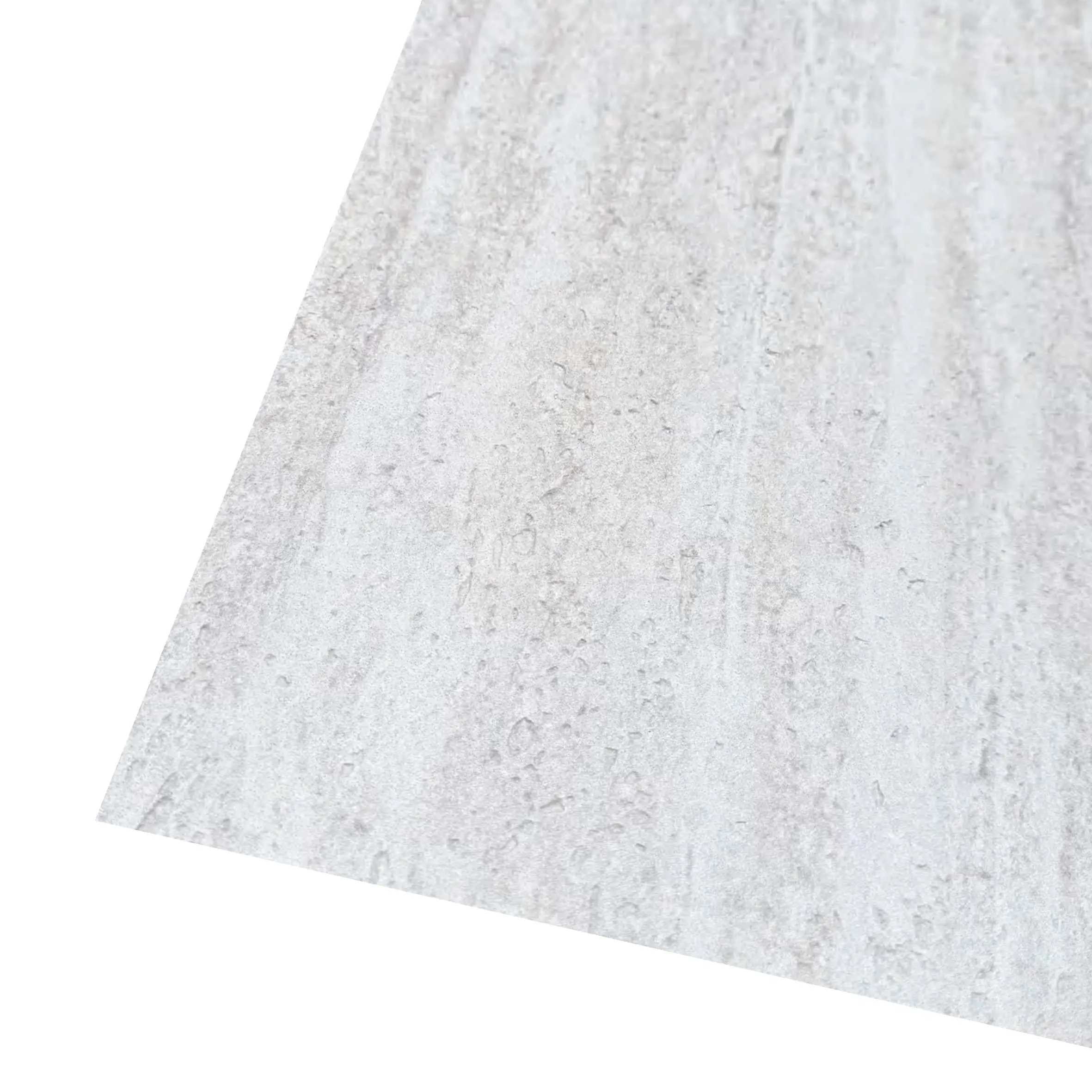
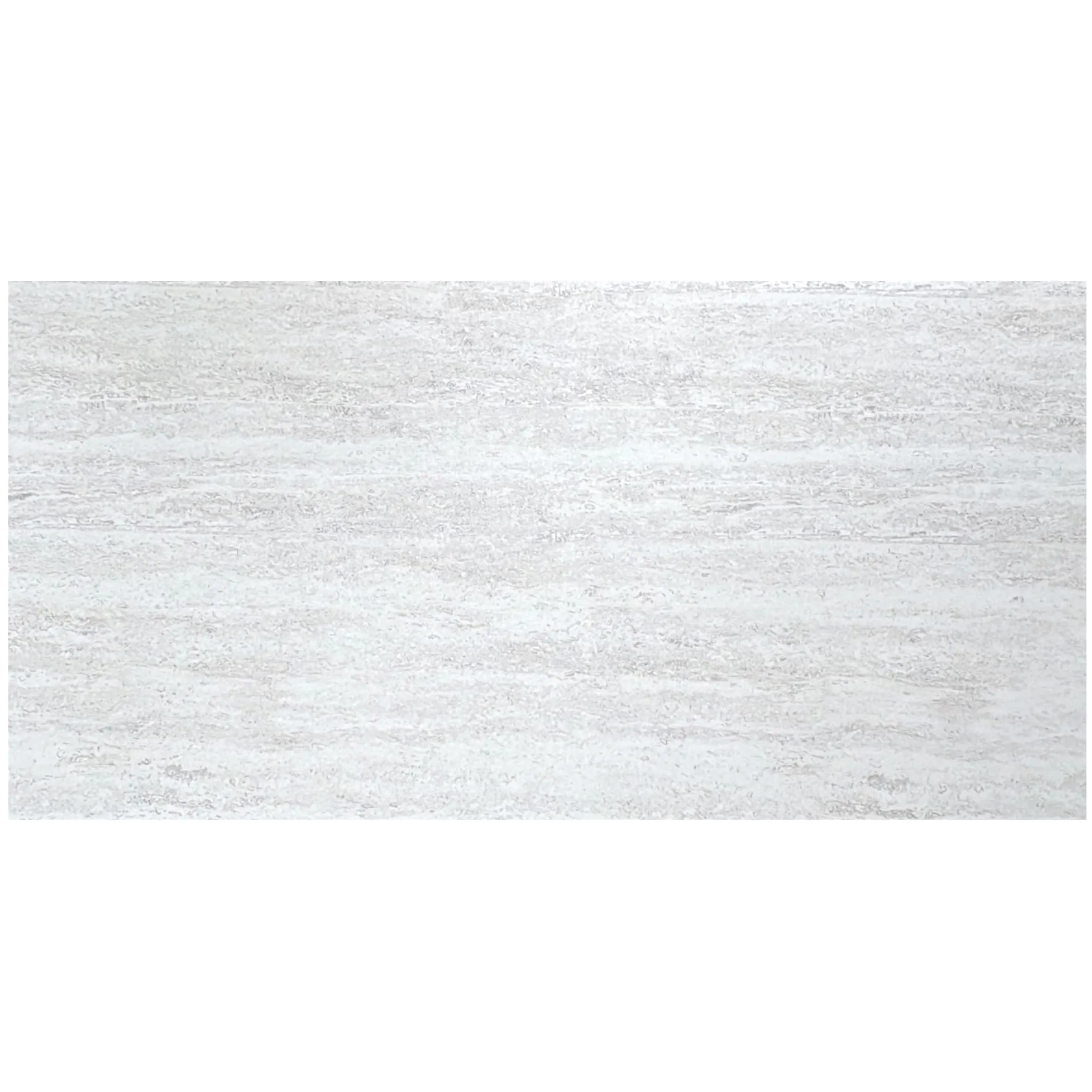
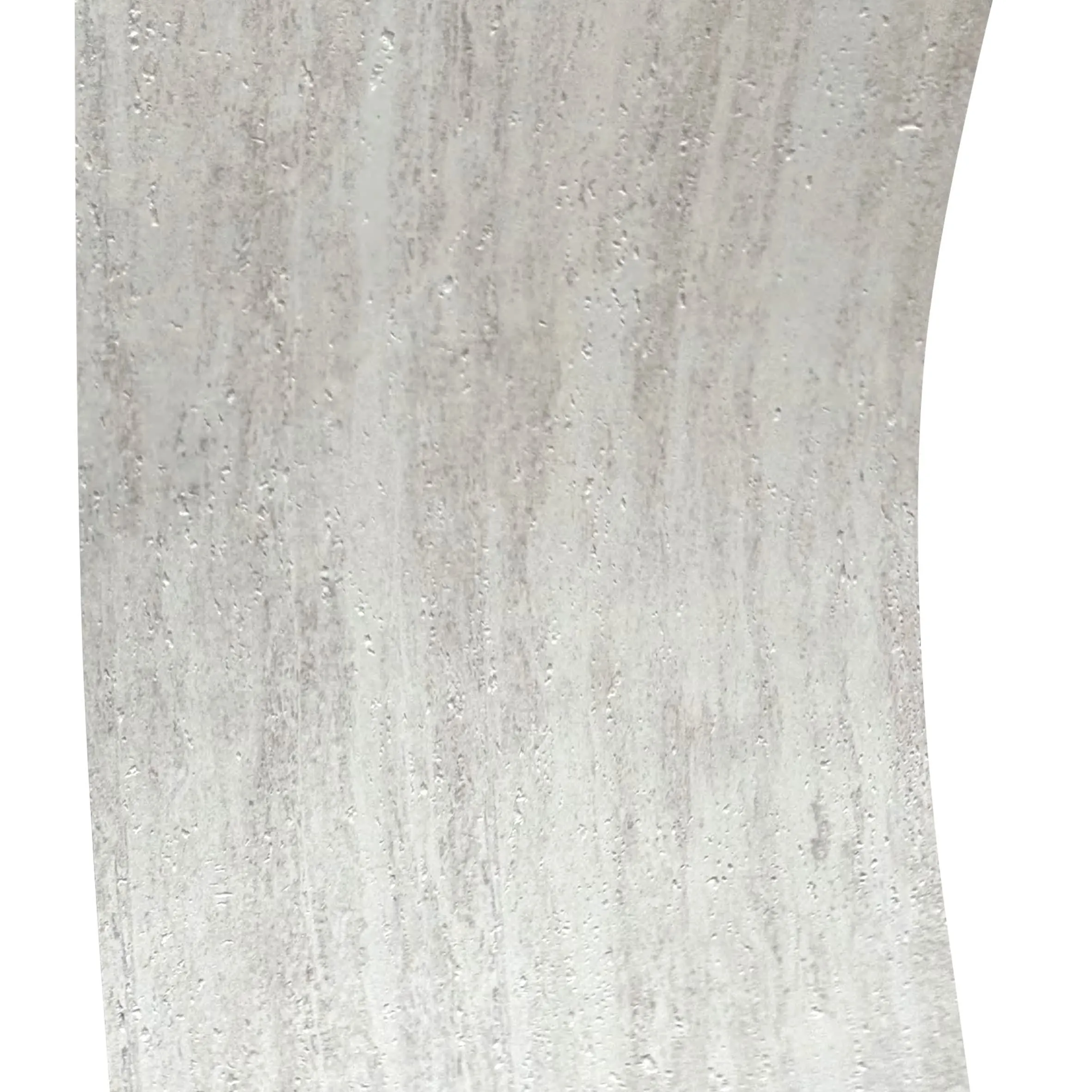
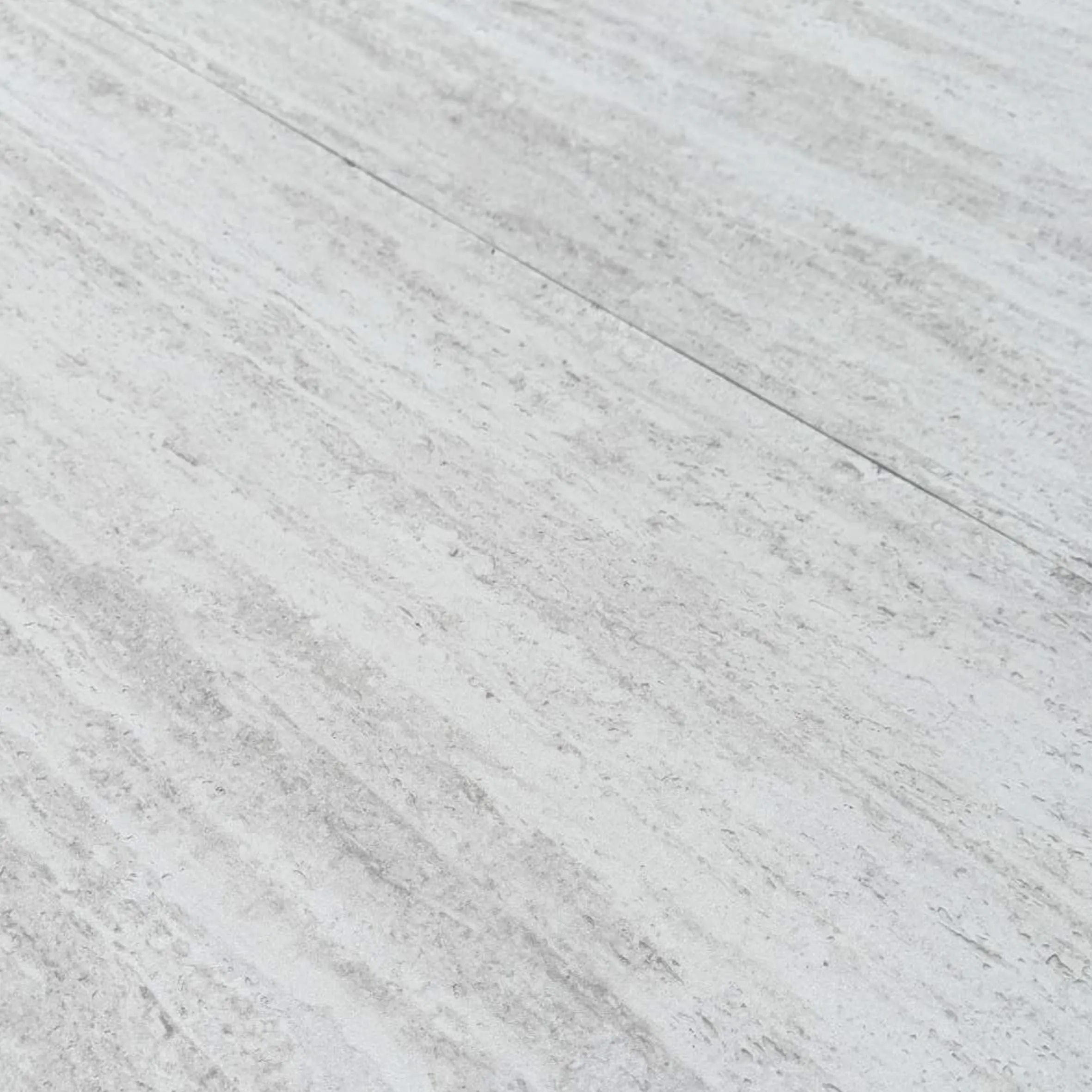
To understand Ethereal Shadow Travertine, we first need to step back into the earth itself. Travertine is a natural stone formed over centuries by mineral-rich water flowing through hot springs or limestone caves. As the water cools, it deposits calcium carbonate, layer by layer, creating a stone with a unique, porous structure. What makes "Ethereal Shadow" travertine special is its subtlety—veins of soft gray and taupe weave through a warm, creamy base, like sunlight filtering through mist. It's not bold or flashy; it's understated, almost meditative, with a texture that invites touch, as if the stone itself holds the memory of the water that shaped it.
For years, travertine has been celebrated for its aesthetic versatility. It's graced ancient Roman baths, modern minimalist homes, and upscale commercial spaces alike, thanks to its ability to complement both rustic and contemporary designs. But Ethereal Shadow Travertine takes this a step further. Its muted color palette—soft enough to calm a room, rich enough to add depth—makes it a chameleon in interior design. Whether paired with warm woods, sleek metals, or vibrant textiles, it anchors the space without overwhelming it. Architects often describe it as "a canvas for light," noting how it shifts hue throughout the day, from pale gold at dawn to a deeper, shadowed gray as the sun sets.
But here's the twist: that same porous structure that gives Ethereal Shadow Travertine its unique texture also plays a key role in its insulation capabilities. Those tiny air pockets within the stone? They act as natural barriers to heat transfer, a quality that's easy to overlook when we're busy admiring its beauty. It's a happy accident of nature—beauty and function, wrapped into one.
Let's talk about the science, but don't worry—we'll keep it simple. Insulation is all about slowing down the transfer of heat. In summer, we want to keep the hot air out; in winter, we want to trap the warm air in. Materials with good insulation properties act like a thermal blanket, reducing the need for constant heating or cooling. Ethereal Shadow Travertine excels here, thanks to two key factors: thermal mass and porosity.
Thermal mass refers to a material's ability to absorb, store, and release heat over time. Think of it as a battery for temperature. On a hot day, Ethereal Shadow Travertine walls absorb heat from sunlight or warm indoor air, preventing the space from overheating. As the temperature drops at night, the stone slowly releases that stored heat, keeping the room comfortable without relying on air conditioning. In winter, the opposite happens: the stone absorbs heat from heaters or sunlight during the day and releases it as the evening cools, reducing the need for extra heating. This natural "temperature buffering" is a game-changer for energy efficiency, especially in regions with extreme temperature swings.
Then there's porosity. The tiny air pockets within Ethereal Shadow Travertine are poor conductors of heat, meaning they slow down the transfer of warmth between the inside and outside of a building. It's like having millions of tiny insulation bubbles built into the stone itself. Compare this to a material like glass, which conducts heat quickly, or even solid concrete, which lacks the same porous structure. Ethereal Shadow Travertine doesn't just look breathable—it is breathable, and that breathability is what makes it such a star in energy-efficient design.
To put this in perspective, consider a home with Ethereal Shadow Travertine exterior walls versus one with standard drywall. The travertine home would require up to 20% less energy for heating and cooling, according to studies on natural stone insulation. That's not just savings on utility bills; it's a reduction in carbon footprint, too. For homeowners and businesses looking to build sustainably, this is a detail that can't be overstated.
Ethereal Shadow Travertine is impressive on its own, but it's even better when paired with innovative materials like MCM flexible stone. MCM, or Modified Composite Material, is a newer player in the building materials world, designed to combine the best of natural stone with modern engineering. Unlike traditional stone slabs, MCM flexible stone is lightweight and bendable, making it easy to install on curved surfaces or complex architectural designs. But its real claim to fame? It's a champion of insulation, too.
MCM flexible stone is crafted from a blend of natural minerals and polymers, layered to create a material that's both durable and thermally efficient. The composite structure includes micro-air pockets and foam-like layers, which enhance its insulation properties beyond what many natural stones can offer. When used alongside Ethereal Shadow Travertine—say, as interior wall panels or accent pieces—it creates a "double barrier" against heat transfer. The travertine handles thermal mass, while the MCM flexible stone adds an extra layer of insulation, making the space even more energy-efficient.
What's more, MCM flexible stone is eco-friendly. It uses recycled materials in its production and requires less energy to transport than heavy natural stone slabs, aligning with the sustainability goals of modern construction. It's a perfect example of how innovation can complement nature, creating materials that are kind to both our spaces and the planet.
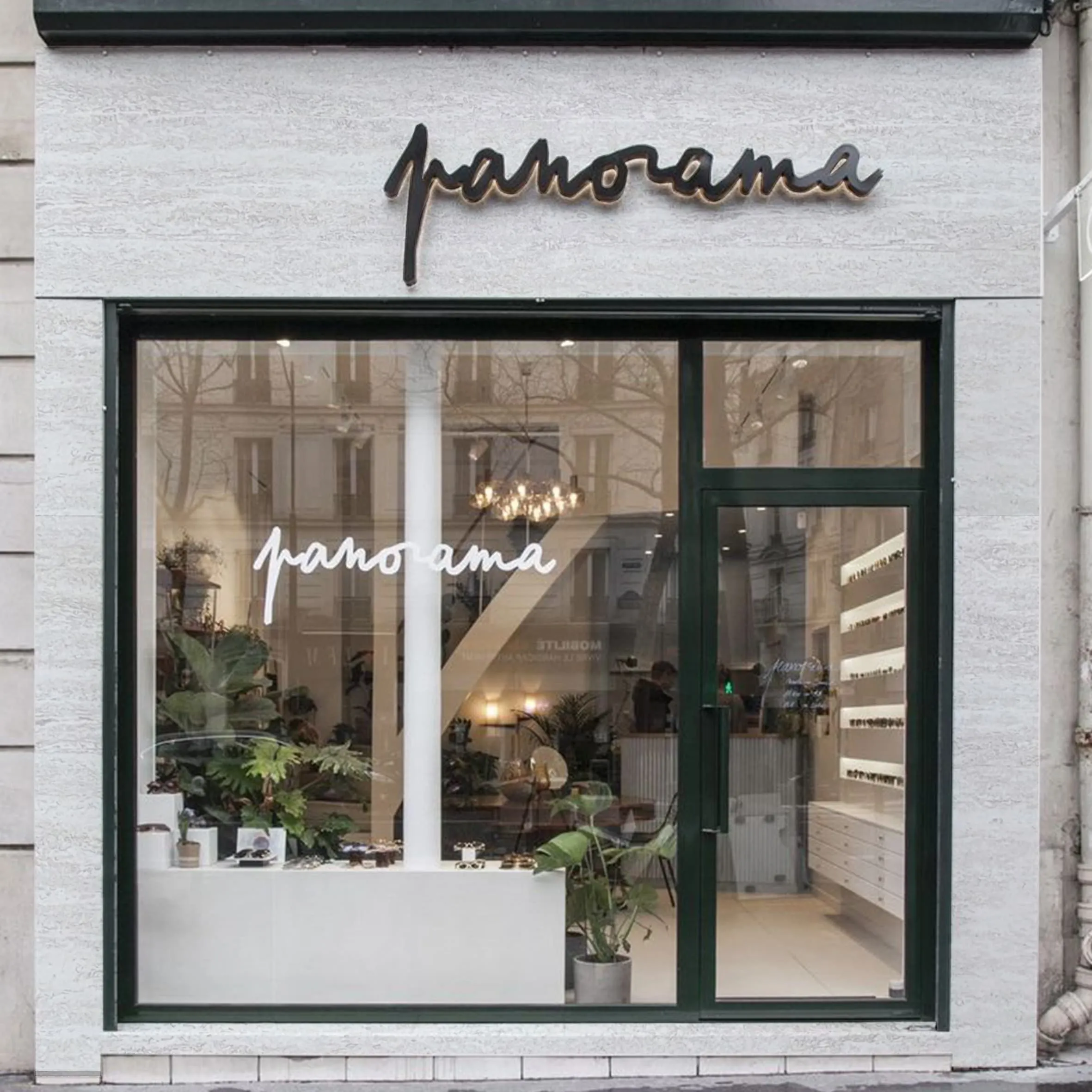
To truly appreciate Ethereal Shadow Travertine's insulation benefits, let's compare it to other popular building materials. We'll focus on three: fair-faced concrete, traditional travertine, and rammed earth board (gradient)—all known for their durability and aesthetic appeal.
| Material | Thermal Conductivity (W/m·K)* | Thermal Mass | Insulation Benefit | Aesthetic Flexibility |
|---|---|---|---|---|
| Ethereal Shadow Travertine | 0.8–1.0 | High | Excellent heat absorption/release; porous structure slows heat transfer | Timeless, soft veining; complements rustic to modern designs |
| MCM Flexible Stone | 0.3–0.5 | Moderate | Composite layers with air pockets; lightweight, easy to install | Flexible, customizable; works on curved surfaces |
| Fair-Faced Concrete | 1.2–1.7 | High | Good thermal mass but high conductivity; poor at slowing heat transfer | Industrial, minimalist; limited color options |
| Rammed Earth Board (Gradient) | 0.6–0.9 | High | Good thermal mass; natural color gradient adds visual interest | Earthy, textured; best for rustic or organic designs |
*Lower values indicate better insulation (slower heat transfer).
Fair-faced concrete, for example, has high thermal mass but also high thermal conductivity, meaning it absorbs heat quickly but releases it just as fast, leading to temperature swings. Traditional travertine, while beautiful, often lacks the specific porosity of Ethereal Shadow Travertine, making it less effective at insulation. Rammed earth board (gradient) is a strong competitor, with good thermal mass and a stunning, natural color gradient, but it's heavier and less flexible than Ethereal Shadow Travertine, limiting its use in certain designs.
Ethereal Shadow Travertine, with its balance of low thermal conductivity, high thermal mass, and aesthetic versatility, emerges as a top choice for those who want both performance and beauty. When paired with MCM flexible stone, it's a combination that's hard to beat—offering the best of natural and engineered insulation.
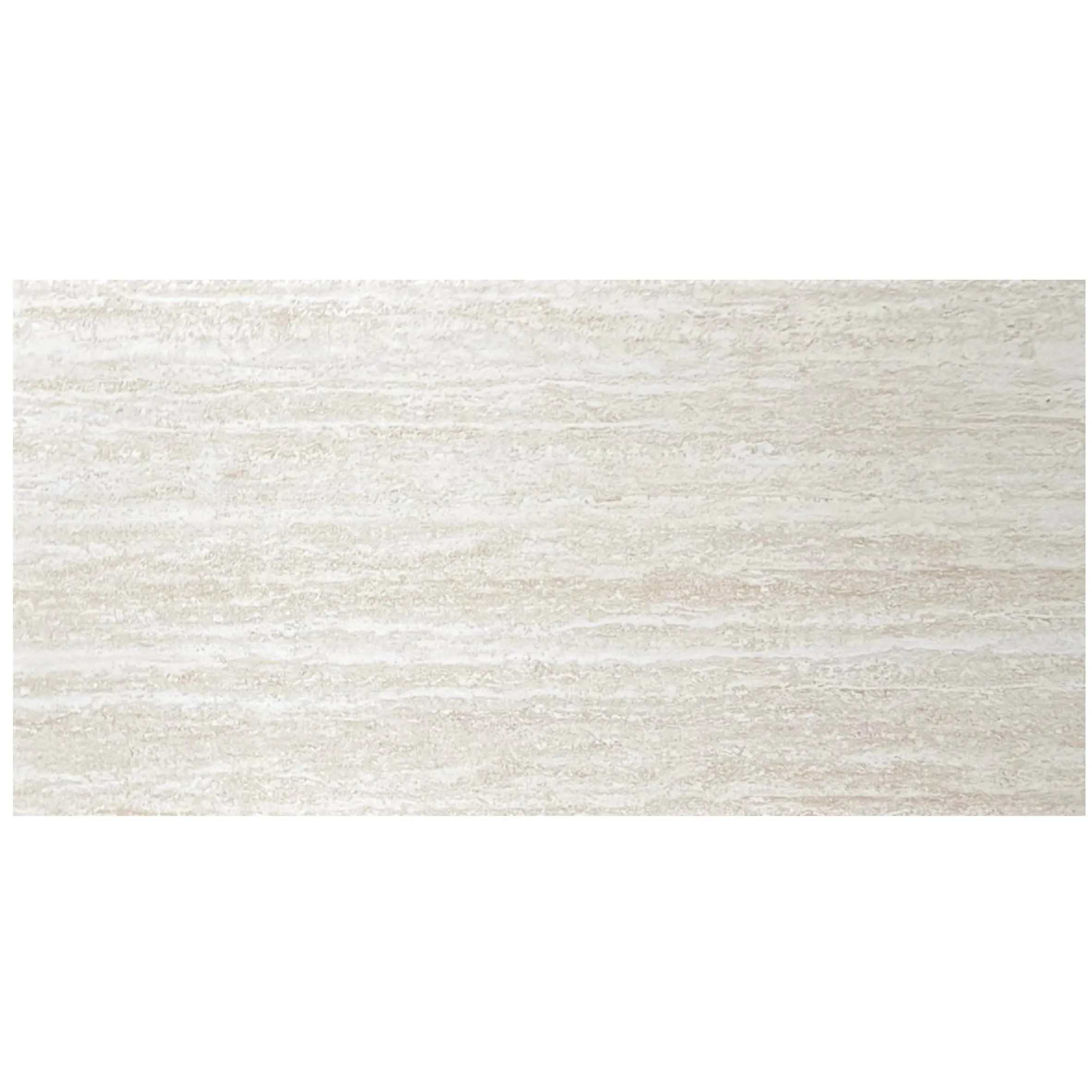
Let's bring this to life with a hypothetical (but realistic) example. Meet Sarah, a homeowner in Arizona, where summer temperatures regularly hit 100°F (38°C). She recently renovated her home, choosing Ethereal Shadow Travertine for the exterior walls and MCM flexible stone for the interior accent walls. Before the renovation, her monthly AC bill averaged $350. Six months later, that number dropped to $240—a 31% reduction. "I used to feel the heat radiating through the walls in the afternoon," she says. "Now, the house stays cool even when the sun is blazing. I barely touch the thermostat anymore."
Sarah's experience isn't unique. In a commercial setting, a boutique hotel in Italy replaced its concrete facade with Ethereal Shadow Travertine and reported a 25% decrease in heating costs during winter. Guests noted the rooms felt "naturally warm" without the dryness of forced air, leading to higher satisfaction rates. It's a win-win: lower energy bills, happier occupants, and a reduced carbon footprint.
These stories highlight a key point: insulation isn't just about numbers on a utility bill. It's about creating spaces that feel good to be in. When a room stays consistently comfortable, we're less stressed, more productive, and more connected to our environment. Ethereal Shadow Travertine doesn't just save energy—it enhances quality of life.
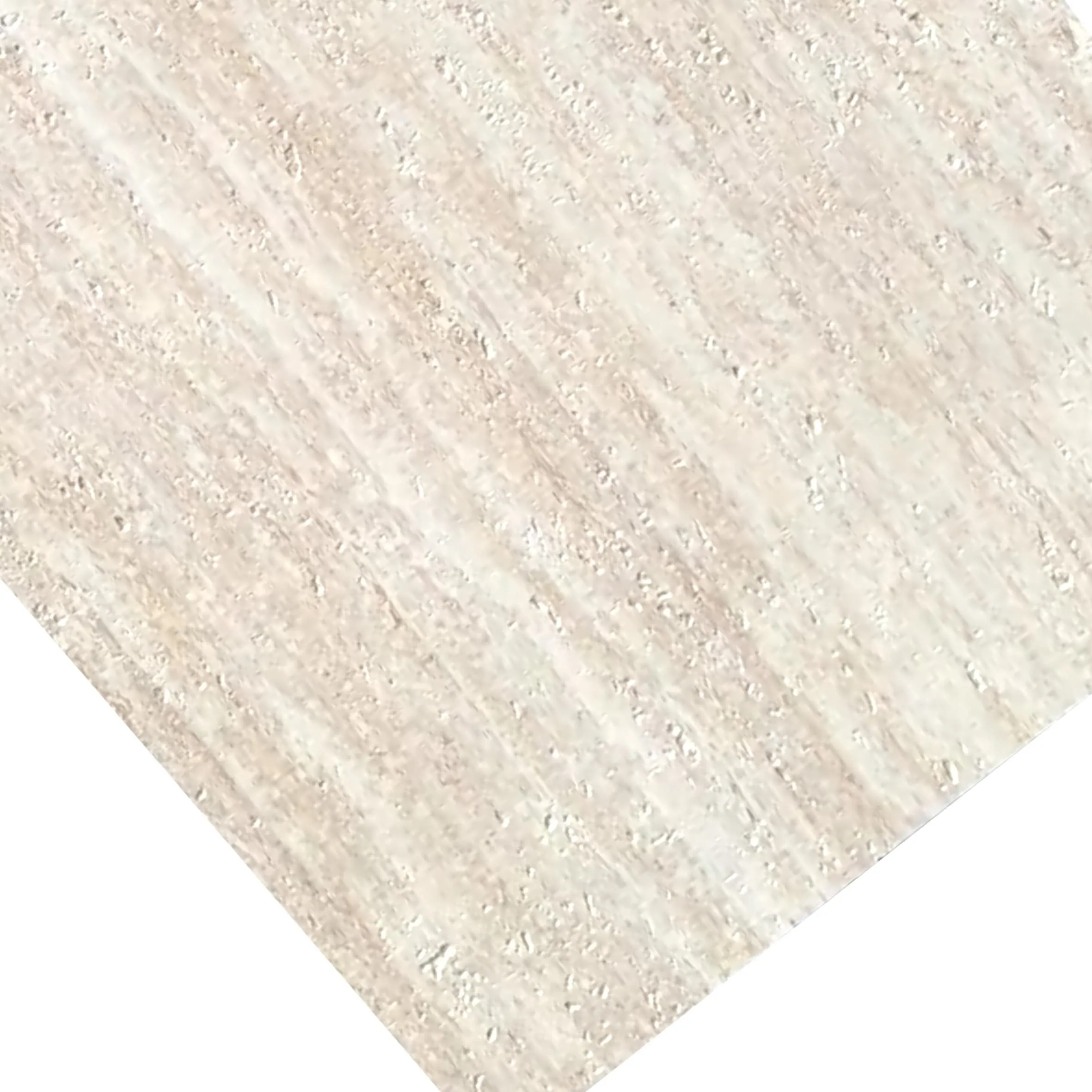
As we look to the future, the demand for sustainable building materials will only grow. Climate change, rising energy costs, and a greater awareness of environmental impact are pushing architects and homeowners to think differently about construction. Ethereal Shadow Travertine and MCM flexible stone represent this shift—a move away from "either/or" thinking (either beautiful or efficient) toward "both/and."
Imagine a world where every building is designed to work with nature, not against it. Where walls don't just divide spaces but regulate temperature. Where beauty isn't a luxury but a standard, paired with functionality. That's the future Ethereal Shadow Travertine is helping to build. It's a reminder that the best materials aren't just tools—they're partners in creating spaces that nurture us and protect the planet.
And it's not stopping there. Innovations in stone processing and composite materials are making Ethereal Shadow Travertine even more accessible. New finishes, thinner slabs, and improved installation techniques mean it can be used in more projects, from small home renovations to large-scale commercial buildings. MCM flexible stone, too, is evolving, with new colors and textures that mimic natural materials while offering enhanced insulation. Together, they're leading a movement toward "conscious construction"—building with intention, beauty, and the future in mind.
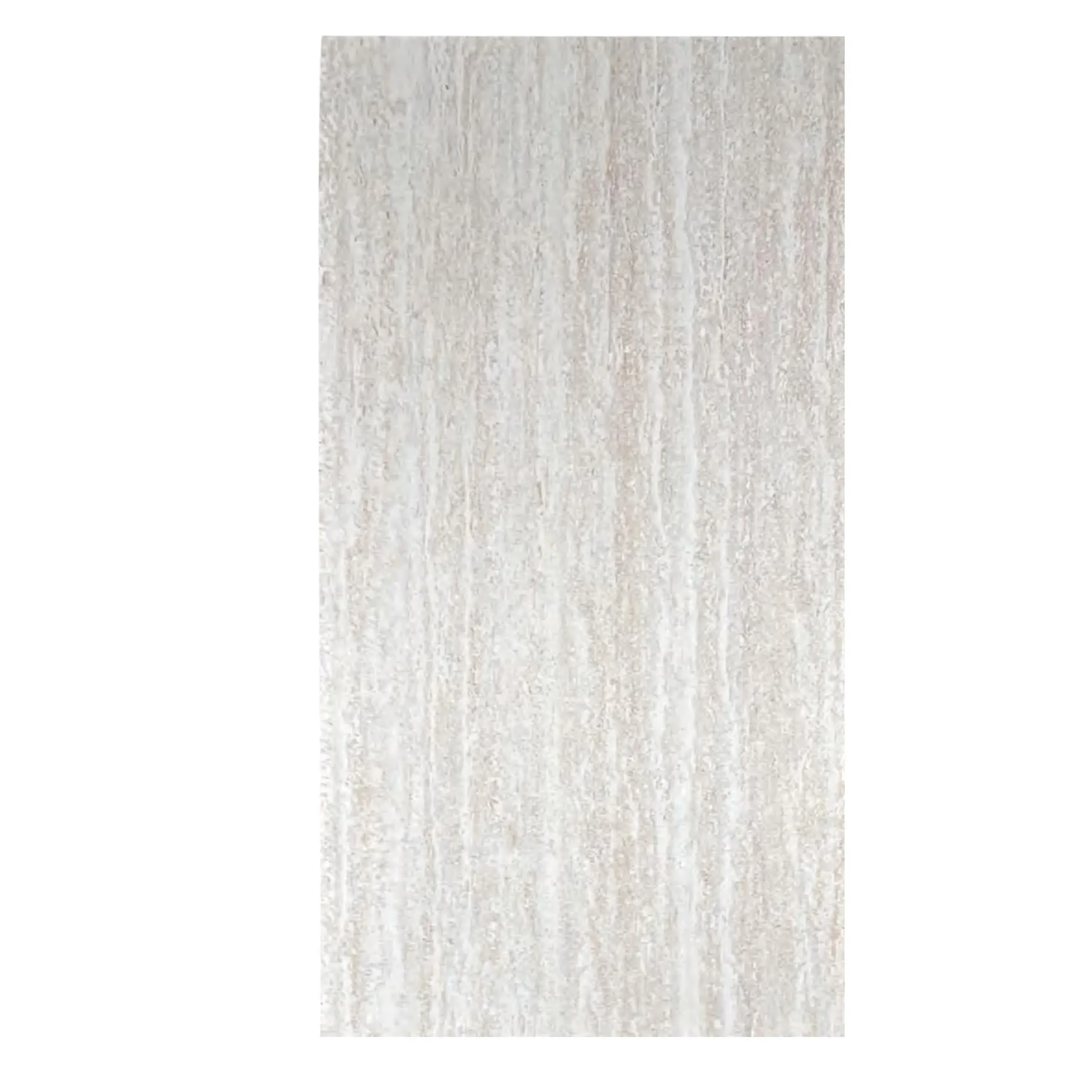
Ethereal Shadow Travertine is more than a building material. It's a testament to the idea that nature and function can coexist beautifully. Its soft, shadowed veining captures our attention, but its true magic lies in the way it cares for us—quietly regulating temperature, reducing energy use, and creating spaces that feel like home.
Paired with MCM flexible stone, it's a dynamic duo that proves sustainability doesn't have to mean sacrificing style. Whether you're building a new home, renovating an office, or designing a public space, choosing materials that prioritize both aesthetics and insulation is an investment in comfort, savings, and the planet.
So the next time you walk into a space and feel that subtle, effortless comfort—the kind that makes you sigh and think, "This feels right"—take a closer look at the walls. Maybe they're made of Ethereal Shadow Travertine. And maybe, in that moment, you'll realize: the most beautiful materials are the ones that don't just look good—they do good, too.
Recommend Products












