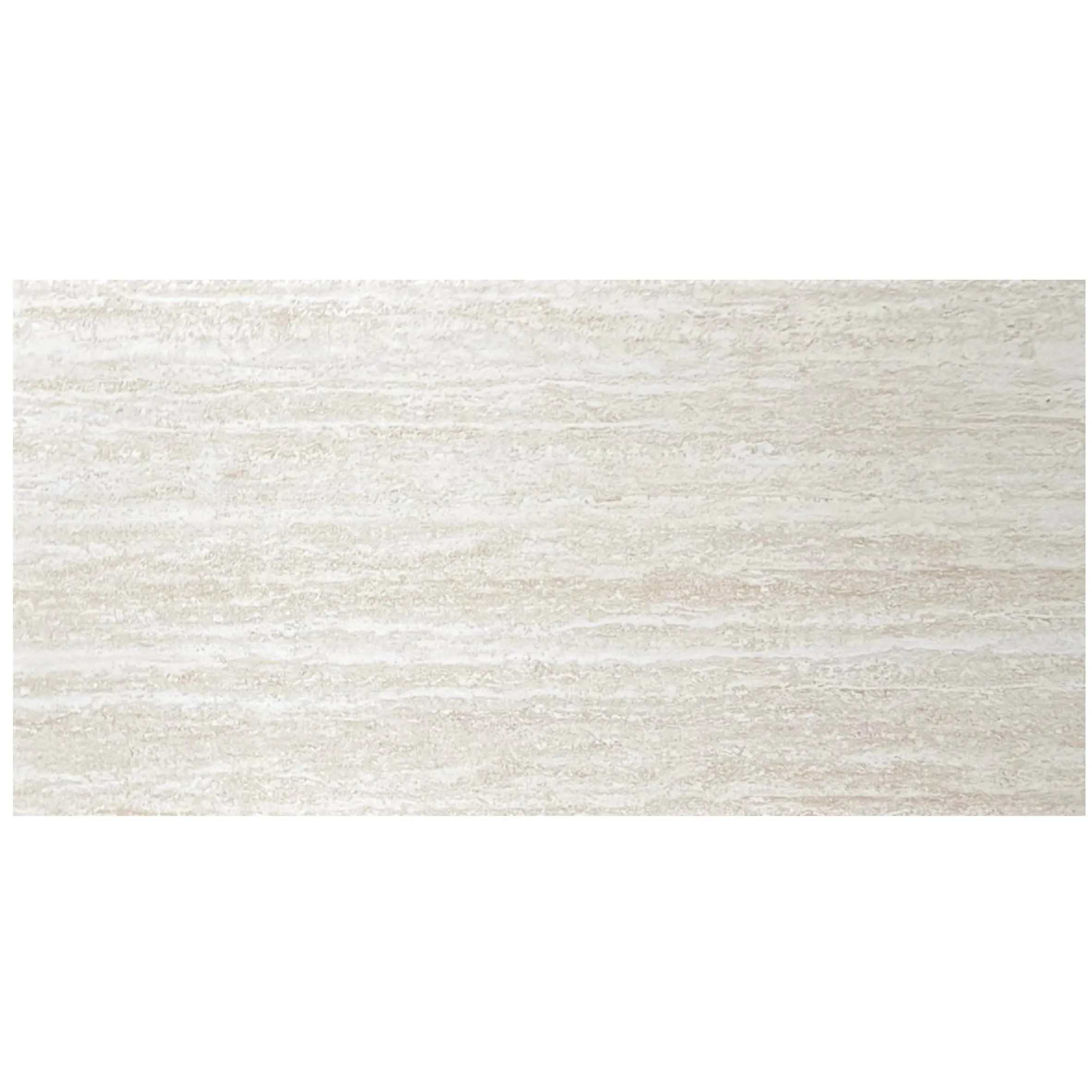
In 2023, a team of architects and preservationists faced a daunting task: restoring the facade of Villa d'Este, a crumbling 17th-century villa in the Lombardy region of Italy. Once a grand residence for a noble family, the villa had fallen into disrepair over the past century, with large sections of its travertine facade chipped or missing entirely. The original stone, a soft, porous travertine quarried locally, had eroded badly, leaving gaping holes that threatened the structure's stability.
"The challenge wasn't just replacing the stone—it was finding something that could stand up to the region's harsh winters and hot, humid summers, while still looking like it belonged," says lead architect Sofia Bianchi. "The original travertine was beautiful, but it was too fragile. We needed a material that could mimic its appearance but with modern durability."
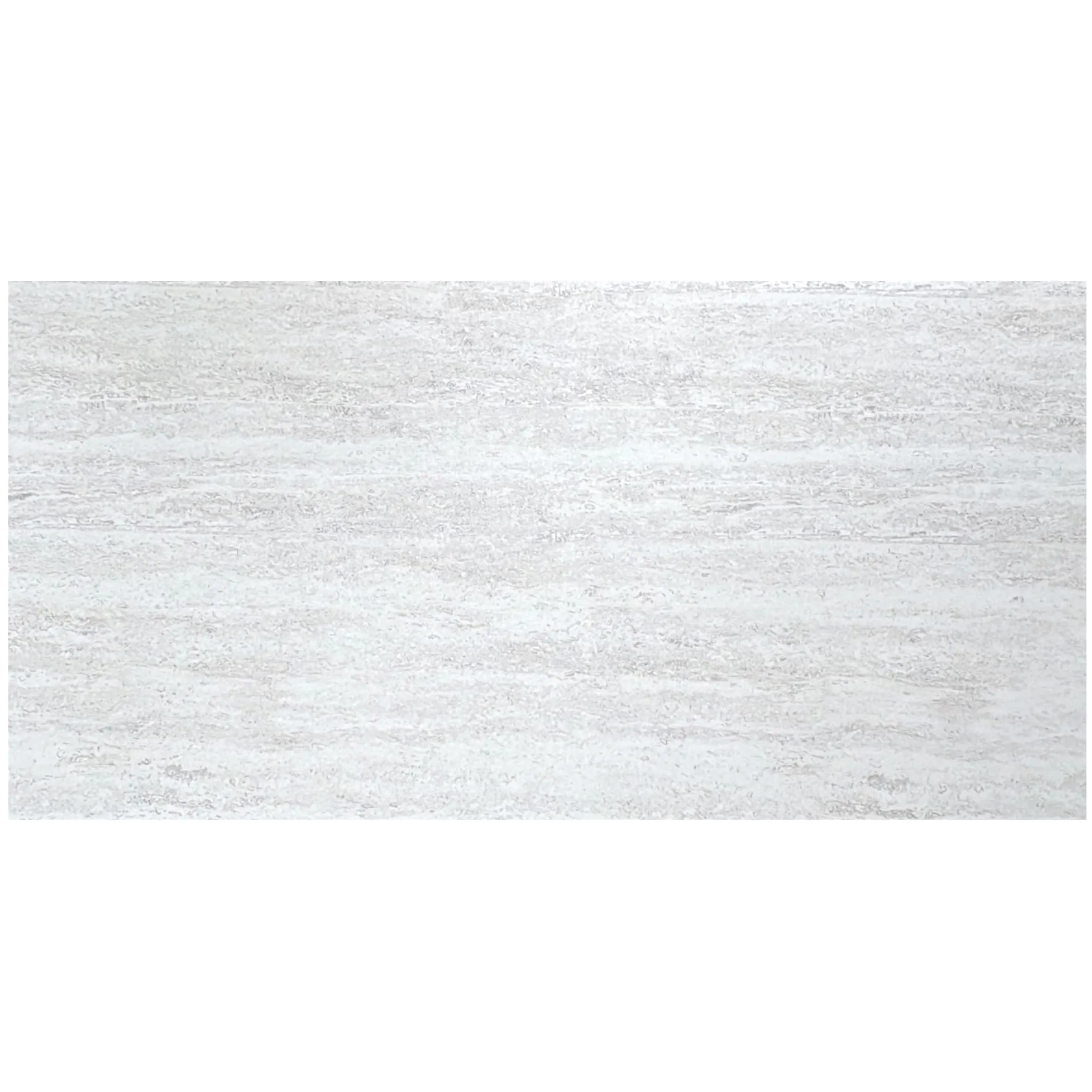
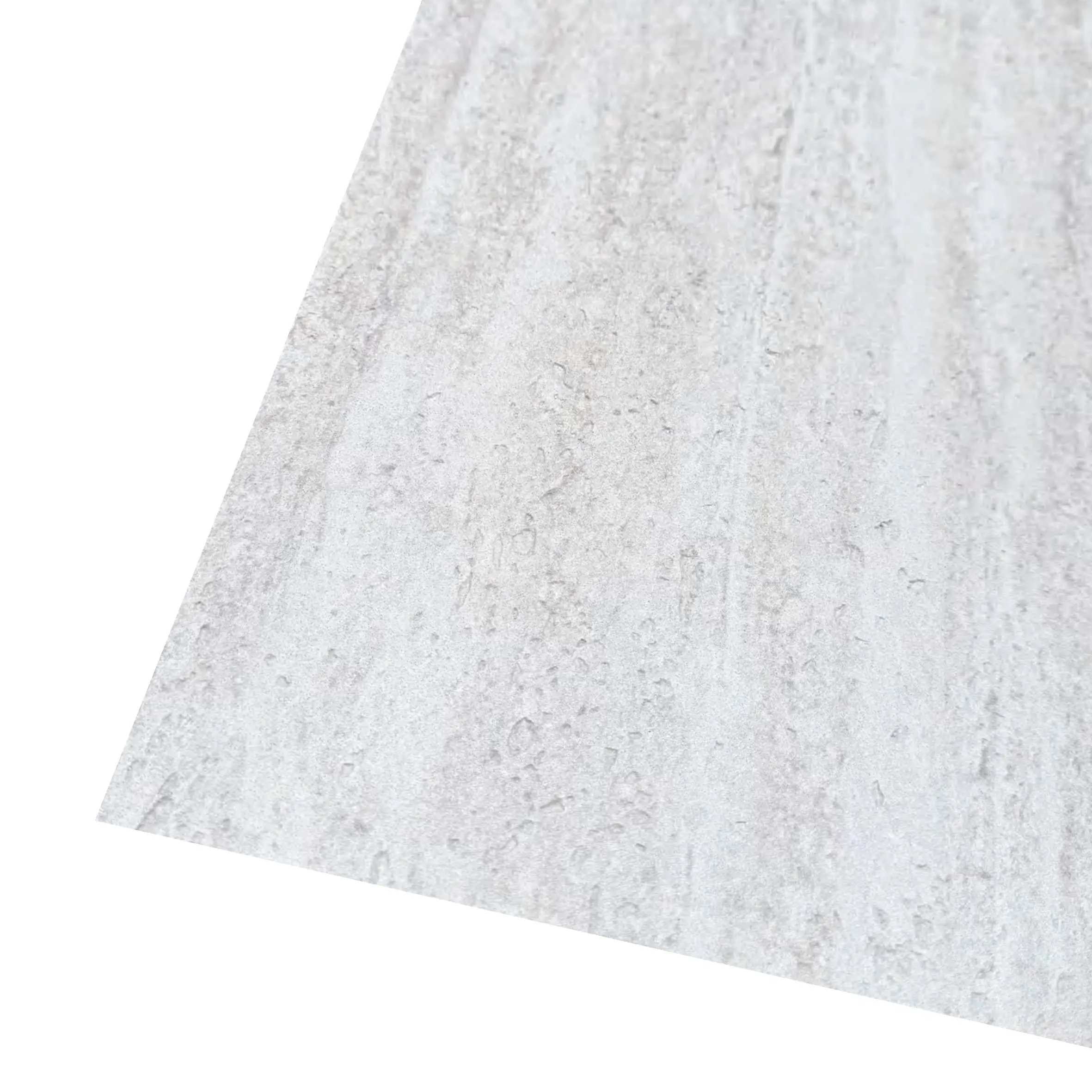
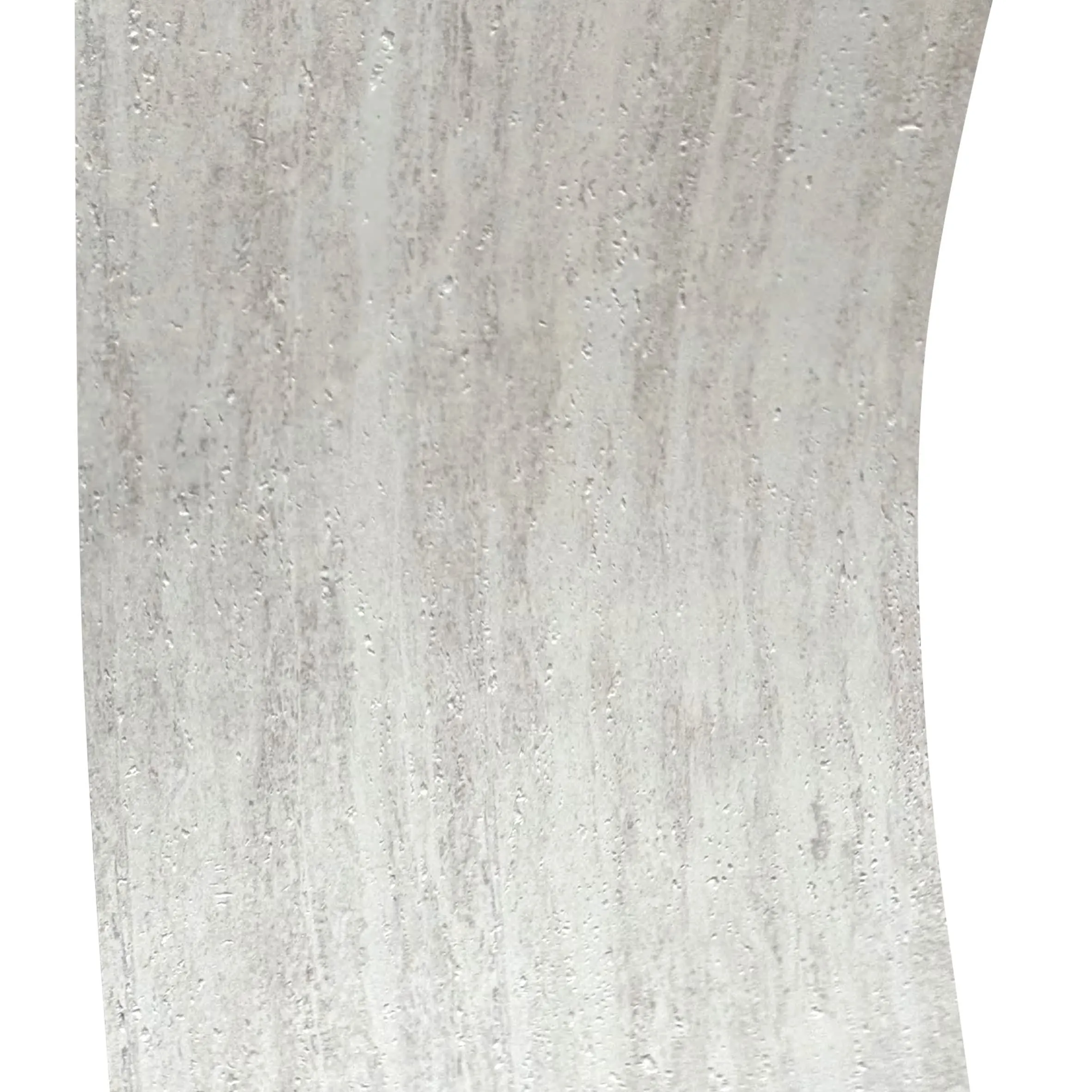
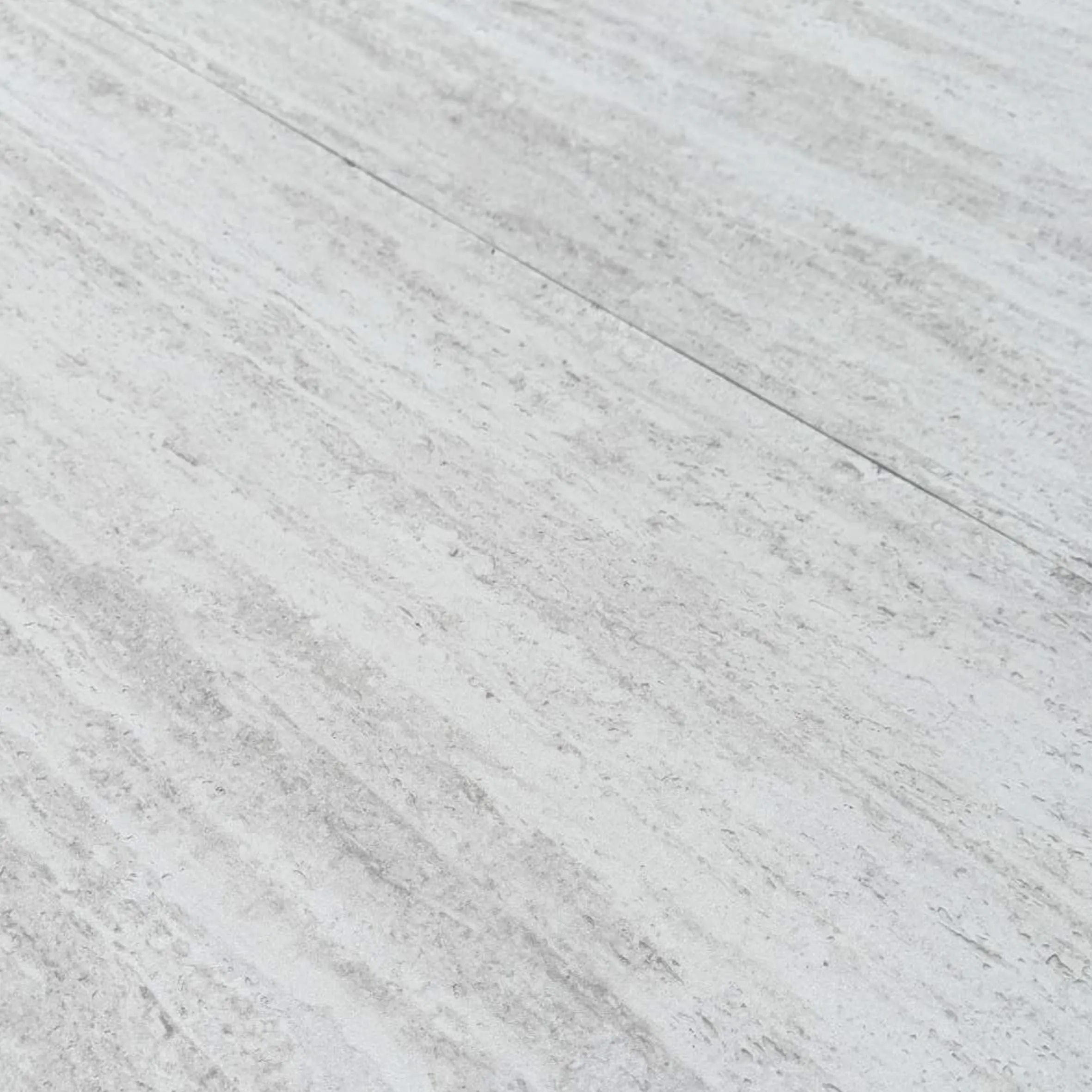
After testing over a dozen samples, the team settled on a combination of ethereal shadow travertine for the main facade, historical pathfinders stone for the villa's iconic arched entrance, and lunar peak silvery for the decorative cornices. Here's how it unfolded:
Step 1: Assessing the Damage
The first step was mapping every damaged stone on the facade. Using 3D scanning technology, the team created a digital model of the villa, marking areas where the original travertine was beyond repair. "Some stones were so eroded, you could stick your finger through them," Bianchi recalls. "Others had cracks that ran deep into the wall. We needed to replace about 30% of the facade, but we wanted it to look like nothing had changed."
Step 2: Matching the Original Stone
The team took samples of the original travertine to MCM's quarry, where they worked with geologists to find the perfect match. Ethereal shadow travertine, with its similar porosity and color variation, emerged as the top candidate. "We did side-by-side tests in different lighting—morning sun, afternoon shade, even under artificial lights—to make sure the new stone wouldn't stick out," says Rossi, who oversaw the stonemasonry. "The original stone had a warm, golden-gray hue in sunlight; ethereal shadow travertine shifted just enough to match that. It was uncanny."
Step 3: Installing with Care
Replacing the stones wasn't just about cutting and gluing. The villa's walls, like most old buildings, had shifted over time, with subtle curves and uneven surfaces. Rigid materials would have cracked under the strain, but ethereal shadow travertine's slight flexibility (enhanced by MCM's
flexible stone
backing) allowed it to adapt. "We used traditional lime mortar, just like the original builders did, to let the stone 'breathe,'" Rossi explains. "And for the arched entrance, we used historical pathfinders stone, which has that rough, weathered texture that makes the doorway look like it's been welcoming guests for centuries."
Step 4: The Reveal
When the scaffolding came down six months later, the reaction was overwhelming. "Locals who'd grown up seeing the villa in ruins cried," Bianchi says. "One elderly woman told me it looked like her grandmother's house again. The ethereal shadow travertine didn't just fix the facade—it brought the villa back to life. In sunlight, it glows like the original stone; in rain, it darkens just enough to look like it's been there through every storm."
"You don't realize how much a building shapes a community until it's restored. Villa d'Este isn't just a house anymore—it's a symbol of our history. And thanks to materials like
ethereal shadow travertine, it will be around for my grandchildren to admire." — Lucia Moretti, 78, lifelong resident of the village