
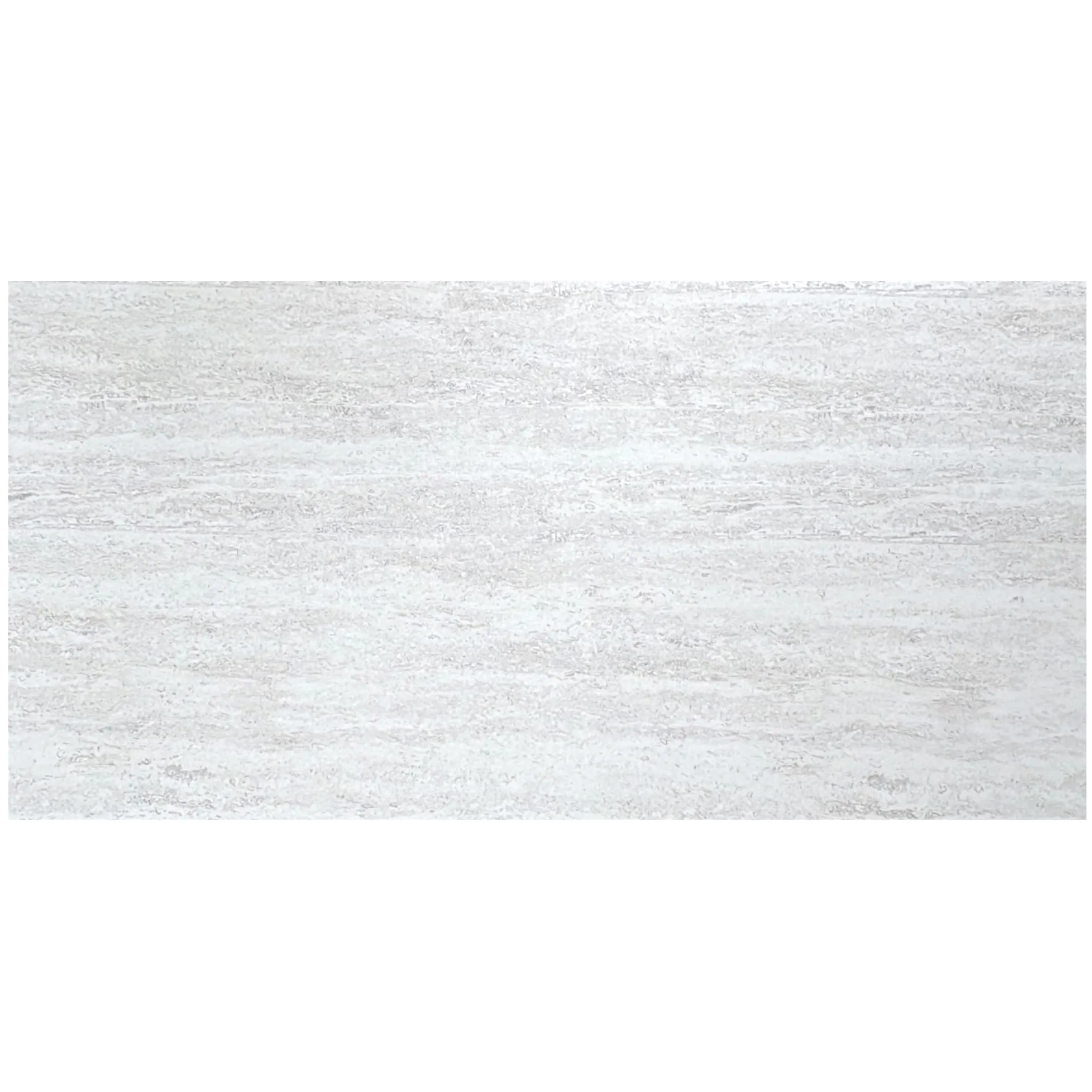
There's a moment in every designer's process when a material stops being just a material and becomes a story. It's the moment you run your hand over a surface and think, This is how spaces should feel . For many architects and interior creators today, that material is Ethereal Shadow Travertine. Soft, nuanced, and endlessly dynamic, it's a stone that doesn't just fill a room—it transforms it. But here's the catch: beauty alone isn't enough in a world where buildings need to be lightweight, adaptable, and kind to the planet. That's where MCM technology steps in, turning Ethereal Shadow Travertine from a stunning natural wonder into a flexible, future-ready solution. Let's dive into how this pairing is redefining what's possible in design.
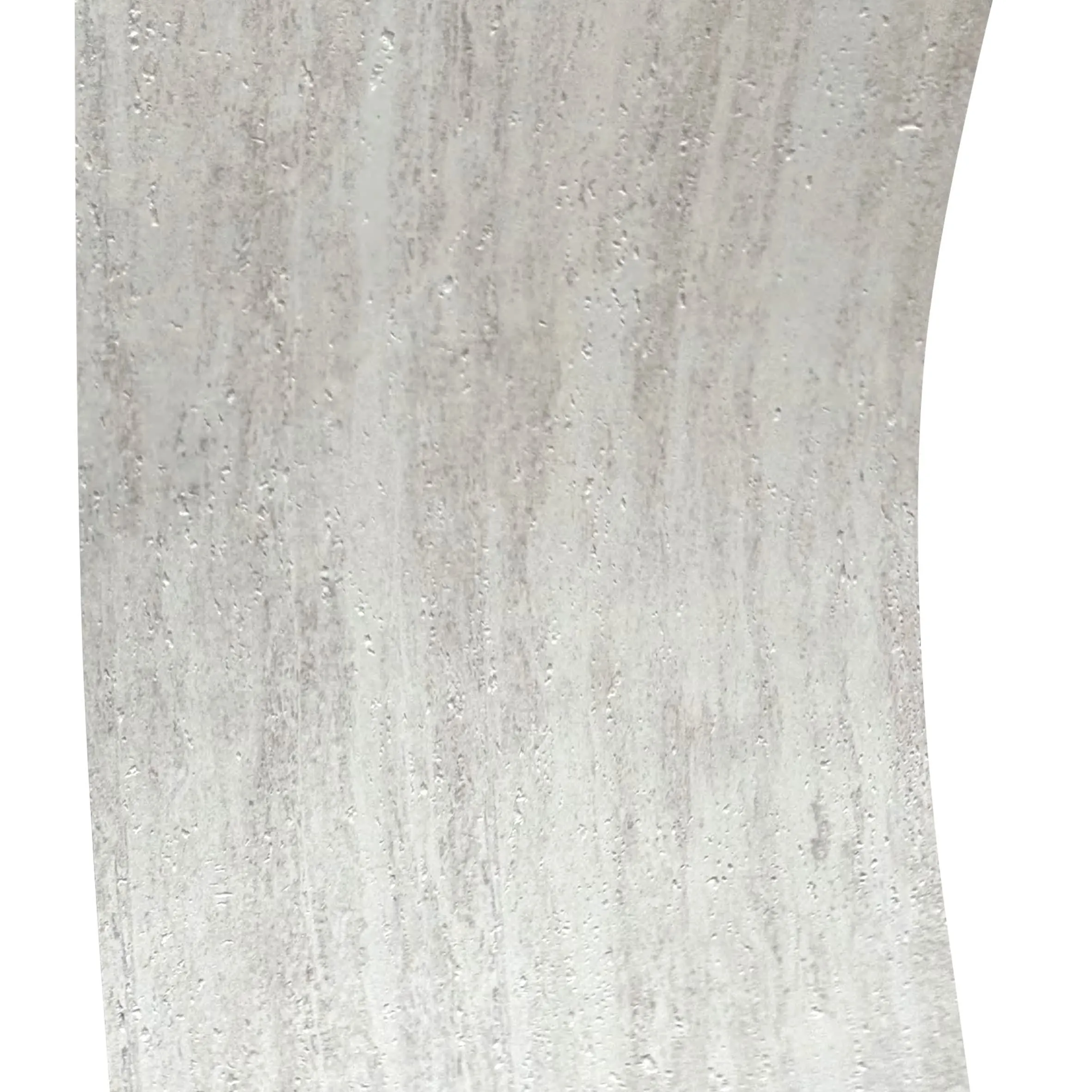
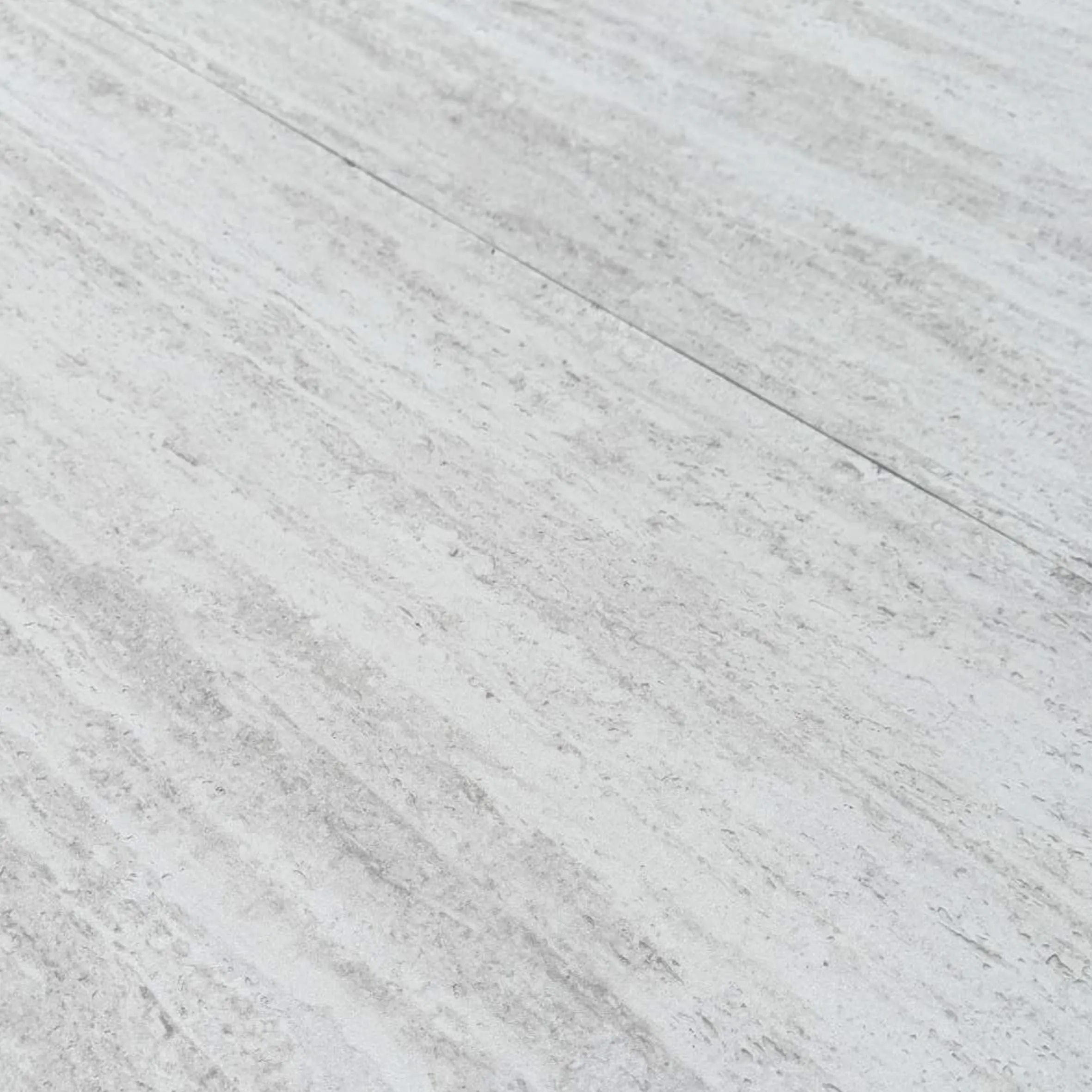
Let's start with the star of the show: Ethereal Shadow Travertine. If you've ever stood in a forest at dawn, watching sunlight filter through leaves to paint the ground in shifting patterns, you'll recognize its inspiration. This travertine isn't about bold veins or high-contrast drama—it's about subtlety. Its surface plays with light like few materials can: soft grays melt into warm beiges, while delicate, wispy veining mimics the way shadows stretch and as the day passes. It's quiet, but never boring. Run your palm across it, and you'll feel a texture that's gently tactile—rough enough to feel organic, smooth enough to invite touch. It's the kind of stone that makes a lobby feel like a sanctuary, or a kitchen backsplash feel like a piece of art.
Designers rave about its versatility, too. Unlike some stones that demand a specific aesthetic (think sleek marble in a modern home or rustic slate in a cabin), Ethereal Shadow Travertine bends to its surroundings. Pair it with warm wood and soft lighting, and it feels cozy and residential. Use it on a minimalist commercial facade with sharp angles, and it becomes sleek and contemporary. It's a chameleon, but not in a way that feels inauthentic—more like it has a quiet confidence to complement, not compete.
But here's the problem that used to hold it back: travertine, by nature, is heavy. Solid slabs of it can weigh hundreds of pounds, limiting where it can be used. A small accent wall? Sure. An entire exterior facade? That was a pipe dream for most projects, thanks to structural constraints, transportation costs, and installation headaches. Enter MCM technology—and with it, a new chapter for Ethereal Shadow Travertine.
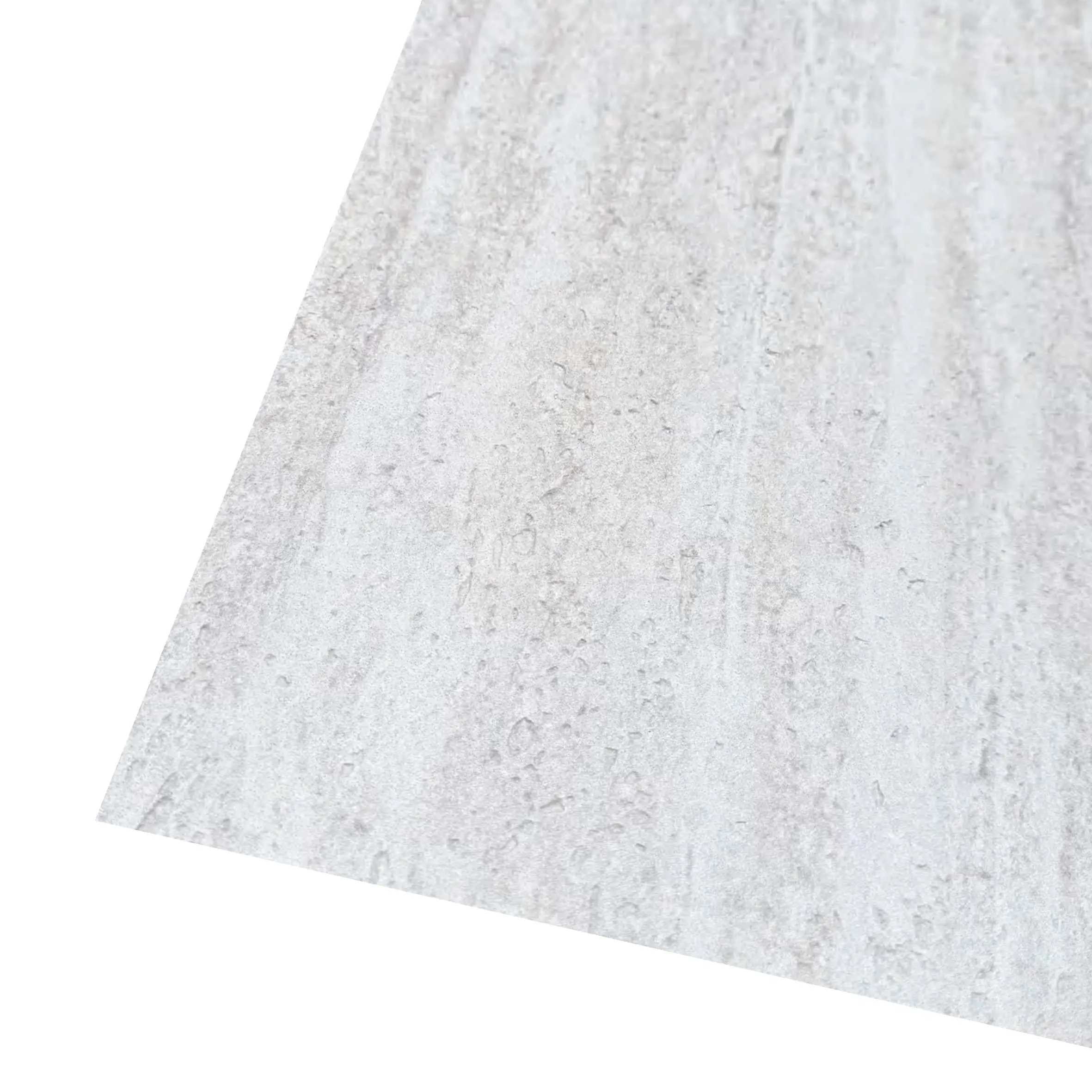
MCM, or Modified Composite Material, isn't just a buzzword in construction circles—it's a revolution. At its core, MCM is a clever marriage of natural beauty and engineering smarts. Imagine taking a thin layer of Ethereal Shadow Travertine (just a few millimeters thick, enough to capture all that stunning texture and color) and bonding it to a lightweight, flexible substrate made from recycled polymers and minerals. The result? A panel that looks and feels like solid stone but weighs up to 80% less. That's the magic of MCM flexible stone—and it's a game-changer.
Let's break down why this matters. Traditional solid stone cladding requires cranes, heavy machinery, and teams of workers to maneuver. It's slow, expensive, and risky—one wrong move, and a slab could crack, or worse, damage the building's structure. MCM panels, on the other hand, are light enough to be carried by two people and installed with basic tools. A crew that might take a week to clad a wall with solid travertine can do the same job in two days with MCM. And because the panels are flexible, they can even be curved around corners or applied to uneven surfaces—something solid stone could never pull off without custom cutting (and a huge price tag).
But MCM isn't just about convenience. It's about durability, too. The substrate acts as a shield, protecting the thin stone layer from moisture, UV rays, and impact. In tests, MCM panels have held up to extreme temperatures (from -40°C to 80°C), heavy rain, and even hailstorms better than many solid stones. And since the stone layer is so thin, the panels are surprisingly eco-friendly: they use far less raw material than solid slabs, reducing quarrying waste, and many manufacturers use recycled content in the substrate. For designers trying to meet green building standards (LEED, BREEAM, you name it), that's a big win.
So, how does Ethereal Shadow Travertine benefit from all this MCM ingenuity? Let's put it simply: MCM technology unlocks its full potential. Suddenly, that beautiful, shadowy stone isn't limited to small accents or low-rise buildings. It can climb the facade of a 20-story hotel, wrap around a curved lobby wall, or even be used as a ceiling panel (yes, ceilings!). Let's look at three key ways this partnership shines:
One of the biggest barriers to using natural stone in large-scale projects is weight. A typical solid travertine slab weighs around 20-30 kg per square meter. MCM flexible stone panels? Just 4-6 kg per square meter. That's a difference that changes everything. Take a boutique hotel in a historic district, for example. The building's original structure can't handle heavy materials, but the owner wants the exterior to feel premium. With MCM panels featuring Ethereal Shadow Travertine, the facade gets the timeless look of stone without risking structural damage. Even better, the lightweight panels reduce transportation costs—no need for special trucks or cranes—and make installation safer for workers.
Solid stone is rigid. If you want a curved wall, you need to cut the stone into tiny, wedge-shaped pieces and hope the seams don't show. With MCM, Ethereal Shadow Travertine becomes bendable. The panels can flex up to 30 degrees without cracking, making them perfect for organic, flowing designs. Imagine a museum with a spiral staircase wrapped in Ethereal Shadow Travertine—MCM makes that possible, with seamless, continuous panels that follow the curve without visible joints. Or a retail store with a wavy accent wall that mimics the movement of fabric—suddenly, stone isn't just for straight lines anymore.
Here's where the mcm big slab board series comes into play. Traditional travertine slabs max out at around 1.2m x 2.4m because anything larger becomes too heavy to transport or install. MCM big slabs? Try 3m x 1.5m—huge, seamless panels that look like they've been carved from a single block of stone. For a corporate headquarters wanting a grand entrance, that's a game-changer. A lobby wall clad in 3m-tall Ethereal Shadow Travertine panels feels monumental, like walking into a space carved from the earth. And because the panels are lightweight, they can be installed vertically without extra structural support. No more small, choppy tiles—just clean, sweeping surfaces that let the stone's beauty take center stage.
| Feature | Traditional Solid Travertine | MCM Flexible Stone with Ethereal Shadow Travertine |
|---|---|---|
| Weight (per sqm) | 20–30 kg | 4–6 kg |
| Installation Time | 5–7 days for 100 sqm | 1–2 days for 100 sqm |
| Curved Surfaces | Requires custom cutting; visible seams | Flexible panels; seamless application |
| Max Slab Size | ~1.2m x 2.4m | Up to 3m x 1.5m (mcm big slab series) |
| Sustainability | High quarrying waste; heavy transportation emissions | 80% less raw material; recycled substrate options |
Enough theory—let's talk about real projects. Take the Willow & Shadow Hotel in downtown Portland, a 12-story boutique property that opened last year. The architect wanted the exterior to feel "rooted in nature but modern in spirit," says lead designer Maria Gonzalez. "We fell in love with Ethereal Shadow Travertine, but the building's structure couldn't handle solid stone. MCM flexible stone was the solution. We used the mcm big slab series for the facade—3m panels that wrap around the building like a cloak. From the street, it looks like the hotel is carved from a single piece of stone, but it weighs nothing compared to the real thing. Guests often comment on how calm the lobby feels, thanks to the stone's soft texture. And maintenance? We've had zero issues, even with Portland's rainy winters."
Or consider the Evergreen Office Park in Chicago, where the design team used Ethereal Shadow Travertine MCM panels for the interior atriums. "We wanted the atriums to feel like indoor gardens, with light filtering through 'stone leaves' overhead," explains project manager James Lee. "Solid travertine ceilings would have been impossible—too heavy, too expensive. MCM panels let us install curved, overhead cladding that weighs less than drywall. Now, when the sun hits the atrium, the stone casts these beautiful, dappled shadows on the floors. It's exactly the effect we wanted, and it cost half what we budgeted for solid stone."
Even residential projects are getting in on the action. A homeowner in Boulder, Colorado, recently used Ethereal Shadow Travertine MCM panels for an outdoor kitchen backsplash. "I love cooking outside, but Colorado weather is tough—snow, wind, hail," says homeowner Sarah Chen. "Traditional stone would have cracked or faded, but these MCM panels have held up perfectly. And they look amazing—guests always ask where I got 'the fancy stone.' Little do they know it's lightweight enough that my husband and I installed it ourselves!"
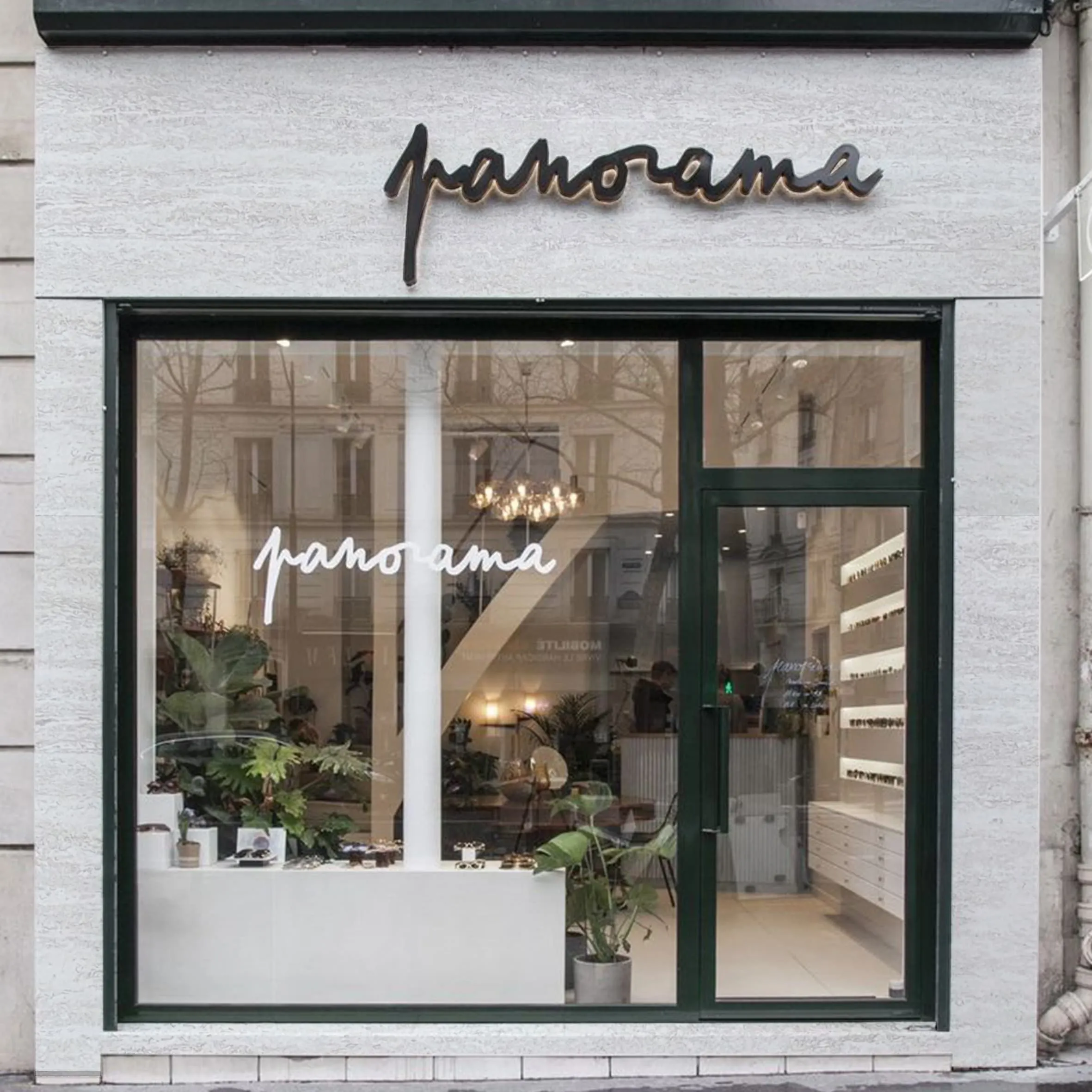
Ethereal Shadow Travertine might be the poster child for MCM's flexibility, but it's far from the only star. The mcm flexible stone lineup includes gems like travertine (starry green)—with its bold, galaxy-like veining—and travertine (starry red), which adds a pop of color without losing that natural vibe. For commercial projects needing a more industrial edge, there's flexible stone cladding panels in materials like fair-faced concrete or rammed earth board (matcha green), which pair the durability of MCM with raw, textured finishes.
And let's not forget the mcm 3d printing series, which takes customization to a whole new level. Imagine a facade where Ethereal Shadow Travertine panels are 3D-printed with intricate patterns—think geometric shapes or even custom logos—all while keeping the lightweight, flexible benefits of MCM. It's design without limits, and it's already being used in art galleries and tech company headquarters around the world.
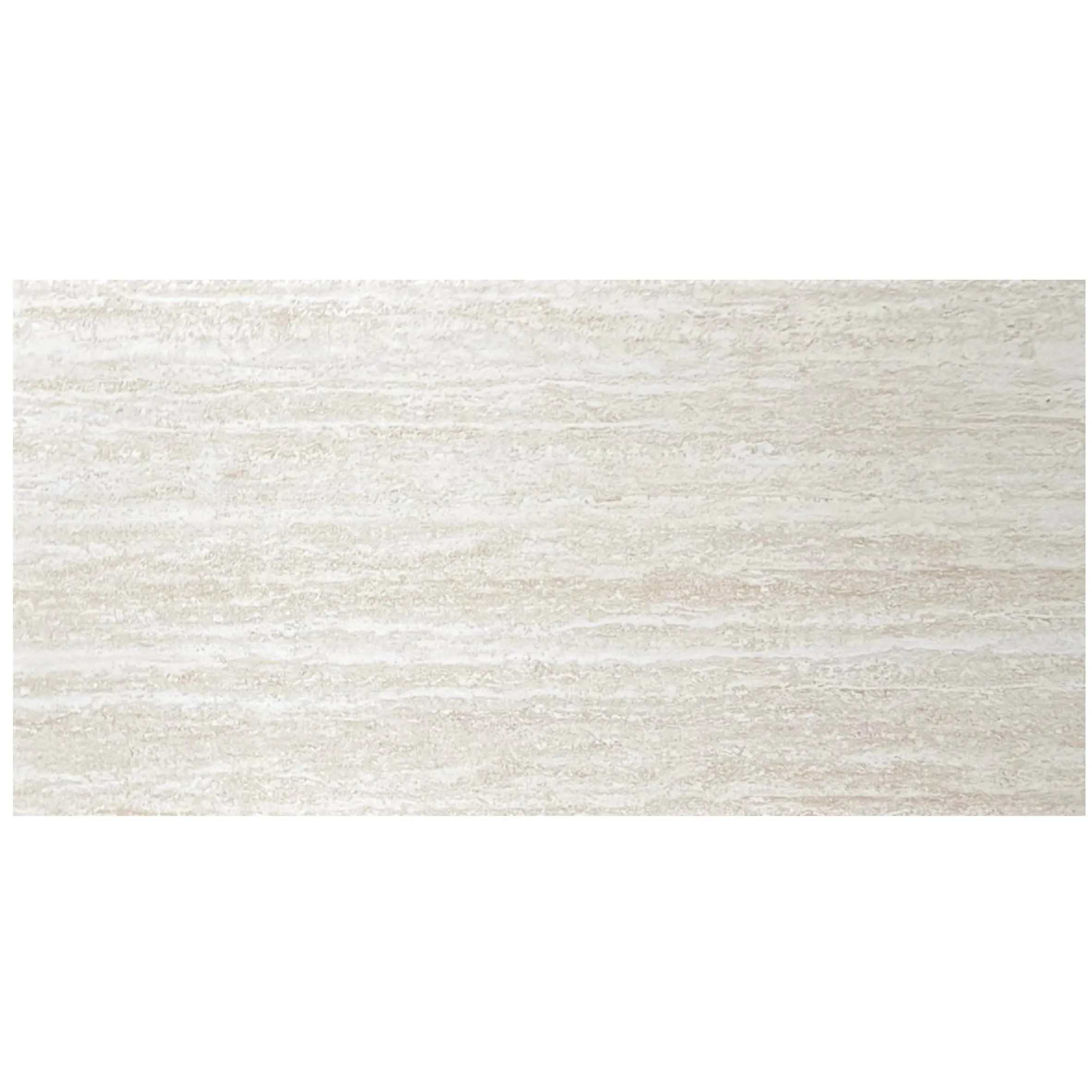
At the end of the day, Ethereal Shadow Travertine and MCM technology aren't just a "match"—they're a glimpse into where design is headed. We're moving beyond the either/or mindset: beauty or practicality, nature or innovation. With MCM, we can have both. A stone that looks like it was plucked from a mountain, but installed like a sheet of wallpaper. A facade that makes a statement, but doesn't drain the planet's resources. A material that feels timeless, but works with the latest 3D printing tech.
So, whether you're an architect dreaming of a skyscraper wrapped in shadowy elegance, an interior designer wanting to turn a bathroom into a spa-like retreat, or a homeowner who refuses to choose between beauty and budget, Ethereal Shadow Travertine and MCM technology are here to make it happen. They're proof that the best designs don't just look good—they work hard, adapt, and inspire. And in a world that's always changing, that's the most flexible quality of all.
Recommend Products












